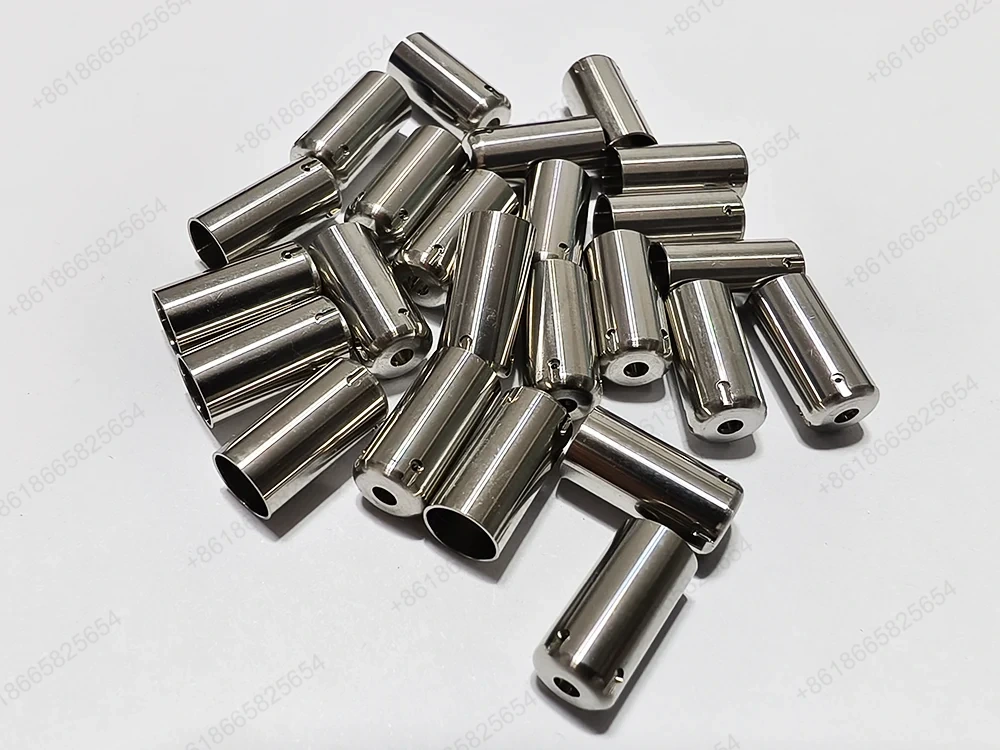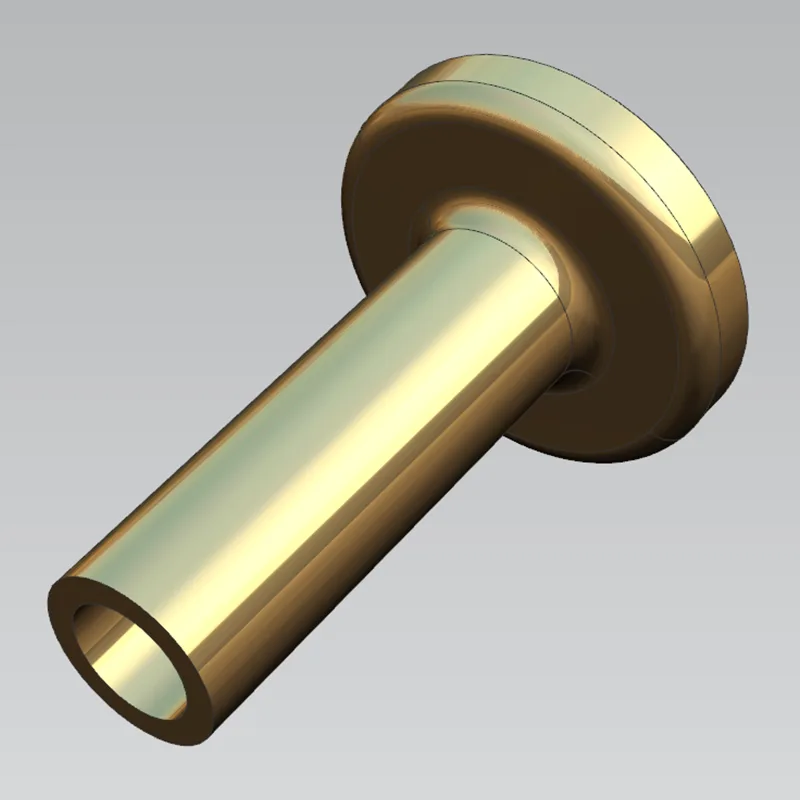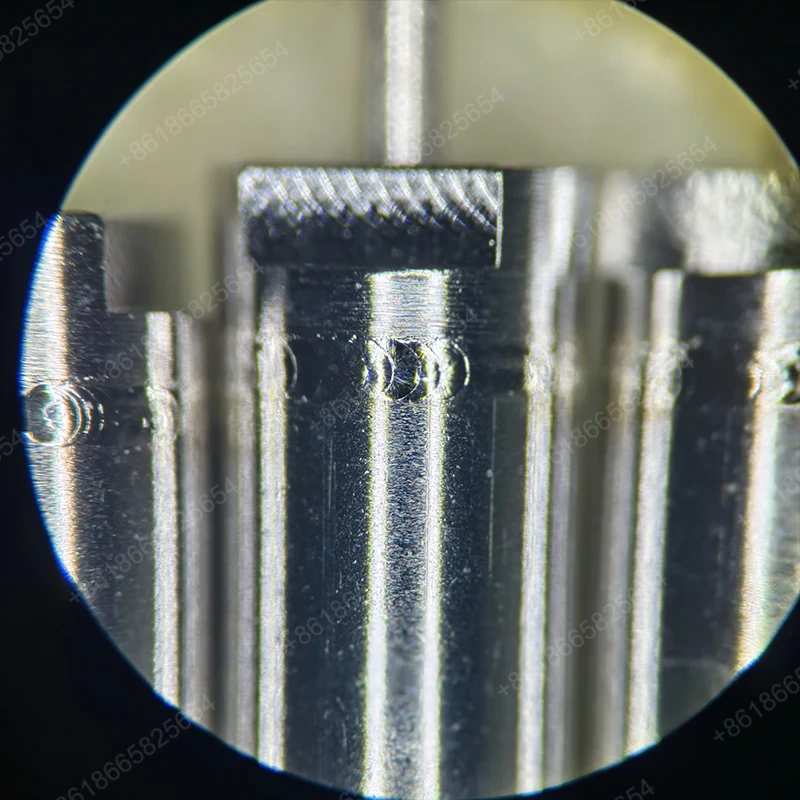

Abstract: High tolerance machining is a cornerstone of modern precision manufacturing. This process ensures components meet exact specifications, reduces material waste, and enhances product reliability. For industries ranging from aerospace to medical devices, achieving tight tolerances can be the difference between success and costly failure. This article explores the principles, benefits, techniques, and challenges of high tolerance machining, providing actionable insights for manufacturers and engineers.
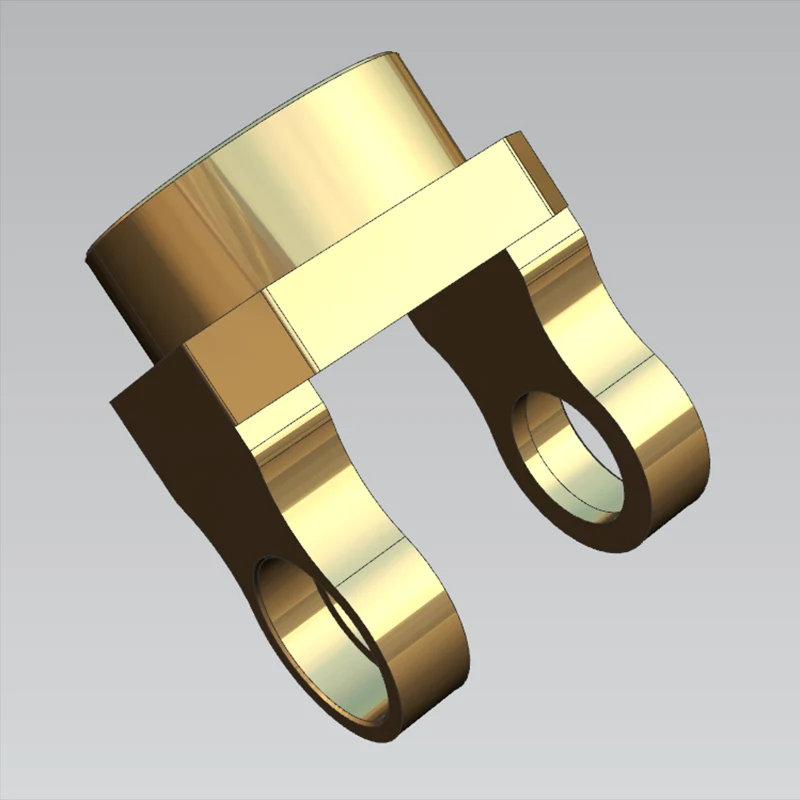
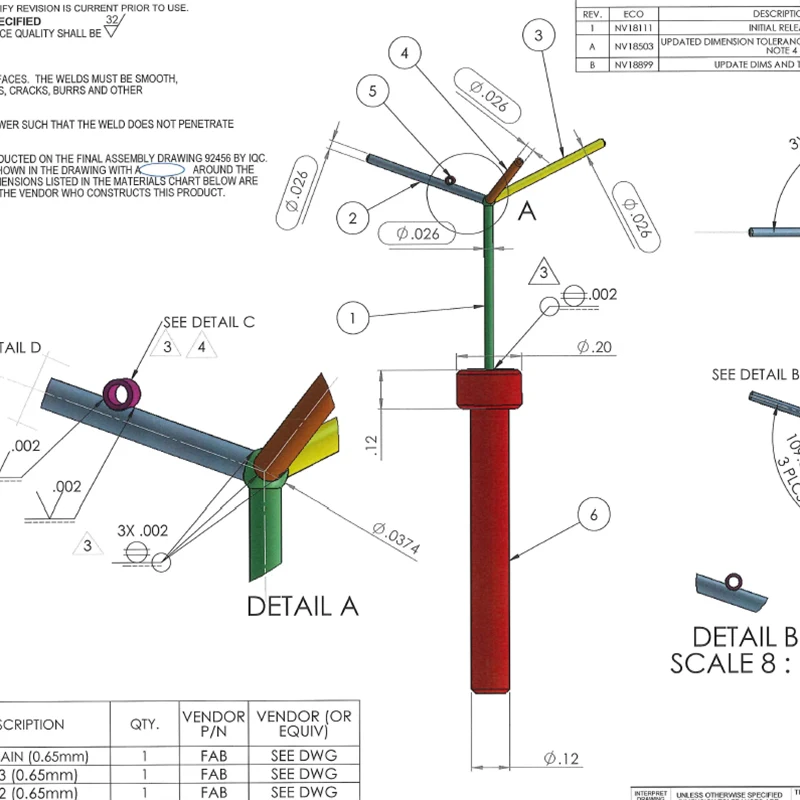
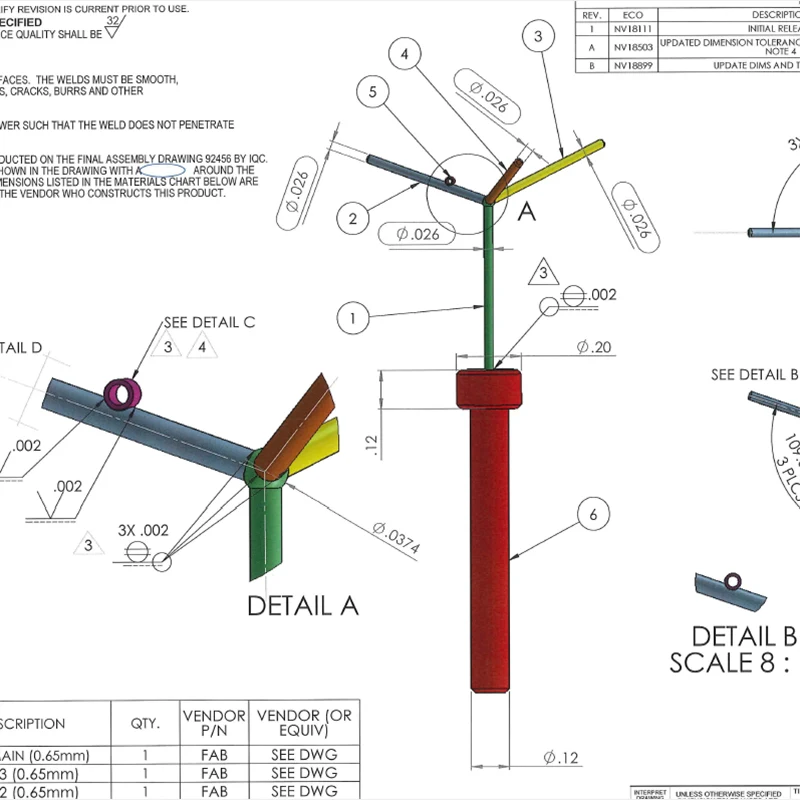
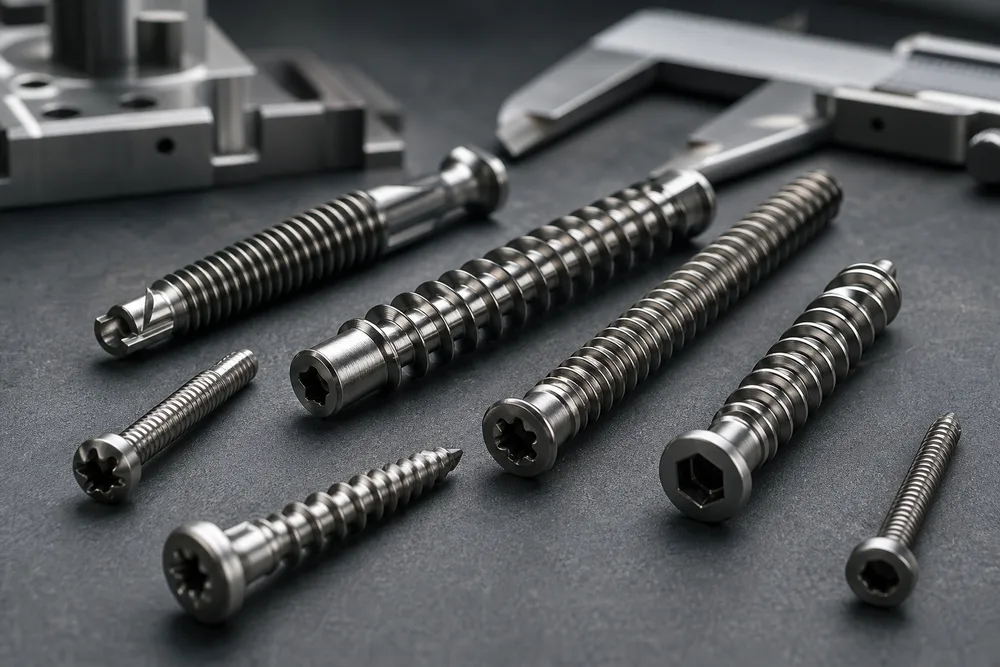
High tolerance machining (HTM) refers to the process of manufacturing components to extremely precise specifications. Tolerances indicate the permissible limits of variation in a part’s dimension, and high tolerance machining ensures these deviations are minimal. Typical tolerances can range from ±0.01 mm to even ±0.001 mm, depending on the application.
Sanluo specializes in high tolerance machining, delivering components that consistently meet stringent quality requirements. The process involves advanced CNC machines, precision measuring equipment, and highly skilled operators to guarantee superior outcomes.
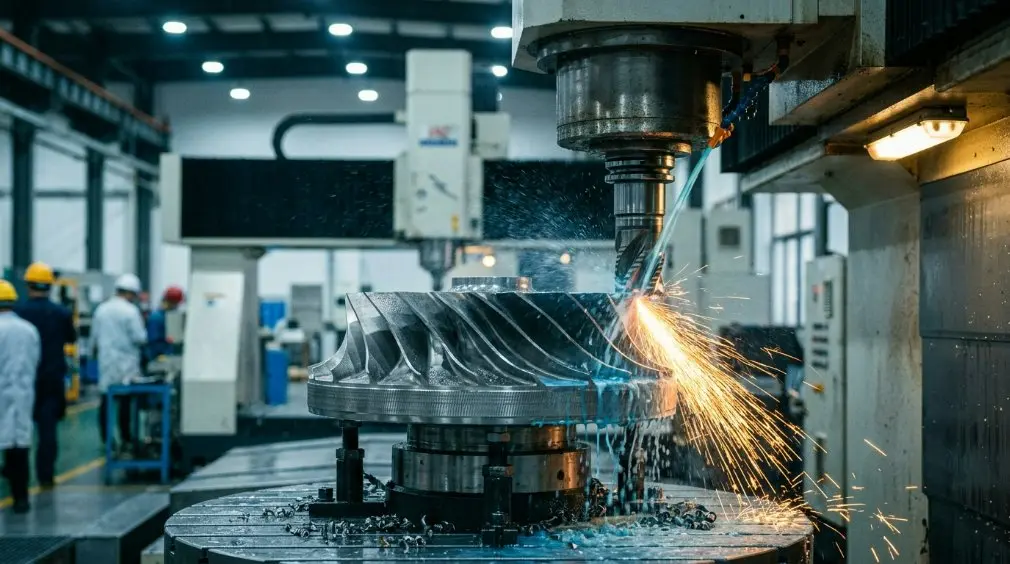
High tolerance machining requires a combination of advanced tools, techniques, and quality control processes. Key elements include:
| Technique / Tool | Description | Application |
|---|---|---|
| CNC Machining | Computer-controlled machining ensures precise and repeatable movements. | Complex parts requiring high accuracy |
| Coordinate Measuring Machines (CMM) | Used for measuring dimensions of parts to verify tolerances. | Quality assurance |
| Laser Measurement Systems | Non-contact measurement to detect minute deviations. | High-precision surfaces |
| Precision Tooling | Custom tools designed to maintain tight tolerances during cutting. | Specialized manufacturing |
While high tolerance machining offers significant advantages, it also comes with challenges. Here are common issues and solutions:
High tolerance machining is critical across multiple industries:
Q1: What is the typical tolerance range in high tolerance machining?
A1: Depending on the application, tolerances can range from ±0.01 mm to ±0.001 mm.
Q2: Can high tolerance machining be applied to all materials?
A2: Most metals and some plastics can be machined with high tolerances. Material selection impacts achievable precision.
Q3: How does Sanluo ensure consistent quality?
A3: Sanluo employs advanced CNC machines, skilled technicians, and rigorous inspection procedures to guarantee precision.
High tolerance machining is a vital aspect of modern manufacturing, ensuring components meet exacting standards. By investing in precise machines, skilled operators, and thorough quality control, manufacturers can reduce waste, improve performance, and meet industry requirements efficiently. Sanluo is committed to delivering high tolerance machining solutions that exceed customer expectations. For more information or to discuss your specific machining needs, contact us today.