
A useful medical device CNC machining quote needs more than a STEP file. Send a controlled drawing, defined material and condition, expected quantity, tolerance requirements, surface specifications, inspection needs, packaging instructions, and target delivery conditions. If any of these are missing, a supplier may price the wrong process, exclude inspection work, or identify a manufacturing problem only after the order starts.
Sanluo Precision supports custom medical component machining from development through production quantities. Its stated capabilities include CNC turning and milling, five-axis machining, micro-machining, grinding, slow-wire EDM, and Swiss Tornos turning for small, slender, and intricate parts. The quality and regulatory documentation required for your project should still be agreed in writing and verified against the current scope of work.
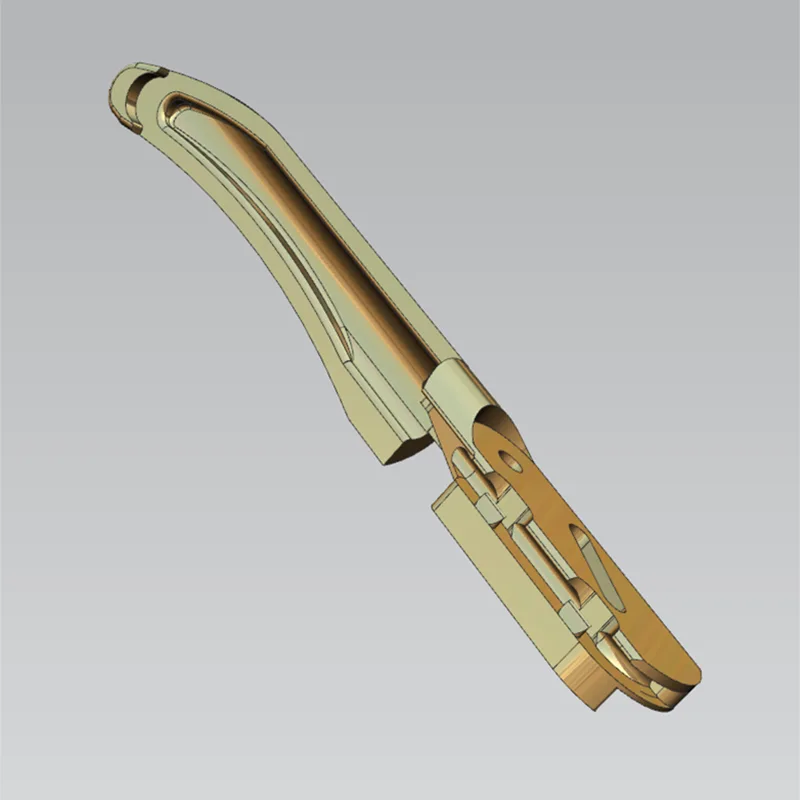
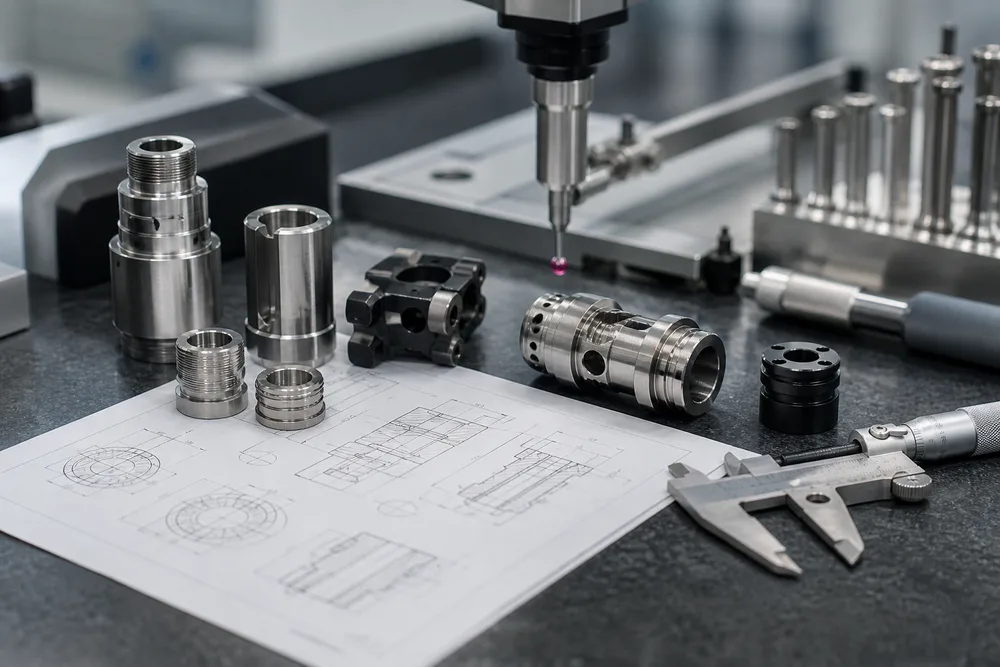
Start with the latest revision of the engineering drawing and a matching 3D model if the geometry is complex. The drawing should identify critical dimensions, datums, geometric tolerances, threads, edge conditions, radii, and any features that affect fit, function, or patient contact.
Your RFQ should also state:
Do not use “medical grade” as a substitute for a material specification. It does not tell the machinist which alloy, polymer grade, heat condition, or verification documents you need.
For medical device precision machining, the quote review should catch manufacturing risks before they become production delays. A drawing that shows only nominal dimensions is not enough. Mark the characteristics that are safety-critical, function-critical, or subject to formal inspection, and identify the datum scheme used to establish them.
Include the part’s intended use when you can do so without disclosing unnecessary confidential information. A long, thin shaft, a miniature surgical feature, and a titanium implant component may all require different workholding, tool selection, inspection methods, and process controls. Tell the supplier where burrs, tool marks, distortion, residual stress, or edge damage would be unacceptable.
Send the native CAD format when practical, along with the neutral model used for review. State whether the model is reference geometry or the controlling definition. If the drawing and model conflict, the supplier needs a clear precedence rule before quoting.
Quantity changes the economics and sometimes the process itself. A one-piece development order may justify a flexible CNC setup, while repeat production can support dedicated workholding, inspection fixtures, tool-life controls, and a more documented process. Give the supplier expected annual demand or release pattern if known, not just the quantity for the first purchase order.
Also identify whether this is a design prototype, a qualification build, a production transfer, or a replacement-source project. The same part can require different records at each stage. A quote based on prototype assumptions may not include the validation, lot control, or first-article evidence expected during production release.
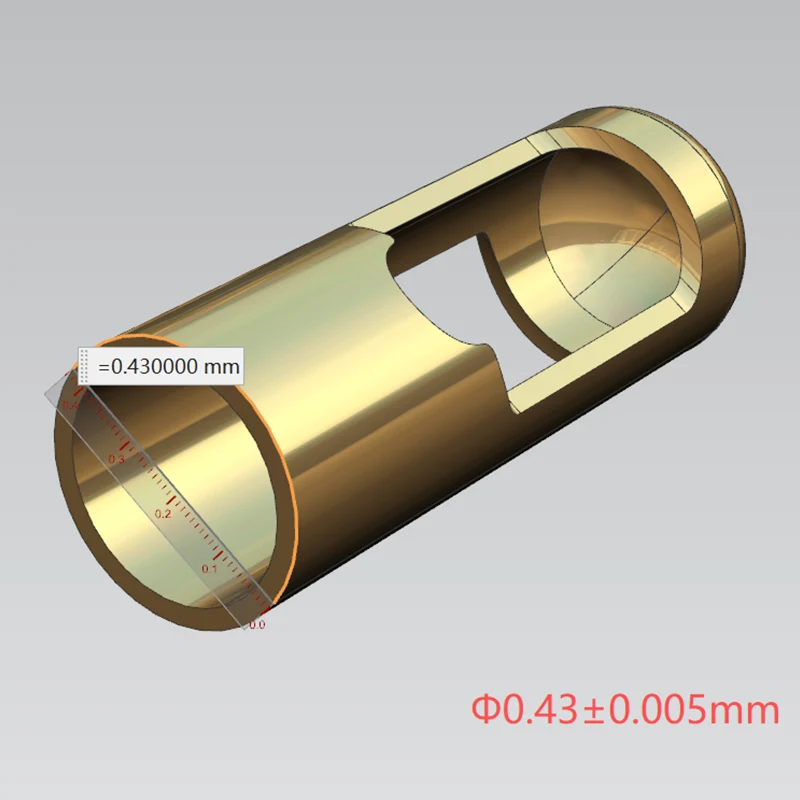
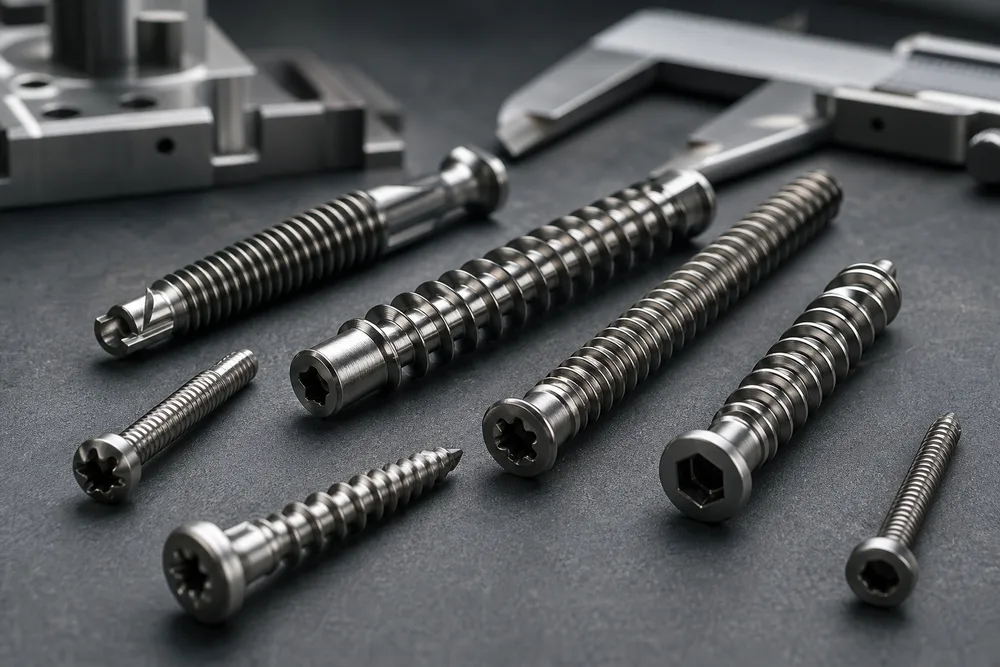
Point out slender diameters, deep bores, intersecting holes, freeform surfaces, miniature slots, tight concentricity, thin walls, and difficult internal features. These details help the supplier assess whether CNC turning, milling, five-axis machining, micro-machining, grinding, or slow-wire EDM is appropriate.
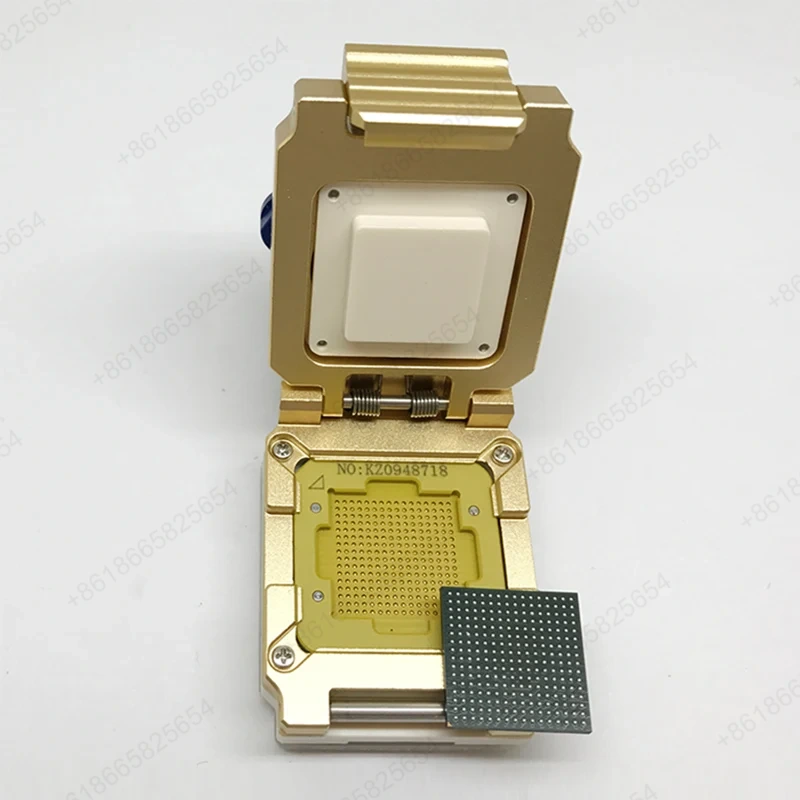
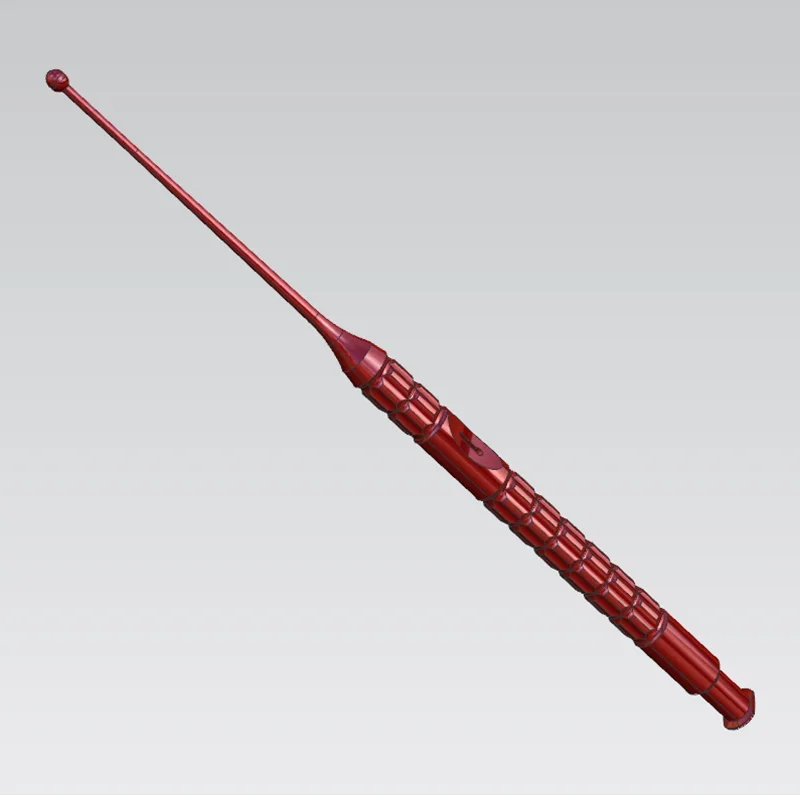
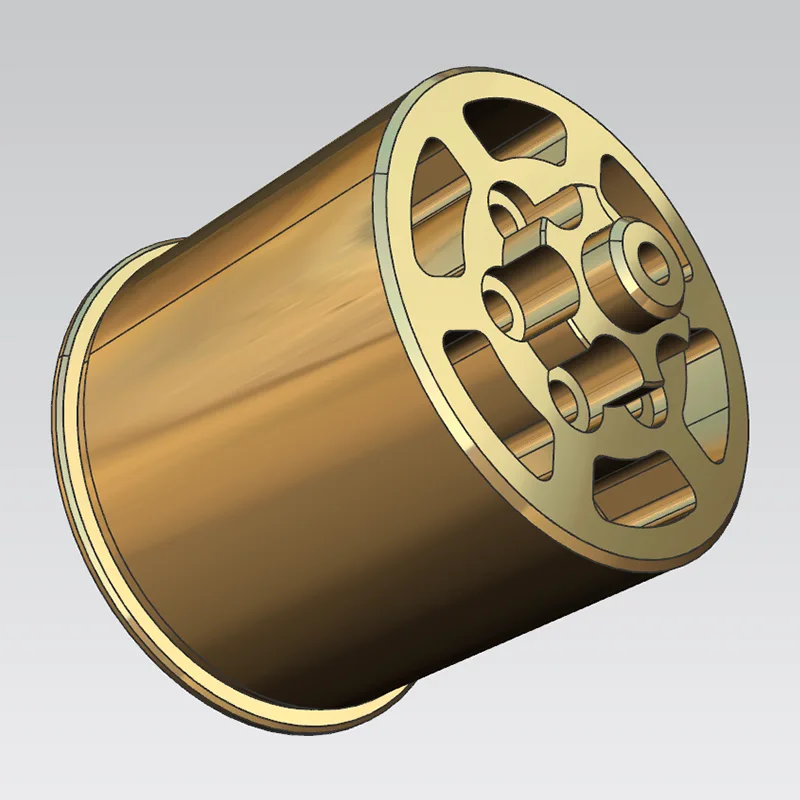
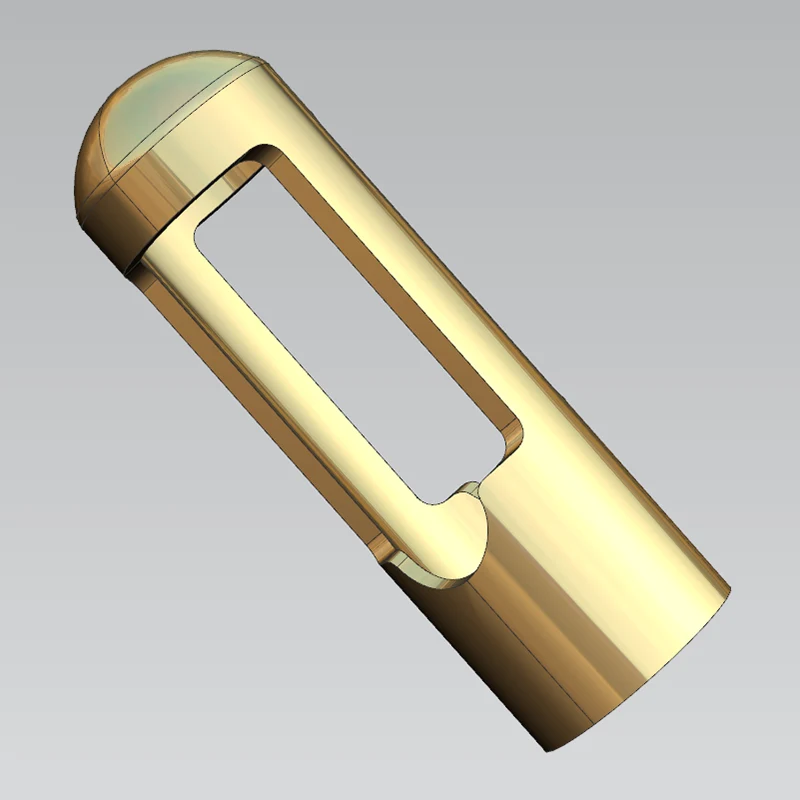
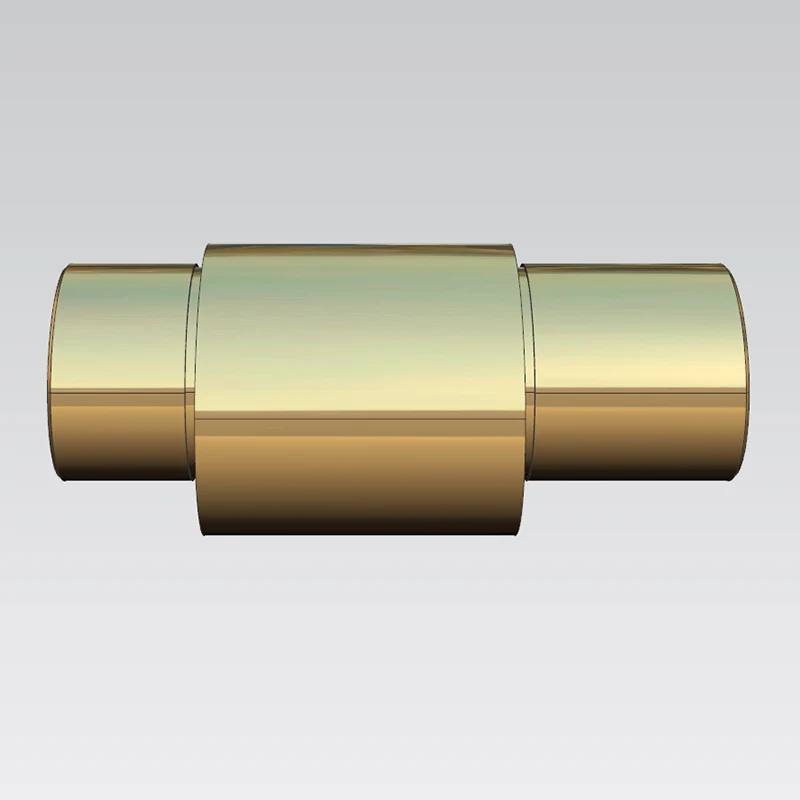
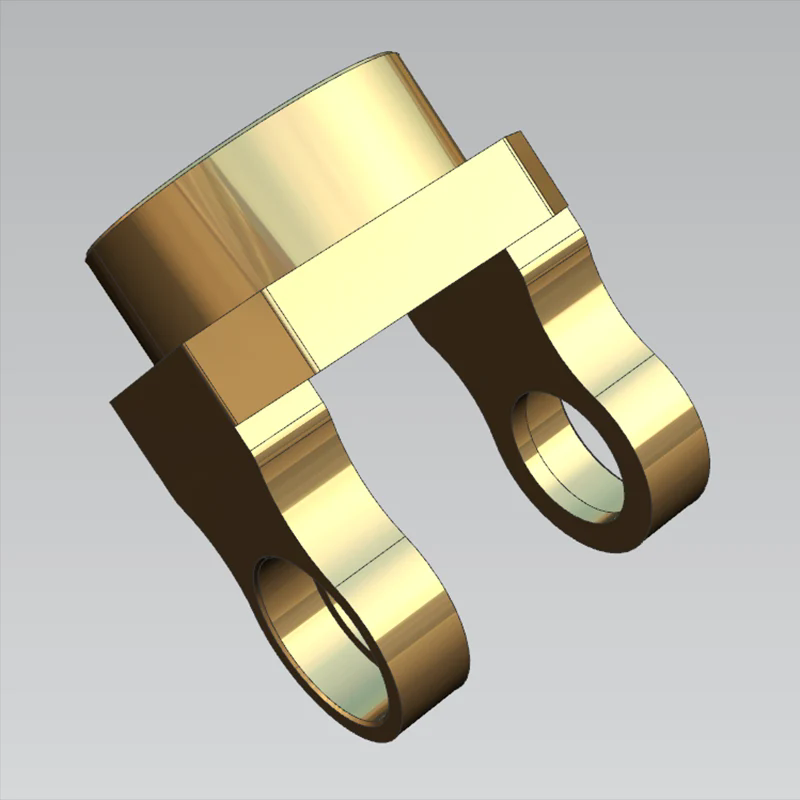
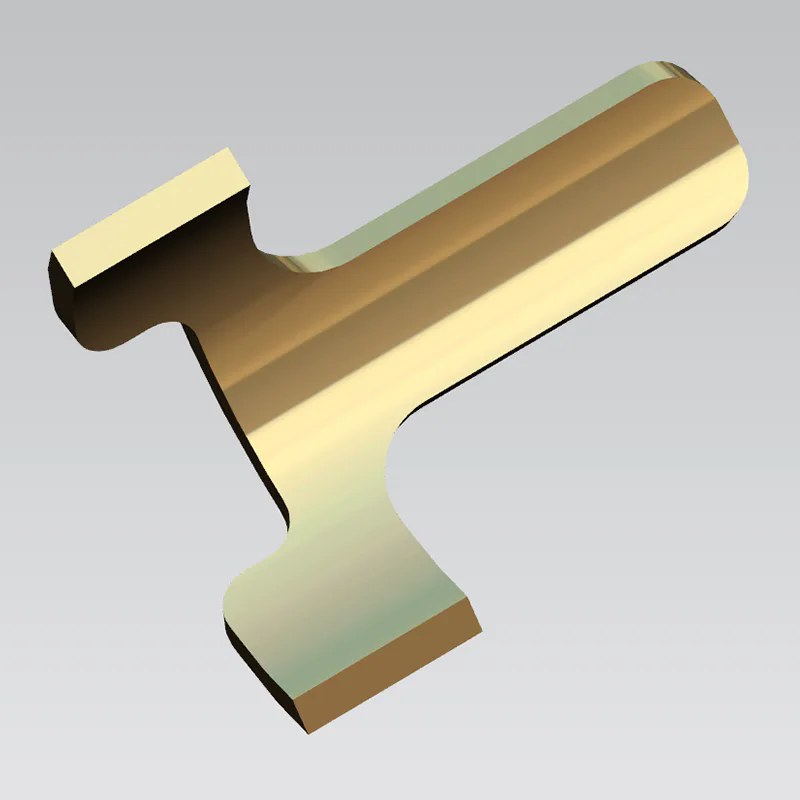
Sanluo Precision states that it handles complex and miniature components such as slender shafts, surgical tools, vascular and stent-related parts, grinding heads, and artificial-heart components. That experience is relevant, but it does not remove the need for a part-specific manufacturability review. Ask which features drive the proposed route and which tolerances may need a secondary operation.
Ask for a proposed inspection plan before accepting the quote if the part has critical dimensions or a high-risk application. The plan should identify what will be measured, with which equipment, at what sampling level, and in what condition. A dimensional inspection report is not the same as proof that every process or material requirement has been controlled.
Clarify whether the price includes a certificate of conformity, material certificates, dimensional reports, first-article inspection, process records, or test results. Define the format and acceptance criteria. If ISO 10993 testing, sterilization compatibility, cleanliness testing, or other biological and product-level evidence is required, state who owns that testing; a machining supplier may provide material and process documentation without being responsible for the finished device certification.
For a Class III project, ask how production lots, raw material heats, operators or equipment, inspection results, and nonconforming material are linked in the records. Discuss deviation approval, engineering changes, document revision control, and corrective-action handling before production. Sanluo’s website references design control, process validation, risk management, CAPA, YY/T 0287, FDA 21 CFR 820, and FDA- and CE-related certifications. Confirm current certificates, applicable sites, and the exact scope before treating any reference as project evidence.
Material choice affects tool wear, burr formation, heat management, dimensional stability, and cleaning. Stainless steel and titanium do not machine the same way. PEEK may require different clamping and finishing controls than a metal component, particularly where distortion, fiber contamination, or surface damage could affect function.
Identify the exact grade and condition, not just “titanium” or “stainless.” State whether passivation, electropolishing, anodizing, coating, polishing, deburring, or grinding is required, and identify the applicable specification or approved process. If the surface contacts tissue, blood, medication, or another component, explain the functional requirement and acceptance method.
Cleanliness instructions should cover residues, particles, oils, and handling controls where those factors matter. Packaging should state whether parts need individual bags, protective caps, trays, labels, lot separation, or controlled-environment packing. Delivery terms should include the destination, required documents with shipment, and whether staged releases are expected.
Send one organized package: controlled drawing, 3D model, bill of materials if applicable, material and finish specifications, quantity forecast, inspection requirements, packaging instructions, and delivery target. Add a short list of open questions rather than hiding assumptions in an email. Ask the supplier to return its proposed process route, exclusions, required clarifications, and documentation deliverables with the quote.
For a custom medical device CNC machining project, you can review Sanluo Precision’s medical device machining services and share the drawing package for a part-specific review. Its stated support covers one-piece orders through production quantities, but price, lead time, inspection scope, and regulatory documentation depend on the actual component and agreed requirements.
The best RFQ is not the longest one. It is the one that makes the controlling revision, critical features, material condition, acceptance evidence, and delivery responsibility impossible to misunderstand. That gives Sanluo—or any qualified custom medical device CNC machining supplier—enough information to quote the work you actually need.