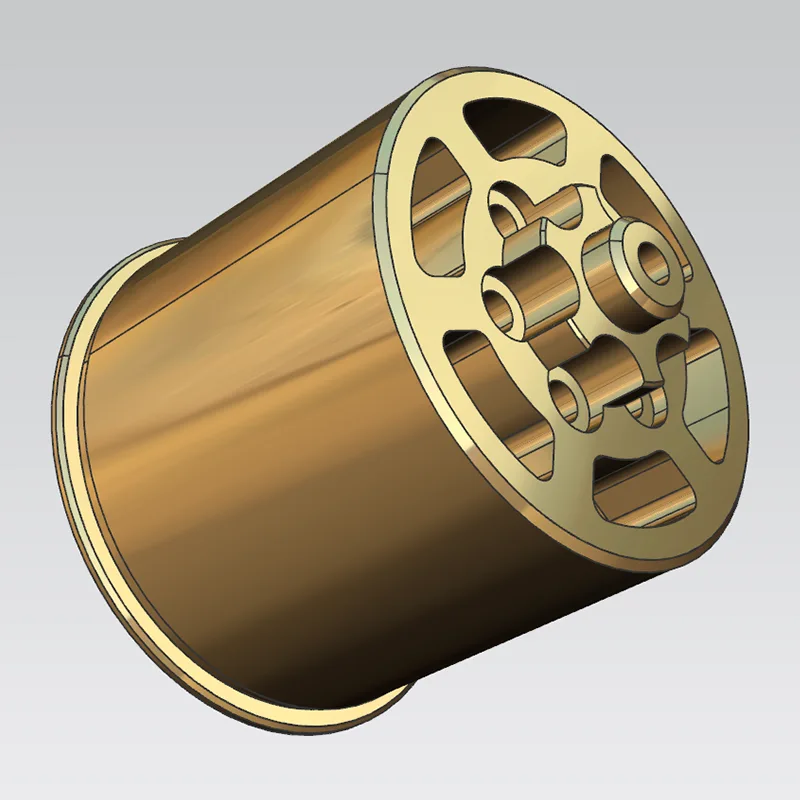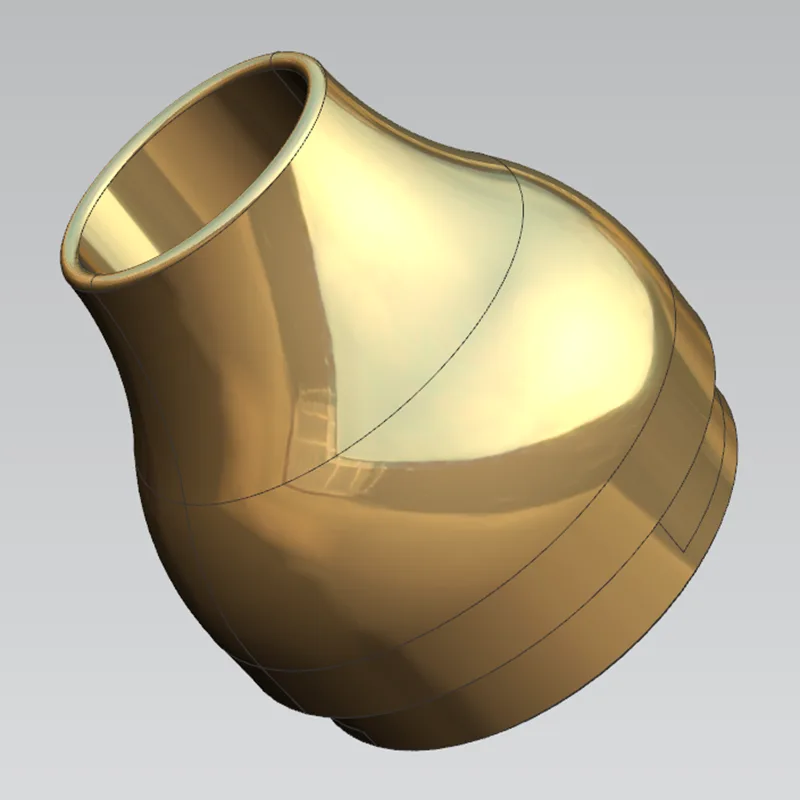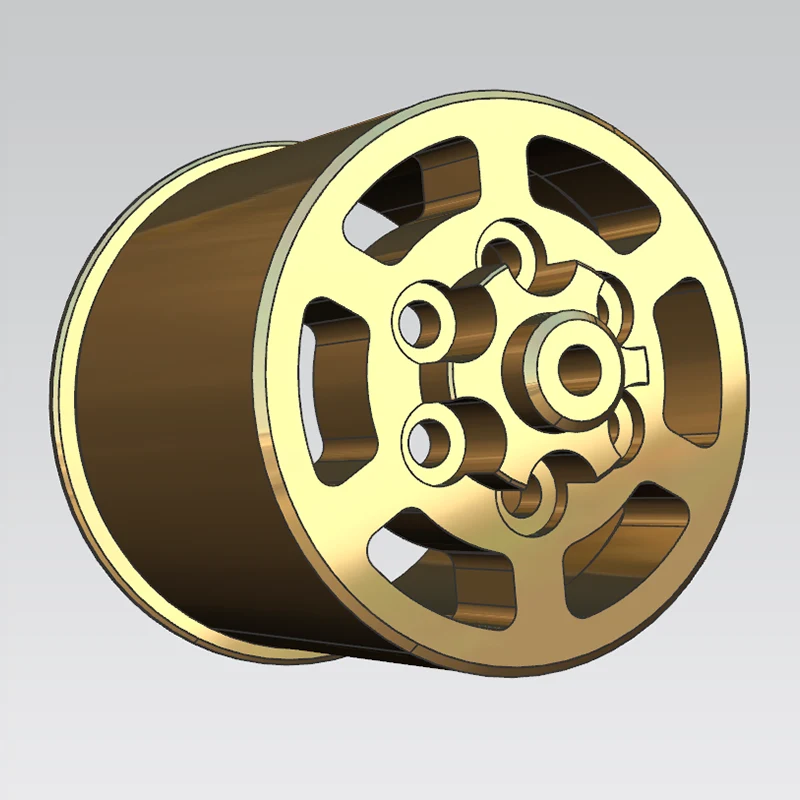

The absolute tolerance limit for cardiovascular and neural implants currently sits at ±1μm for dimensional accuracy, paired with surface roughness profiles as fine as Ra0.01μm.
If you exceed these boundaries, the implant fails. A vascular stent with a surface deviation of just a few microns alters local hemodynamics, creating shear stress that triggers thrombosis. A neural electrode with poor edge definition causes localized tissue inflammation, permanently degrading the electrical signal. Medical micromachining operates at a scale where mechanical defects become immediate biological hazards.
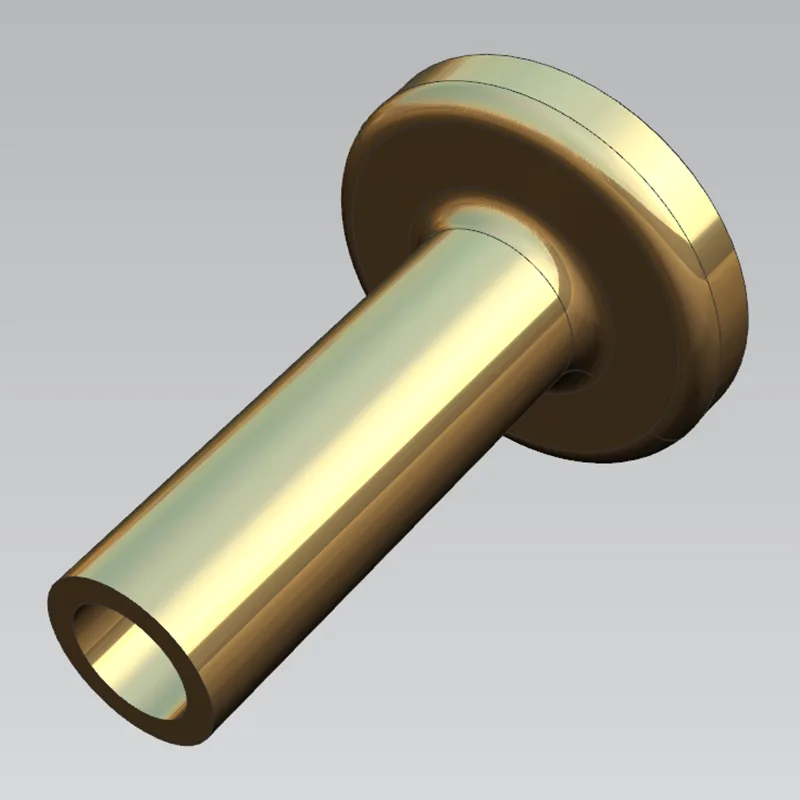
When specifying medical micromachining for implants, engineers frequently focus on material selection—usually implant-grade titanium or PEEK—while underestimating the interplay between dimensional tolerance and surface finish.
Holding a dimension to a single micron is only half the job. The surface must often reach Ra0.01μm. This ultra-smooth baseline is not cosmetic. In cardiovascular interventions, extreme smoothness prevents bacterial adhesion and minimizes friction against surrounding vascular walls. For artificial crystals implanted in the eye, optical clarity directly depends on sub-micron surface topography. Any tooling marks left on the crystal scatter light, causing visual artifacts for the patient.
Achieving this requires specialized Swiss CNC machining or single-point diamond turning rather than standard milling. Standard shop equipment vibrates. Spindle runout, thermal expansion, and even the vibration from a chiller unit fifty feet away will transfer into the workpiece. At the sub-micron level, these vibrations map directly onto the implant as visible surface defects.
You cannot machine what you cannot hold, and you cannot hold what you cannot measure. Sub-micron precision medical machining breaks standard manufacturing assumptions. Thermal expansion alone will consume a 1-micron tolerance if the ambient shop temperature shifts by a single degree.
Operating since 2007, Sanluo Precision relies on specific kinematic platforms like the Swiss Nano 7 and 160 series CNC centers to isolate the workpiece from mechanical stress.
Unlike conventional lathes, Swiss-type machines feed the bar stock through a guide bushing. The cutting tool engages the material just millimeters away from this support. This setup entirely eliminates deflection. When machining a cochlear electrode housing or a cardiovascular component measuring less than a millimeter in diameter, preventing deflection is the only way to hold a ±1μm tolerance.
These Swiss centers utilize high-frequency live tooling. This allows the machine to turn, mill, and drill complex micro-features in a single setup. Dropping a part to move it to another machine guarantees a loss of positional accuracy. By finishing the implant in one continuous operation, the dimensional baseline remains intact from the first cut to the final pass.
Sub-micron machining demands sub-micron inspection. Traditional coordinate measuring machines (CMMs) use touch probes that physically deform thin-walled implant structures. A ruby tip pressing against a 50-micron titanium wall bends the metal, returning false data.
Optical metrology replaces physical contact with light. Laser micrometers and white-light interferometry capture millions of data points, creating a digital twin of the machined implant. Because human operators cannot manually review point clouds of this density without slowing production to a halt, algorithmic defect detection steps in. AI metrology processes these high-resolution optical scans to identify surface anomalies that escape manual inspection. It verifies Ra0.01μm finishes and complex geometries instantly, ensuring every batch meets the exact specifications without introducing physical stress to the implant.
Geometry dictates the process. You do not use a Swiss lathe for a stent, and you do not use a mechanical cutter for a high-density neural array.
Mechanical cutting forces crush the thin struts of a vascular stent. Laser micro cutting for vascular stents replaces physical tools with focused light. Manufacturers utilize femtosecond lasers for this specific task.
This ultra-short pulse duration vaporizes the metal instantly. The material turns to plasma before heat can conduct into the surrounding titanium or nitinol. Preventing a heat-affected zone (HAZ) is critical. If the metal's grain structure changes due to excess heat, the stent loses its elasticity. It may fracture during balloon expansion inside the artery or fail under the cyclic loading of a beating heart. Femtosecond lasers cut cleanly through the tube wall, leaving edges that require minimal post-processing.
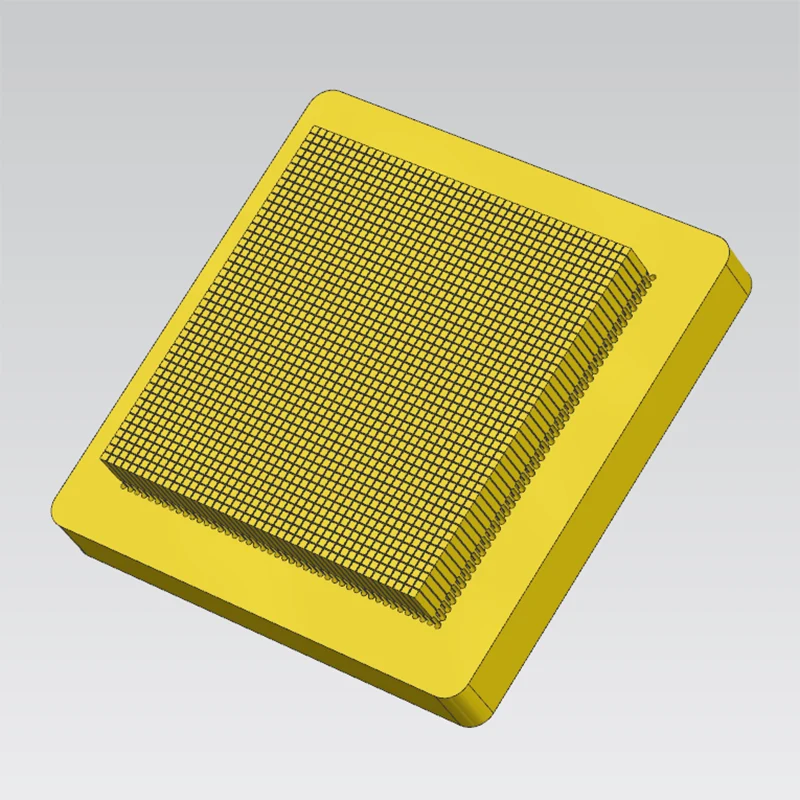
Neural applications require high-aspect-ratio microstructures. When mechanical tools cannot physically fit between features, LIGA technology takes over. LIGA—a German acronym for lithography, electroplating, and molding—builds structures up atom by atom or etches them away chemically.
It is the definitive method for creating the dense, ultra-fine wire matrices needed for neural electrodes and cochlear implants. In these devices, electrical isolation between channels is measured in nanometers. Mechanical machining leaves burrs. Even a microscopic burr on a neural electrode can bridge two channels, short-circuiting the device. LIGA eliminates mechanical cutting entirely, yielding perfect edge definition and ensuring clean signal transmission between the implant and the nervous system.
A perfectly machined titanium surface is highly reflective and mechanically smooth. Bone hates it. For orthopedic implants and certain neural anchors, long-term stability requires osseointegration. The surrounding bone must physically grow into the implant.
After the primary medical micromachining for implants is complete, specific zones of the surface must be intentionally roughened. We apply advanced bioactive surface treatments to transform the topography.
SLA (Sandblasted, Large grit, Acid-etched) creates a dual-layered texture. Sandblasting generates macro-roughness, followed by acid etching which introduces micro-pits. This exact texture mimics trabecular bone, tricking osteoblasts into attaching to the titanium.
Anodic oxidation alters the thickness of the titanium oxide layer. By controlling the voltage in an electrolyte bath, manufacturers grow a porous oxide layer that accelerates tissue integration. Plasma spraying takes a different approach, forcefully depositing heated hydroxyapatite powder onto the machined surface. Because hydroxyapatite is the primary mineral in human bone, the body recognizes the coating as native tissue, drastically reducing the rejection rate.
The tolerance limit for implant machining is firmly set at ±1μm, but this is only achievable under specific material and geometric conditions. Medical micromachining faces hard physical boundaries dictated by tool deflection, heat generation, and material behavior.
PEEK implant micromachining requires distinct, highly controlled strategies. The polymer dissipates heat poorly compared to metals. If feed rates are pushed too high, PEEK will melt, smearing across the cutting tool and ruining the finish. Because medical regulations strictly limit the types of liquid coolants allowed near implant-grade polymers—to prevent chemical contamination—much of this machining must be done dry or with specialized cold air blasts.
Implant-grade titanium presents the opposite problem. It work-hardens rapidly and aggressively wears cutting edges. As the micro-tool blunts, cutting forces spike. This increased pressure bends thin-walled parts away from the tool, instantly destroying the ±1μm tolerance. Frequent, scheduled tool changes are mandatory, which increases cycle times and production costs.
Geometry also limits the process. Deep blind holes with aspect ratios greater than 10:1 in titanium often result in broken tools and scrapped parts. Evacuating chips from a microscopic hole becomes physically impossible after a certain depth. If a neural housing requires a 50-micron hole that is a millimeter deep, you must abandon CNC entirely and pivot to micro-EDM (Electrical Discharge Machining).
Partnering with a specialized medical micromachining manufacturer early in the design phase prevents these exact failures. Designing for the realities of micro-tooling keeps production viable, controls costs, and ultimately keeps patients safe.