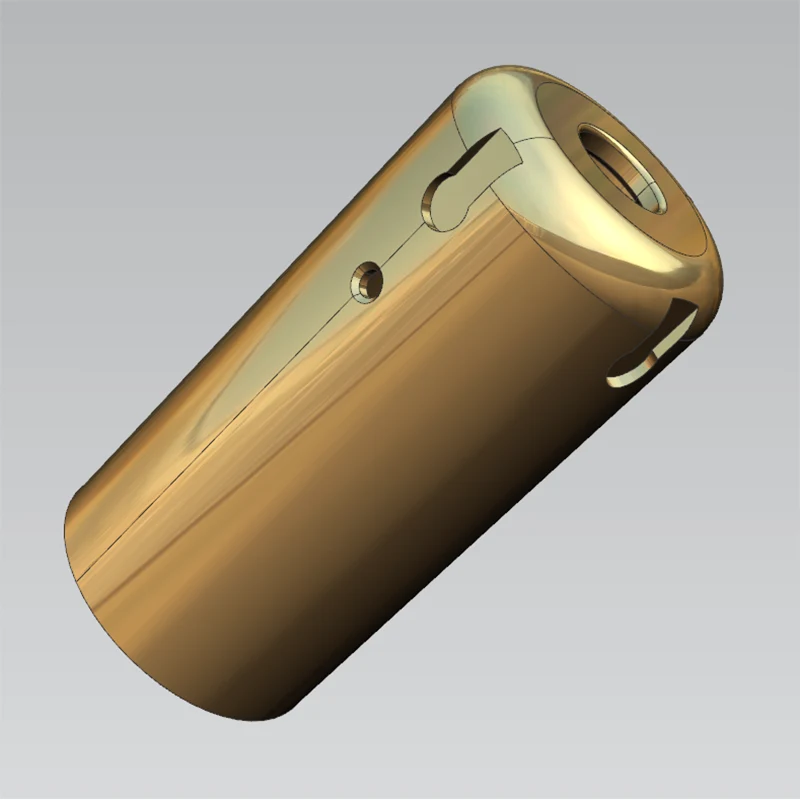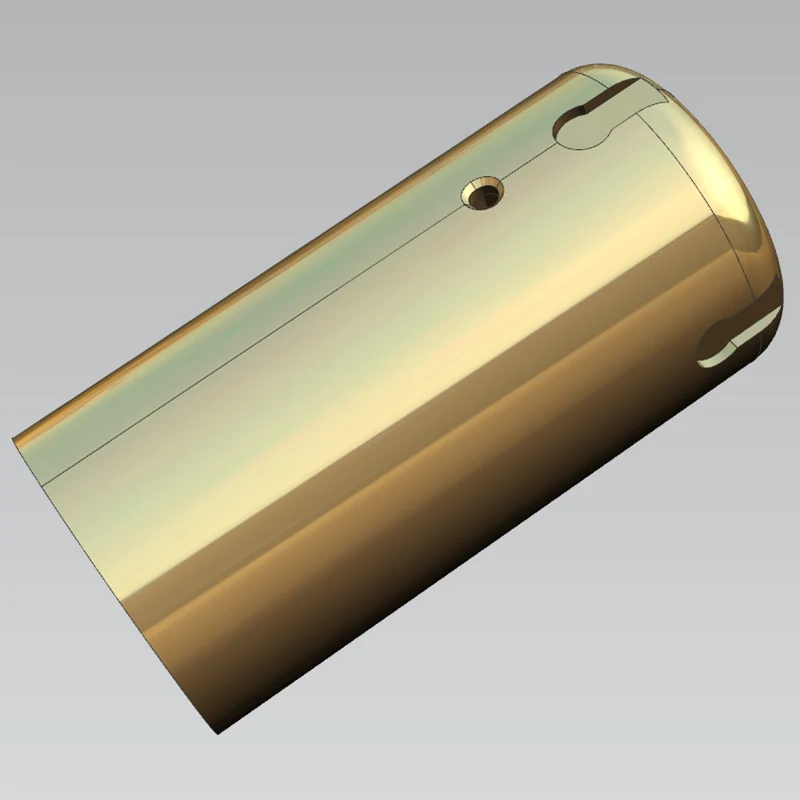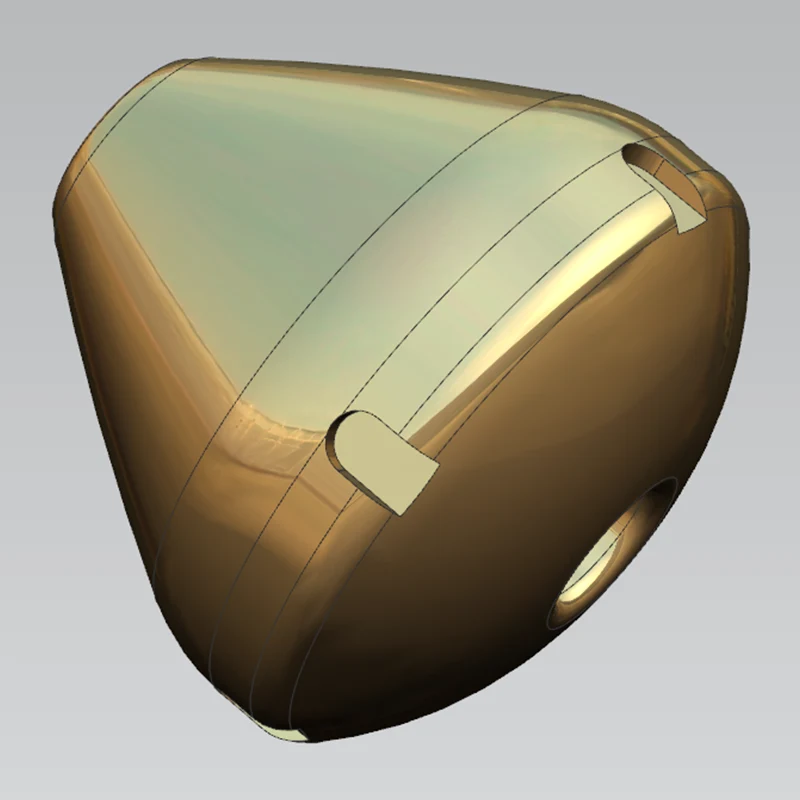

Article Summary: Super precision turning is revolutionizing the way manufacturers achieve high accuracy, tight tolerances, and consistent surface finishes in complex components. This article explores the process, its advantages, key considerations, applications, and FAQs, providing a comprehensive guide for businesses seeking enhanced machining solutions.
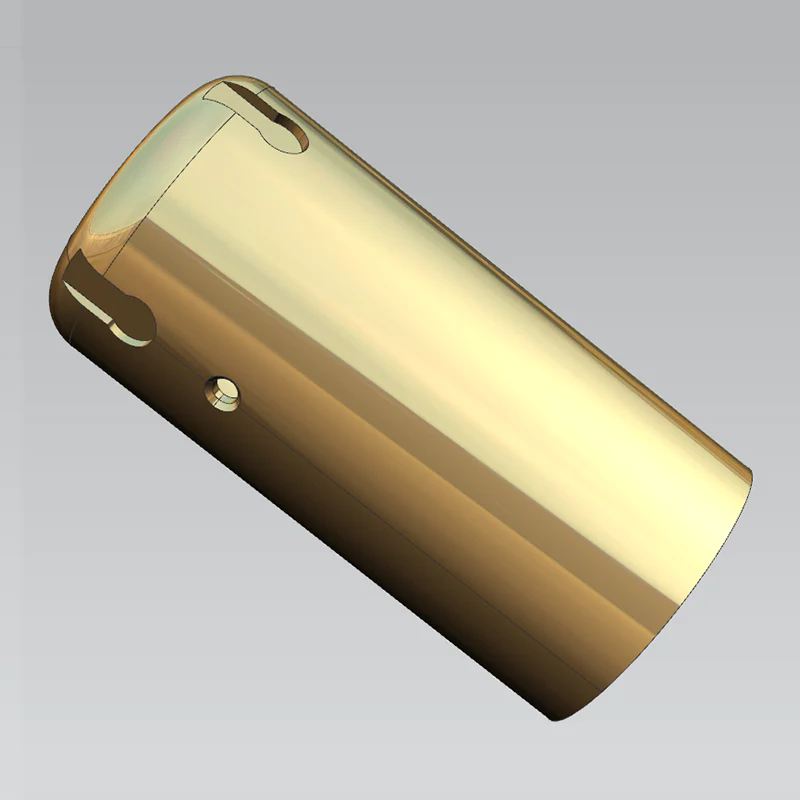
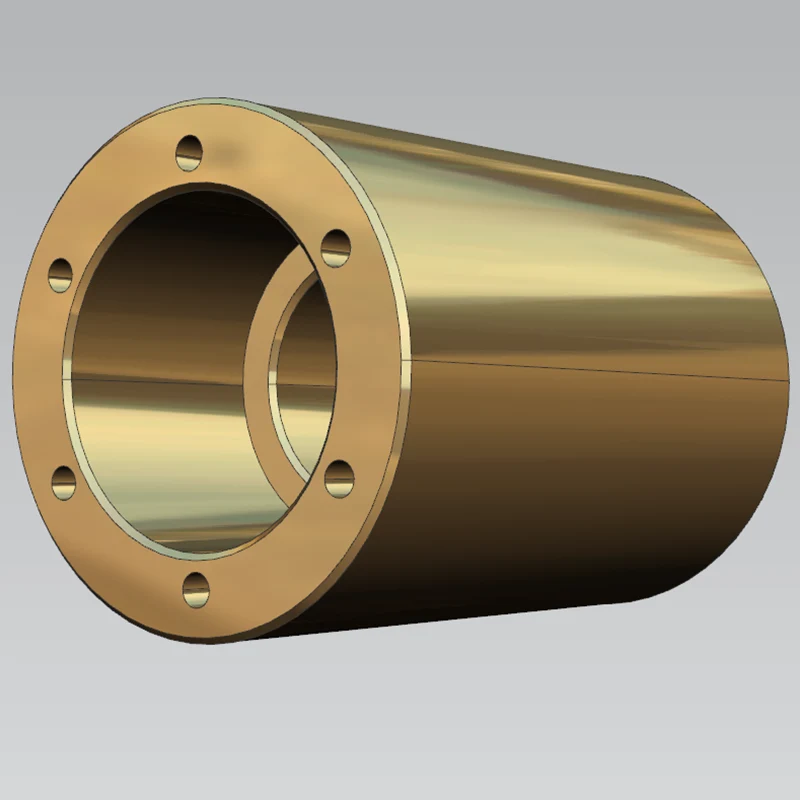
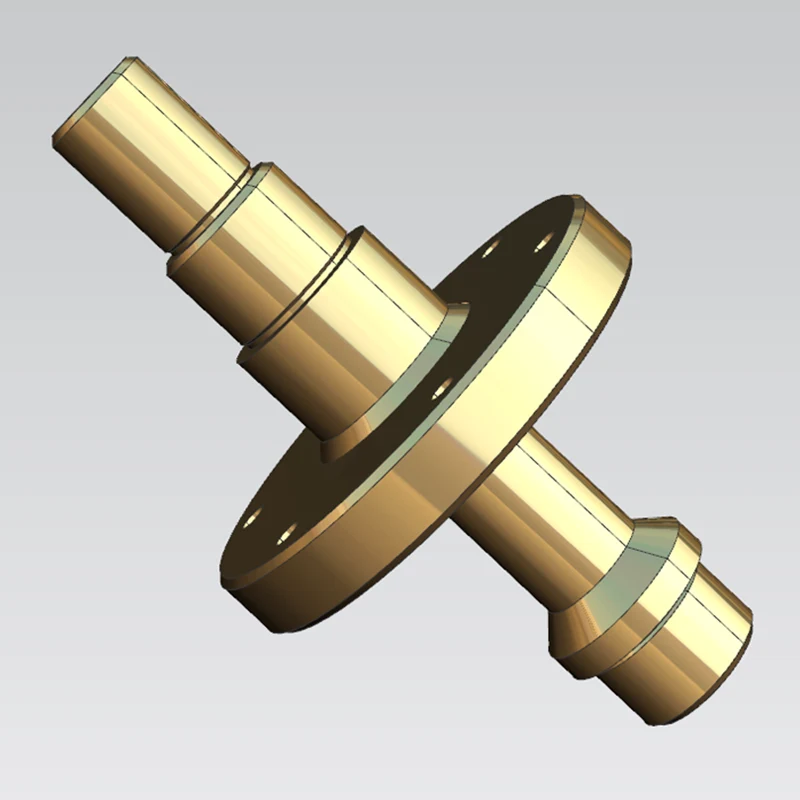
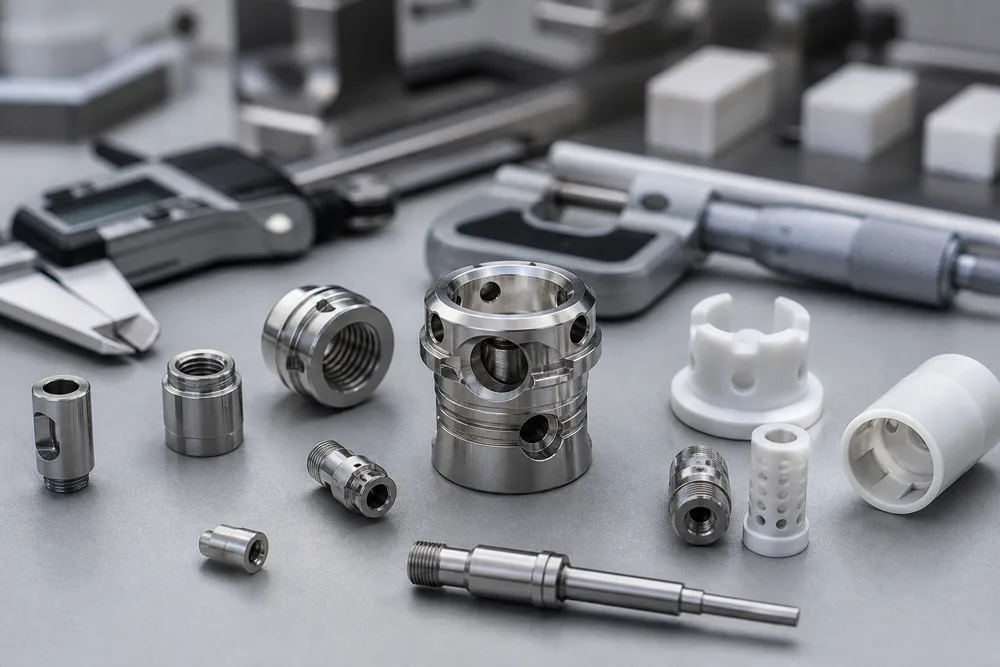
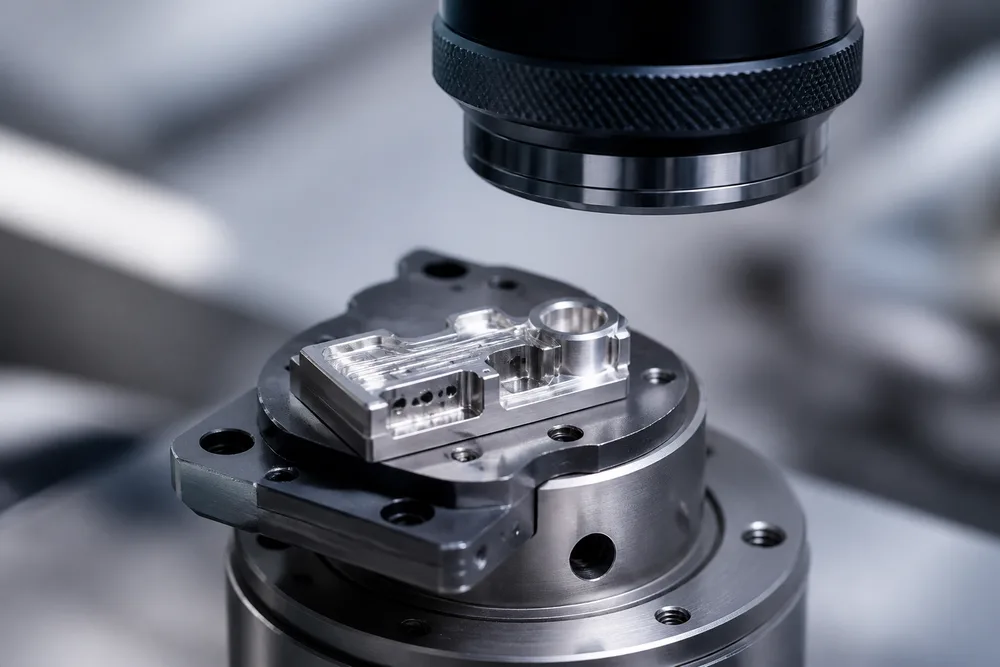
Super precision turning is a high-level machining process designed to achieve exceptional dimensional accuracy and superior surface quality. Unlike standard turning, this process utilizes advanced CNC lathes, specialized cutting tools, and precise control systems to produce components with tolerances often within microns. It is essential for industries where even minor deviations can impact product performance or safety.
The process typically involves:
Sanluo has integrated state-of-the-art super precision turning technology to deliver consistent, high-quality results for clients in automotive, aerospace, electronics, and medical device industries.
Choosing super precision turning can provide significant benefits over conventional machining methods. Here are the primary advantages:
| Advantage | Description |
|---|---|
| Extreme Accuracy | Machined components achieve tolerances as low as ±0.001 mm, ensuring high performance in sensitive applications. |
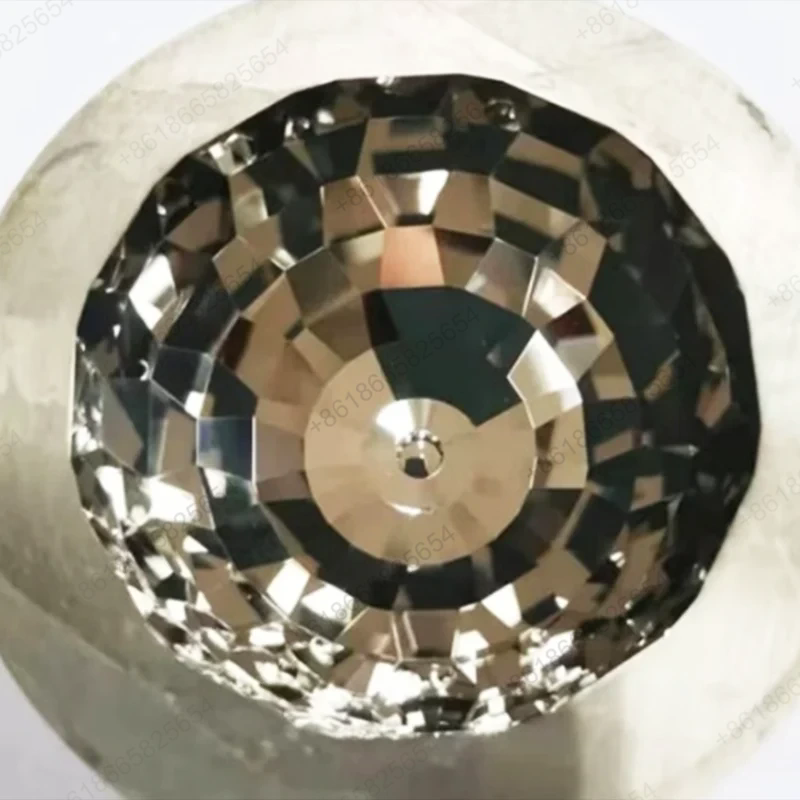
| Enhanced Surface Finish | High-quality finishes reduce friction, wear, and the need for post-processing. |
| Reduced Material Waste | Precision machining minimizes errors, lowering scrap rates and production costs. |
| Consistency | Reliable repeatability ensures every part meets exact specifications. |
| Faster Production Times | Optimized cutting parameters and automation accelerate turnaround without sacrificing quality. |
Achieving super precision requires careful attention to multiple factors. The main considerations include:
Super precision turning is widely applied in industries that demand the highest accuracy and quality. Common applications include:
Sanluo leverages advanced super precision turning technology to meet stringent industry standards and client expectations in these fields.
Understanding the difference helps manufacturers choose the right process for their needs.
| Feature | Super Precision Turning | Conventional Turning |
|---|---|---|
| Accuracy | ±0.001 mm | ±0.01 mm |
| Surface Finish | Mirror-like, smooth | Moderate to rough |
| Tool Wear | Minimal due to advanced materials | Higher, frequent replacements needed |
| Cost Efficiency | Lower scrap, higher precision reduces rework | Higher due to more rejects |
Super precision turning is transforming manufacturing by enabling exceptional accuracy, improved surface finishes, and enhanced consistency across complex components. Businesses in aerospace, automotive, electronics, and medical fields benefit from these advancements by achieving higher product quality, reducing waste, and accelerating production times.
Sanluo is dedicated to providing world-class super precision turning services, combining cutting-edge technology with expert craftsmanship. For any inquiries, custom solutions, or further details, please contact us today and discover how we can elevate your manufacturing capabilities.