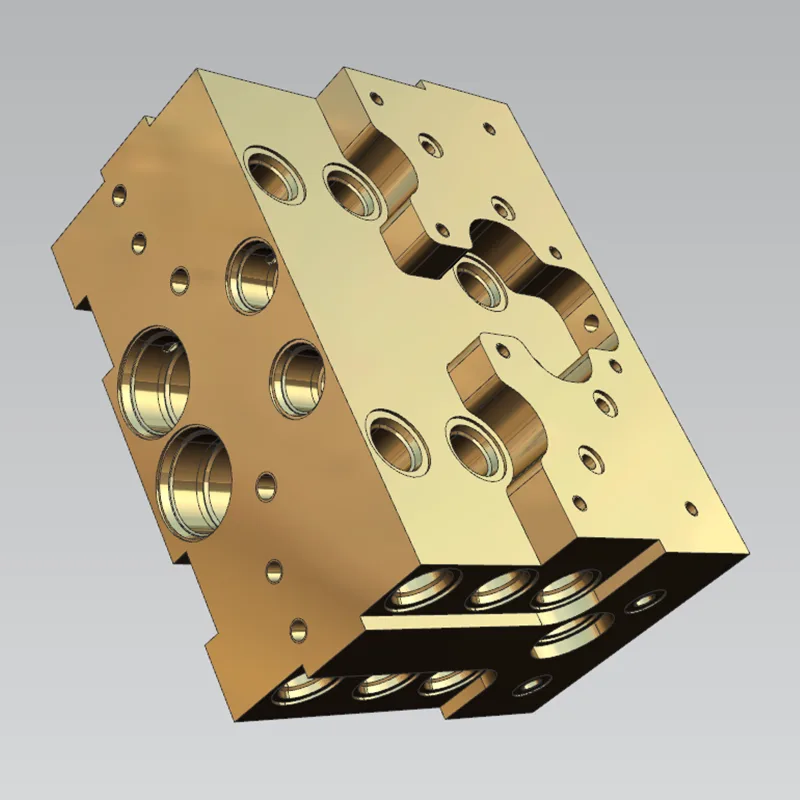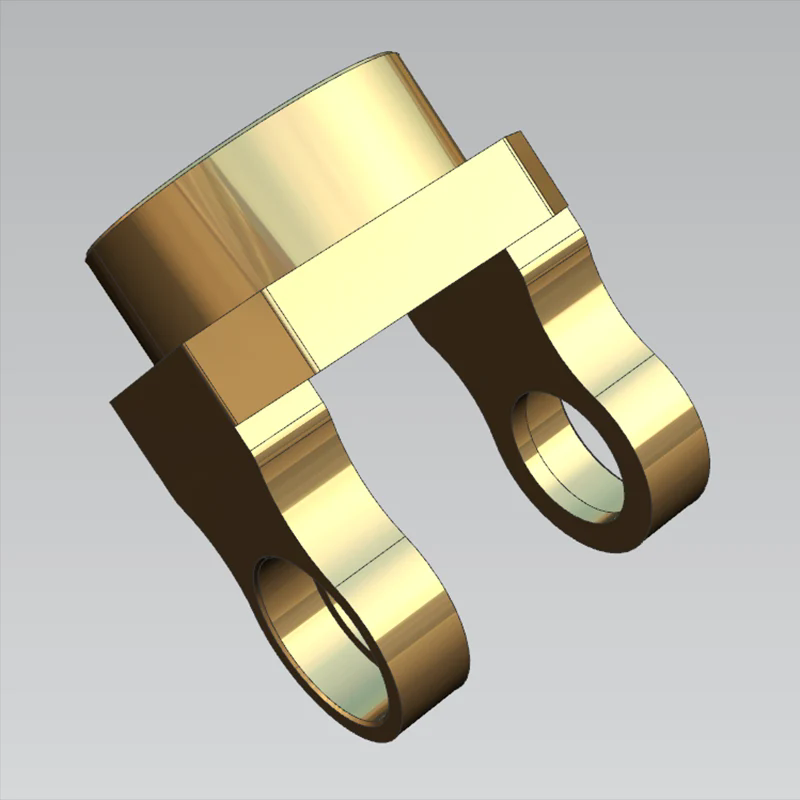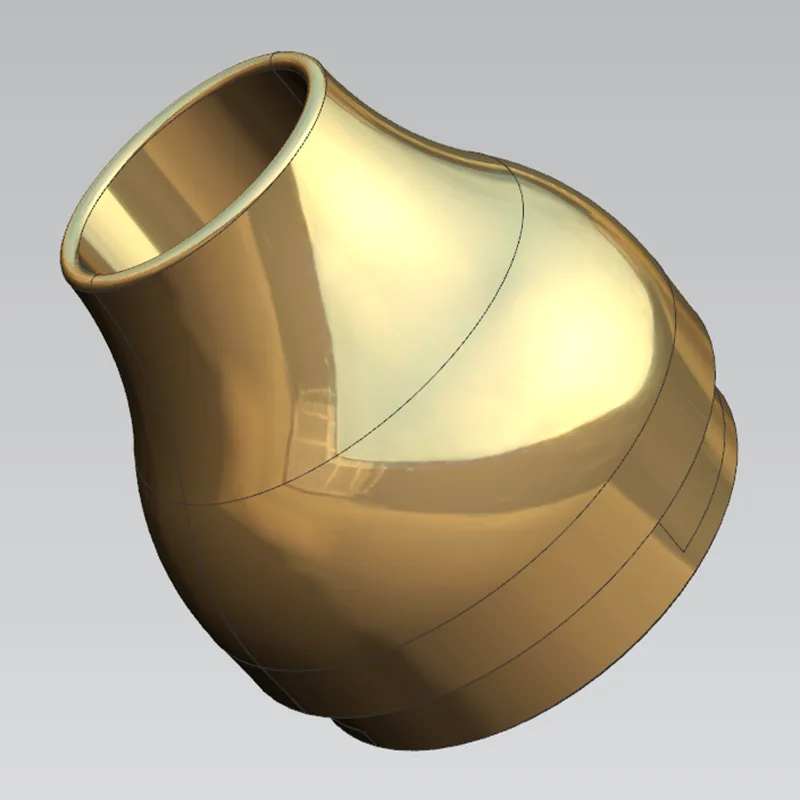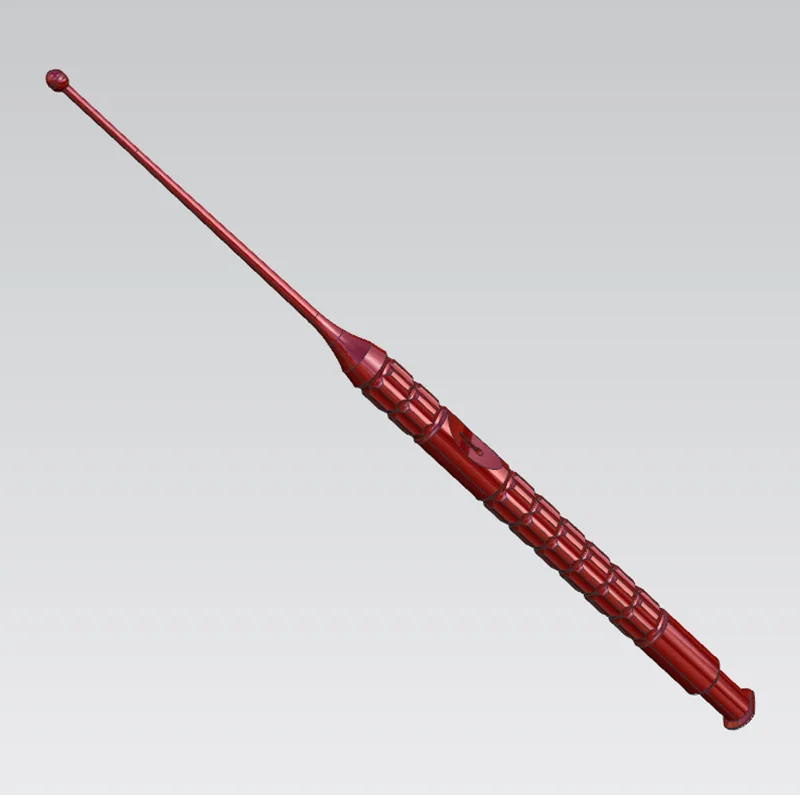

As the global aviation sector pivots toward carbon neutrality, Aerospace CNC Machining in China has evolved beyond simple subtraction. In 2026, the focus is on lightweighting and the integration of smart manufacturing protocols. Sanluo Precision stands at the forefront of this transition, offering specialized aerospace CNC machining services that utilize real-time AI quoting to shorten lead times by up to 40% compared to traditional procurement cycles.
The gap between design conceptualization and flight-ready hardware is closing through AI-driven interfaces. By integrating cloud-based quoting algorithms, engineers can now receive instant feedback on the machinability of new-age sustainable materials. Whether it is bio-derived composites or high-performance aluminum-lithium alloys, the digital twin of the CNC process identifies potential stress points before a single chip is cut. This proactive compliance ensures that every component meets the rigorous AS9100 Rev D standards essential for the global market.
Sanluo Precision has pioneered the Aerospace CNC Machining Intelligent Control Protocol™. This proprietary system leverages high-frequency vibration sensors and thermal compensation algorithms to maintain stability during long-cycle machining of large-scale aerospace structures. Unlike standard milling, this protocol adjusts spindle speeds and feed rates in milliseconds based on tool-wear diagnostics, ensuring that the Aerospace CNC Machining process achieves a zero-defect rate for critical control system parts.

Precision manufacturing is only half the battle; the assembly and sealing of components for pressurized environments are equally vital.
Ensure all raw stock is ultrasonically inspected for internal voids. During the initial roughing phase, maintain a precise offset calibration to allow for thermal expansion during the high-speed finishing passes.
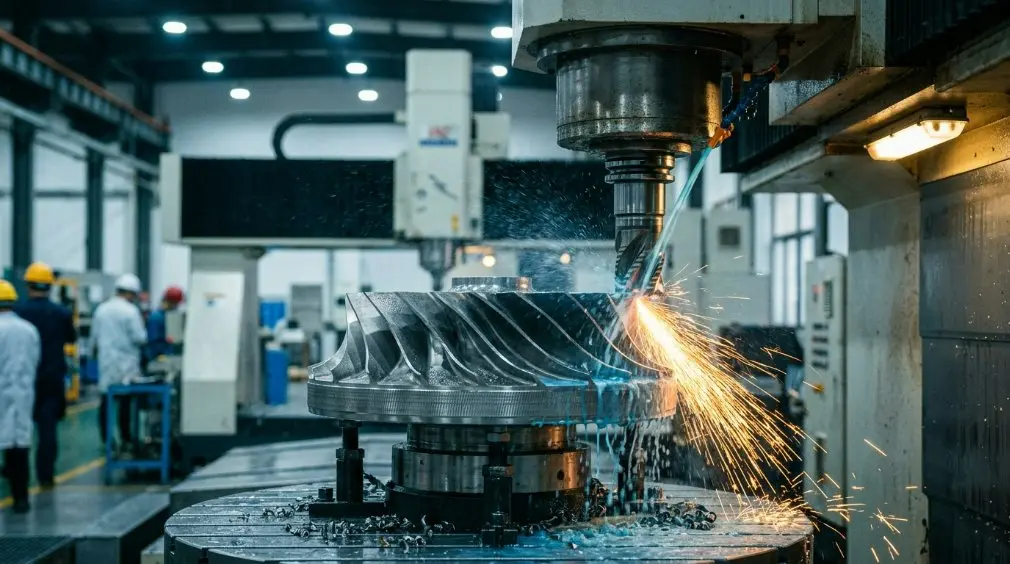
Using 5-axis simultaneous movement, execute complex geometries. Monitor the physical wattage load of the spindle to ensure consistent torque, preventing micro-fractures in high-tempered alloys common in aerospace structure components.
For electronic control enclosures, apply aerospace-grade RTV sealants. The machining of the mating surfaces must achieve a flatness tolerance of less than 0.005mm to guarantee the IP68 rating required for high-altitude atmospheric moisture protection.
Every part undergoes a rigorous inspection protocol against China's National GB Quality Codes. This includes non-destructive testing (NDT) and coordinate measuring machine (CMM) verification to ensure total compliance with 3C safety standards for civil aviation.
| Feature | Standard Factory Lighting | RGBIC Diagnostic Lighting |
|---|---|---|
| Visual Feedback | Static illumination only | Dynamic color-coded status alerts |
| Diagnostic Accuracy | Requires manual console check | Real-time machine health visualization |
| Energy Efficiency | Moderate | High (Smart-dimming integration) |
| Application | General workshop areas | Critical CNC machining workcells |
To ensure the stability of the Aerospace CNC Machining equipment, engineers must calculate the total power load based on the duty cycle and spindle peak wattage. Use the following formula for factory electrical planning:
P_total = (P_spindle * K_usage) + (P_servos * N_axis) + P_auxiliary
Where:
- P_total: Total Kilowatts required
- P_spindle: Spindle motor rated power
- K_usage: Load factor (typically 0.8 for aerospace finishing)
- N_axis: Number of simultaneous axes (e.g., 5)
- P_auxiliary: Coolant pumps and chip conveyors
For modern sustainable materials like recycled titanium, standard tolerances are typically held within +/- 0.002mm. Sanluo Precision adheres to OEM specifications that demand strict surface roughness (Ra) values of 0.4 or lower to ensure fatigue resistance in flight-critical parts.
While aerospace manufacturing is industrial, modern smart factory systems use IoT gateways compatible with protocols like MQTT. This allows factory managers to monitor production status via mobile ecosystems like Xiaomi Mijia or Apple HomeKit, receiving alerts if a machine requires maintenance or if a job is complete.
Safety is governed by the GB/T 15706 standard. All aerospace CNC machining systems must include redundant emergency stop circuits and isolated power supplies with surge protection rated for at least 1.5 times the maximum theoretical draw to prevent catastrophic failure during high-load operations.
As a top-tier professional manufacturer, we deliver direct factory-price solutions for dynamic scaling, engineering projects, and custom systems globally.
Visit Official Website →