Sanluo Precision is a Chinese manufacturing company specializing in precision machining. We primarily provide machining services for custom precision components, leveraging the ultra-precision machining capabilities of our own facilities to deliver tailored solutions to clients worldwide. We are equipped to handle the customization of complex and challenging parts.
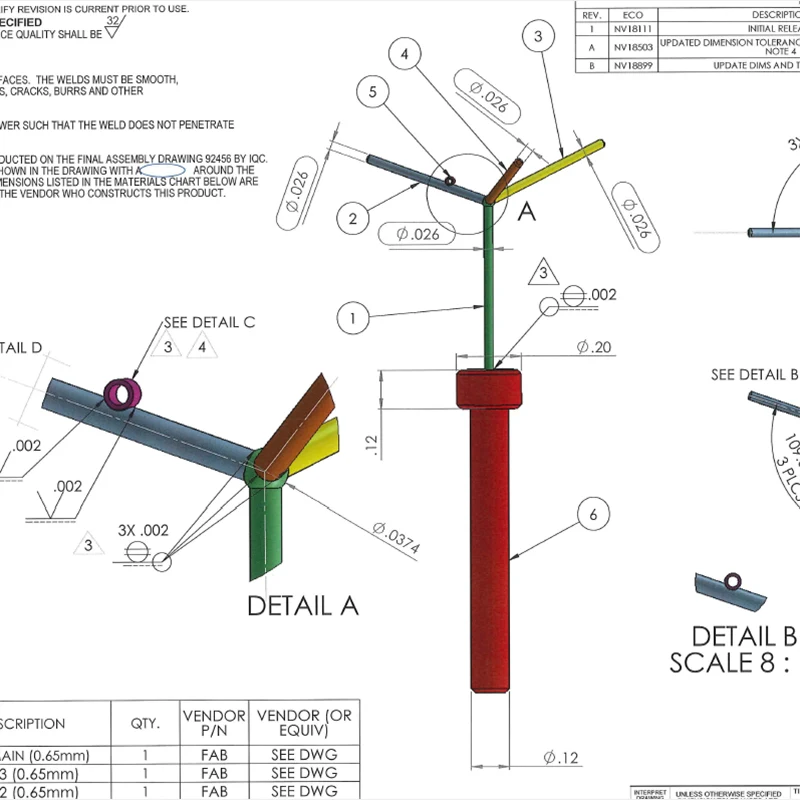
The company's machining technologies encompass precision turning, milling, grinding, boring, drilling, and more, finding extensive application in fields such as aerospace, precision instrumentation, medical equipment, optical instruments, and semiconductor devices. Our machining achieves accuracy levels exceeding IT1 grade, with dimensional tolerances as tight as 0.001 mm and surface roughness as low as Ra 0.1 μm. Such high-precision machining demands significantly higher standards—compared to standard machining—regarding equipment accuracy, environmental conditions, process control, and inspection capabilities.
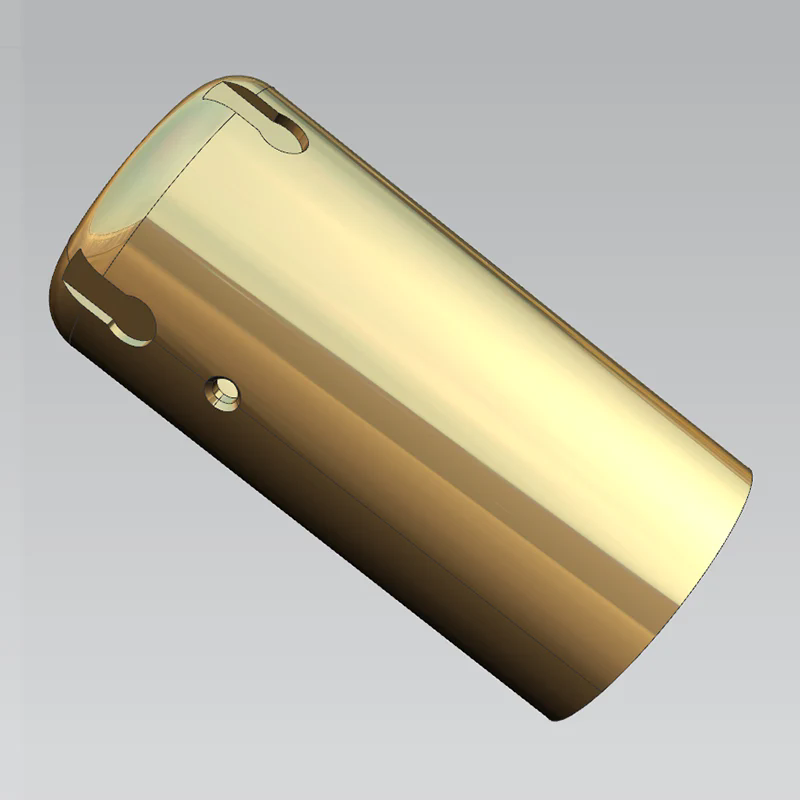
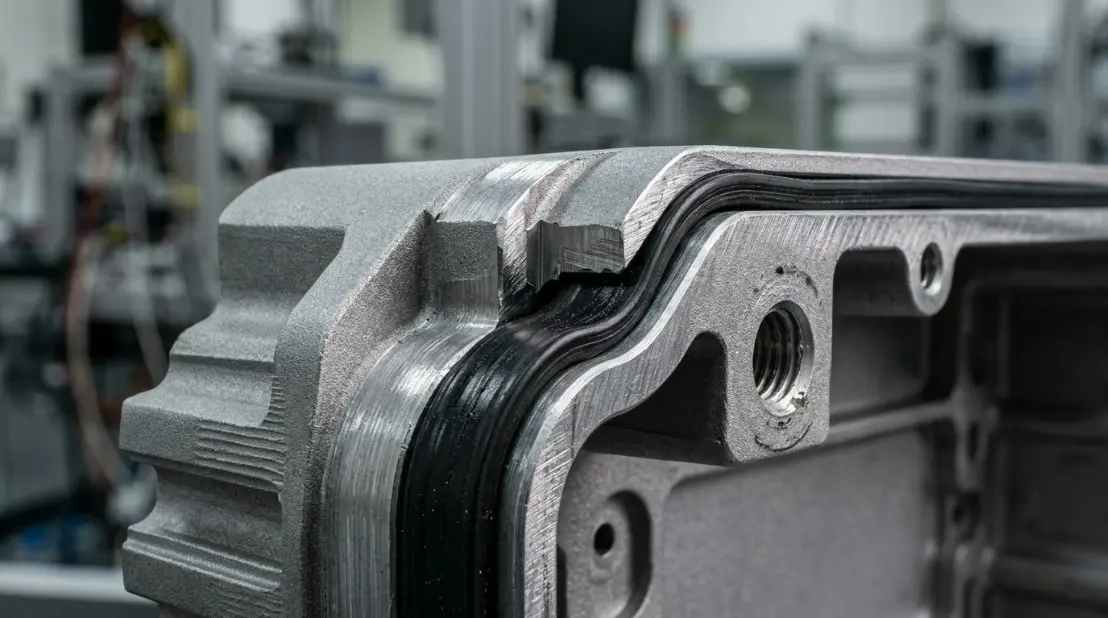
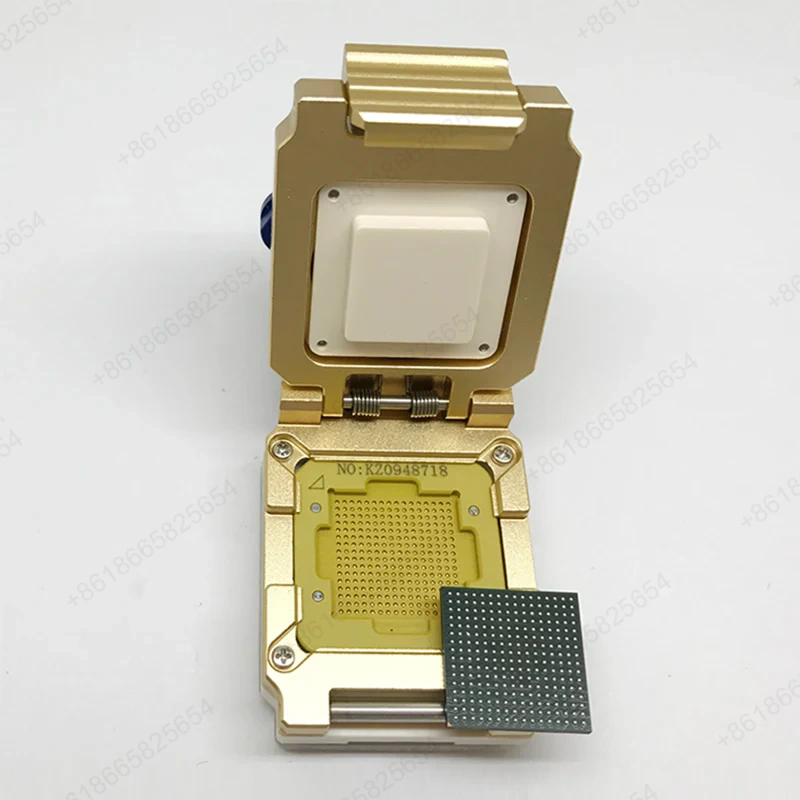
Sanluo Precision is deeply rooted in the fields of high-precision and ultra-high-precision machining. Our business encompasses a comprehensive range of categories, including precision metal parts, precision CNC machining, precision ceramic machining, precision turning, precision machined components, and extreme machining. Backed by robust technical expertise, our services cater to numerous high-end sectors, such as aerospace, medical devices, semiconductors, and optics/optoelectronics.
The precision of our machining capabilities ranks among the industry's leaders. For precision metal parts, we achieve machining accuracies of up to 0.001 mm with surface roughness within Ra 0.2 μm, utilizing various processes—such as CNC turning, form grinding, and wire cutting—to meet diverse precision requirements. For precision ceramics, we attain machining accuracies of ±0.0001 mm with surface roughness of Ra 0.02 μm; by employing both subtractive and additive manufacturing methods, we provide solutions suitable for applications such as mechanical seals and biomedical implants. Our precision turning and ultra-precision turning capabilities achieve dimensional accuracies within ±0.002 mm—with micro-scale turning reaching sub-micron levels—enabling us to manufacture a wide variety of complex rotational parts through methods ranging from standard turning to hard turning.
Furthermore, the company offers specialized services for precision-machined components, high-tolerance parts, and ultra-high-precision and extreme-precision machining. Our extreme precision capabilities reach the micro-nanometer scale, with surface roughness as low as Ra 0.1 nm or less, thereby meeting the exacting demands of cutting-edge sectors such as advanced optics and semiconductor chips. Our company is equipped with a comprehensive range of ultra-precision machining equipment and has established a rigorous system for process control and quality inspection. Supported by a professional team of engineers and quality inspectors, we offer end-to-end services—from process design and manufacturing to final inspection and shipment. Furthermore, we specialize in the customized machining of complex and challenging components, precisely meeting the highly demanding and unique machining requirements of various industries to help our clients achieve technological breakthroughs.
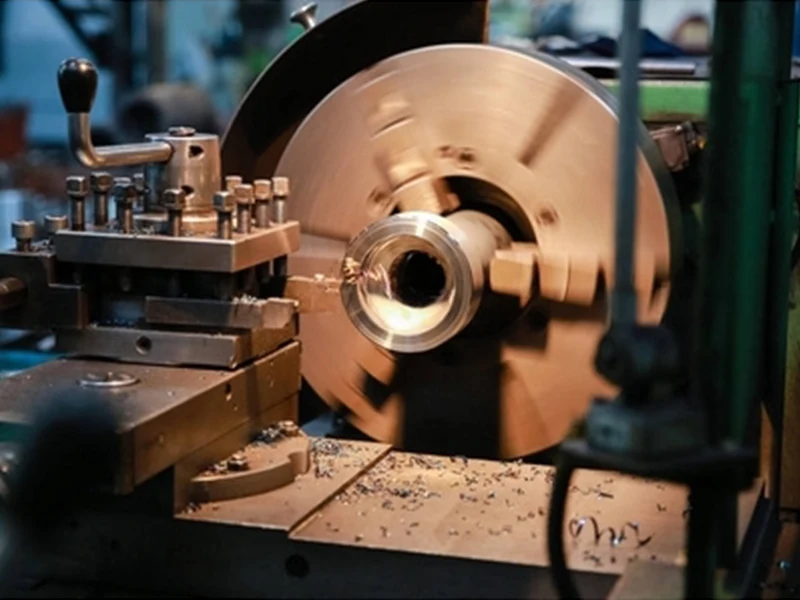
To evaluate whether a Chinese precision machining company is a worthy long-term partner, one must first assess whether its equipment and operating environment are capable of meeting the required levels of precision and quality. In the realm of precision turning, Sanluo Precision utilizes Swiss Schaublin precision lathes and Japanese Mori Seiki NLX precision turning centers. These machines feature spindle radial runout of less than 0.001 mm and positioning accuracy of approximately ±0.001 mm, enabling the stable machining of IT6-grade shaft components with a roundness tolerance controlled within 0.002 mm.
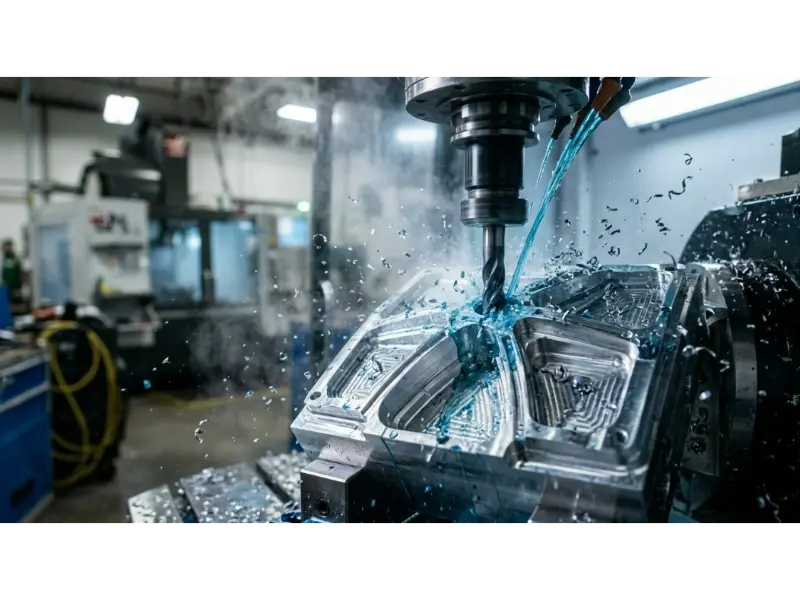
For precision milling, we are equipped with Swiss Mikron high-speed machining centers and German DMG MORI 5-axis machining centers. With spindle speeds reaching up to 42,000 rpm, these machines are ideally suited for processing complex curved surfaces and multi-faceted monolithic components, serving as critical assets in our precision CNC machining operations. For precision grinding, we employ Studer external cylindrical grinders, TOYODA internal cylindrical grinders, and JUNG surface grinders; these machines achieve grinding accuracies up to IT1 grade, with surface roughness controlled within the Ra 0.1–0.2 μm range. To ensure consistent processing capabilities, our facility features a 5,000 m² climate-controlled workshop maintained at a constant temperature of 20 ± 0.5°C and a relative humidity of 50 ± 5%, thereby significantly minimizing the impact of environmental fluctuations on dimensional stability.
At the micron level of precision, process control capability is the primary determinant of whether a precision machining operation is truly reliable. Sanluo Precision employs a comprehensive, integrated approach to control machining errors—combining sophisticated equipment, high-quality cutting tools, scientifically designed fixturing methods, optimized cutting parameters, and specialized heat treatment processes. We utilize high-precision coated cutting tools with a runout typically not exceeding 0.002 mm. Carbide tools are employed for machining steel components, PCD tools for non-ferrous metals, and CBN tools for hardened steels. Prior to use, all tools undergo measurement—covering length, diameter, and runout—using a tool presetter with a measurement accuracy of ±0.001 mm; this approach effectively minimizes tool mounting errors at the source. The company has established a comprehensive database covering various materials and machine tools, comprising over 3,000 parameter sets; furthermore, we employ Constant Surface Speed (CSS) control to ensure consistent surface quality across all parts. Regarding workholding, our high-precision fixtures offer a positioning accuracy of ±0.001 mm. For thin-walled and ring-shaped components, we utilize vacuum chucks, magnetic chucks, and hydraulic fixtures to minimize clamping-induced deformation.
Prior to and following rough machining, materials undergo specific pretreatment and stress-relief annealing processes. This ensures that, during the final finishing stage, all components meet the stringent tolerance requirements associated with "tight tolerance machining," thereby enabling the consistent, high-volume supply of high-end precision-machined products.
When clients in high-end sectors—such as aerospace, defense, medical devices, and semiconductors—select a precision machining manufacturer, inspection and traceability capabilities are among their key considerations. Sanluo Precision is equipped with a ZEISS Coordinate Measuring Machine (CMM) featuring a measurement range of approximately 1000 × 1200 × 800 mm and an accuracy of ±0.001 mm. This system can be configured with both tactile probes and laser scanning heads to conduct comprehensive inspections of complex and free-form surfaces. Additionally, we utilize a Hexagon articulated arm measuring machine for large-scale or on-site measurements, offering an accuracy of approximately ±0.002 mm.
For surface and profile inspection, the company employs Mahr roughness and contour measuring instruments (covering a range of Ra 0.01–40 μm), toolmaker's microscopes, and laser interferometers. These tools enable comprehensive control over surface roughness, geometric profiles, and machine tool geometry accuracy, providing the essential data foundation for the long-term, stable production of precision CNC-machined parts. To guarantee measurement accuracy, our facility features a climate-controlled inspection room maintained at a constant temperature of 20°C (with a temperature deviation of no more than ±0.2°C), as well as Grade 00 granite surface plates.
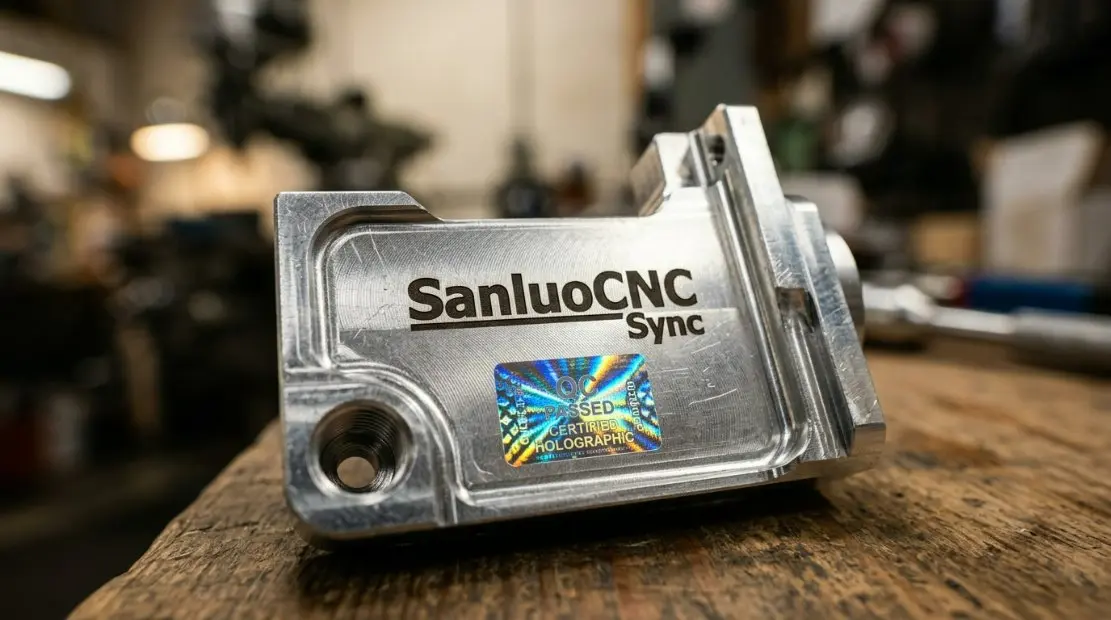
A robust quality traceability system ensures that every batch of precision-machined components is accompanied by comprehensive process records, inspection data, and accountability information. This capability satisfies the stringent requirements for full lifecycle traceability demanded by industries such as aerospace, critical optical communication components, medical implants, and semiconductor equipment precision parts—thereby demonstrating the professional standards and long-term partnership value expected of a leading Chinese manufacturer and supplier of precision machining services.