
qualify medical-grade components through documented factory capability and drawing- and risk-defined controls
“Medical-grade” isn’t a universal tolerance class or a blanket material approval. A capable supplier must be able to machine the specified alloy or polymer, control the features that affect device performance, and connect the finished lot to material, inspection, nonconformance, and release records.
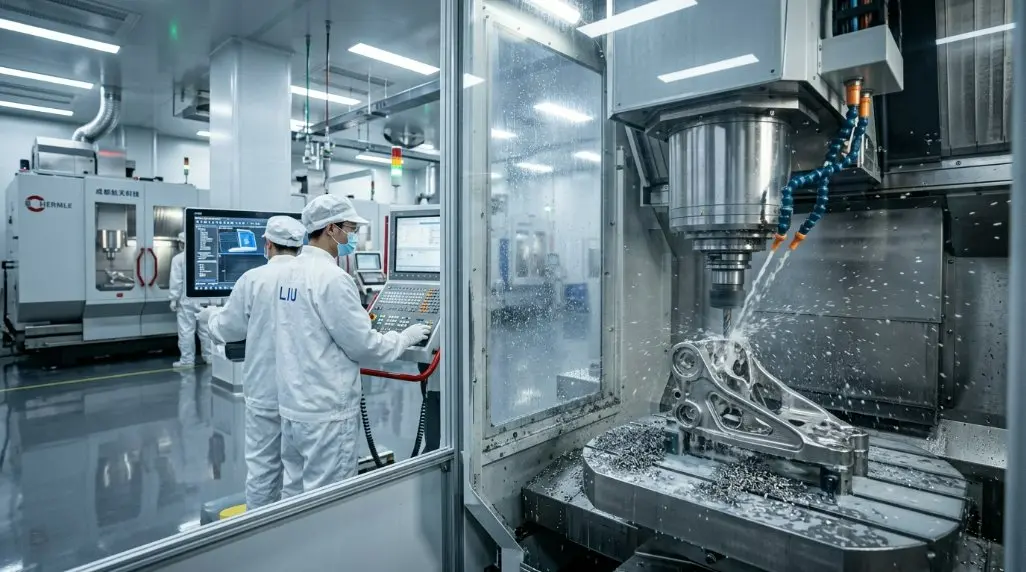
Sanluo Precision manufactures custom medical-grade CNC components in China using CNC machining, micro-machining, Swiss turning, EDM, and grinding. The company has operated since 2007 and reports nearly 8,000 square meters of factory space, more than 230 staff, and over 130 machines. One-piece orders are supported, but the correct production route still depends on the drawing, material, geometry, quantity, and inspection plan.
The point isn’t to demand the tightest possible tolerance everywhere. It’s to identify the dimensions, surfaces, edges, and records that protect the device from actual failure modes—and control those requirements consistently.
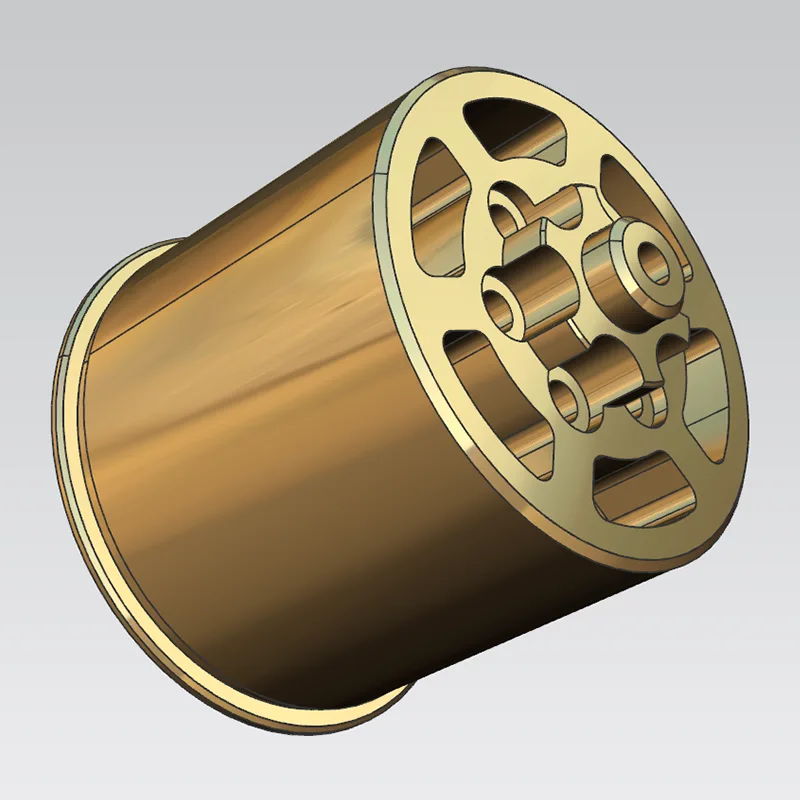
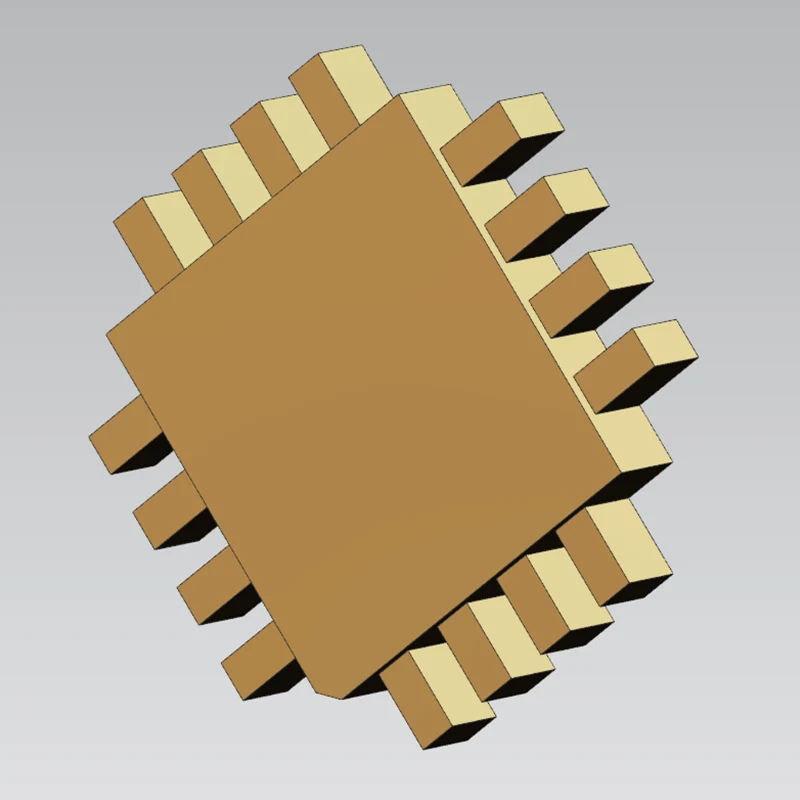
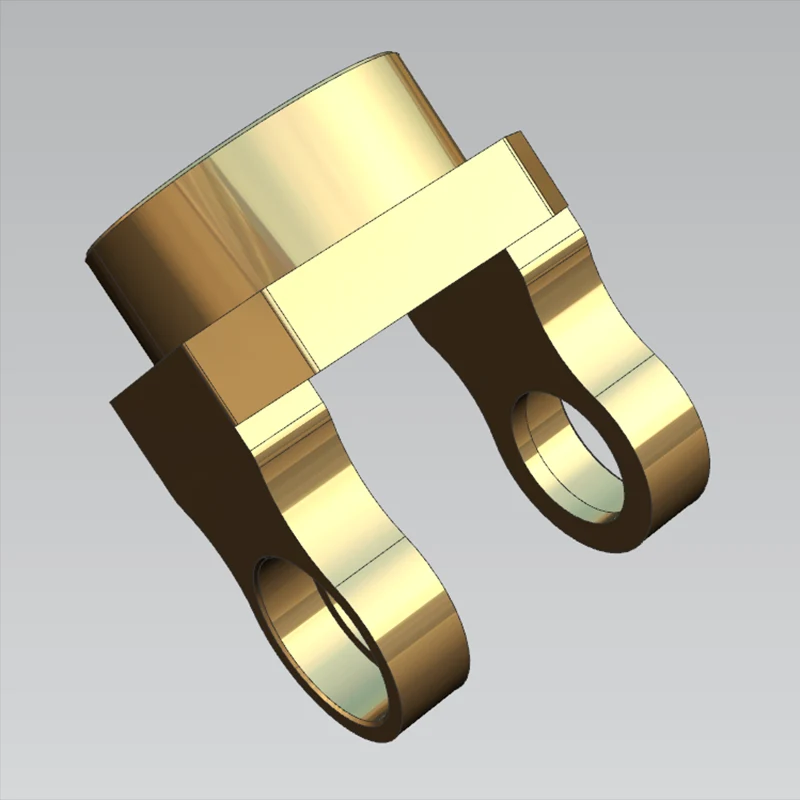
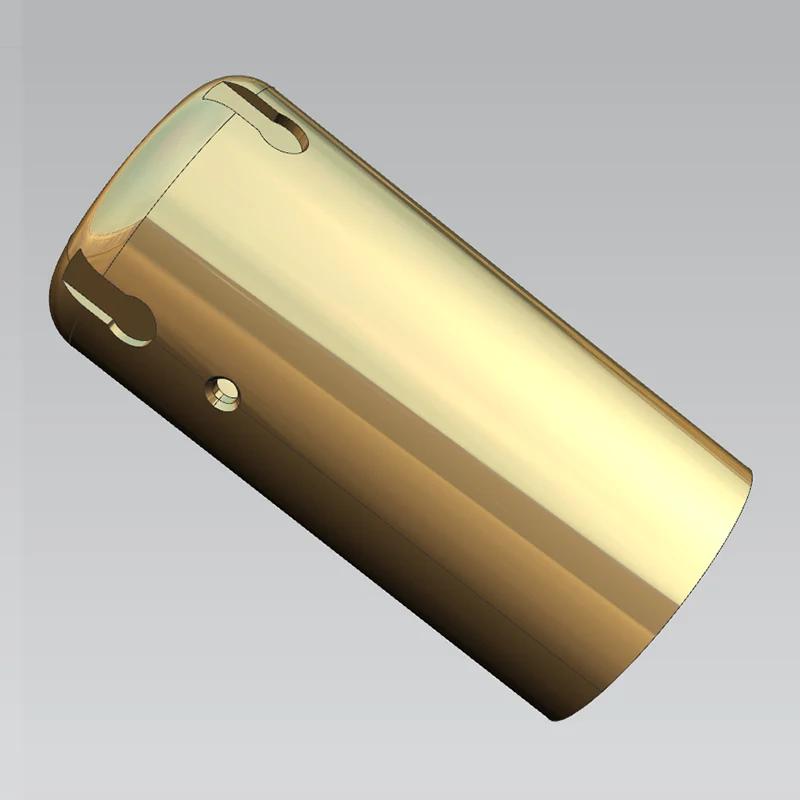
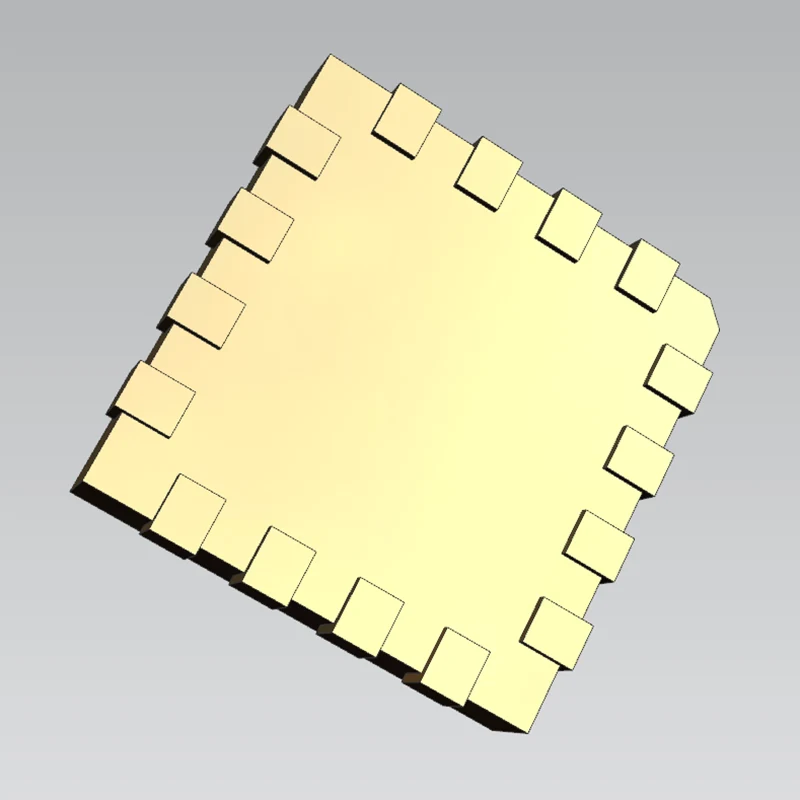
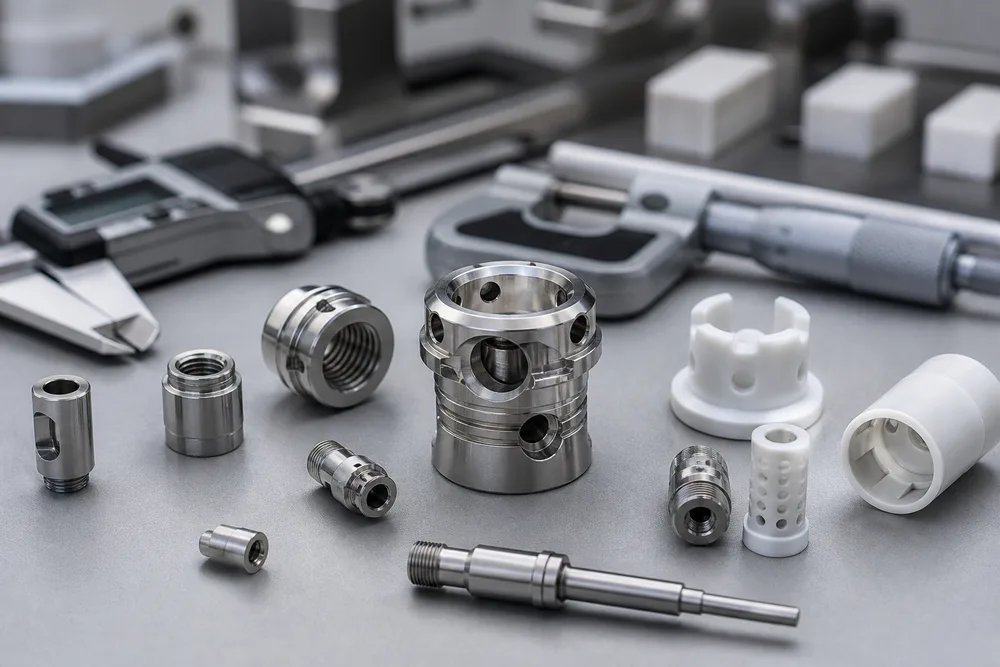
Match bone screws, dental parts, interventional components, and surgical-tool parts to Swiss turning, micro-machining, milling, EDM, or grinding
Process selection starts with geometry. Using a familiar machine simply because it’s available can add setups, create avoidable burrs, or make a critical feature harder to inspect.
| Component or feature | Likely process route | What requires attention |
|---|---|---|
| Bone screws and small threaded shafts | Swiss turning with secondary milling or grinding as needed | Thread form, runout, tip geometry, surface condition, and burrs at cross-holes |
| Dental and pacemaker-related components | Micro-machining, Swiss turning, or EDM | Thin walls, miniature slots, concentric features, and handling damage |
| Interventional components | Micro CNC machining or Swiss turning | Small diameters, intersecting passages, edge condition, and particulate control |
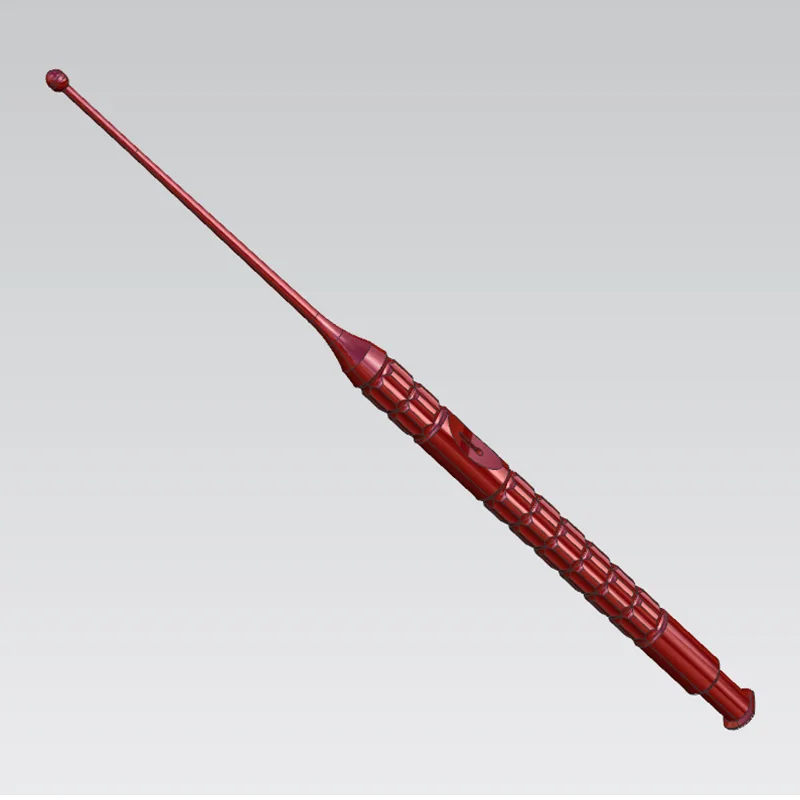
| Surgical-tool parts | CNC milling, turning, EDM, and grinding | Mating interfaces, jaw or cutting geometry, surface finish, and repeated assembly |
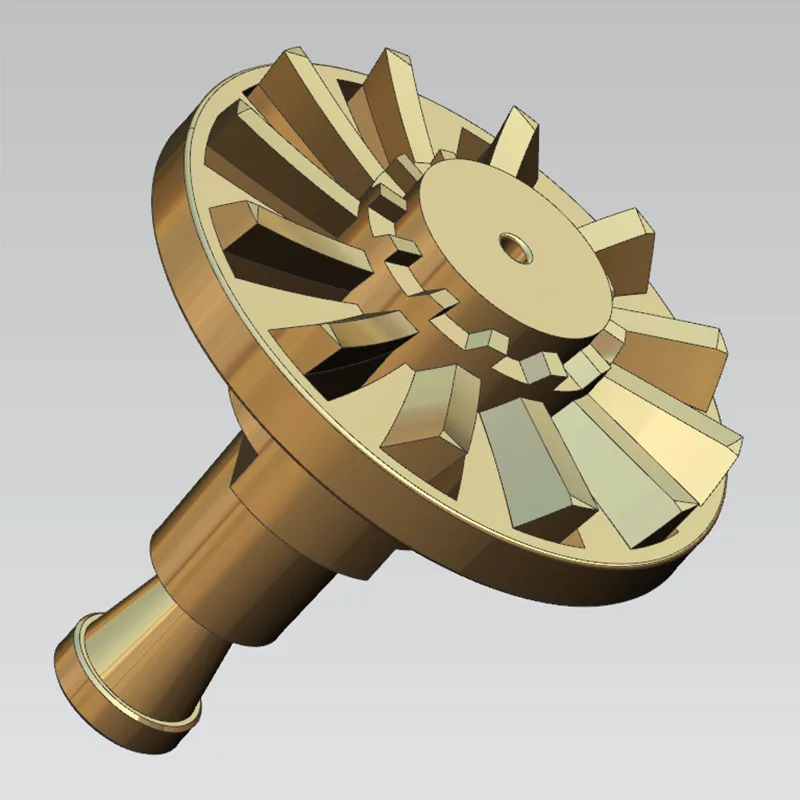
| Complex artificial-heart or intraocular-lens-related work | Drawing-dependent combinations of milling, turning, EDM, and precision finishing | Feature access, distortion, inspection access, and traceable special requirements |
EDM is useful for narrow slots, internal corners, and hard alloys, but it may leave a recast layer or surface condition that must be addressed by the drawing and finishing plan. Grinding can improve size, roundness, or finish on selected features; it shouldn’t be added automatically when turning or milling can meet the requirement.
Select 316L, Ti-6Al-4V ELI, cobalt-chromium, PEEK, PPSU, or PEI by device function and downstream processing
Material selection belongs to the device developer. The machine shop’s job is to preserve the specified material identity and control machining effects that could compromise the part.
- 316L stainless steel is widely specified where corrosion resistance, strength, and established finishing routes matter. Confirm the exact material specification, heat-treatment condition, passivation requirements, and permitted free iron or residue limits.
- Ti-6Al-4V ELI is commonly considered for implant-related components because of its strength-to-weight ratio and established medical use. It also brings machining challenges: heat concentrates at the cutting edge, thin sections can move, and poor tool control can damage the surface.
- Cobalt-chromium alloy suits applications requiring wear resistance and high strength. Its hardness raises tool wear, cycle time, and finishing difficulty, so geometry and inspection access deserve early review.
- PEEK can serve device parts that need a high-performance thermoplastic, but resin grade, stress, heat input, burrs, and dimensional stability must be controlled.
- PPSU and PEI are used for components exposed to demanding service or repeated sterilization conditions. Suitability depends on the specific grade, colorants, sterilization method, and validated number of cycles—not the polymer family name alone.
Treat material certificates and chemistry reports as pedigree evidence—not universal ISO 10993 biocompatibility approval
A material certificate can identify the grade, heat or resin lot, and reported properties. Chemical composition reports, spectroscopy, or diffraction results may provide further identity evidence. None of these automatically proves that a finished component is biocompatible for every application.
ISO 10993 evaluation is tied to the finished device, its contact type and duration, manufacturing residues, cleaning, sterilization, and clinical use. Buyers should define the required material pedigree and testing responsibility rather than asking for an undefined “ISO 10993 material certificate.”
Set tolerance, burr, surface-condition, cleanliness, and packaging criteria at the feature level
A blanket tight tolerance usually increases cost without reducing device risk. Mark critical-to-function features individually and explain datum relationships, fit, runout, wall thickness, thread acceptance, or flow-path requirements through clear drawing controls.
Burr-free machining also needs a measurable definition. State which edges may be broken, which must remain sharp, whether magnification is required, and how intersecting holes or internal passages will be examined. A generic “no burrs” note leaves too much room for interpretation.
Apply the same discipline to surface condition. Specify roughness only where it affects sealing, motion, tissue contact, coating, bonding, or cleaning. Identify prohibited scratches, tool marks, embedded media, discoloration, or EDM surface effects. Cleanliness and packaging requirements should name the expected process state—for example, shop-clean, ready for buyer cleaning, or packed under a buyer-approved procedure. Don’t imply sterile delivery unless sterilization is explicitly contracted and validated.
Use 0.001 mm only as a drawing-dependent capability for selected features, not as a blanket tolerance
Sanluo reports drawing-dependent precision reaching 0.001 mm. That one-micron figure is relevant only where part size, geometry, material, machine route, thermal control, fixturing, and measurement uncertainty support it. Ask for a manufacturability review of the specific feature. Applying 0.001 mm across an entire drawing can make the part unnecessarily expensive—or impossible to verify reliably.
Follow each lot from incoming material through CMM, optical, roughness, microscopy, nonconformance, and final-release records
Traceability should form an unbroken record, not a folder of unrelated inspection sheets. Incoming material documents should connect the heat number or resin lot to the job traveler and finished-part lot. The traveler should preserve the drawing revision, process route, applicable inspections, and release status.
Sanluo lists CMM, optical, laser, roughness, microscopy, spectroscopy, and diffraction inspection methods. The correct method depends on the feature: a CMM may suit accessible datum-based geometry, while optical or laser equipment may be more appropriate for miniature profiles or delicate surfaces. Roughness instruments and microscopes address different questions and aren’t substitutes for dimensional inspection.
For medical CNC parts with material traceability, define which documents must ship with each lot. These may include material certificates, chemical composition reports, dimensional results, nonconformance dispositions, and a Certificate of Conformity. Also state record-retention, change-notification, and retrieval expectations in the quality agreement or purchase documentation.
Resolve qualification questions before requesting a manufacturability review
Before placing an order, confirm which operations are performed for the quoted route, how outsourced processes would be controlled, what inspection records are available, and how material or process changes are communicated. Ask how critical features will be measured—not merely whether they can be measured.
Can Sanluo support one-piece prototypes, validation lots, and transfer to production?
Yes. Sanluo states that it supports a one-piece minimum order, which can suit initial prototypes or engineering samples. Validation and production quantities should still be quoted separately because setup strategy, tooling, inspection frequency, and process controls may change with volume. If a prototype is expected to represent the production process, say so before quoting; a one-off method may not be suitable for process qualification or later scale-up.
What should a U.S. medical-device buyer include in the RFQ package?
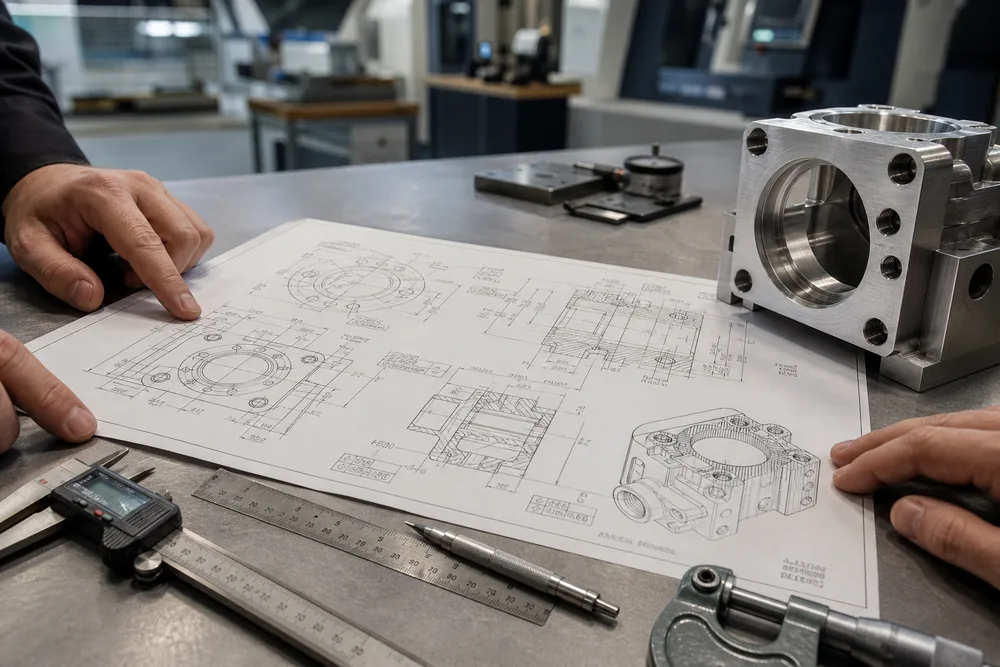
Send the current 2D drawing and 3D model, part revision, material specification and condition, order quantities, anticipated production volume, and required delivery location. Identify critical features, GD&T, surface-finish zones, burr and edge criteria, cleanliness and packaging state, downstream coating or passivation, and any prohibited processes.
Include the required inspection plan, sampling expectations, material and chemistry documentation, Certificate of Conformity requirements, lot-definition rules, and traceability or record-retention terms. Call out regulatory or validation constraints that affect manufacturing; don’t leave them buried in a supplier manual after the quote.
For a drawing-specific process and inspection review, submit your controlled RFQ package through Sanluo Precision’s medical-grade CNC component manufacturing page.