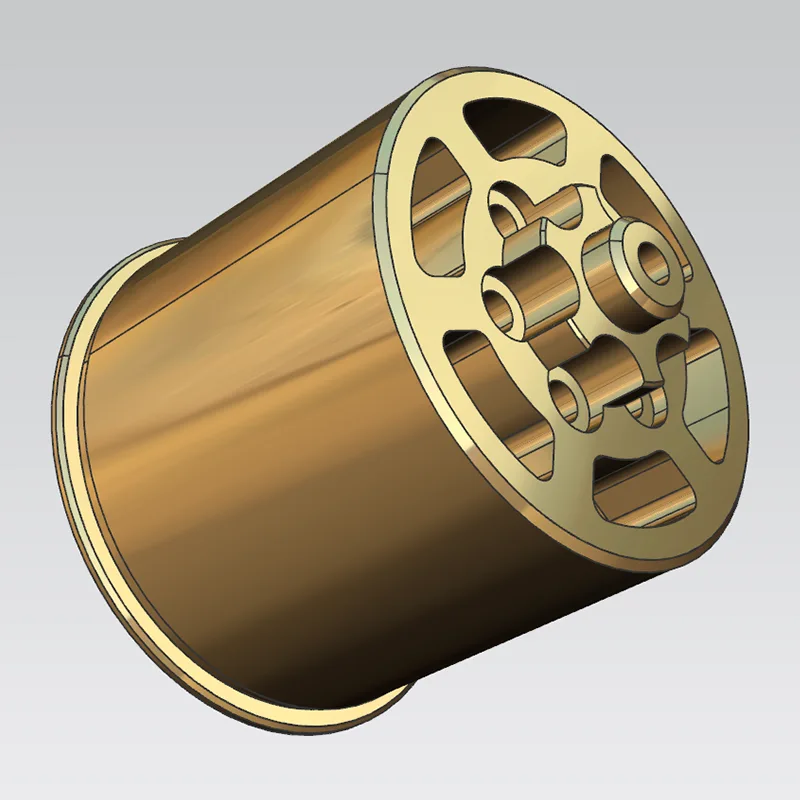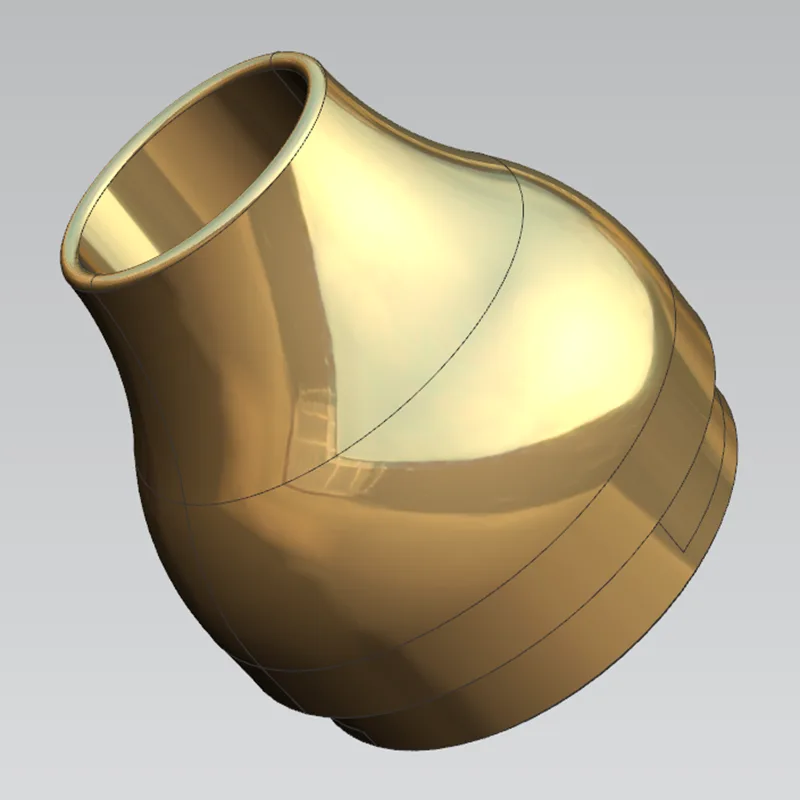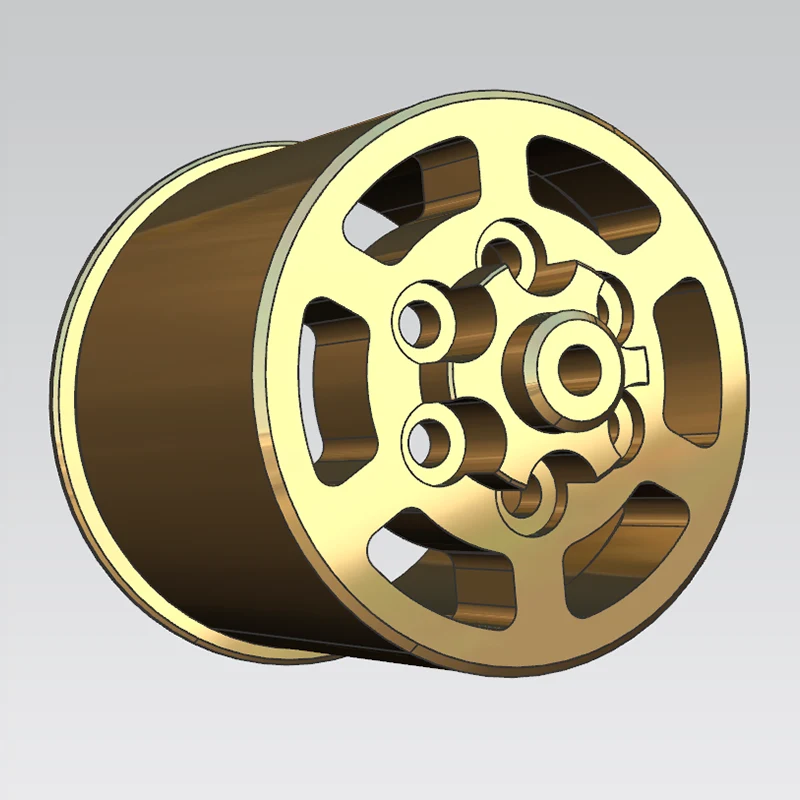

Producing components for the medical sector is an exercise in risk control. You are manufacturing parts that will operate inside the human body, navigate the vascular system, or perform critical functions in a sterile surgical field. Medical CNC machining requires strict adherence to ISO 13485 standards, uncompromising raw material traceability, and manufacturing tolerances that leave zero room for particulate generation or biological rejection.
Standard industrial manufacturing practices fail under these conditions. A slight burr on a cardiovascular stent can trigger thrombosis. A microscopic tolerance stack-up error in a surgical robotic arm causes the instrument to shear tissue instead of cutting it cleanly. Success in this sector demands specialized equipment, validated processes, and facilities designed specifically to mitigate contamination.
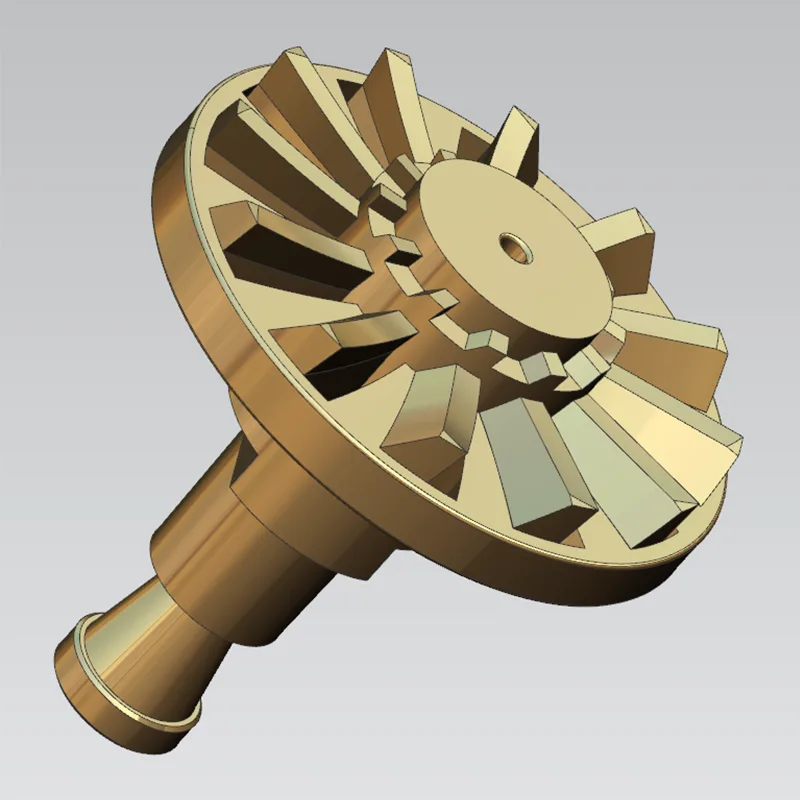
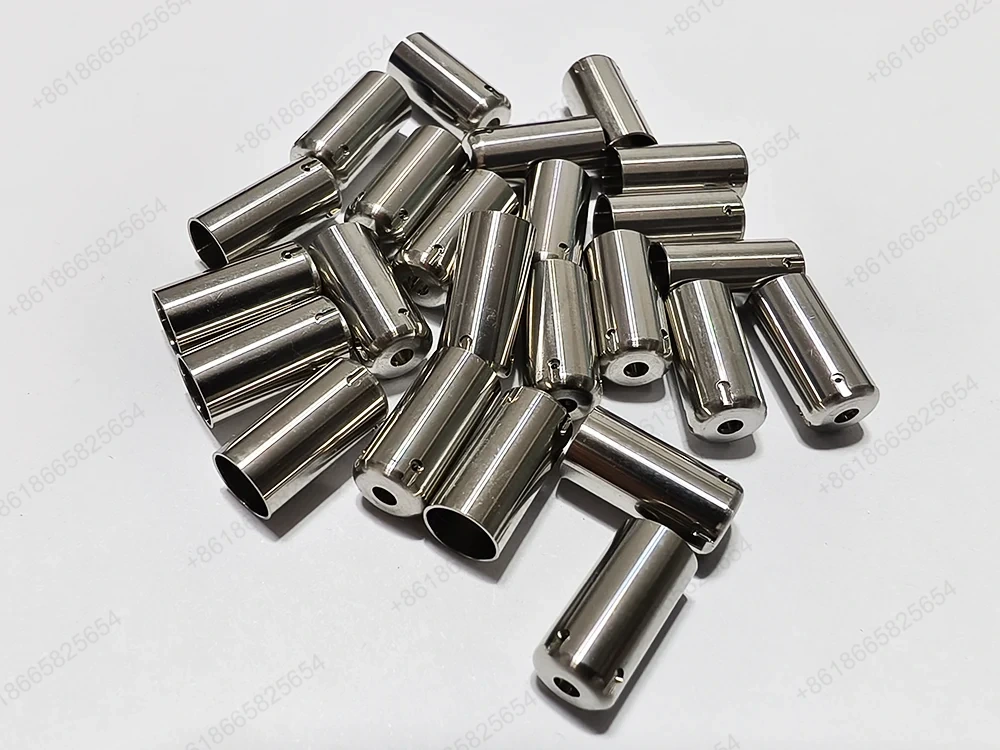
When you specify components for endoscopic devices or orthopedic implants, conventional machining tolerances are insufficient. A surface finish of Ra 0.8 μm might feel smooth to the touch, but under magnification, it presents deep grooves that harbor bacteria and resist sterilization. Sanluo Precision drives surface finishes down below Ra 0.2 μm using 4-axis to 6-axis equipment.
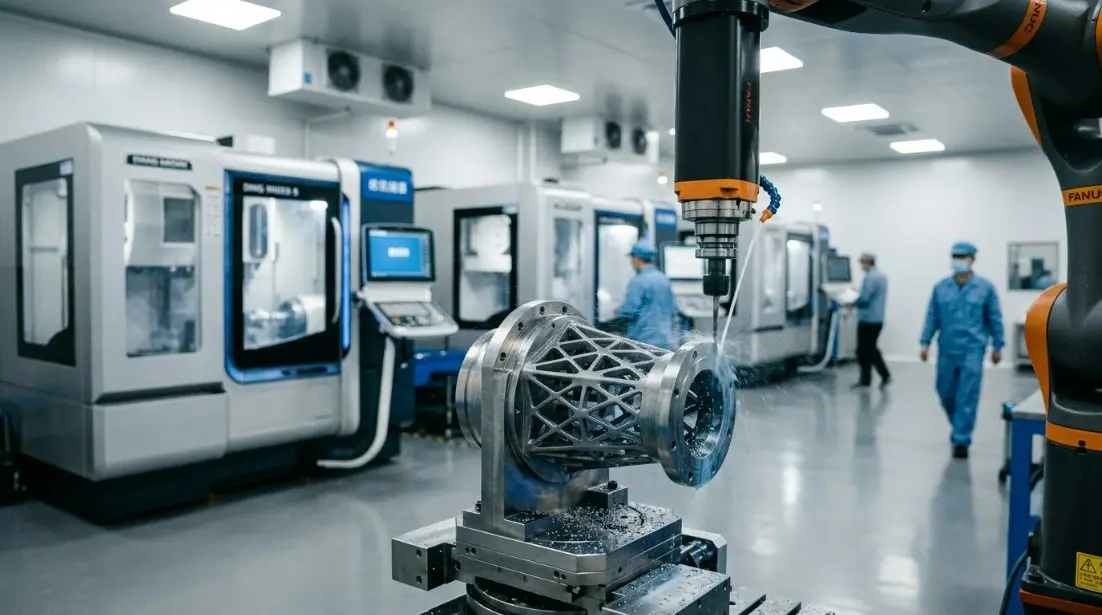
At tolerances as tight as ±0.001mm, we control for the microscopic errors that cause mechanism binding in complex assemblies. Achieving this requires strict control over the machining environment. Thermal expansion in the machine tool or the raw material can easily consume a one-micron tolerance band. Compliance with medical standards dictates the precise cutting feeds, speeds, and tool paths we use. Aggressive machining generates localized heat that can alter the micro-structure of the metal, compromising the fatigue life of a load-bearing implant. Every parameter is engineered to protect the material's integrity.
Selecting the right alloy or polymer dictates the entire manufacturing approach. You cannot process implantable materials using the same tooling applied to commercial aluminum. Cross-contamination from standard coolants or trace metals left on cutting tools can trigger catastrophic biocompatibility failures during cytotoxicity testing.
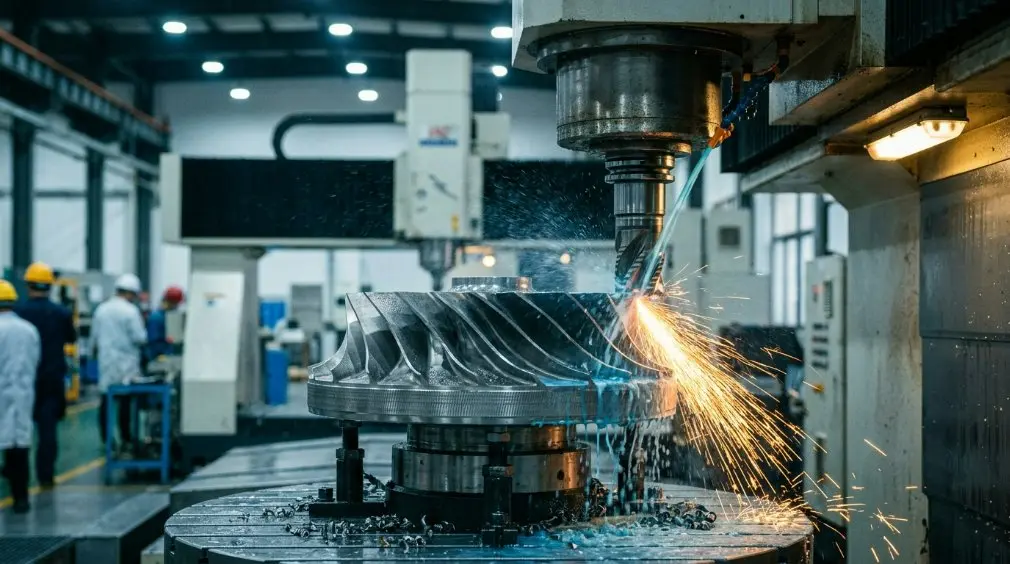
Ti6Al4V ELI (Extra Low Interstitial) titanium is the benchmark for long-term orthopedic and dental implants due to its exceptional osseointegration properties and high strength-to-weight ratio. The trade-off is its notoriously poor thermal conductivity. Heat generated during cutting does not dissipate into the chip; it concentrates at the tool edge. This leads to rapid tool wear and the risk of surface hardening on the part. We manage titanium by utilizing high-pressure, medical-grade coolant delivery systems and extremely rigid multi-axis setups to prevent chatter.
For reusable surgical instruments, 316L stainless steel provides necessary corrosion resistance to withstand repeated autoclave sterilization cycles. However, 316L is highly prone to work hardening. Machinists must maintain aggressive, constant feed rates. If a tool dwells or rubs against the material even briefly, the surface glazes and hardens, instantly destroying the tool and ruining the component.
PEEK (Polyether ether ketone) is heavily utilized in spinal implants and cardiovascular applications because it is radiolucent—it will not interfere with X-ray or MRI imaging. Machining PEEK to tight tolerances requires careful management of internal material stresses. If you machine a complex geometry without executing proper annealing cycles, the plastic will relax and warp out of tolerance hours or days after leaving the fixture.
We control the thermal history of the raw stock and employ dedicated polymer tooling. This prevents foreign metallic dust from embedding into the soft plastic surface, ensuring the final component meets strict biocompatibility criteria.
Most industrial machine shops perform final cleaning in an isolated room, while the actual cutting happens on a dirty shop floor. For critical CNC machining for medical components, this introduces unacceptable risks. Micro-fissures in the material can trap airborne contaminants, cutting fluid aerosols, and foreign metallic dust long before the part reaches the wash station.
Sanluo Precision operates an ISO 8 cleanroom to control particulate counts during manufacturing and inspection phases. When you assemble a micro-mechanism for a surgical tool, a single rogue particle of dust can cause the device to seize. Controlling the environment at the point of manufacture drastically reduces the bioburden on the part, simplifying downstream sterilization and packaging processes.
Medical device OEMs face severe legal and financial consequences if a component fails in the field. To mitigate this risk, the entire CNC machining for medical lifecycle must be validated. We execute stringent Installation Qualification (IQ), Operational Qualification (OQ), and Performance Qualification (PQ) protocols.
We prove that the machine is installed correctly, operates within its specified parameters, and consistently produces parts that meet your exact specifications across multiple production runs. Validation removes operator variability from the equation.
Alongside process validation is absolute traceability. Material certificates alone are inadequate. You need lot-level traceability linking the finished component back to the specific heat number of the raw material billet. If a raw material supplier issues a sudden recall, our tracking systems allow you to identify exactly which serial numbers in your inventory are affected.
Moving a medical device from clinical prototyping to full-scale production requires a partner with documented medical-grade processing qualifications. Sanluo Precision handles the entire lifecycle, from micro-machining complex geometries on 6-axis centers to executing strict validation protocols. We routinely review CAD models for manufacturability, flagging over-toleranced dimensions that drive up production costs without improving clinical outcomes.
To discuss your specific material requirements, process validation needs, or to submit your part files for an engineering review, explore our capabilities in custom medical CNC machining and connect with our technical team.