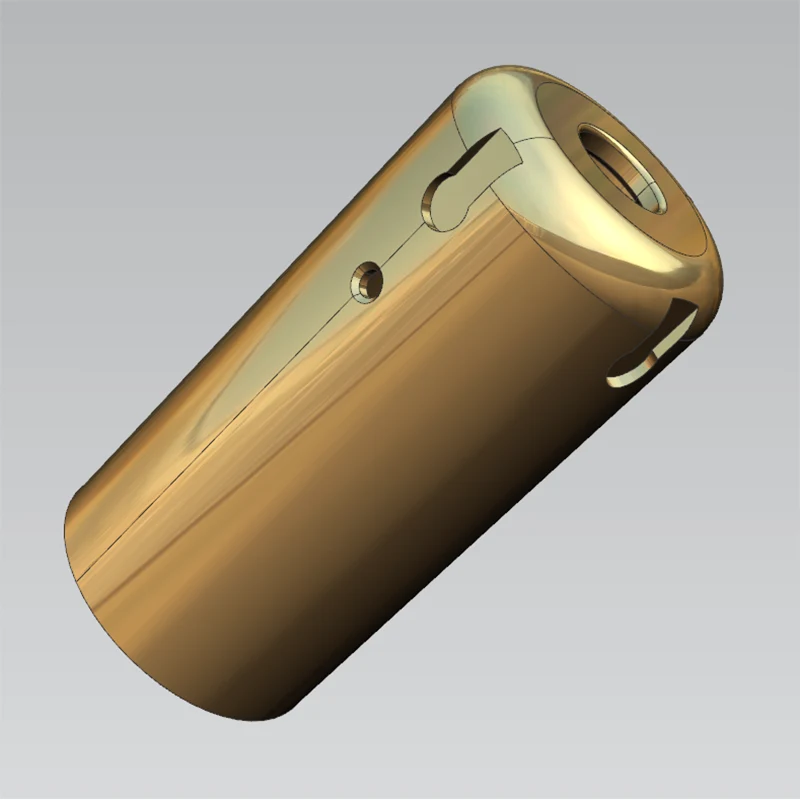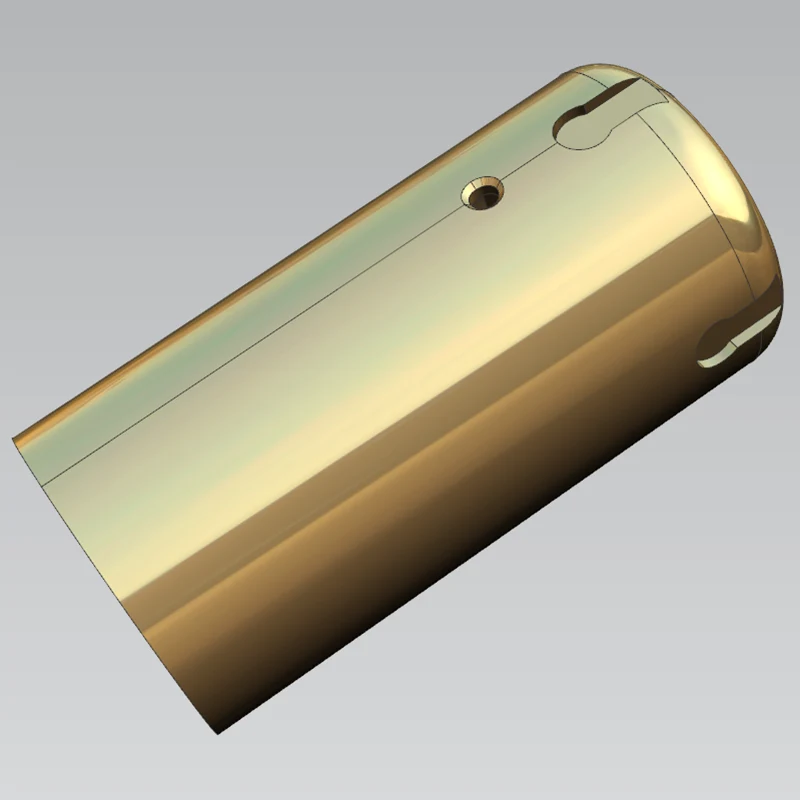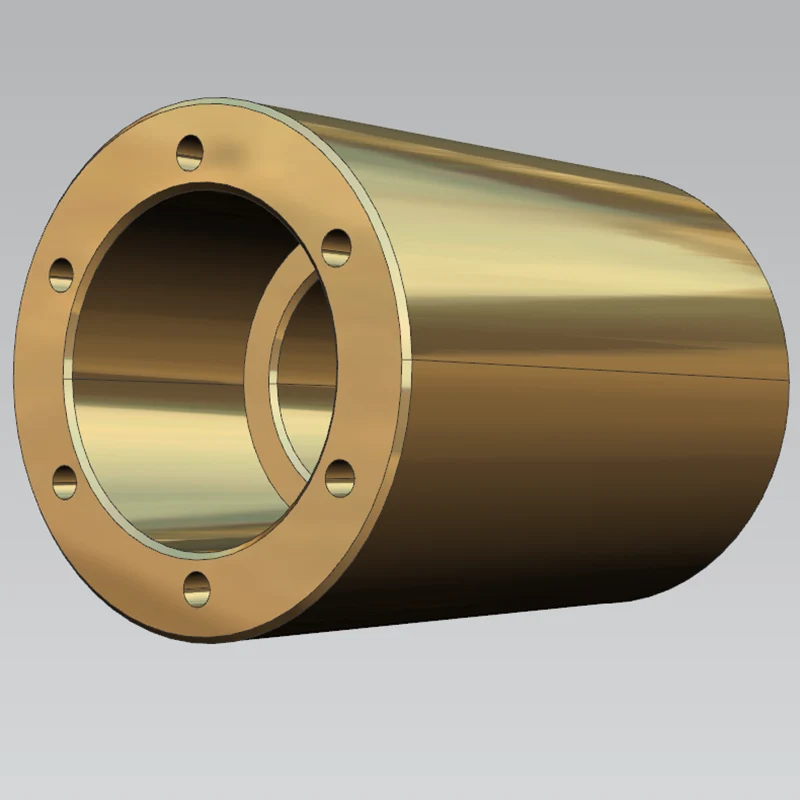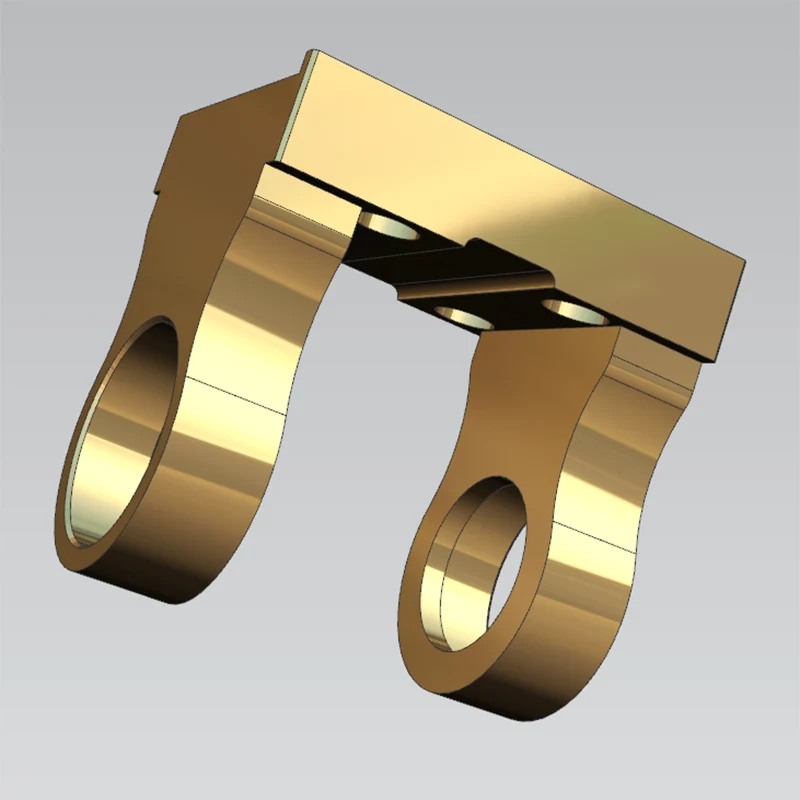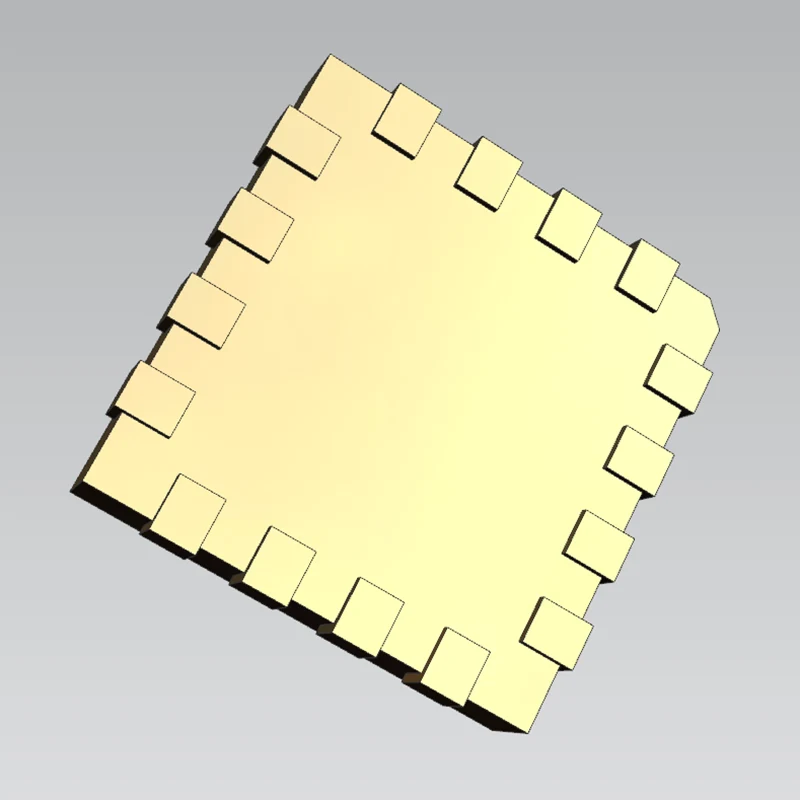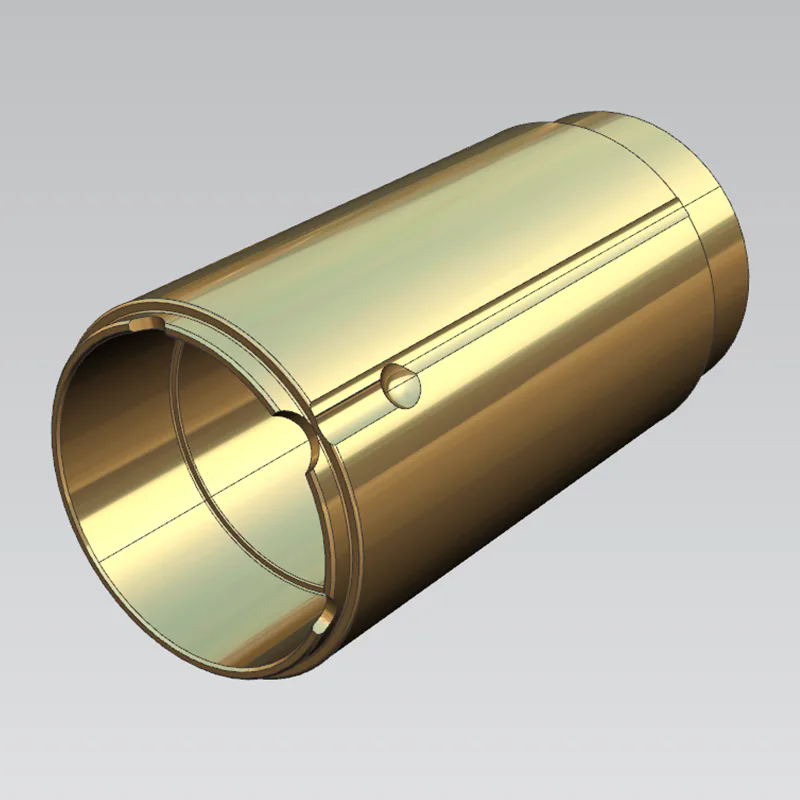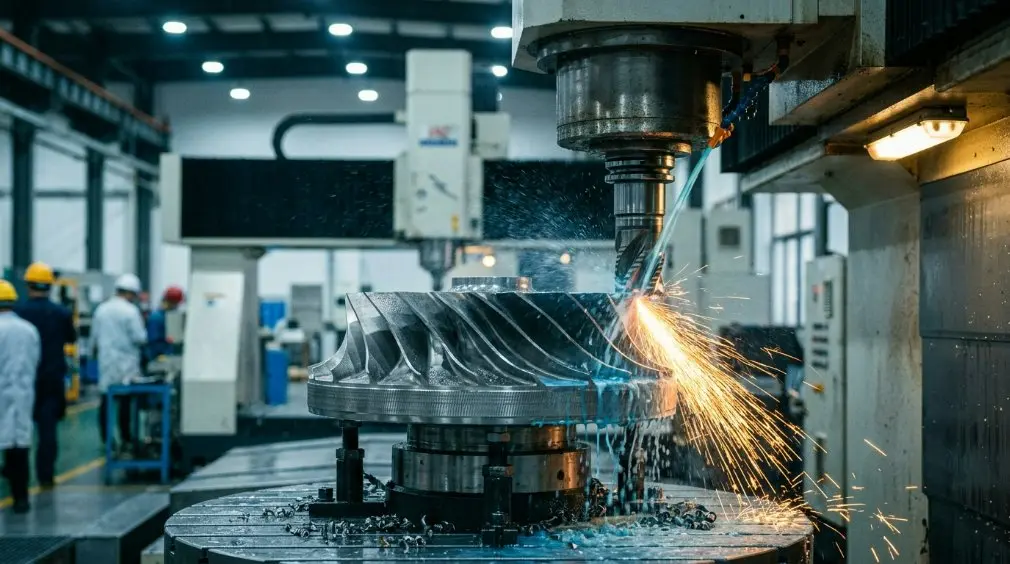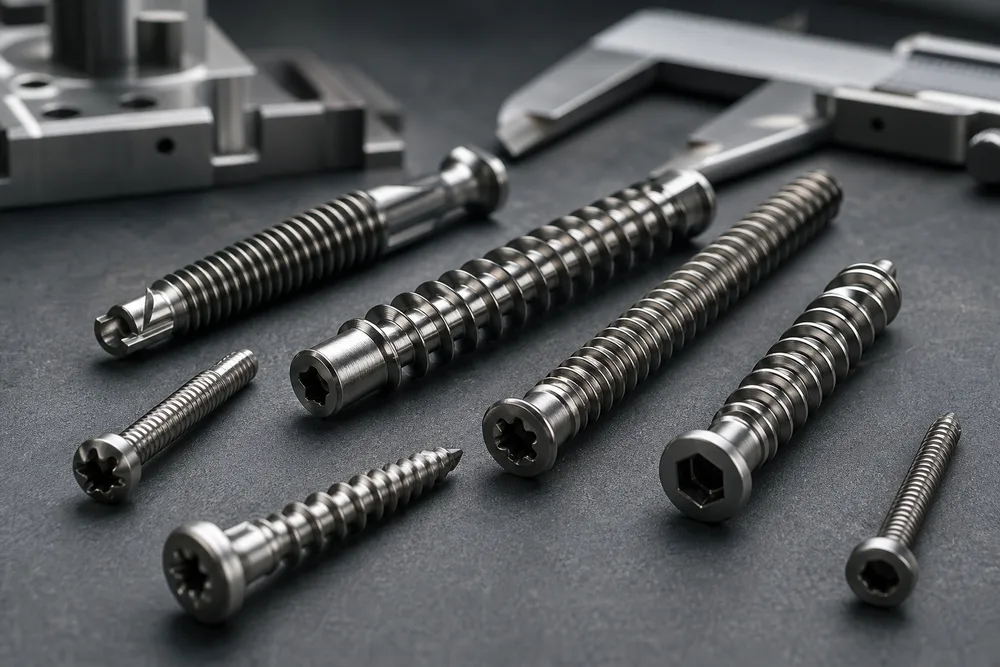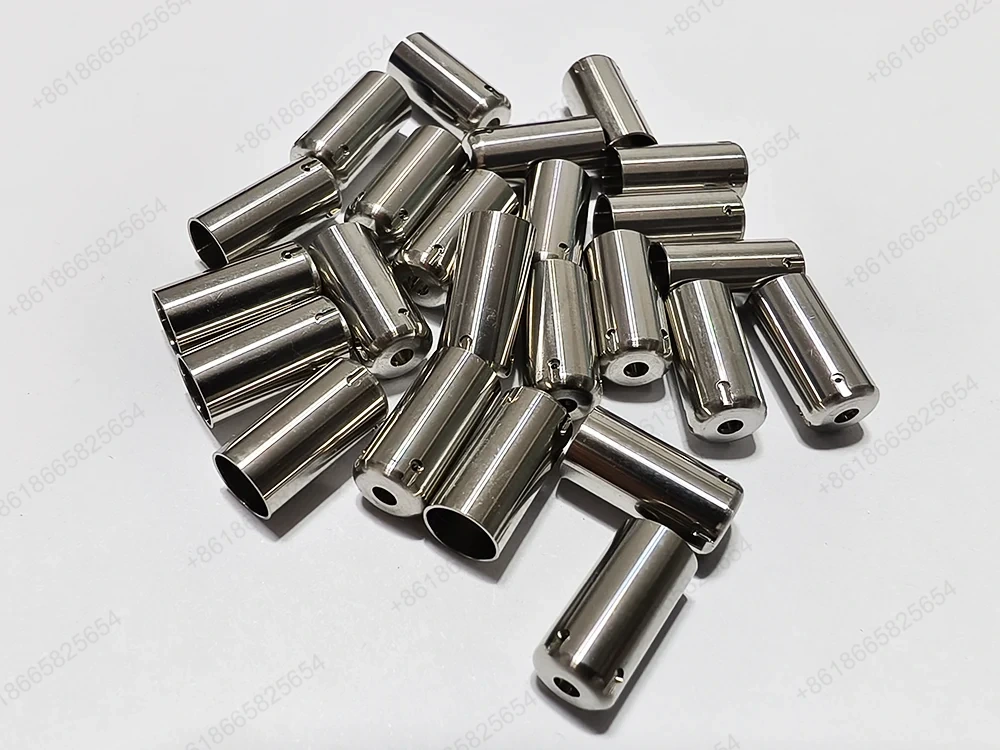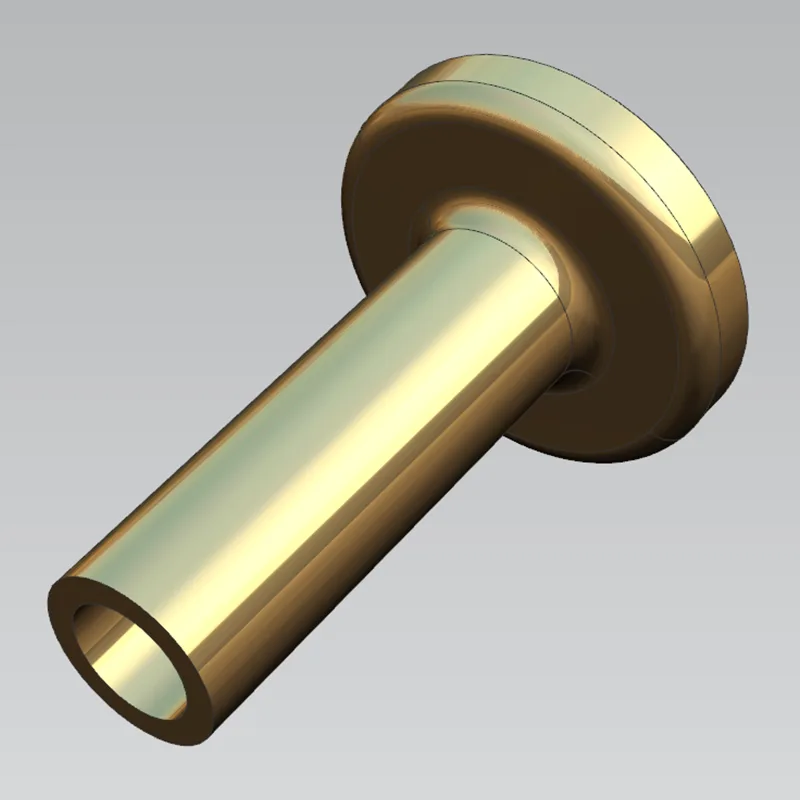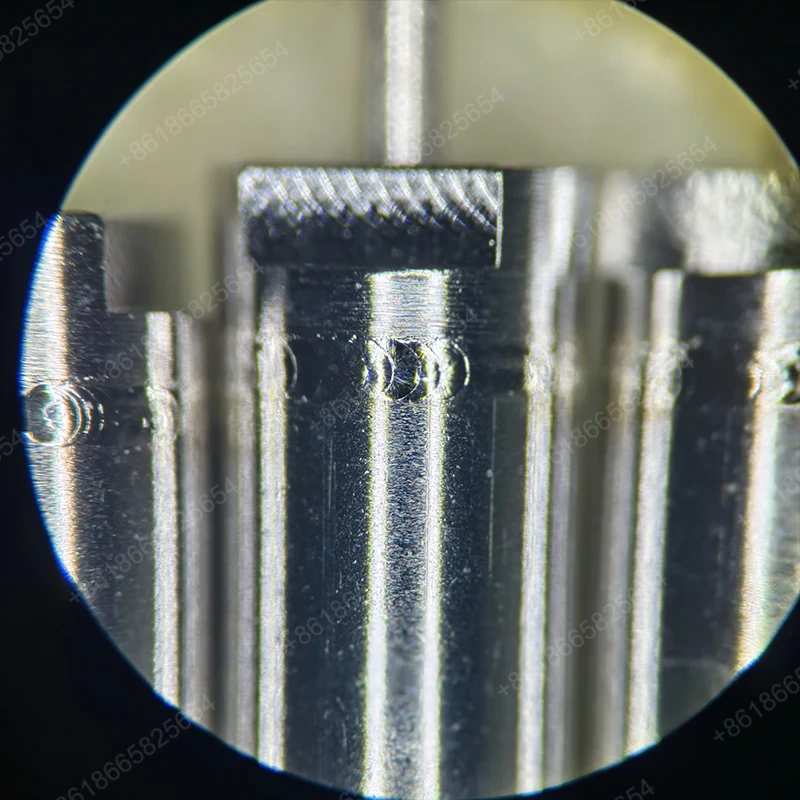
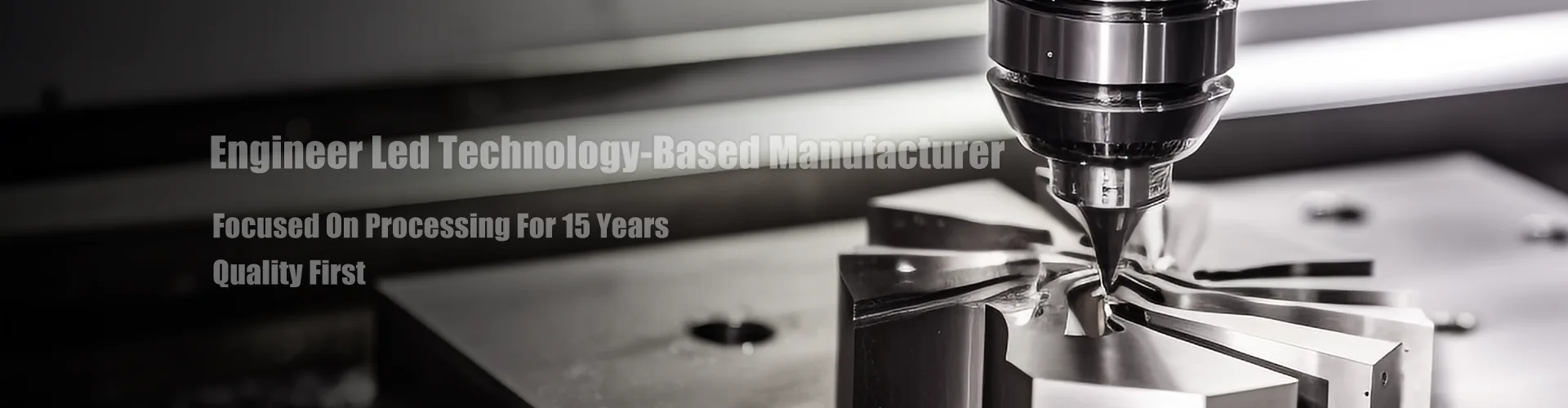
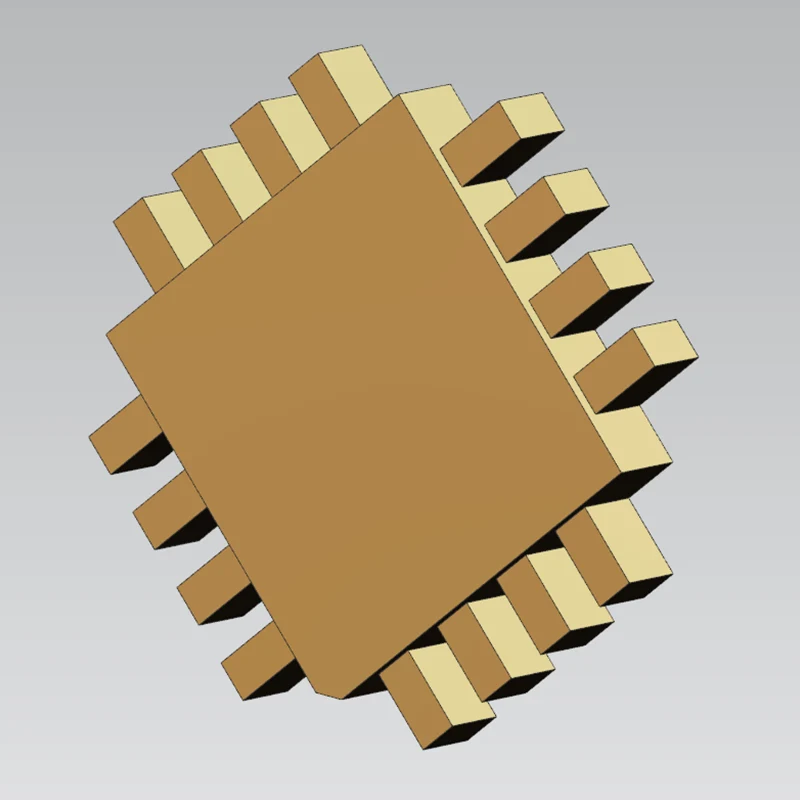
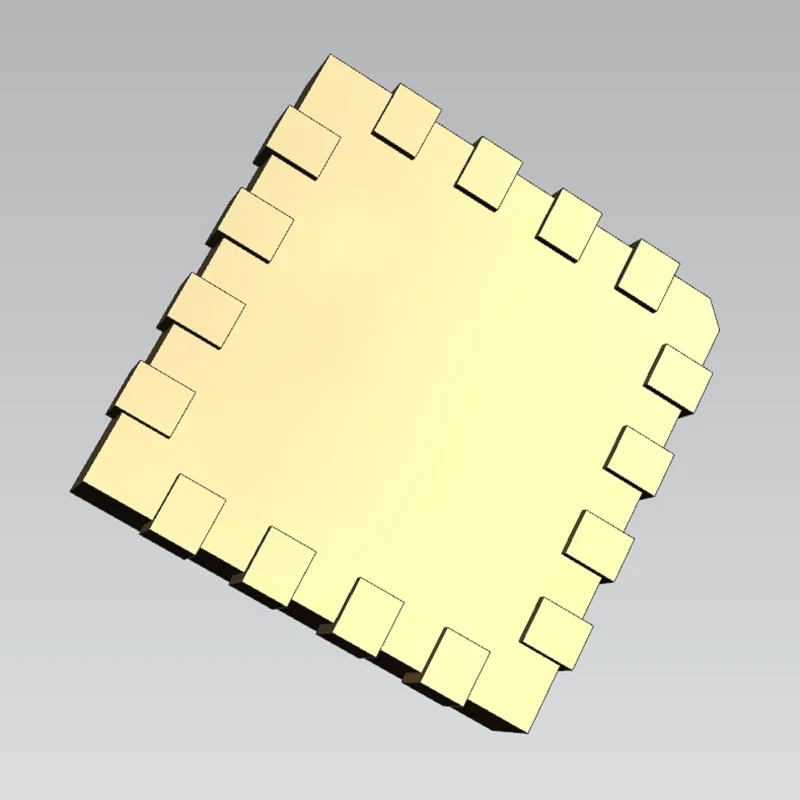
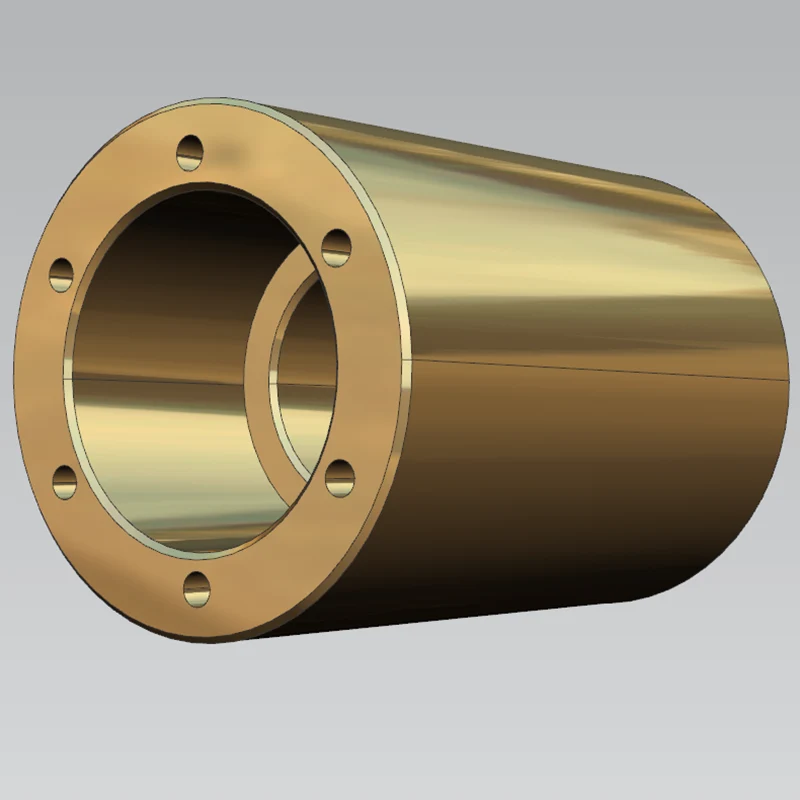
Manufacturers producing hardened precision components frequently face frustrating bottlenecks. When complex parts contain both contoured planes and rotary functional surfaces, most suppliers split the workflow: milling first, then transferring workpieces to lathes or grinders. Each re-clamping shifts the reference datum, triggering concentricity deviation, inconsistent flatness and higher scrap rates. Extra transportation and setup time also stretch lead times and push up overall costs. Sanluo Precision addresses these pain points with integrated CNC Milling and Hard Turning for Precision Components. Our machine platforms can process quenched material up to HRC60 within a single fixture. Without repeated disassembly and repositioning, parts maintain unified datum references throughout forming, removing reliance on secondary grinding for many hardened components.
For precision buyers prioritising assembly consistency and cost control, composite milling and hard turning delivers tangible benefits that discrete machining workflows struggle to match. The value lies in unified datum control and flexible hard material forming, rather than simply combining two separate machining operations.
1. Single-fixture datum retention: All milling features and rotary hard turning surfaces are machined against one fixed reference. There is no cumulative error caused by repeated clamping, which directly improves interchangeability during component assembly.
2. Direct forming on quenched substrates: Specially coated cutting tools support finish machining after heat treatment. Many parts can skip follow-up grinding processes, cutting down overall production steps and turnaround cycles.
3. Balanced control of mixed feature geometries: Free-form profiles, slots and holes rely on milling accuracy, while hard turning optimises roundness and surface texture on cylindrical surfaces. The two processes complement each other for composite structural parts.
4. Reduced thermal and residual stress deformation: Optimised cutting sequences lower heat accumulation during hard material processing. This makes the method highly applicable to thin-wall hardened components susceptible to warping after machining.
Many precision workshops offer milling or hard turning individually, yet few master stable composite processing for medium and mass production. CNC Milling and Hard Turning for Precision Components creates unique technical barriers focused on datum continuity and hardened material stability.
1. Flexible alternative to precision grinding: Hard turning achieves comparable dimensional tolerance and surface finish to grinding. It handles irregular milled features alongside rotary surfaces, an advantage single grinders cannot replicate, especially for custom low-to-medium batch orders.
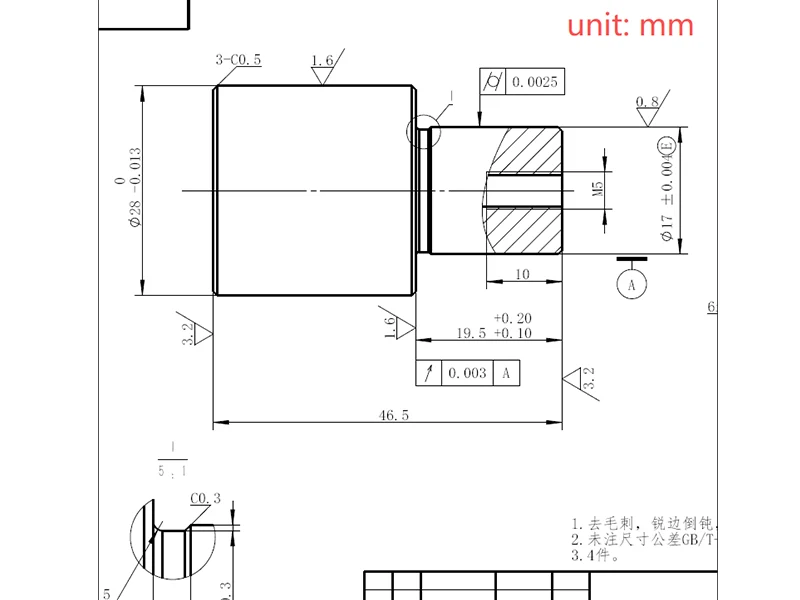
2. Strict concentricity management: Since rotary surfaces and milled structures share the same benchmark, shaft and sleeve components can consistently hold concentricity within 0.002 mm, a persistent pain point for parts processed across multiple machines.
3. Wide geometric compatibility: The process covers standard rotary hardware as well as complex hybrid parts integrating flat planes, curved profiles and precision bore holes, which cannot be fully completed by turning-only equipment.
4. Predictable batch repeatability: Locked cutting routines, tool management standards and ongoing SPC monitoring restrict dimensional variation across production batches within 0.003 mm, sustaining a stable 99.5% conformance rate.
All parameters supporting CNC Milling and Hard Turning follow formal industrial precision standards. Machining is split into progressive stages to control stress release: rough stock removal removes excess material, semi-finishing corrects minor datum drift, and finishing delivers micron-level precision and consistent surface texture.
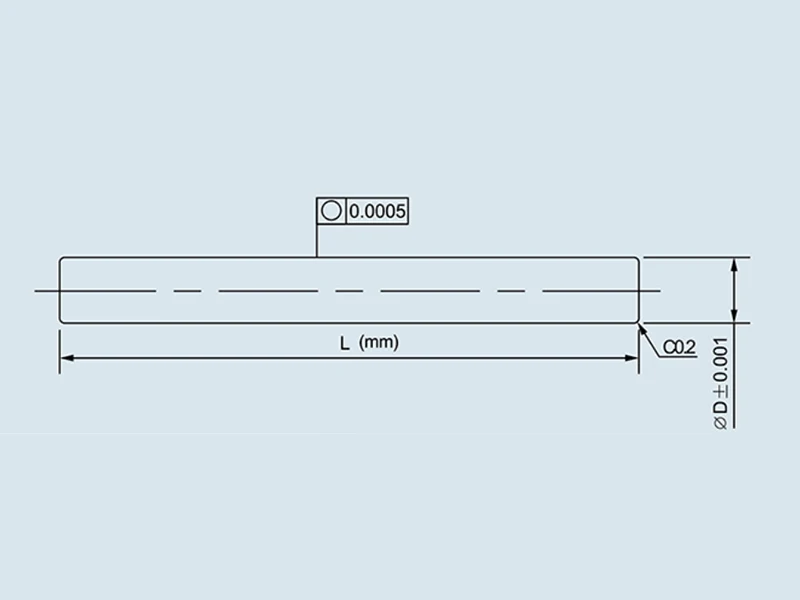
| Dimensional Accuracy | L (X-axis) | W (Y-axis) | H (Z-axis) | Slot Width | Shaft Diameter |
| Unit: ± mm | 0.001 | 0.0005 | 0.0001 | 0.002 | 0.001 |
| Geometric Accuracy | Flatness | Parallelism | Concentricity | Symmetry | Roundness |
| Unit: ± mm | 0.0003 | 0.001 | 0.002 | 0.002 | 0.001 |
| Production Capacity | 1~999999 pcs | 1~999999 pcs | 1~999999 pcs | 1~999999 pcs | 1~999999 pcs |
| Production Lead Time | 3-20 working days | 3-20 working days | 3-20 working days | 3-20 working days | 3-20 working days |
Standardised machining allowance allocation: rough machining 0.02–0.05mm, semi-finishing 0.005–0.01mm, hard turning finishing 0.001–0.003mm. Layer-by-layer cutting gradually releases internal cutting stress and prevents dimensional rebound frequently observed on heat-treated hardened materials.
CNC Milling and Hard Turning for Precision Components targets hardened hybrid structural parts that cannot be processed efficiently using isolated machining workflows. It serves industries imposing strict requirements on surface hardness, geometric tolerance and long-term assembly stability.
1. Hydraulic & Pneumatic Equipment: Hardened plungers, valve cores, shaft sleeves and precision valve bodies. Unified datum control guarantees stable concentricity and wear resistance for continuously moving sealing assemblies.
2. Precision Mold Manufacturing: Post-heat-treatment mold inserts, guide shafts and guide bushes. The process meets tight tolerance assembly requirements for injection molds and stamping tooling.
3. Automotive Precision Hardware: Engine precision shafts, gearbox structural components and brake system hardware, maintaining consistent tolerance to extend service life under cyclic operating loads.
4. Automation and Semiconductor Equipment: High-hardness positioning fixtures, precision rotary shafts and composite structural parts for high-frequency continuous-operation precision production equipment.
Quality control for CNC Milling and Hard Turning is built around the core challenge of composite machining: maintaining uniform reference benchmarks across different cutting operations. Operating within ISO9001 and ISO14001 management frameworks, our system directly addresses stacking tolerance errors common when milling and turning are separated, enabling full traceability for all hardened precision components.
1. Custom inspection logic for hybrid features: Separate measurement workflows are defined for milled profiles and hard-turned rotary surfaces to verify matching accuracy between features generated via different cutting technologies.
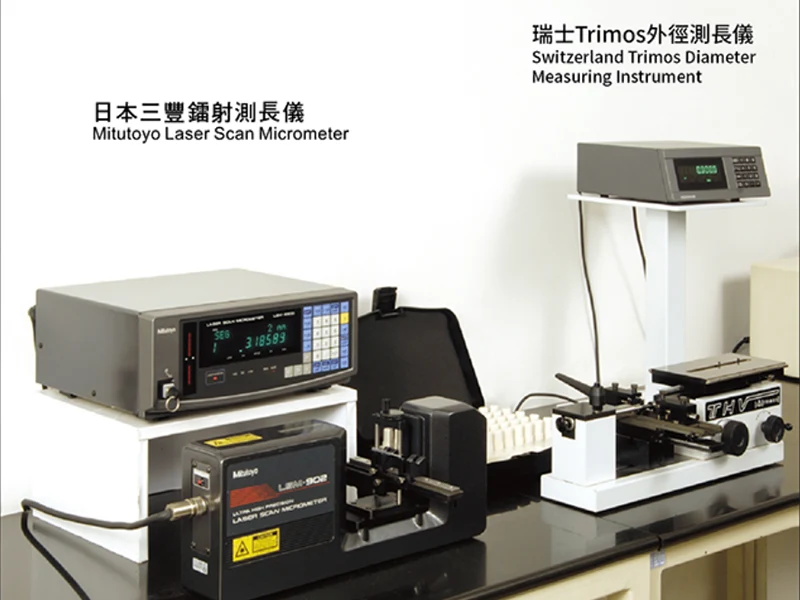
2. High-end precision measurement infrastructure: Our workshop is equipped with 0.002mm-accuracy CMM, 0.0005mm roundness measuring instruments and surface roughness testers to inspect concentricity, flatness, contour accuracy and assembly clearance comprehensively.
3. Continuous process capability monitoring: X-R control charts and SPC analysis ensure process capability remains above CPK≥1.33. All critical dimensions receive 100% inspection to prevent non-conforming parts from being shipped.
4. Stable surface quality management: Properly optimised hard turning generates uniform surface texture without obvious tool marks or local deformation, avoiding surface defects often encountered in traditional grinding processes.
| Inspection Item | Independent Separate Machining | Milling & Hard Turning Composite Process |
| Composite Feature Matching Accuracy | ≥0.01mm | ≤0.002mm |
| Hardened Workpiece Deformation Trend | Noticeable rebound deformation | Minimal deformation |
| Required Clamping Times | 2–3 times | One-time composite forming |
| Batch Qualification Rate | 95%–97% | Stable 99.5% |
| Surface Uniformity | Inconsistent texture between milled and turned surfaces | Smooth and consistent overall surface |
Sanluo Precision specialises in delivering CNC Milling and Hard Turning for Precision Components. We have sustained partnerships with equipment manufacturers across automotive, hydraulic, mold and semiconductor industries. Our one-clamping composite forming technology and mature hard material processing know-how resolve numerous complex custom machining challenges, supporting long-term cooperation with multiple listed manufacturing enterprises.
1. Rich experience handling difficult hardened component orders: Accumulated practical know-how for heat-treated steel, high-hardness alloy and irregular composite parts, with validated solutions controlling deformation and tolerance coordination issues.
2. Reliable mass delivery capability: Annual output of composite hardened precision components reaches 3 million pieces, maintaining both 99.5% qualification rate and consistent on-time shipment performance.
3. Proactive engineering support: Our technical team reviews drawings and proposes process optimisation schemes. This helps customers cut manufacturing costs while improving assembly stability of finished precision components.
A1: The process is primarily suitable for heat-treated hardened steel, mold steel, alloy steel and stainless steel within HRC40–60. It works best for custom hardened precision components containing both planar profiles and rotary functional surfaces.
A2: Hard turning integrates seamlessly with milling in a single fixture, eliminating datum errors caused by repeated handling. It shortens production lead times, offers greater flexibility for custom geometries and delivers cost advantages while retaining ultra-precision and smooth surface quality.
A3: Yes. We lock composite machining parameters, standardise tool selection rules and deploy SPC monitoring systems to restrict dimensional fluctuation, ensuring stable precision and surface quality batch after batch.
A4: We can supply complete dimensional inspection data, geometric tolerance reports and surface quality test certificates to support customers’ incoming quality inspection and project filing work.
A5: Workpieces combining irregular milled contours and high-precision rotary surfaces, especially hardened precision components requiring strict concentricity, flatness and assembly stability, are the ideal candidates for CNC Milling and Hard Turning for Precision Components.
Address
Building A1, Yufeng Industrial Park, Guangming District, Shenzhen, China
Tel