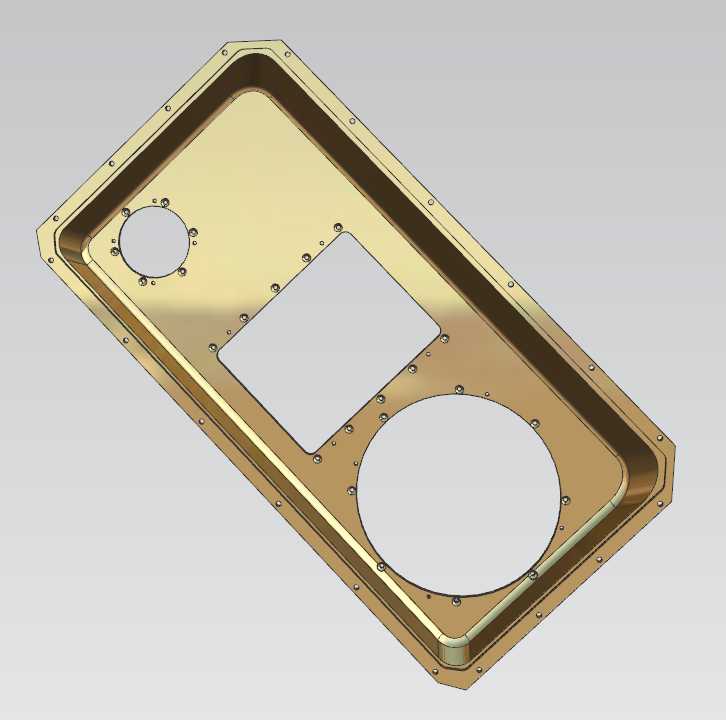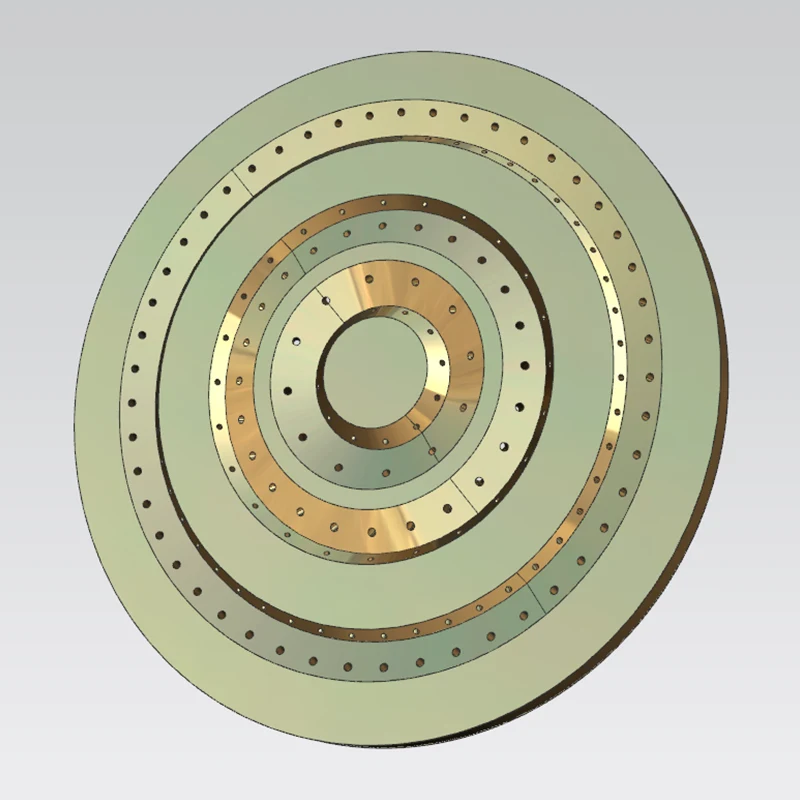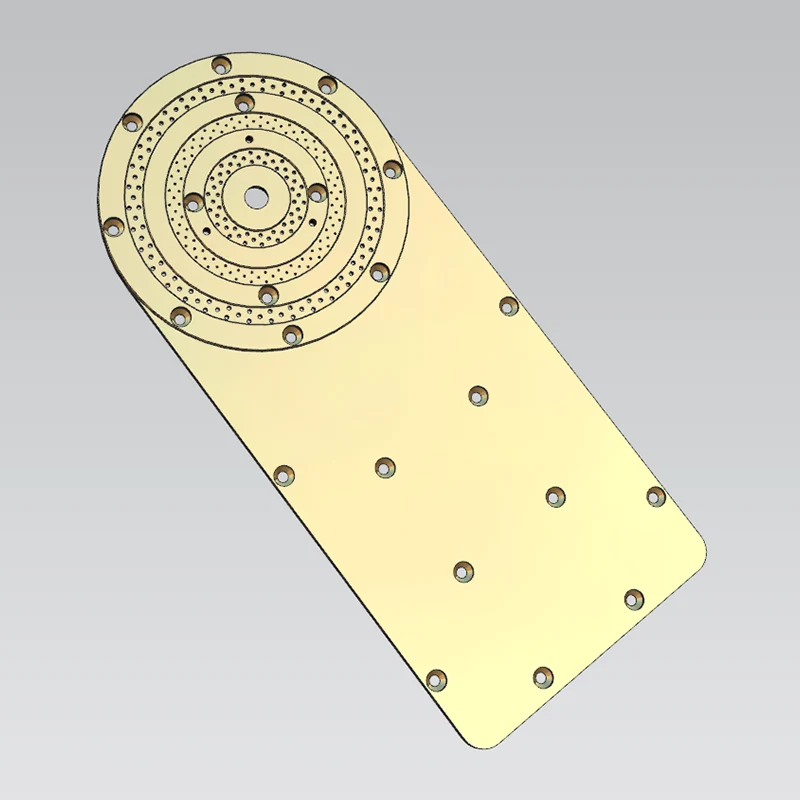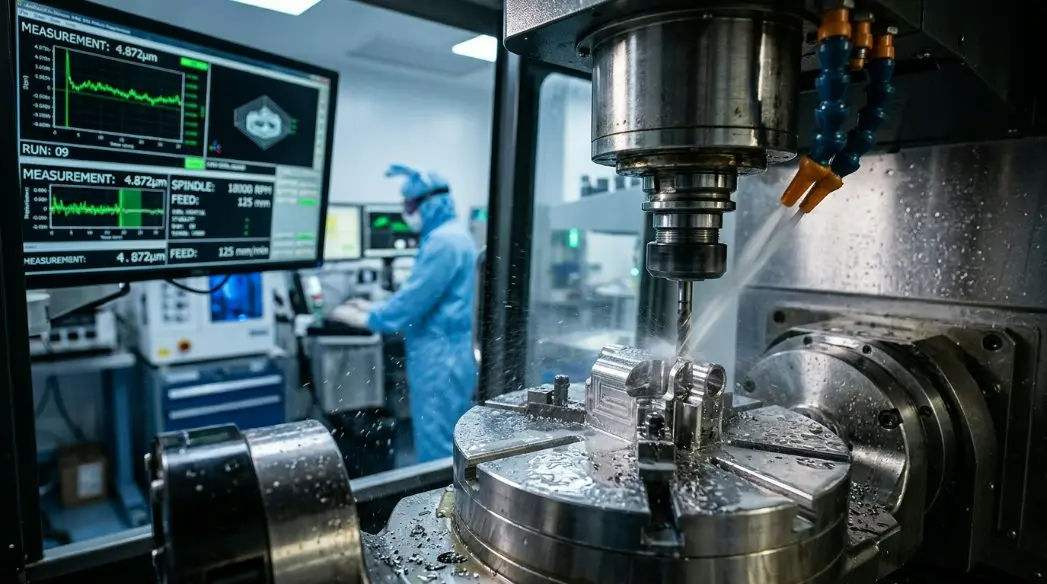

Summary: Medical CNC machining has become a cornerstone in modern healthcare manufacturing. By offering precise, repeatable, and high-quality production of medical components, it addresses critical pain points in the industry. This article explores the key benefits, processes, materials, challenges, and practical solutions provided by companies like Sanluo in the medical CNC machining field.
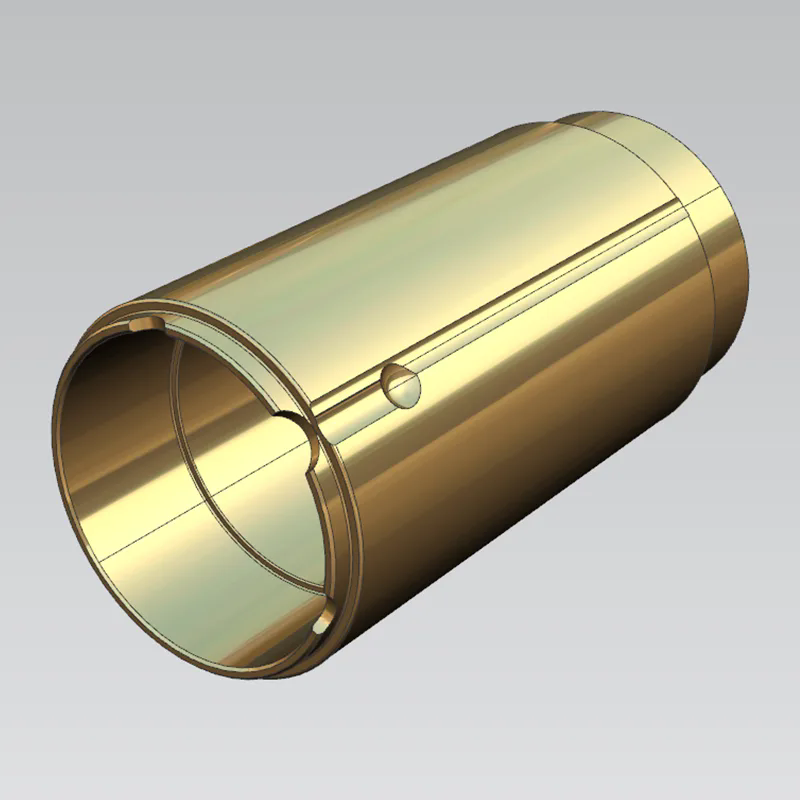
Medical CNC machining involves the use of computer numerical control (CNC) machines to create highly precise components for medical devices, surgical instruments, implants, and laboratory equipment. The healthcare industry demands components that meet stringent quality standards and regulatory compliance. Traditional manufacturing methods often fail to achieve the tight tolerances required, making CNC machining a vital solution.
Medical CNC machining offers several advantages that directly address the pain points faced by manufacturers and healthcare providers:
| Benefit | Description |
|---|---|
| Precision | CNC machines achieve tolerances within microns, critical for medical devices. |
| Repeatability | Every part produced maintains consistent quality, essential for safety. |
| Material Versatility | Compatible with metals, plastics, ceramics, and specialized biomaterials. |
| Regulatory Compliance | Supports ISO and FDA standards for medical manufacturing. |
| Cost-Effectiveness | Reduces waste and time in prototyping and production runs. |
Medical CNC machining requires materials that are biocompatible, durable, and safe for use in healthcare applications. Common choices include:
The versatility of CNC machining in medical applications is supported by a range of processes, each addressing specific production needs:
While CNC machining is highly effective, manufacturers face several challenges in the medical industry:
Sanluo specializes in delivering high-quality medical CNC machining solutions that address these industry challenges. Key solutions include:
By partnering with Sanluo, medical manufacturers gain access to precise, reliable, and efficient CNC machining services tailored to the strict requirements of healthcare applications. Learn more about our medical CNC machining solutions.
Q1: What types of medical components can CNC machining produce?
A1: CNC machining can produce surgical instruments, orthopedic implants, dental components, laboratory equipment, and other precision medical devices.
Q2: How does CNC machining ensure consistent quality?
A2: CNC machines follow computer-aided designs with precise tool paths, minimizing human error and producing identical parts repeatedly.
Q3: Can CNC machines handle small-batch custom orders?
A3: Yes, CNC machining is ideal for small-batch, high-precision orders, making it perfect for custom medical device production.
Q4: What materials are suitable for biocompatible applications?
A4: Stainless steel, titanium, medical-grade plastics, and ceramics are commonly used for biocompatible medical parts.
Q5: How does Sanluo support regulatory compliance?
A5: Sanluo maintains quality management systems aligned with ISO standards and ensures all machining processes meet FDA and CE requirements.
Medical CNC machining is revolutionizing healthcare manufacturing by delivering unmatched precision, consistency, and material versatility. Companies like Sanluo enable manufacturers to overcome industry challenges while ensuring compliance and efficiency. If you are seeking reliable, high-quality medical CNC machining services, contact us today to discuss your project requirements and discover how Sanluo can help you achieve superior results.