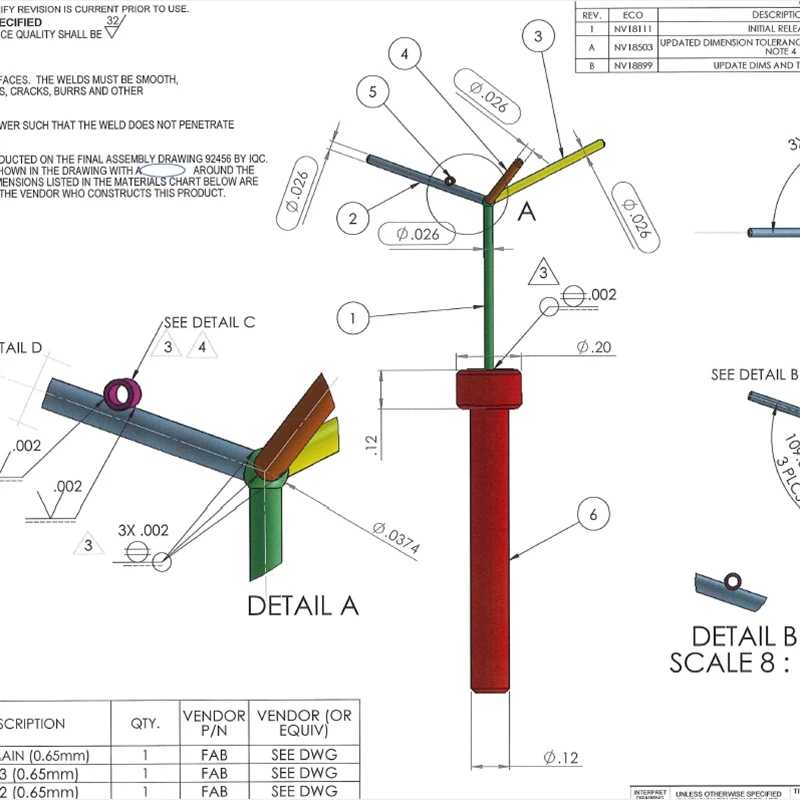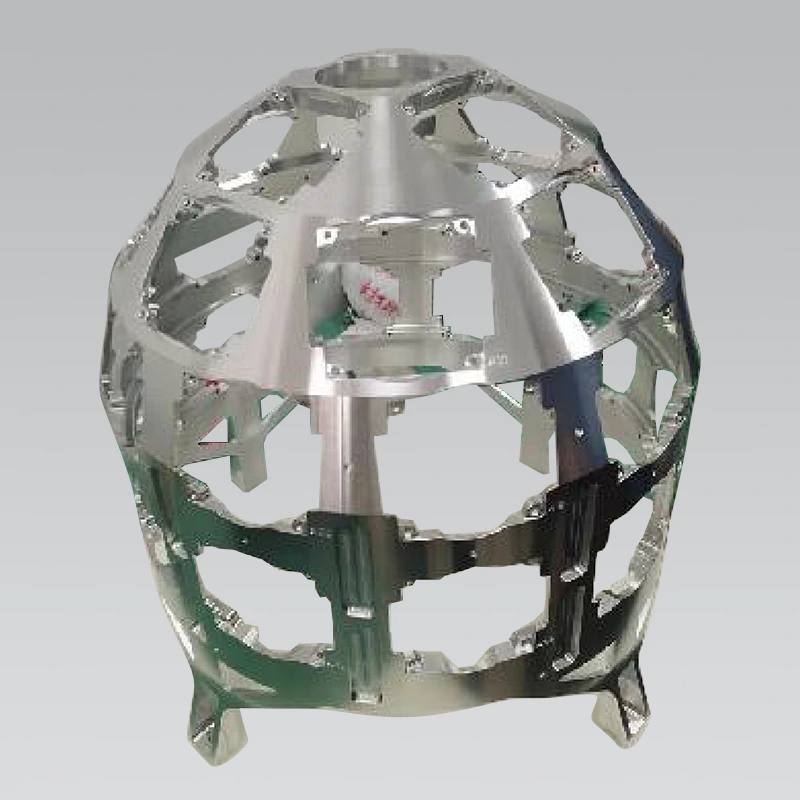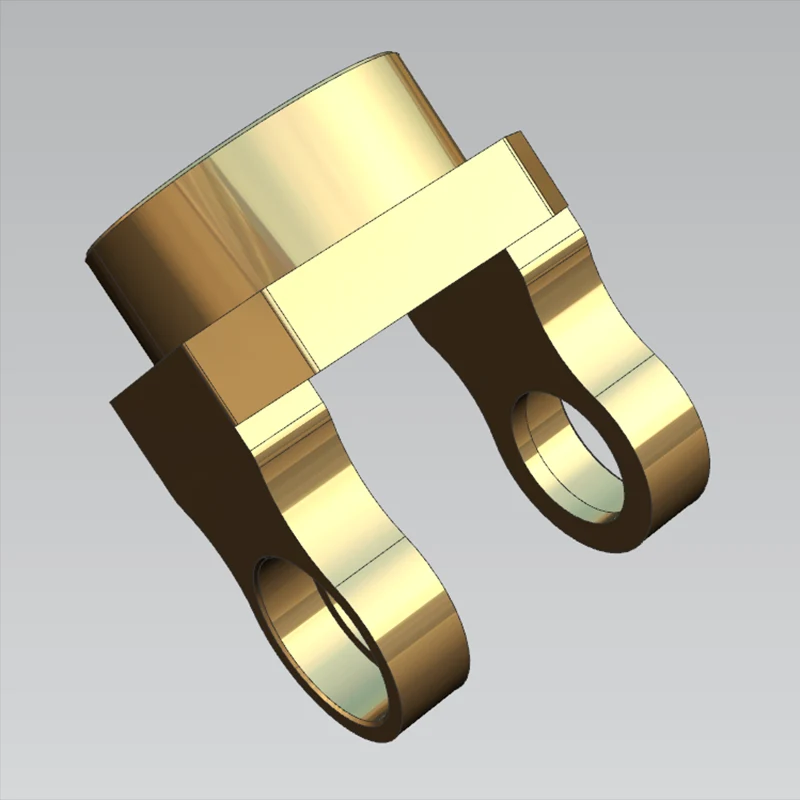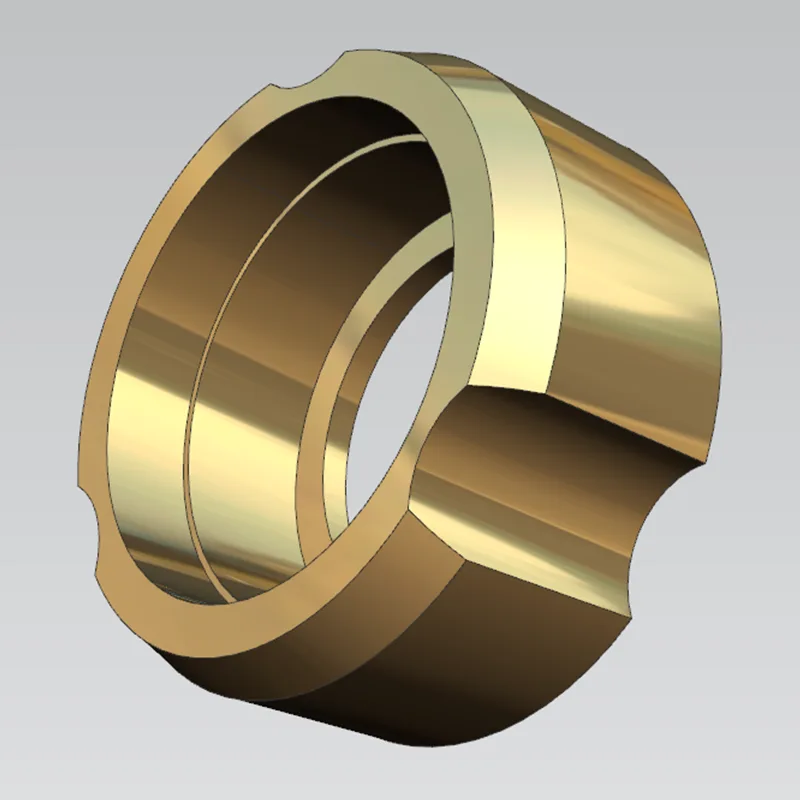

Your drawing shows a deep microhole, narrow groove or small cavity in a hard metal. A conventional cutter may not reach it, and a tiny drill may deflect or break. Micro EDM may solve the problem by removing conductive material with controlled electrical discharges rather than direct cutting force. The real question isn’t simply how small the feature is. Material conductivity, depth, access, flushing, electrode wear and inspection all affect feasibility.
Micro EDM is suited to small, detailed features in electrically conductive workpieces, including hardened metals and difficult-to-cut alloys. Because the electrode doesn’t mechanically cut the part, the process can avoid tool pressure that might bend a thin wall, distort a delicate component or snap a slender cutting tool.
That makes micro EDM machining services worth considering for microholes, micro shafts, cavities, grooves and complex three-dimensional details. Hardness alone usually isn’t the deciding barrier, but the exact material grade still matters: electrical and thermal behavior influence discharge stability, wear, speed and surface condition.
During EDM, the electrode and workpiece are separated by a controlled gap in a dielectric medium. Repeated electrical discharges remove minute amounts of workpiece material. A motion-control system maintains the gap while debris is cleared from the working area.
The electrode determines much of the resulting geometry. A shaped electrode can reproduce a cavity or groove, while a fine electrode can produce a small hole. In micro EDM milling, the machine moves an electrode along programmed paths to build a feature progressively.
Electrodes also erode. Wear compensation accounts for changes in electrode length or shape, but it doesn’t make wear disappear. Final accuracy depends on the electrode strategy, machine condition, discharge settings, flushing, workpiece setup and measurement method—not on a minimum-feature claim viewed in isolation.
The correct route follows the geometry. Start with the feature’s depth, opening, profile and access rather than choosing a process from the industry label alone.
Microhole EDM is a practical candidate when a hole is very small relative to its depth, the material is conductive, or mechanical drilling creates unacceptable breakage and burr risk. Possible applications include precision openings, flow passages and other small functional holes in medical device, semiconductor and microelectronics components.
High-aspect-ratio microholes are not defined by diameter alone. Hole depth, entry and exit conditions, allowable taper, edge condition and debris removal matter. Blind holes can be harder to flush than through holes, while intersecting passages introduce alignment and breakout concerns. Medical or semiconductor use also requires application-specific cleanliness, documentation and validation beyond machining feasibility.
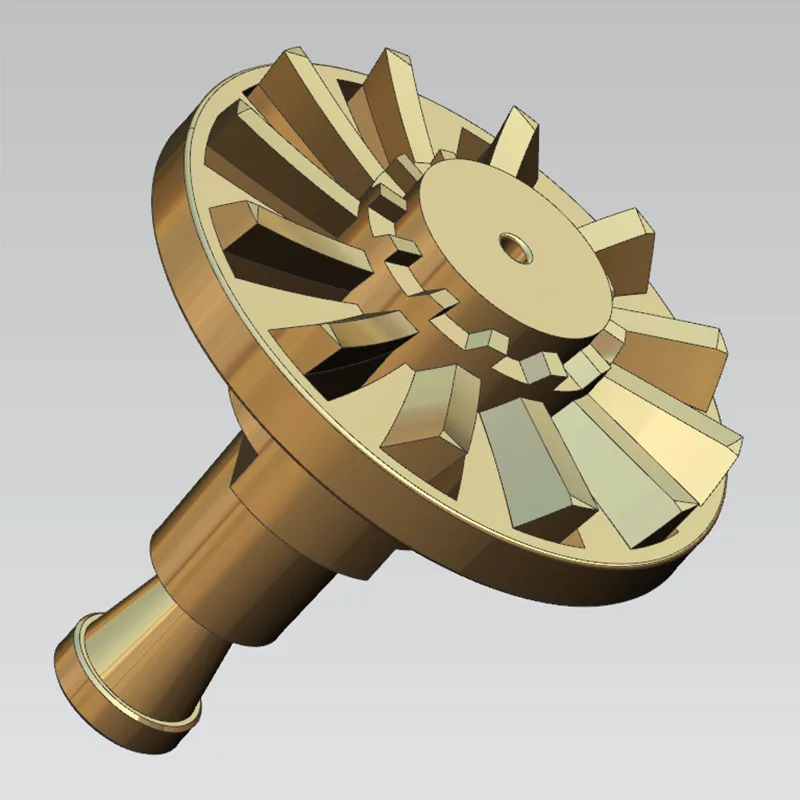
Micro EDM milling uses controlled electrode movement to generate cavities, channels and three-dimensional details without requiring a unique full-form electrode for every shape. Shaped-electrode EDM can be more direct when the geometry is repeatable and the electrode can be fabricated and inspected reliably.
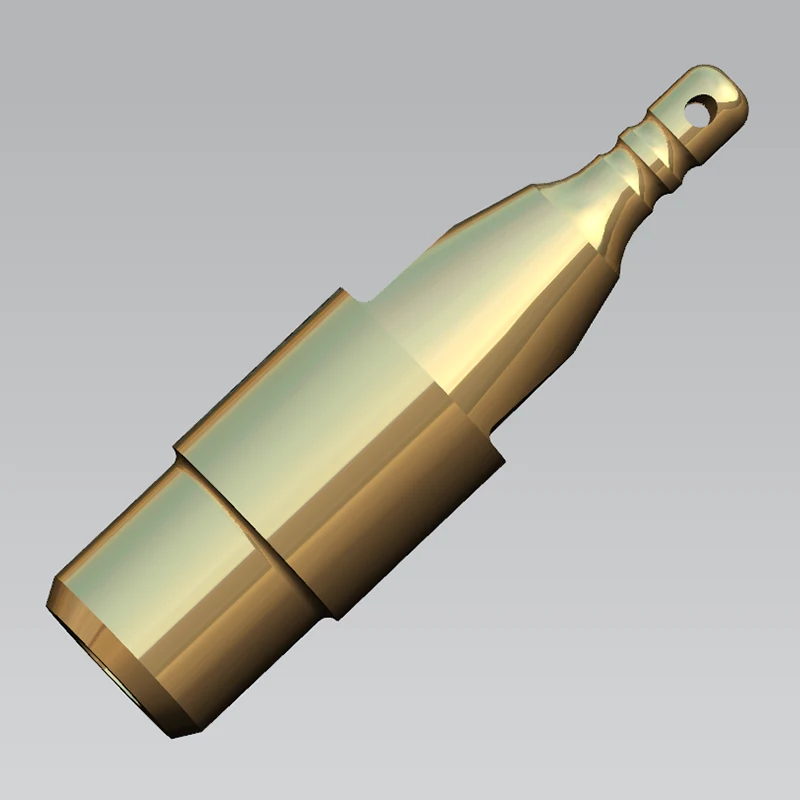
These routes may suit precision molds, MEMS-related parts and complex components with inaccessible internal corners. Electrode fabrication is part of the process plan, not an afterthought. If a tungsten electrode or another electrode material is proposed, ask how its stiffness, wear behavior, manufacturability and cost fit the geometry. Sanluo Precision lists micro electrode fabrication and 3D micro EDM milling among its custom micro EDM capabilities.
A machine may be capable of producing a very small feature under controlled conditions, but that doesn’t establish the tolerance, surface roughness or repeatability available on your part. Capability must be reviewed against the complete drawing and production plan.
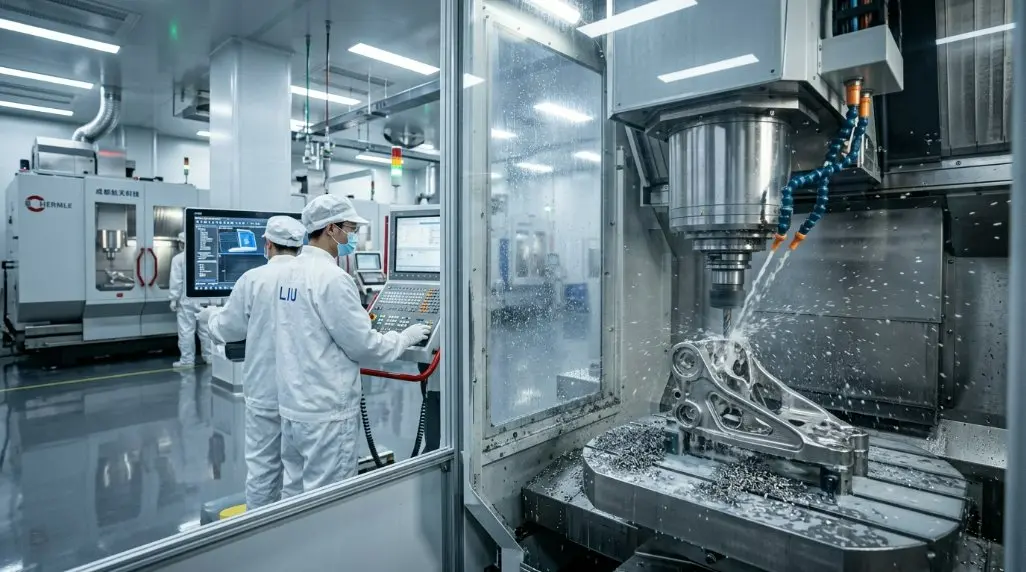
Sanluo Precision identifies SX-100HPM and FO350SP equipment on its micro EDM page. Equipment names are only the start of qualification. Ask which machine and EDM route would be assigned to your feature, then review:
Those inputs determine whether the drawing is feasible as released or needs a change to access, tolerance or geometry.
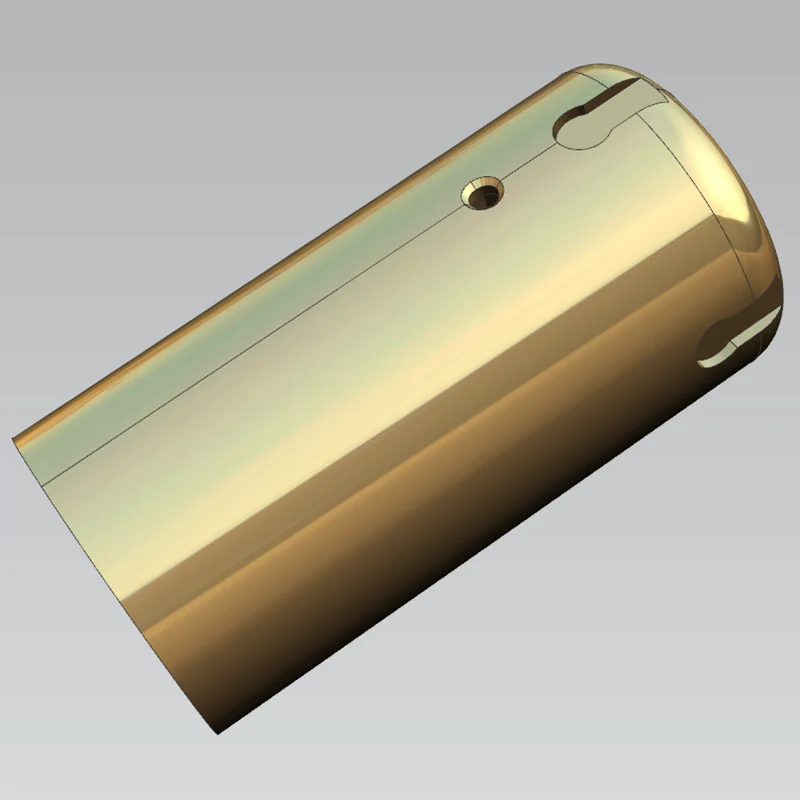
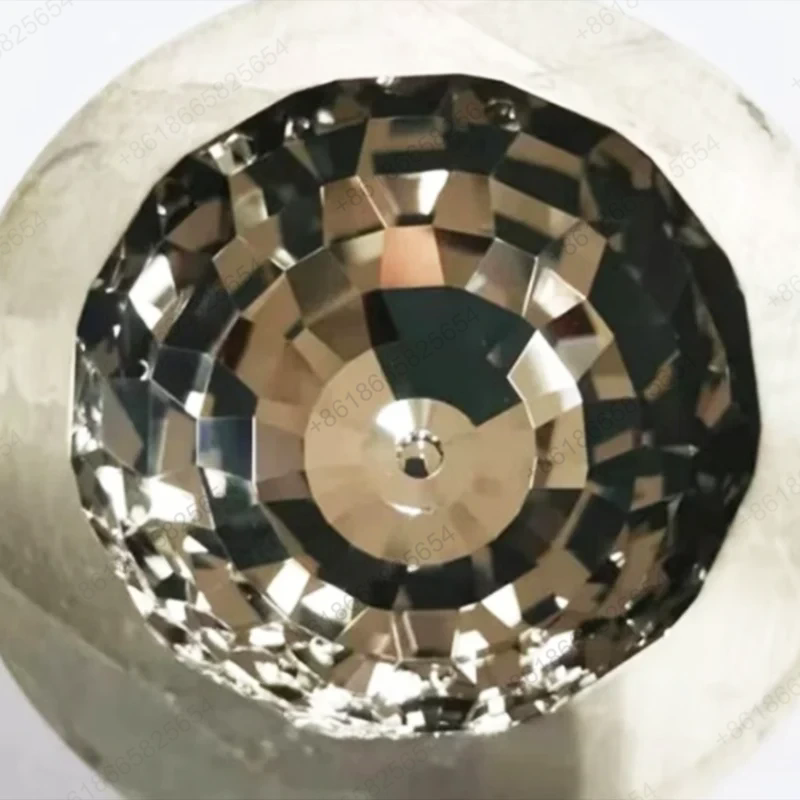
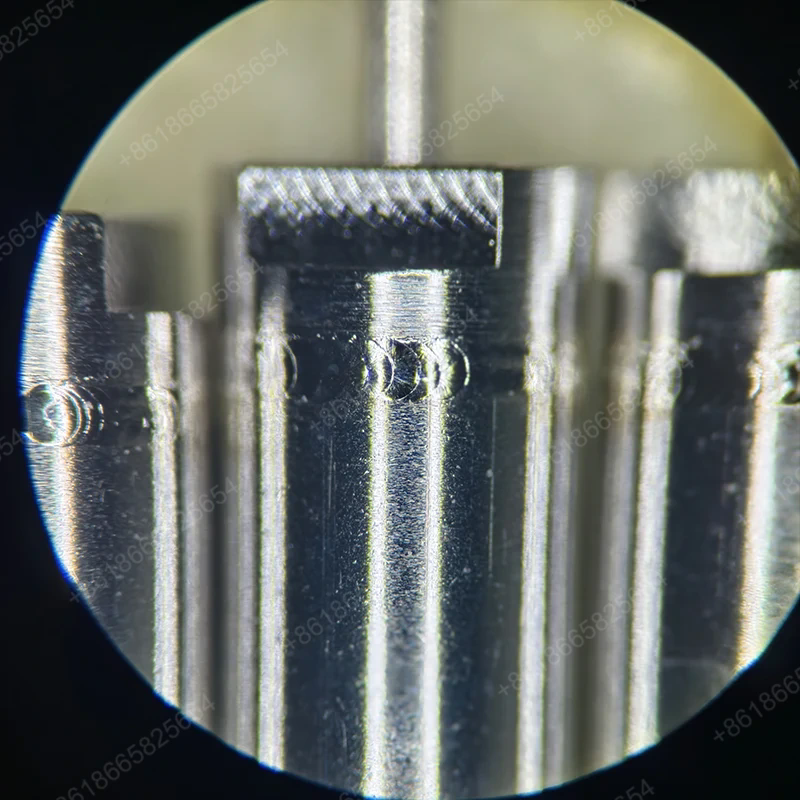
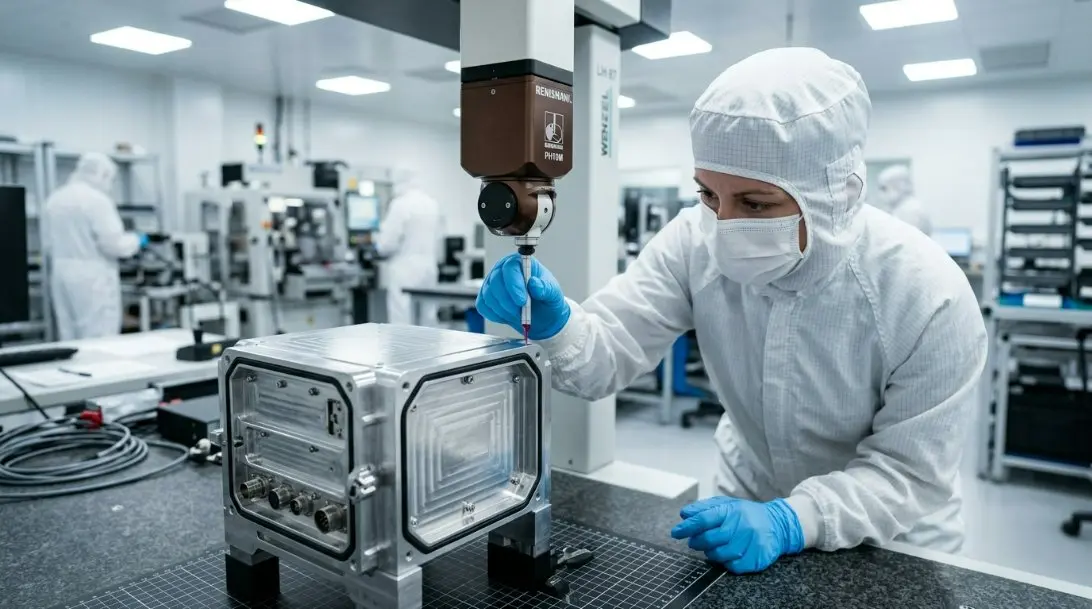
Visual examples can show relevant feature types, but they don’t prove your tolerance. Ask how the critical dimensions will be measured, especially for deep internal features with limited optical or probe access. Request a sample inspection report when appropriate.
If your purchasing or regulatory process requires material traceability, controlled records or certification, state that during quotation. Confirm the available options and request current evidence rather than assuming that experience in a particular industry automatically covers your compliance requirements.
Standard EDM requires an electrically conductive workpiece. A nonconductive material generally points to another process. Micro EDM may also be a poor economic choice for an easy, accessible feature that can be drilled, milled, ground or turned faster.
Deep enclosed geometry can trap debris and destabilize discharges. Electrode wear may affect form accuracy or require multiple electrodes. EDM can also leave a thermally affected surface and recast layer, so specify surface integrity requirements rather than surface roughness alone. If that condition is unacceptable, secondary finishing or a different process may be necessary.
Inspection access is another common oversight. A feature that can be machined but not measured with the required uncertainty is not production-ready. Resolve the measurement method before approving the process.
Send the native drawing or a clear PDF with the material grade, critical dimensions, tolerances, surface requirements, quantity and intended function. Identify which features are truly critical; applying the tightest tolerance to every dimension can add electrode work, inspection time and cost without improving the part.
Sanluo Precision supports drawing-based inquiries ranging from one-piece orders to production quantities. Start with a micro EDM drawing review to confirm the process route, inspection approach and production cycle. If the part is conductive, the feature is difficult to reach mechanically, and EDM surface characteristics are acceptable, micro EDM is a strong candidate.
-