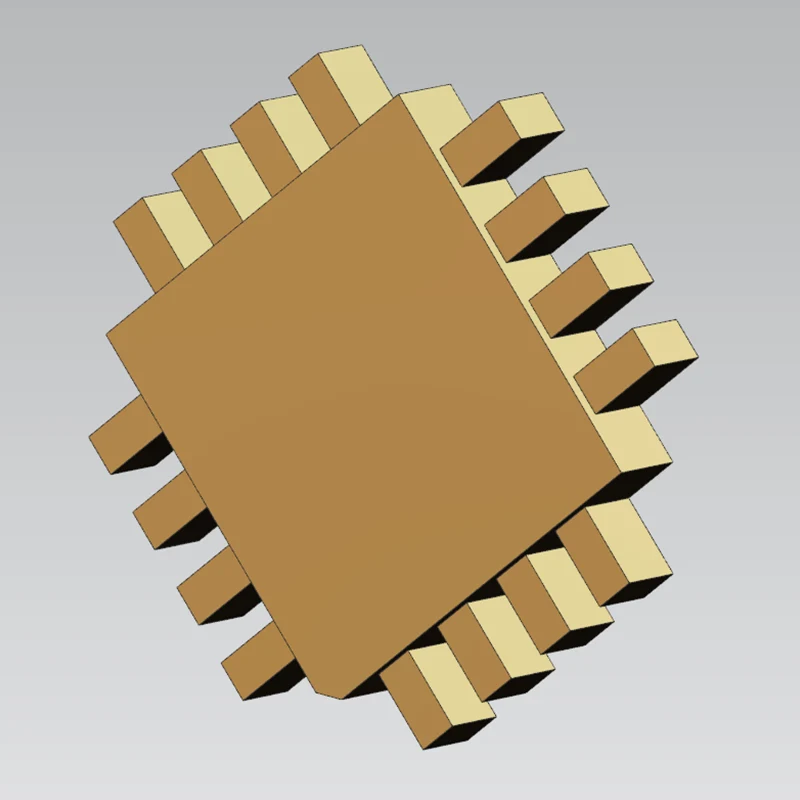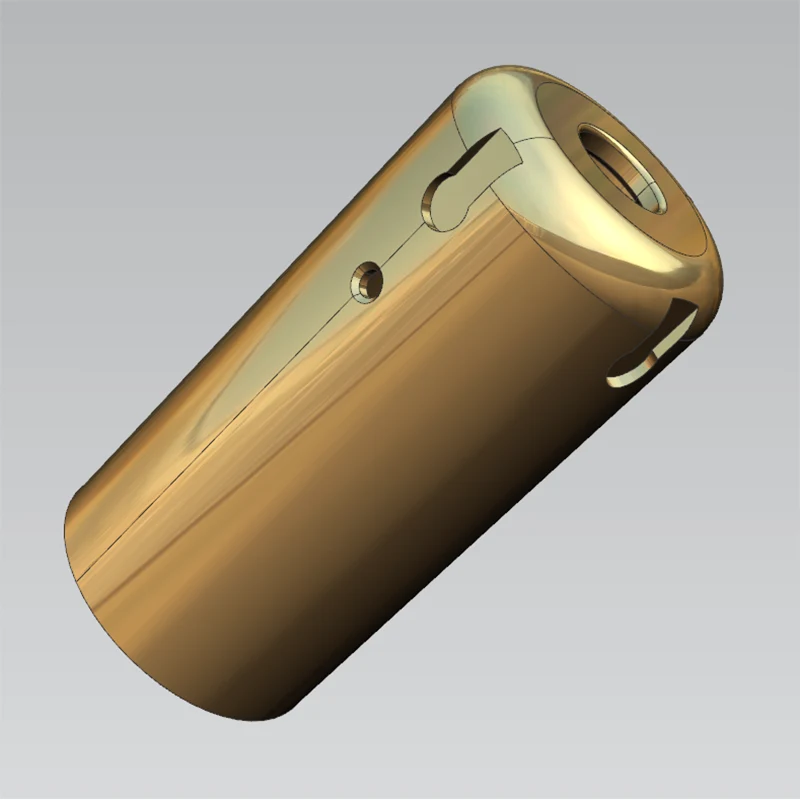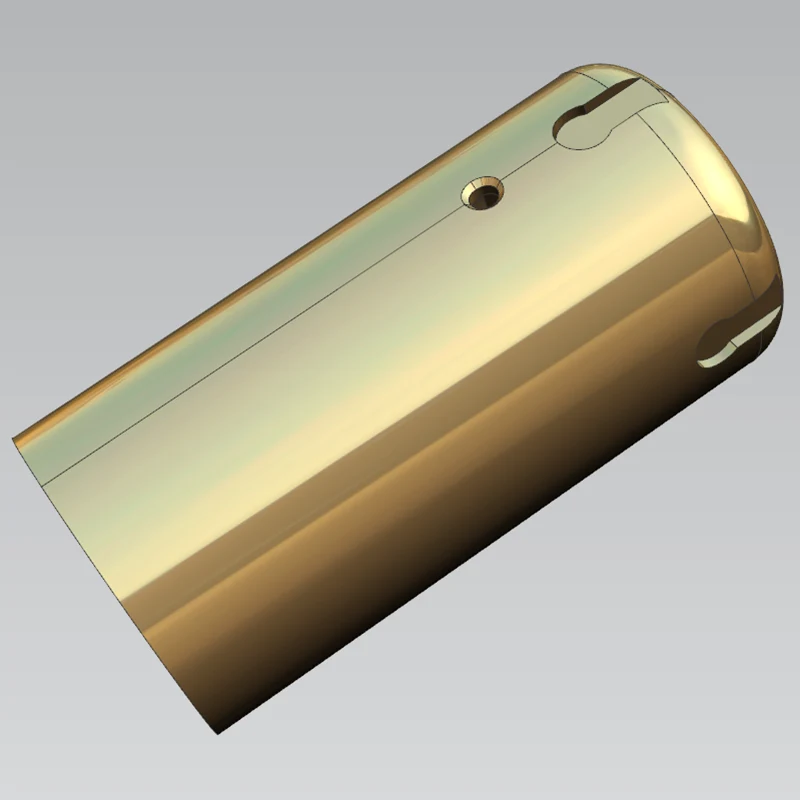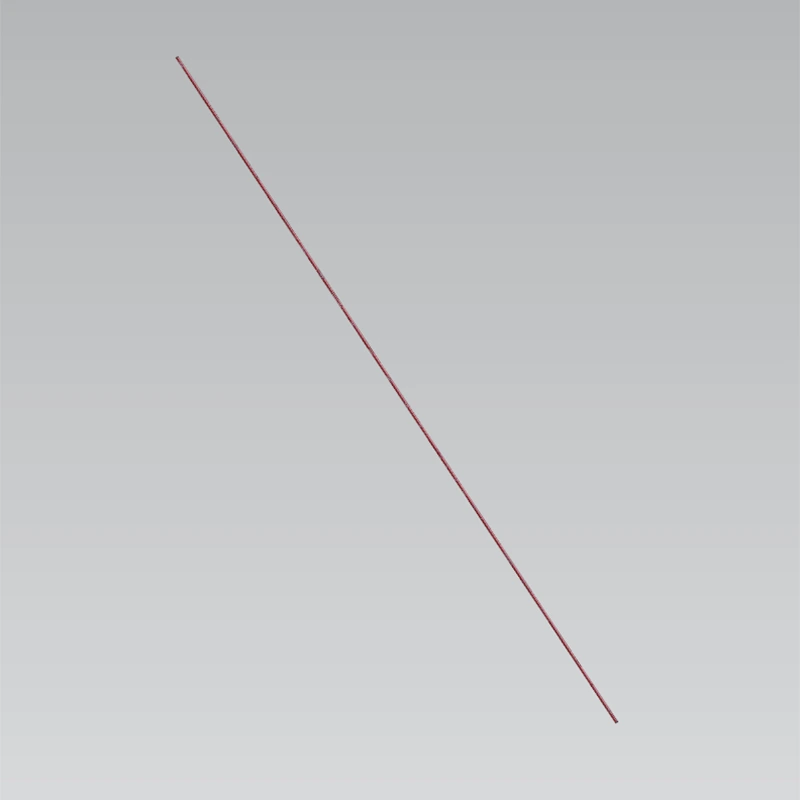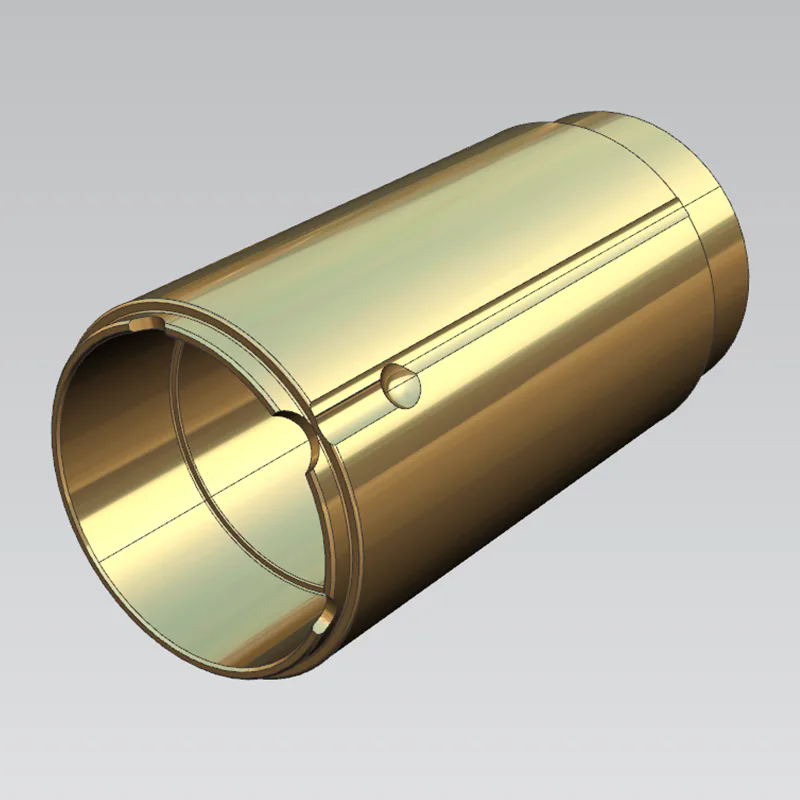

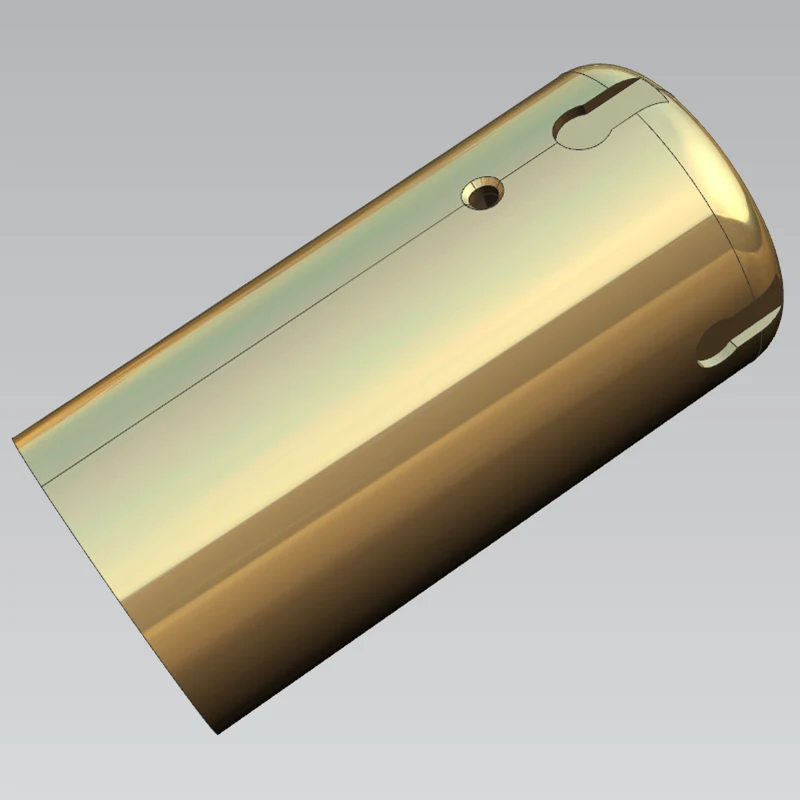
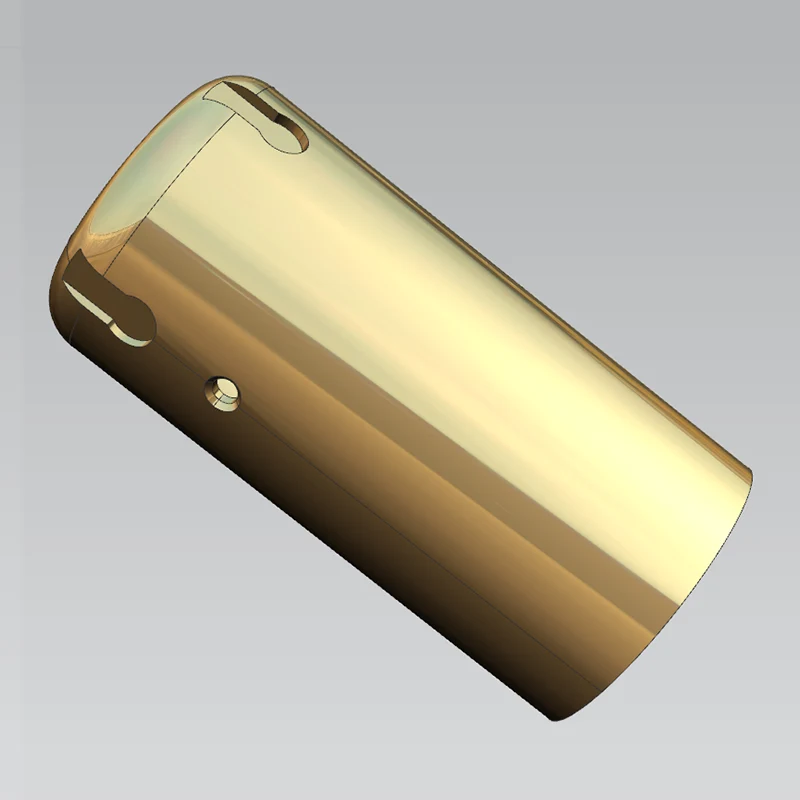
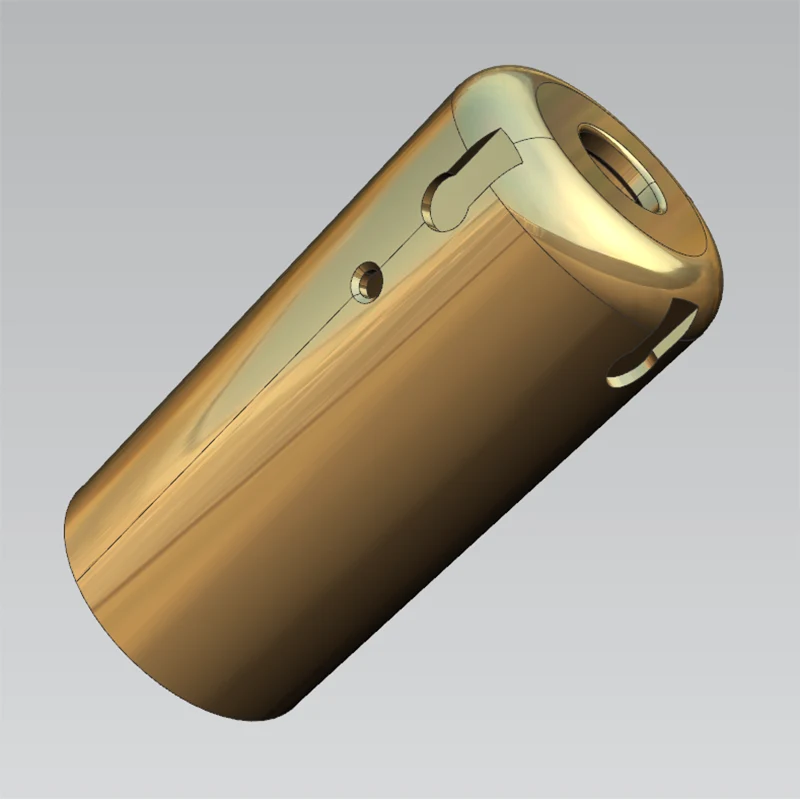
Sanluo is China's dedicated factory and supplier for Micro Shaft Parts Super Precision Turning. Since 2007, we have refined the art and science of manufacturing precision micro-shafts—those slender, critical components that transmit motion, bear loads, and enable functionality in everything from medical implants to aerospace sensors. Our 8,000㎡ facility in Shenzhen houses specialized Swiss-type turning cells staffed by engineers who understand that a micro-shaft just 0.1mm in diameter must perform with the same reliability as its full-sized counterparts. With roundness down to 0.0003mm, coaxiality of 0.0005mm, and surface finishes as smooth as Ra0.01μm, our micro-shafts set the standard for precision in rotational manufacturing.
Manufacturing micro-shafts to super precision standards requires more than just a good lathe—it requires a complete process ecosystem that controls every variable from material preparation to final inspection.
For micro-shafts, Swiss-type turning is the gold standard technology. Unlike conventional lathes where the workpiece is held in a chuck and extends into the cutting zone, Swiss-type machines use a guide bushing that supports the workpiece right at the point of cutting. This eliminates deflection and allows us to produce shafts with exceptional straightness and concentricity, even at very high length-to-diameter ratios.
| Aspect | Swiss‑Type Turning | Conventional Turning |
|---|---|---|
| Workpiece support | Guide bushing supports at cutting point, eliminates deflection | Chuck holds workpiece; overhang causes bending and vibration |
| Suitable L/D ratio | Stable for L/D > 20:1 (slender shafts) | Limited; slender shafts tend to chatter or bend |
| Precision capability | Sub‑micron roundness, coaxiality, straightness | Lower accuracy due to workpiece rigidity issues |
| Surface finish | Ultra‑low cutting force + 50,000 RPM spindle → Ra ≤ 0.01μm | Higher cutting force; rougher surface harder to control |
| Single‑setup machining | Multi‑axis (e.g., 7‑axis) with main/sub‑spindles completes both ends in one setup | Often requires multiple setups, increasing alignment errors |
| Feature | Description |
|---|---|
| Ultra‑low cutting force | Minimizes workpiece deformation – critical for slender micro‑shafts that would otherwise bend under conventional pressures |
| High‑speed precision turning | Spindle speeds up to 50,000 RPM deliver 2‑3× the efficiency of conventional methods while improving surface quality |
| Diamond tool precision | Single‑crystal diamond tools with tip radii 0.01‑0.1mm and wear compensation of ±0.0001mm ensure consistent cutting |
| Thermal error compensation | Real‑time adjustment for temperature‑induced growth and distortion |
| Dry cutting capability | Environmentally friendly; eliminates coolant contamination risks for medical and food‑grade applications |
Different micro-shaft applications require different material properties. We work with an extensive range of materials, each with specialized machining parameters optimized for shaft applications.
| Material Category | Typical Grades | Key Advantages | Typical Applications |
|---|---|---|---|
| Stainless steel | 316LVM, 17‑4PH | Corrosion resistance, biocompatibility | Medical implants, corrosive environments |
| Titanium alloy | Ti‑6Al‑4V | High strength‑to‑weight ratio, excellent biocompatibility | Aerospace, medical, lightweight structures |
| Tool steel | High‑speed steel, PM steel | High hardness, wear resistance | Wear‑critical parts, cutting tools |
| High‑temperature alloy | Inconel, Hastelloy | Heat resistance, anti‑corrosion | Extreme temperature environments, turbine components |
| Ceramic | Zirconia, alumina | Ultra‑hard, chemically inert, electrically insulating | High‑wear, insulating shafts |
| Sapphire | Single‑crystal Al₂O₃ | Extreme hardness, optical transparency | Optical windows, high‑wear components |
| Engineering plastics | PEEK, PEI, PAI | Lightweight, corrosion‑resistant, self‑lubricating | Medical, semiconductor, lightweight parts |
| Non‑ferrous alloys | Brass, copper, aluminium | Excellent electrical and thermal conductivity | Electrical connections, heat sinks |
Each material is machined using optimized cutting strategies, tool selections, and speed/feed parameters developed by our process engineering team. This ensures that regardless of material, your micro-shafts achieve the same level of precision and surface quality.
| Shaft Type | Description |
|---|---|
| Straight micro‑shafts | Uniform diameter for bearing and pivot applications |
| Stepped micro‑shafts | Multiple diameter steps with precise shoulder positioning |
| Tapered micro‑shafts | Precision tapers for tool holders and optical alignment |
| Threaded micro‑shafts | Fine‑pitch threads down to 0.05mm pitch at grade 2‑4 precision |
| Grooved micro‑shafts | Retaining ring grooves, seal grooves, and feature grooves as narrow as 0.05mm |
| Custom profile shafts | Complex geometries designed for specific applications |
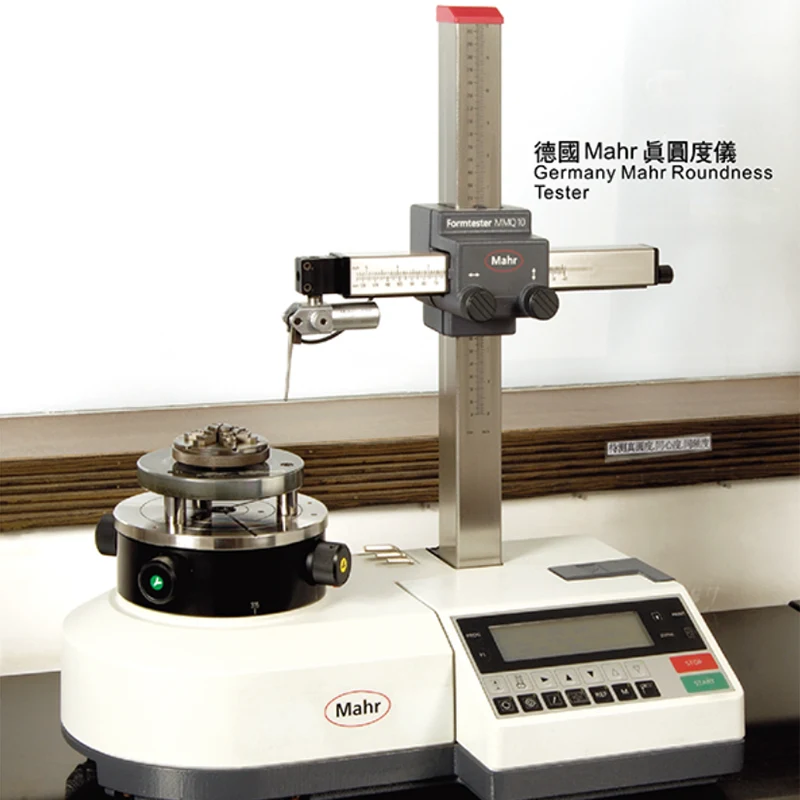
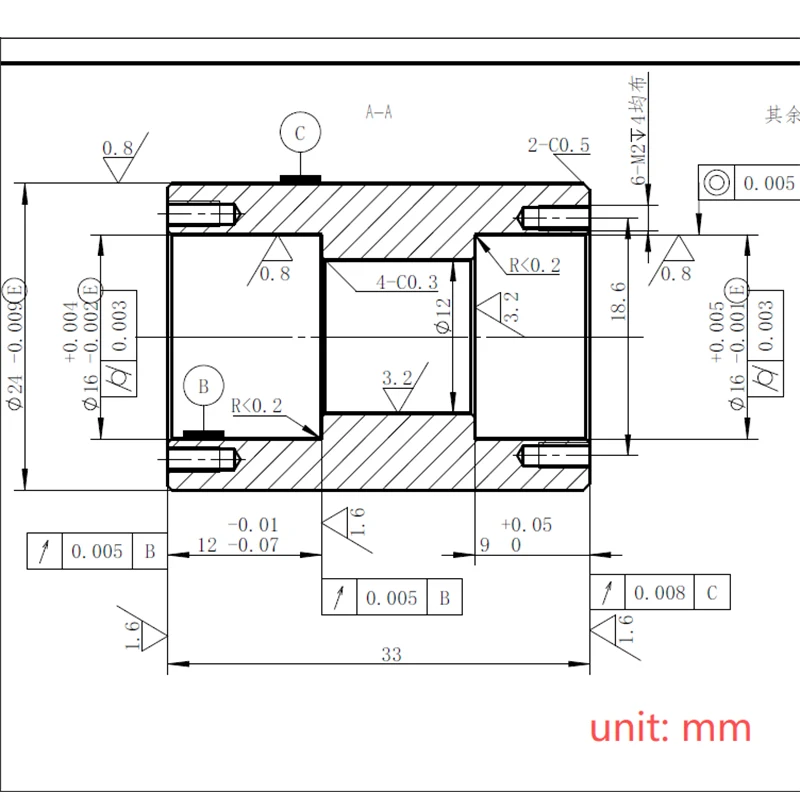
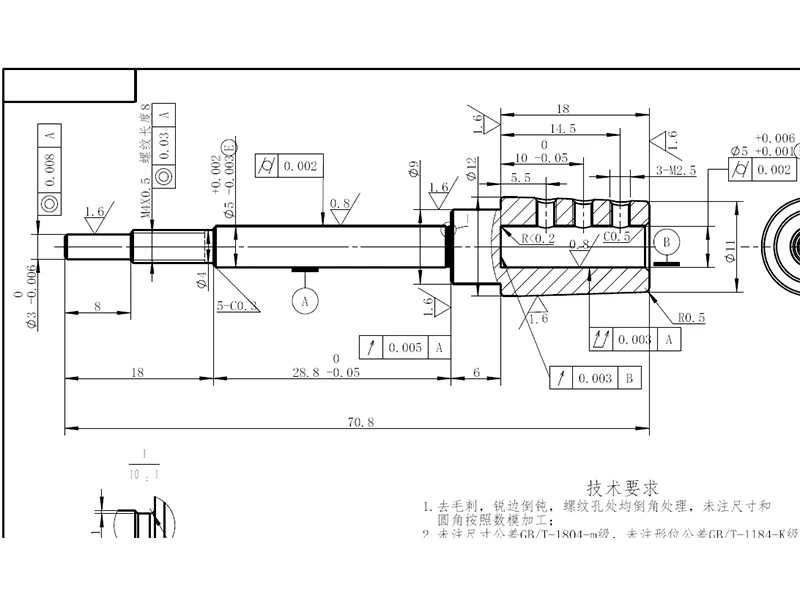
For micro-shafts, dimensional accuracy is only half the story. Geometric tolerances—roundness, cylindricity, coaxiality, and straightness—are often the critical parameters that determine whether a shaft will function reliably in service. Our super precision turning process delivers geometric accuracy that sets industry benchmarks.
| Geometric Characteristic | Achievable Tolerance (mm) | Typical Application |
|---|---|---|
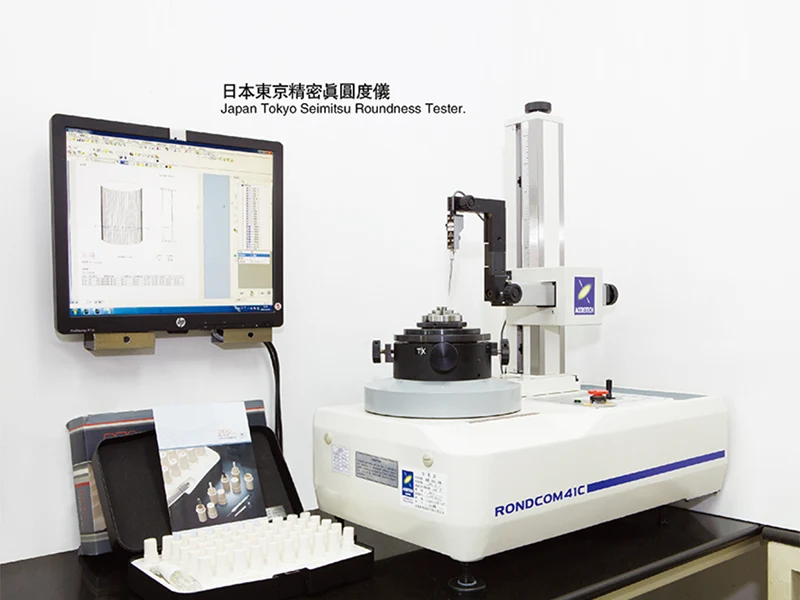
| Roundness | 0.0003 – 0.001 | Bearing journals, precision spindles |
| Coaxiality | 0.0005 – 0.001 | Multi‑step shafts, turbine rotors |
| Cylindricity | 0.001 | Hydraulic spools, piston rods |
| Symmetry | 0.001 | Keyways, flat features |
| Concentricity | 0.001 | Rotating assemblies, balance‑critical parts |
The geometric precision of a micro-shaft directly impacts its performance and service life. A shaft with poor roundness will cause excessive vibration and wear in bearings. Poor coaxiality between diameter steps can lead to binding, premature failure, or reduced efficiency in geared assemblies. Our commitment to sub‑micron geometric accuracy ensures that your micro‑shafts will perform exactly as designed, with maximum reliability and minimum maintenance.
Our Micro Shaft Parts Super Precision Turning has enabled breakthrough applications across multiple industries. Here are some representative examples of our work:
For aerospace turbine applications, we produce micro‑shafts with roundness of 0.0003mm and coaxiality of 0.0005mm. These shafts operate at extreme rotational speeds in high‑temperature environments, where even microscopic dimensional errors can cause catastrophic failure. Our precision ensures smooth operation, minimal vibration, and maximum service life in these critical applications.
Medical devices demand the highest levels of precision and biocompatibility. We manufacture micro‑shafts for implantable devices including cardiac pacemaker components, orthopedic fixation elements, and surgical instrument tips. These shafts are produced from implant‑grade materials with surface finishes of Ra0.01μm, ensuring biocompatibility, minimal tissue irritation, and reliable long‑term performance.
For micrometers and other precision measuring instruments, we produce spindle shafts with grade 2 thread precision and pitch error of just ±0.0002mm. These shafts are the heart of the instrument's measuring mechanism, and their accuracy directly determines the instrument's measurement capability. Our precision enables instruments that measure at the sub‑micron level with absolute reliability.
In automotive fuel injection systems, needle valve shafts control the precise flow of fuel into the combustion chamber. We manufacture these shafts to IT3 grade with ±0.0005mm tolerance and Ra0.02μm surface finish. The ultra‑smooth surface reduces friction and wear, while the tight dimensional tolerance ensures precise fuel metering for optimal engine performance and emissions control.
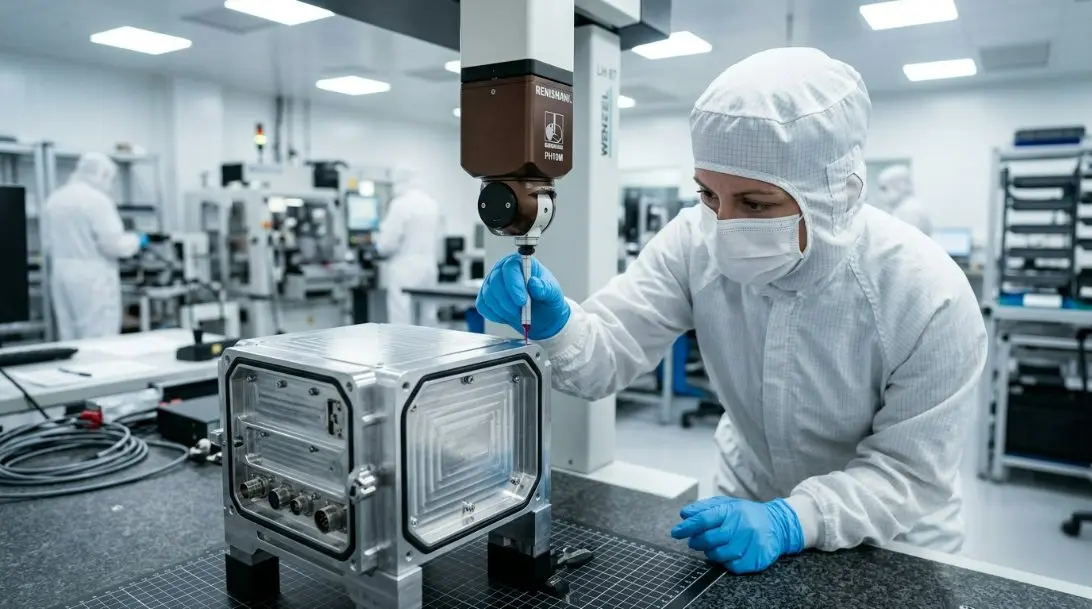
Micro Shaft Parts Super Precision Turning are often critical components whose failure can have serious consequences. That is why we maintain the most rigorous quality assurance program in the industry, backed by ISO9001:2008 certification and a track record of 99.9% qualification rate across 500,000 annual pieces.
A: Our SwissNano ultra‑precision lathe can produce micro‑shafts starting from φ0.1mm in diameter. We regularly manufacture shafts at this scale for medical and semiconductor applications, maintaining ±0.001mm dimensional tolerance and exceptional geometric accuracy.
A: Our Swiss‑type turning technology uses a guide bushing that supports the workpiece right at the cutting point, eliminating deflection that would otherwise cause bending in slender shafts. Combined with our ultra‑low cutting force technology, we can produce shafts with length‑to‑diameter ratios exceeding 20:1 while maintaining excellent straightness and cylindricity.
A: Yes, we regularly manufacture multi‑step micro‑shafts with precise shoulder positioning and excellent coaxiality between steps. Our 7‑axis SwissNano machine can machine both ends of the shaft in a single setup using main and sub‑spindles, ensuring perfect alignment between all features.
A: Our diamond turning process achieves surface roughness from Ra0.01μm to Ra0.8μm. For the most demanding applications, we can deliver mirror finish in the Ra0.01‑0.05μm range, which is essential for bearing surfaces, medical implants, and high‑pressure sealing applications.
A: Yes, we can integrate a full range of secondary processes including vacuum heat treatment, carburizing, nitriding, gold plating, titanium plating, silver plating, passivation, and wear‑resistant coatings. These processes can enhance the hardness, corrosion resistance, and wear performance of your micro‑shafts.
A: We support production quantities from 1 piece up to 999,999 pieces. Our annual output of super precision turned parts exceeds 500,000 pieces with a 99.9% qualification rate. Production cycles typically range from 3 to 20 days depending on complexity and quantity.
A: Absolutely. We can machine micro‑threads with pitch as fine as 0.05mm at grade 2‑4 precision on both ends of the shaft. This includes external threads, internal threads, and custom thread forms, all verified with precision thread gauges and optical measurement systems.
Address
Building A1, Yufeng Industrial Park, Guangming District, Shenzhen, China
Tel