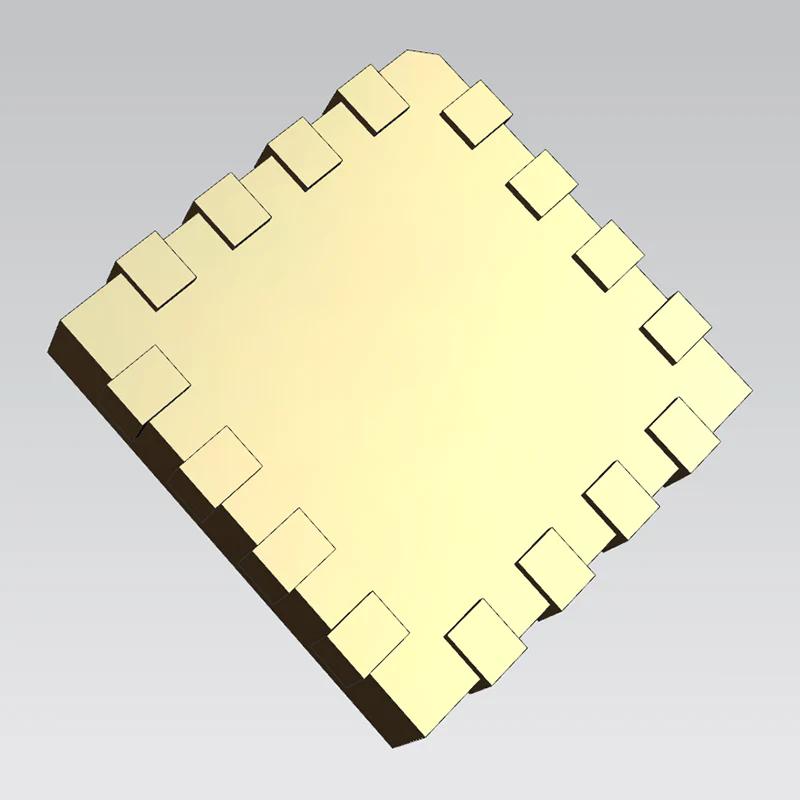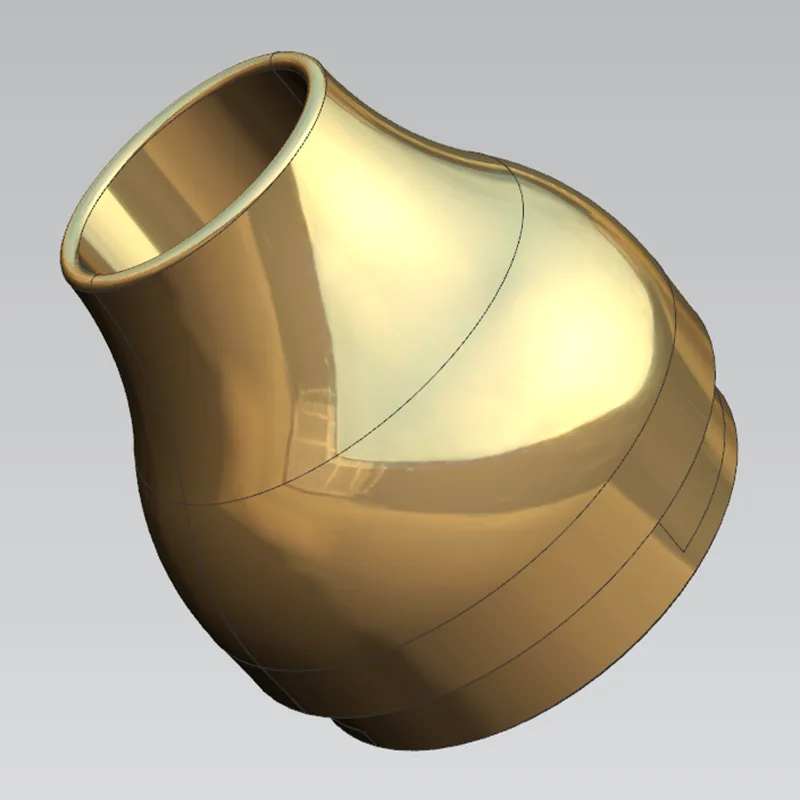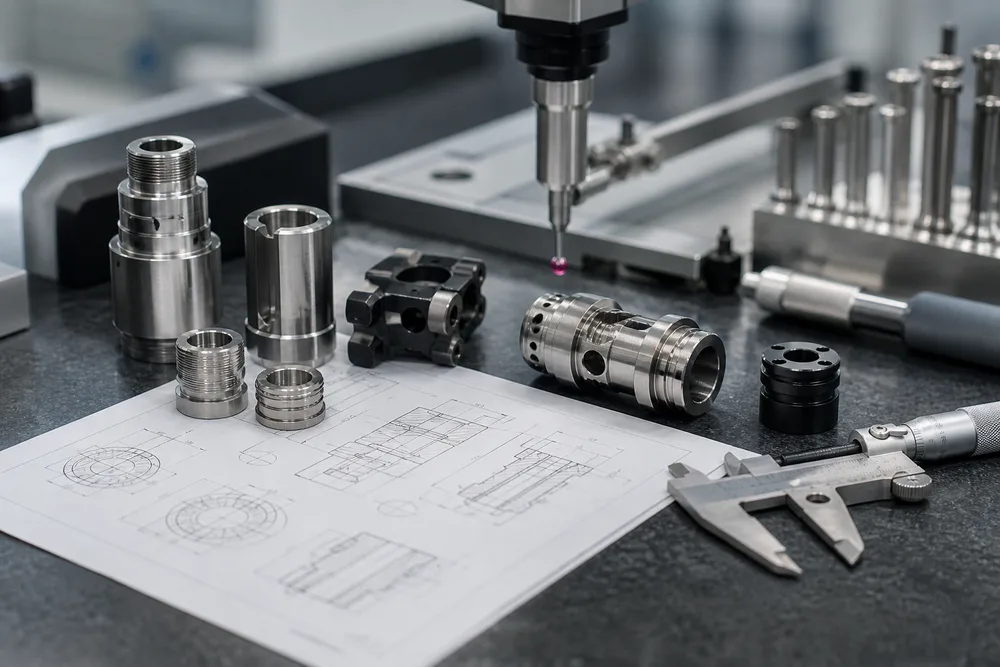

Micro CNC machining has become a critical technology in industries requiring ultra-precise components, such as medical devices, aerospace systems, and electronics. This article explains how micro CNC machining works, why it matters, and how businesses can leverage it to overcome common production challenges like tight tolerances, material limitations, and scalability. By understanding the process and its advantages, manufacturers can make more informed decisions and achieve superior product quality.
Common Challenges and Solutions
Micro CNC vs Traditional Machining
How to Choose a Reliable Supplier
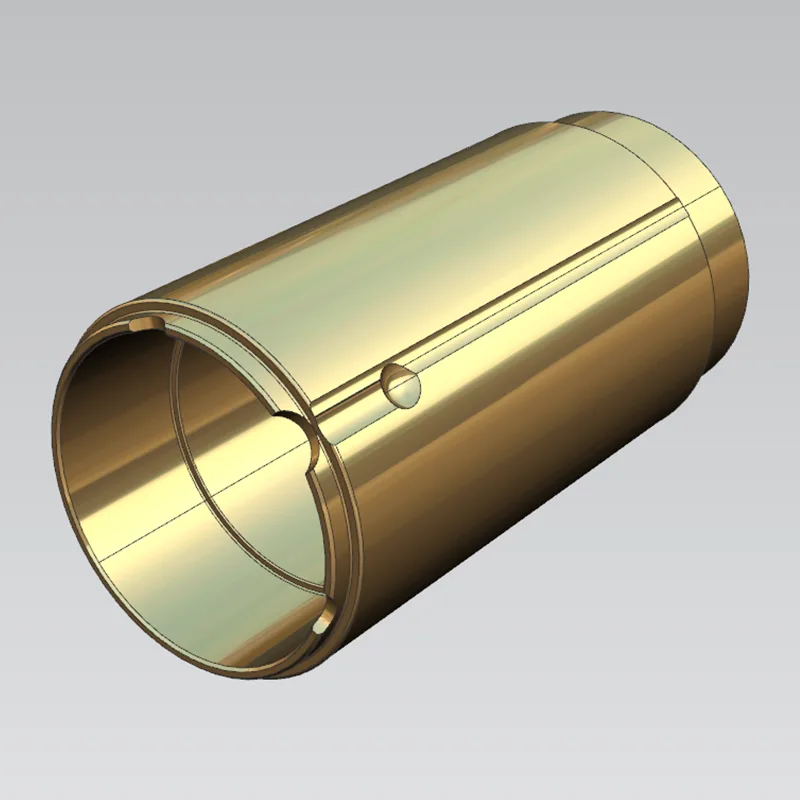
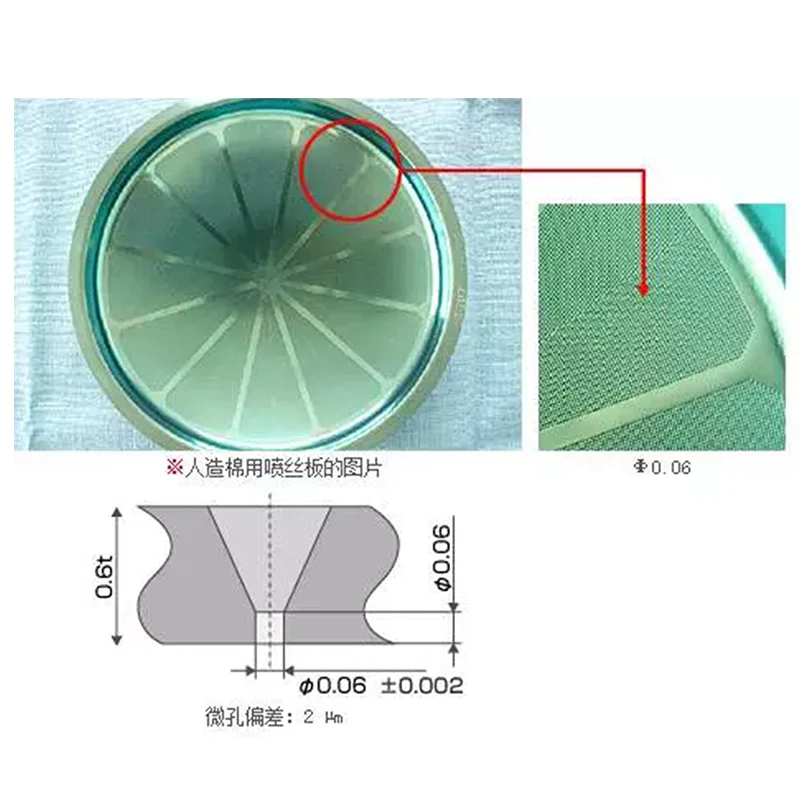
Micro CNC machining refers to the computer-controlled manufacturing process used to create extremely small and highly precise components. These parts often feature dimensions measured in microns and require exceptional accuracy and surface finish.
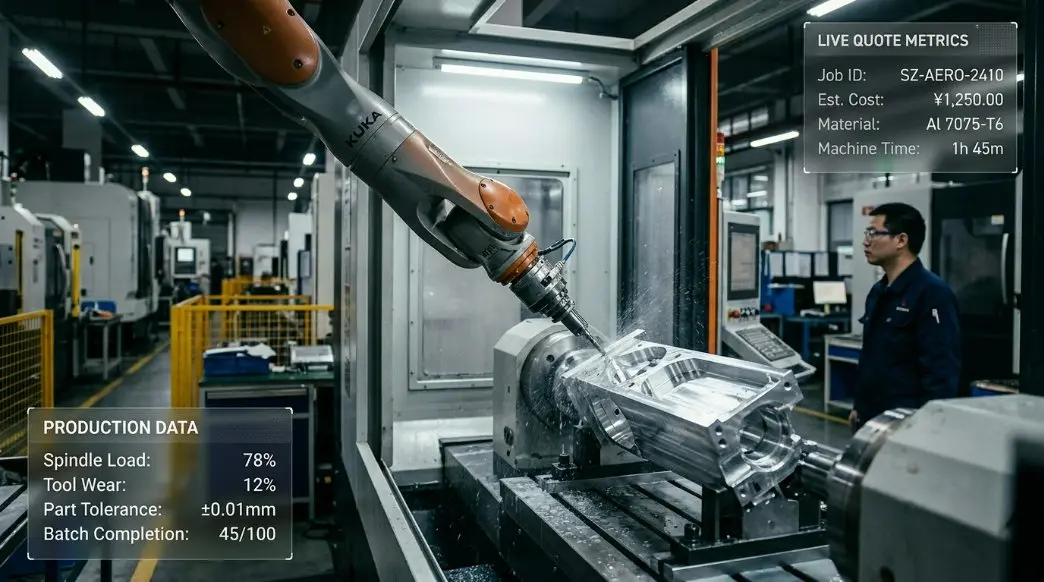
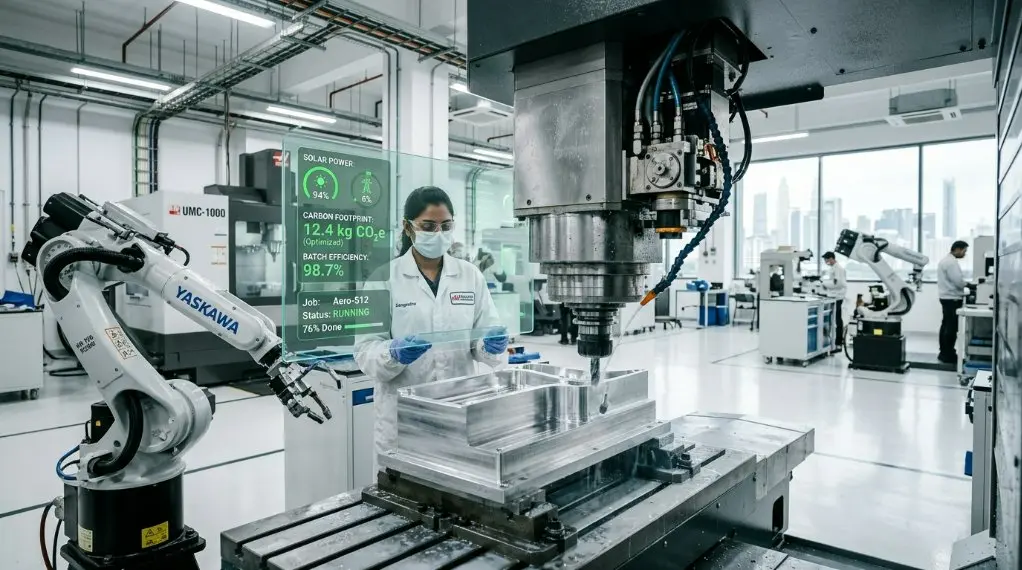
Unlike conventional machining, micro CNC machining operates with specialized tools, high-speed spindles, and advanced software capable of handling intricate geometries. This technology is essential for industries where even minor deviations can lead to product failure.
The micro CNC machining process involves several critical steps, each requiring precision and control:
Each stage must be tightly controlled to ensure consistency and precision in the final product.
These advantages make micro CNC machining indispensable for modern manufacturing environments where quality and consistency are non-negotiable.
Micro CNC machining is widely used across multiple industries:
| Challenge | Solution |
|---|---|
| Tool wear at micro scale | Use high-quality carbide or diamond tools |
| Heat generation | Implement advanced cooling systems |
| Maintaining tight tolerances | Utilize precision calibration and inspection tools |
| Material deformation | Optimize cutting parameters and speeds |
Micro CNC machining supports a variety of materials, including:
Material selection depends on the application requirements, including strength, weight, and environmental resistance.
| Aspect | Micro CNC Machining | Traditional Machining |
|---|---|---|
| Precision | Ultra-high (micron-level) | Standard tolerances |
| Tool Size | Micro tools | Larger cutting tools |
| Applications | Medical, electronics | General manufacturing |
| Complexity | Highly complex geometries | Moderate complexity |
Selecting the right micro CNC machining partner is crucial. Consider the following:
A trusted provider like Sanluo can deliver high-quality micro components tailored to your exact specifications. If you are looking for precision, reliability, and professional support, Sanluo is ready to help—contact us today to discuss your project and get expert guidance.
What tolerance can micro CNC machining achieve?
It can achieve tolerances as tight as ±1 micron depending on the material and design.
Is micro CNC machining suitable for mass production?
Yes, it offers excellent repeatability, making it ideal for both prototyping and large-scale production.
What industries benefit the most?
Medical, aerospace, and electronics industries benefit significantly due to their need for high precision.
How long does production take?
Lead time depends on complexity, material, and quantity, but advanced systems help reduce turnaround time.