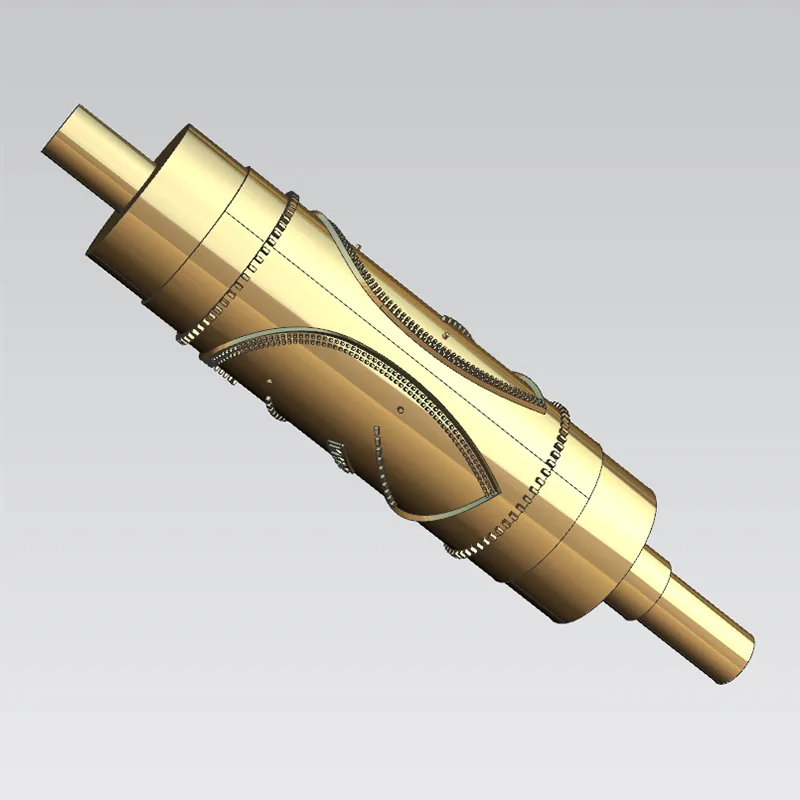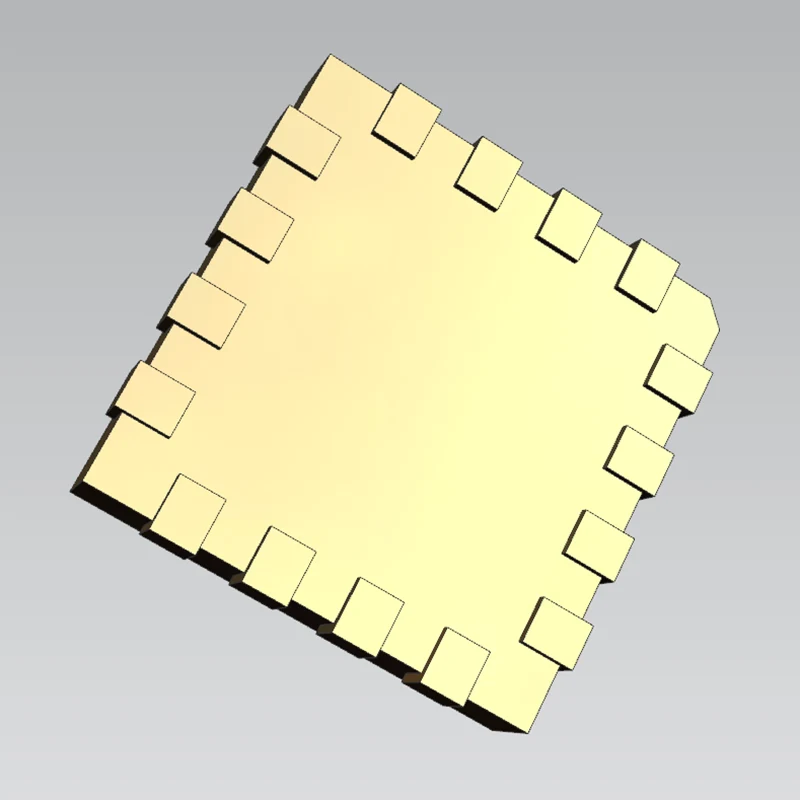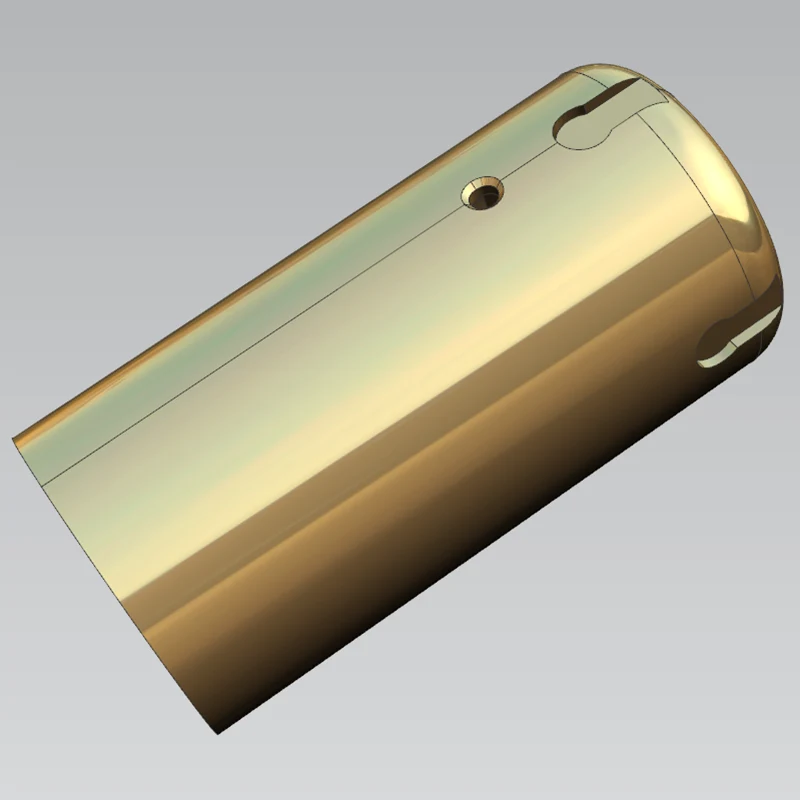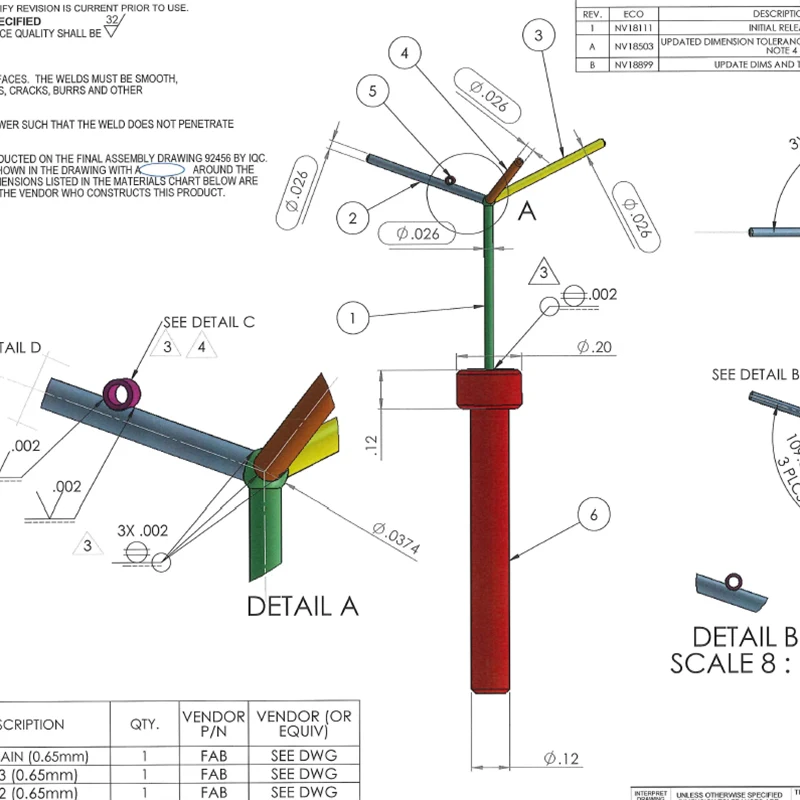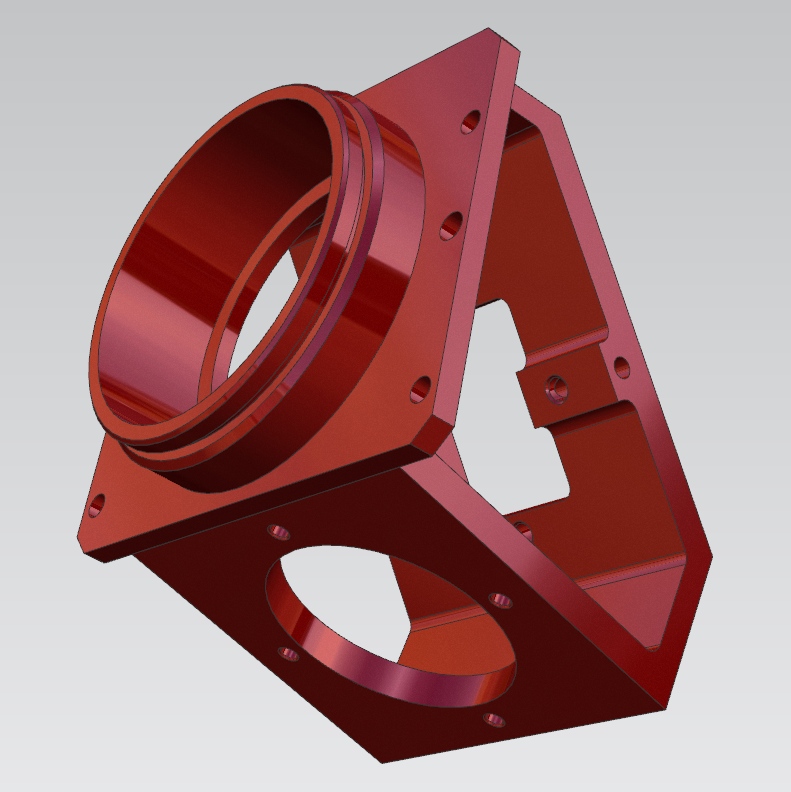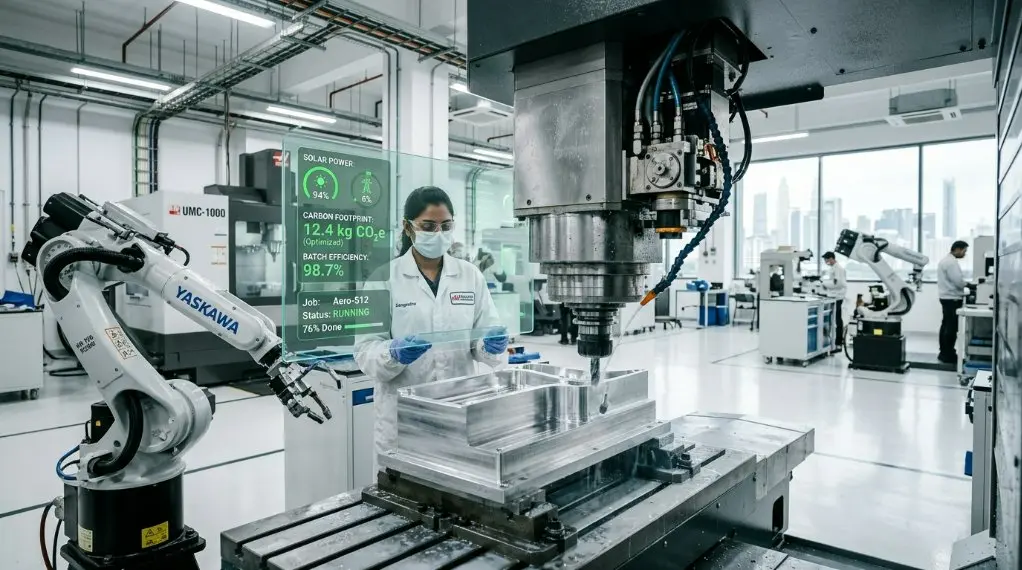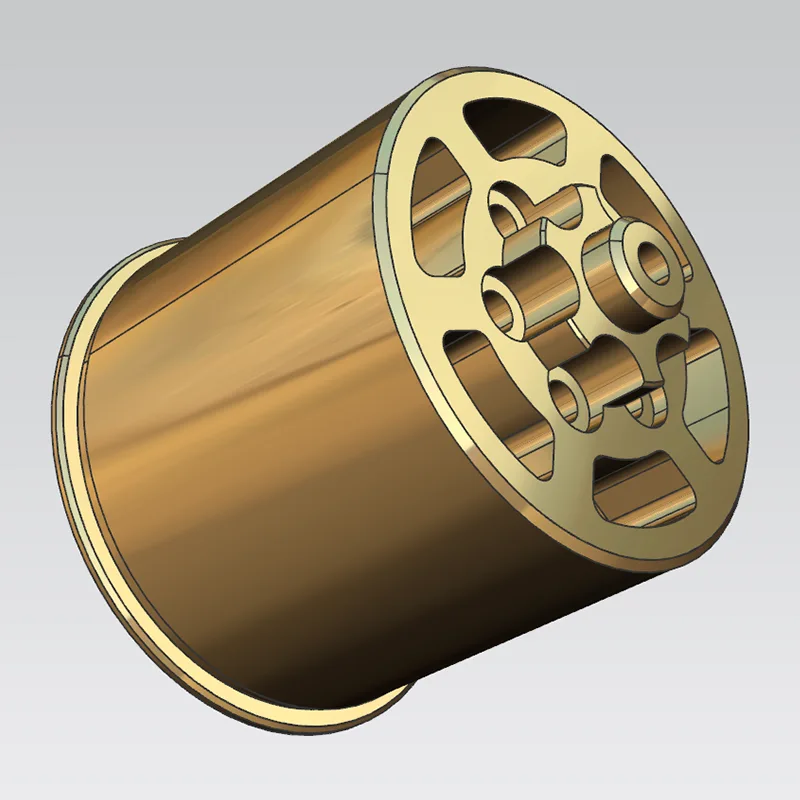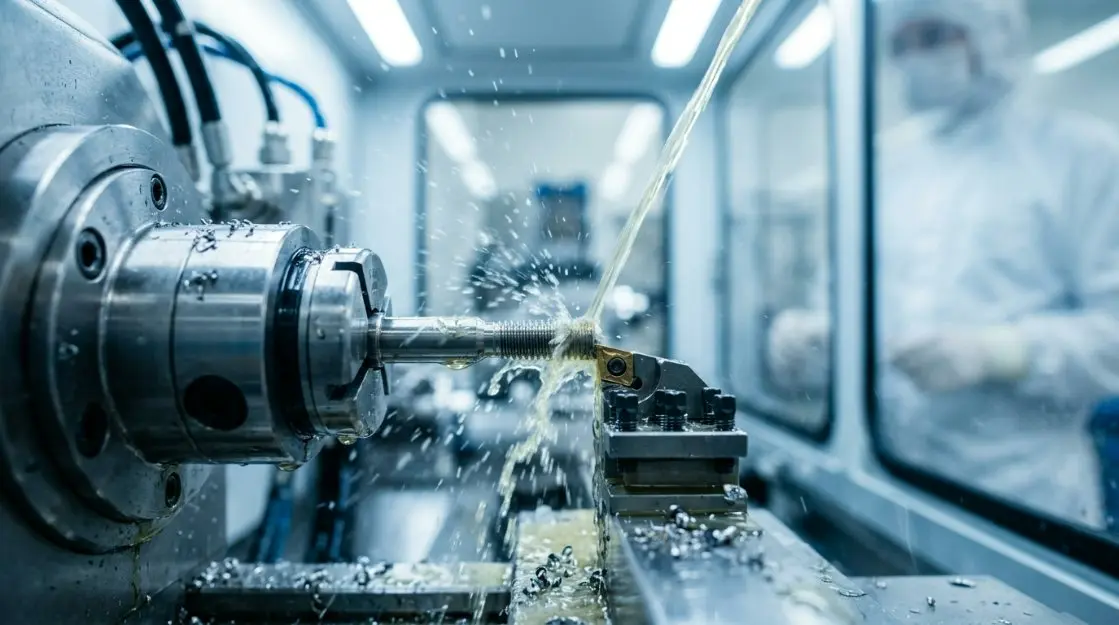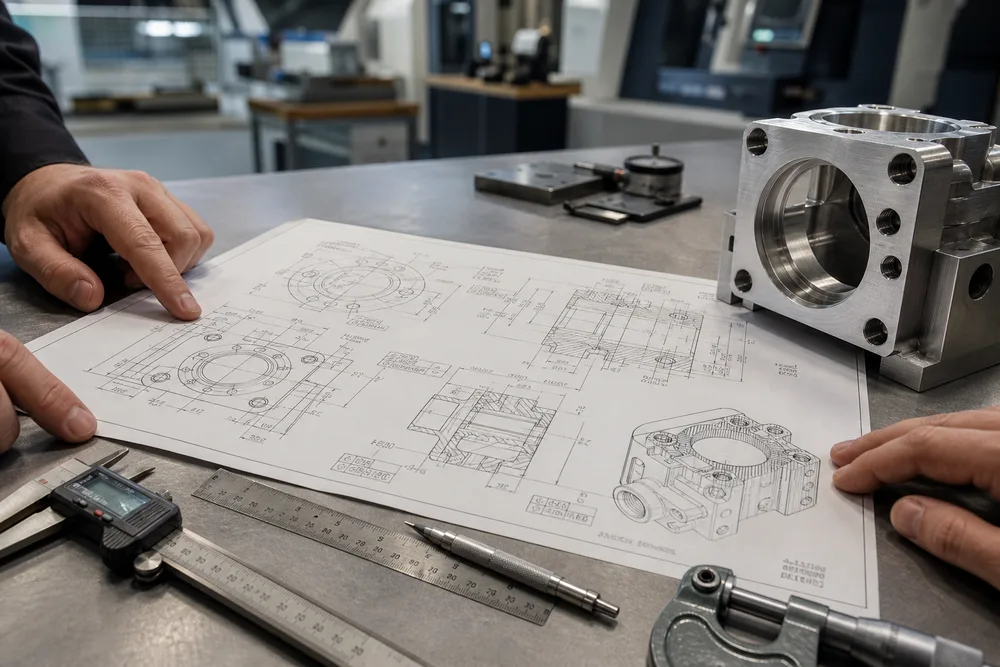

As we enter 2026, the landscape of global aviation manufacturing demands unprecedented precision. Sanluo Precision, a premier manufacturer of CNC machining for aerospace, has optimized its facilities to meet the stringent AS9100 Rev E requirements. Our facility bridges the gap between complex engineering designs and physical reality, delivering zero-defect components for the world's most demanding flight environments.
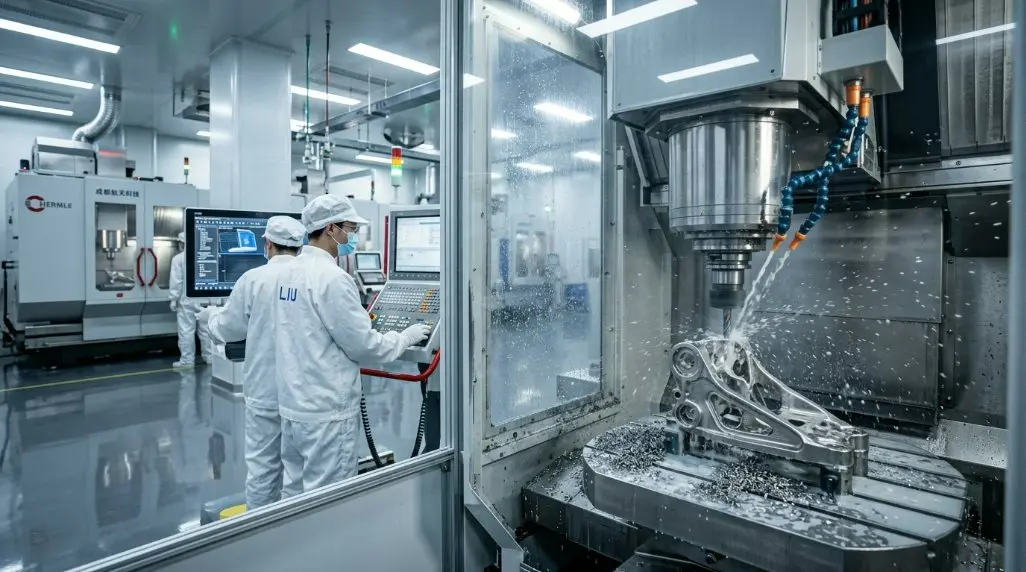
In 2026, aerospace machining is no longer just about cutting metal; it is about data-driven manufacturing. The shift toward AI-integrated quoting and real-time monitoring has redefined how B2B sourcing operates within China. Sanluo Precision stands at the forefront of this evolution, providing aerospace CNC machining services that prioritize reliability and structural integrity for control systems and core structural units.
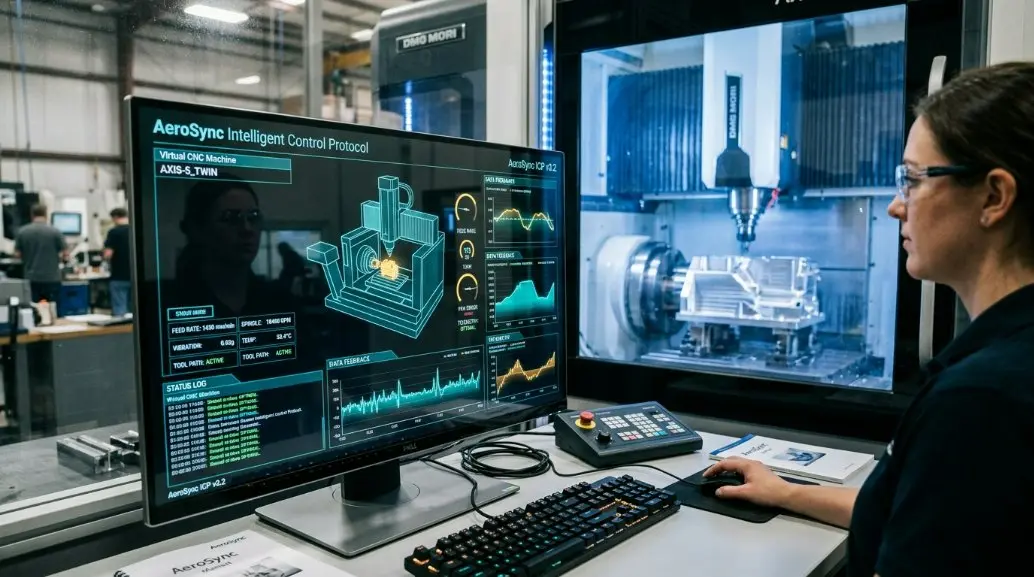
Our cornerstone technological advancement is the AeroSync Intelligent Control Protocol. This proprietary system integrates deep-learning algorithms with multi-axis machining centers to compensate for thermal expansion and tool wear in real-time. By utilizing AeroSync, we achieve dimensional stability within microns, ensuring that every batch of aerospace structural components remains consistent, regardless of atmospheric fluctuations during the manufacturing process. This protocol is the backbone of our high-trust B2B service, allowing for seamless integration into digital twins and smart factory ecosystems.
Aerospace components often operate in extreme environments where environmental sealing is as critical as structural integrity. Follow this professional 2026-standard guide for installing and sealing aerospace-grade components.
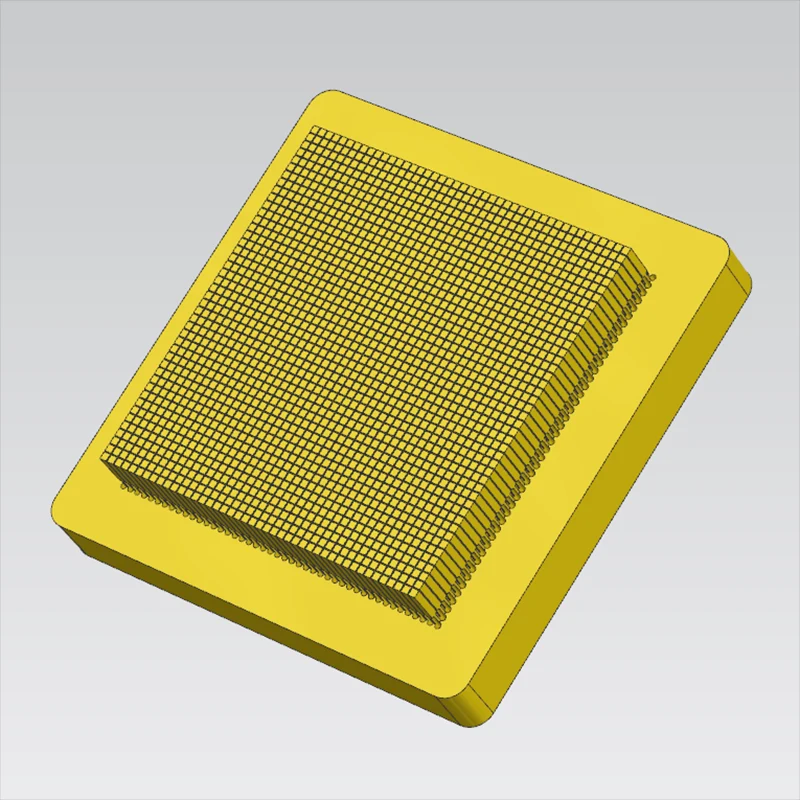
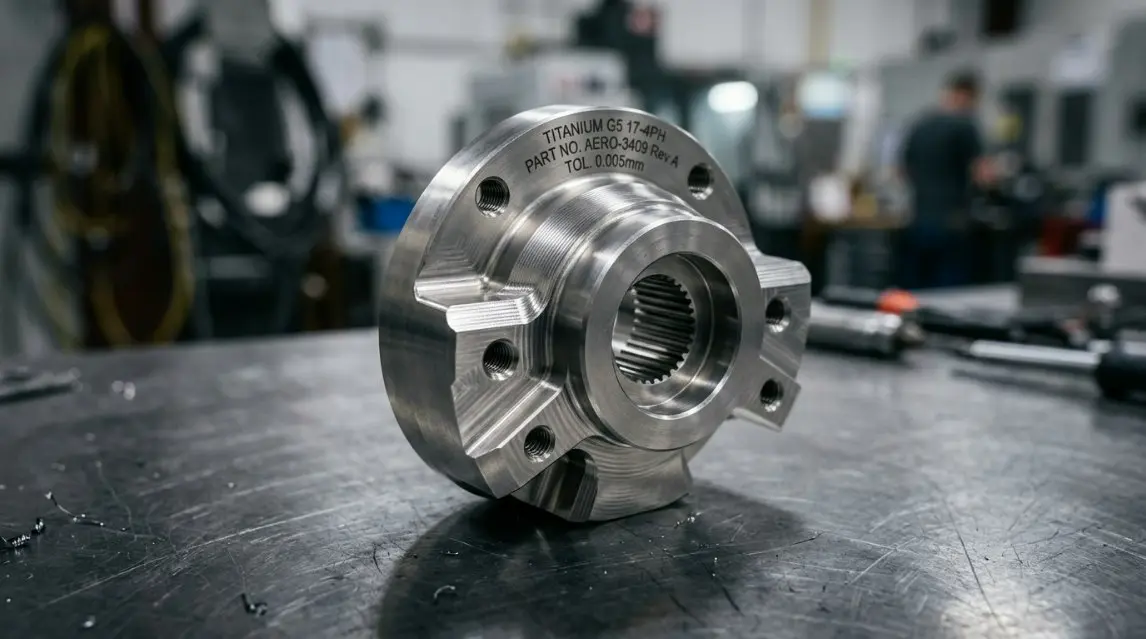
Before installation, cross-reference the CAD model with the physical part. Ensure the cutting spacing complies with the "Per Meter Rules" defined in the AS9100 technical documents. Any deviation beyond ±0.005mm must be flagged for review.
Components must undergo ultrasonic cleaning and surface passivation. Ensure that all alloys used align with the China 3C (China Compulsory Certificate) standards if the final assembly is intended for domestic regional flights within the PRC.
Execute the installation using calibrated torque tools according to the regional GB (Guobiao) codes. This ensures that the stress distribution across the aerospace structural components remains within the calculated safety margins.
Apply aerospace-grade RTV sealants or precision O-rings to achieve IP67 or IP68 ratings. This is essential for precision parts of control systems that are exposed to high-altitude moisture or pressure differentials.
| Material Grade | Tensile Strength (MPa) | Corrosion Resistance | Machining Difficulty |
|---|---|---|---|
| Titanium Ti-6Al-4V | 895 - 930 | Excellent (Salt Spray Tested) | High (Requires AeroSync) |
| Aluminium 7075-T6 | 510 - 570 | Moderate (Requires Anodizing) | Low to Medium |
| Inconel 718 | 1100 - 1300 | Extreme High-Temp Stability | Very High (Ceramic Tooling) |
For control systems, understanding the relationship between the CNC-machined housing's heat dissipation and the electrical load is vital for safety.
// Formula for Safety Power Supply Load (P)
P = V x I x Efficiency_Factor

// Heat Dissipation Requirement (Q)
Q = (P_total - P_useful) / Surface_Area_of_Machined_Part

// Example Calculation for Aerospace Control Unit:
V = 28V (DC)
I = 15A
Efficiency = 0.85
P = 28 * 15 * 0.85 = 357 Watts safety load limit.
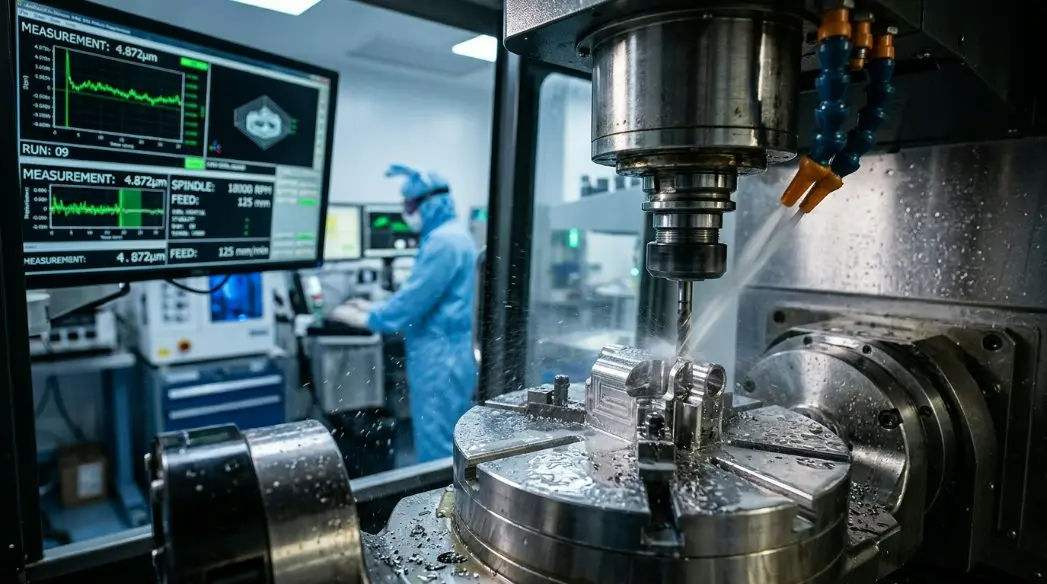
We utilize 5-axis DMG MORI machining centers combined with our AeroSync Intelligent Control Protocol. This setup allows for continuous adjustment based on real-time probe data, maintaining tolerances as tight as ±0.002mm.
While aerospace production environments require isolated secure networks, our secondary reporting APIs can be customized to send status updates to MQTT-based systems, which can then interface with industrial Tuya or Xiaomi enterprise dashboards for facility management.
The safety load is determined by the cross-sectional area of the structural component and its thermal conductivity. Using the formula P = (kAΔT)/d, we ensure that the custom-machined parts do not exceed thermal safety limits during peak electronic operation.
As a top-tier professional manufacturer, we deliver direct factory-price solutions for dynamic scaling, engineering projects, and custom systems globally.
Visit Official Website →