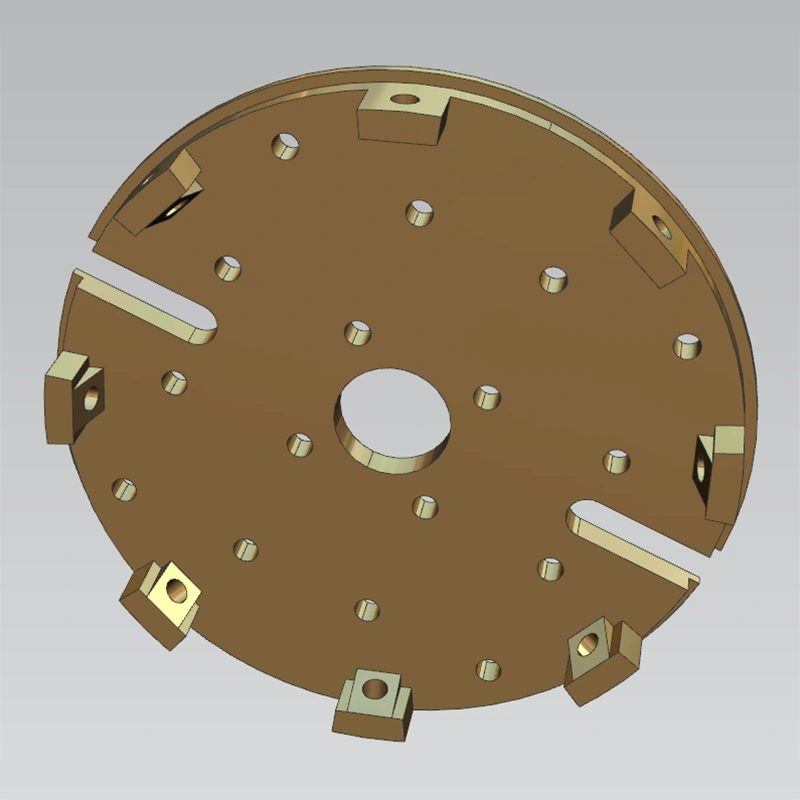
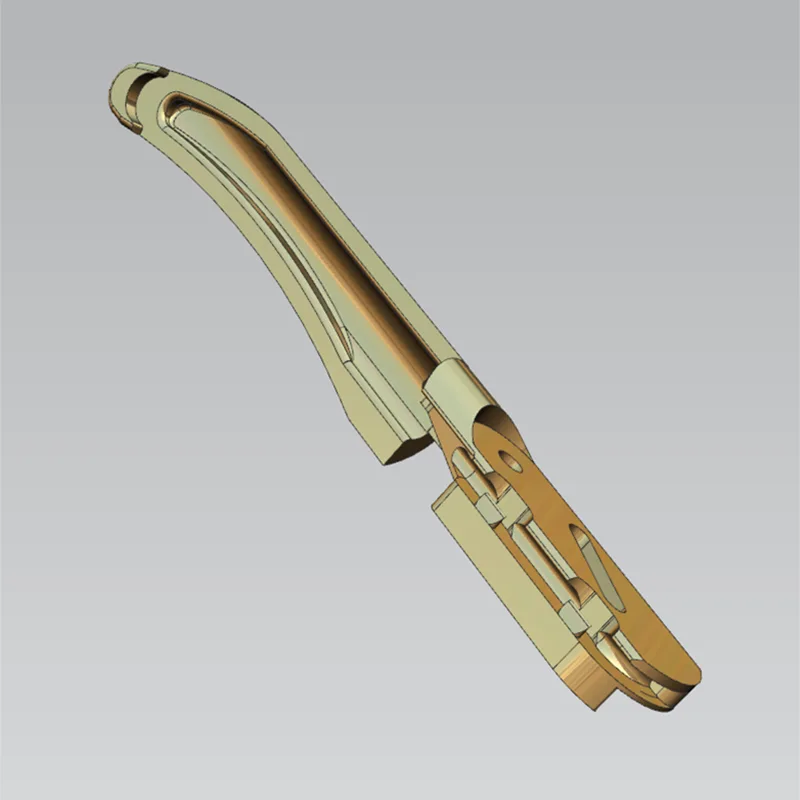
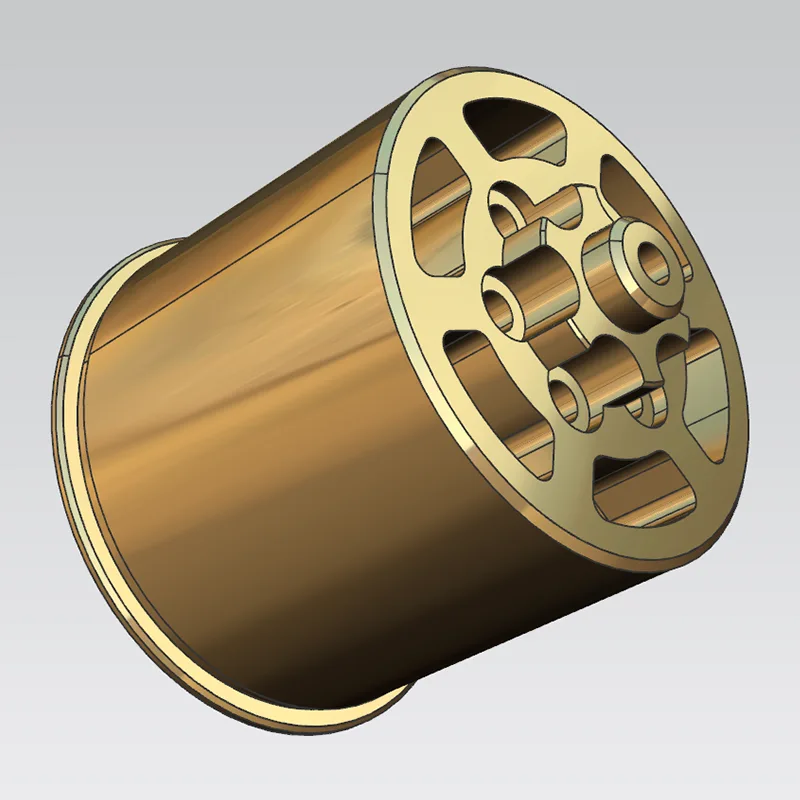
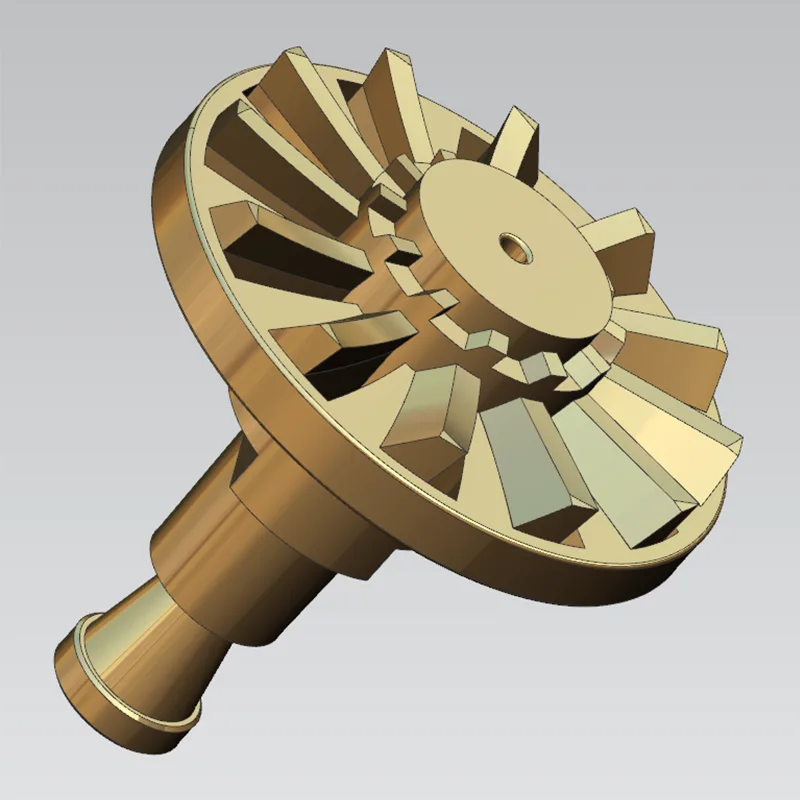
Precision mechanical parts play an important role in modern manufacturing industry, and their machining accuracy and quality directly affect the performance and reliability of the entire mechanical system. Therefore, strict requirements are put forward for material selection during the machining process of precision mechanical parts. In this paper, the requirements for precision machining parts are discussed in detail from the aspects of hardness, density, machining performance and economical efficiency of materials.
1. Hardness requirements
Material hardness is an important consideration in the machining of precision mechanical parts. First of all, the material should be of moderate hardness, neither too soft nor too hard. The too soft material is easy to deform during the processing, resulting in reduced processing accuracy; However, too hard materials may exceed the processing capacity of the processing equipment, resulting in processing difficulties or even failure to process.
Secondly, the hardness of the material must match the hardness of the processing equipment. For example, in lathe processing, the hardness of the material should be lower than the hardness of the lathe tool to ensure that the tool can effectively cut the material. Excessive hardness of the material may lead to increased tool wear and even damage to the tool.
2. Density requirements
The density of materials is also a factor to be considered in the machining of precision mechanical parts. Excessively dense materials tend to have greater hardness, which can lead to increased machining difficulty. At the same time, the materials with excessive density may cause excessive load to the processing equipment, affecting the stability and service life of the equipment.
Therefore, when selecting materials for precision mechanical parts, the density and hardness of materials shall be comprehensively considered. Under the premise of guaranteeing the hardness of materials, materials with small density shall be selected as far as possible to reduce the processing difficulty and equipment load.
3. Machining performance requirements
The processing of precision mechanical parts also has high requirements on the processing performance of materials. The processability of materials includes cutting property, grindability, weldability, etc. In the process of processing, the machinability and grindability of materials directly affect the processing efficiency and quality. Therefore, it is necessary to select materials with good cutting and grinding properties to improve machining efficiency and quality.
In addition, for some precision mechanical parts to be welded, the weldability of materials shall be considered. Materials with good weldability are not easy to crack and deform during welding, which is beneficial to ensure welding quality.
4. Economic requirements
On the premise of meeting the above requirements, the economical efficiency of materials shall also be considered. Economy includes material cost, processing cost, maintenance cost, etc. When selecting materials, materials with lower cost shall be selected as far as possible under the premise of guaranteeing performance and quality, so as to reduce production cost.
At the same time, processing cost and maintenance cost of materials shall be considered. Some materials have excellent performance, but are expensive to process or difficult to maintain and may increase production and maintenance costs. Therefore, various cost factors shall be comprehensively considered to select economical and reasonable materials.
To sum up, precision mechanical parts processing puts forward various requirements on materials. When selecting materials, the hardness, density, processing performance and economical efficiency of materials shall be comprehensively considered to ensure that the processed precision mechanical parts have excellent performance and quality.
We use cookies to offer you a better browsing experience, analyze site traffic and personalize content. By using this site, you agree to our use of cookies. Privacy Policy