Machining of mechanical parts is the core link in the manufacturing industry, and the selection of processing methods directly affects the quality, performance and cost of parts. In this paper, the main machining methods of mechanical parts are introduced in detail to help readers to better understand and select proper machining methods.
1. Foundry work
Casting is a method of pouring molten metal into a mold and allowing it to cool and solidify to form a part. Casting can be divided into sand casting and special casting. Sand casting takes sand as the main material to make mold, the cost is low, suitable for mass production. Special castings include metal casting, pressure casting, centrifugal casting, etc., which are applicable to different types of parts and parts with performance requirements. Casting is applicable to the manufacturing of parts with complex shapes and internal structures, such as cylinder heads, gears, etc.
2. Forging and forging
Forging is the process of changing a metal material to the desired shape by heat or pressure. The forging process can be divided into free forging and die forging. Free forging is to place the metal blank on the anvil and process it into the required shape with hammer or press machine, which is applicable to single-piece small batch production. Die forging is the process of putting a metal blank into a die and pressurising it with a press to form the desired shape for mass production. Forging is suitable for the manufacture of parts subject to large loads, such as shafts, gears, etc.
3. Machining and processing
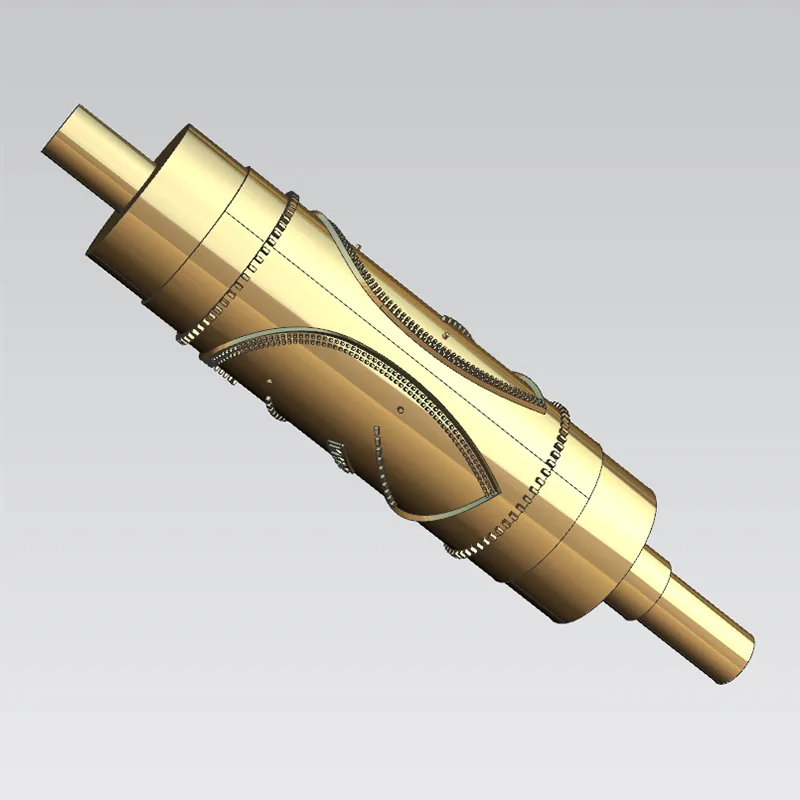
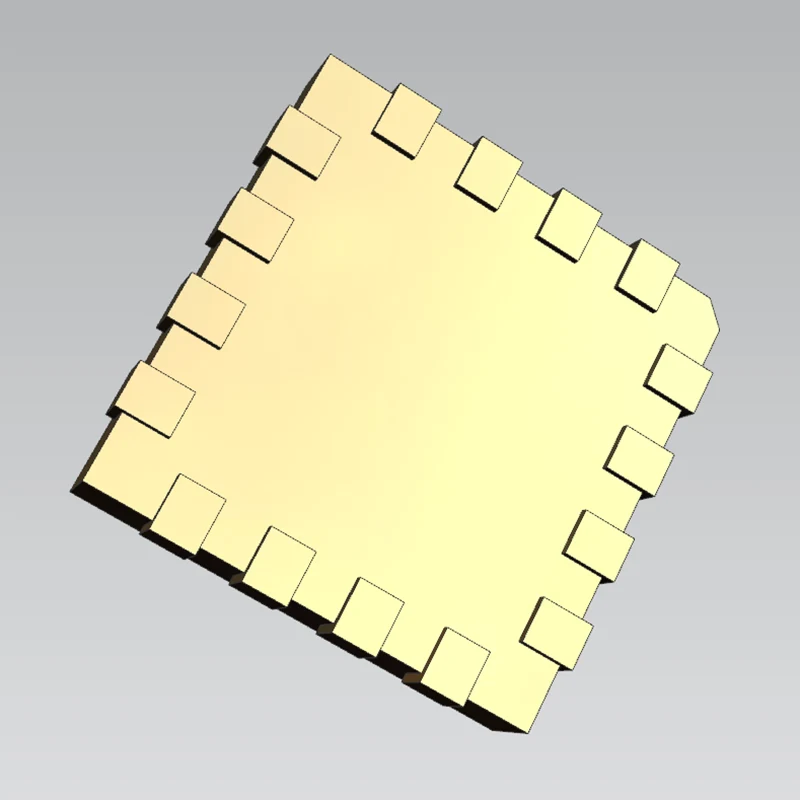
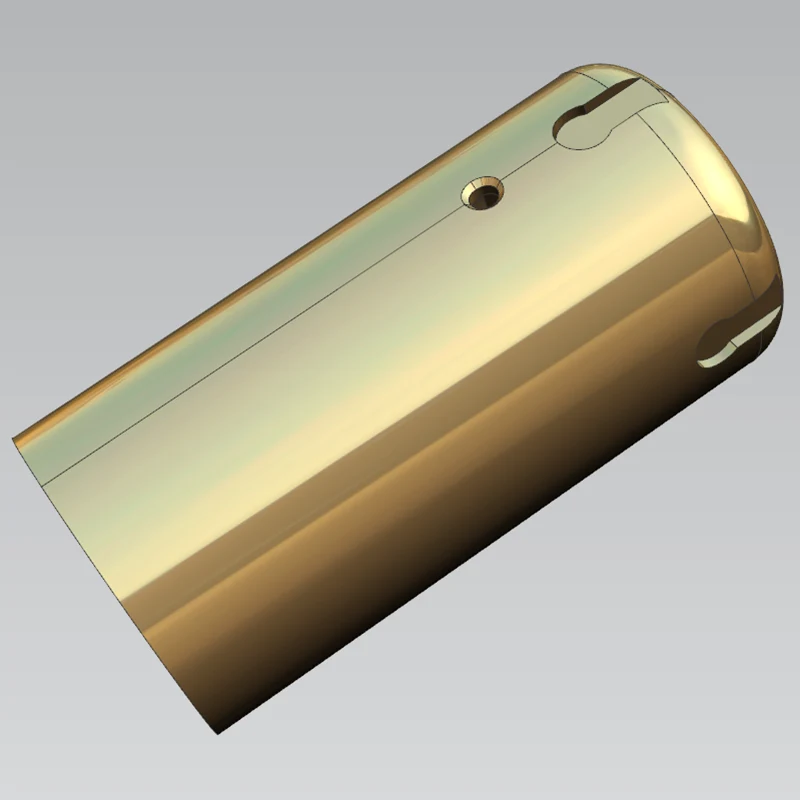
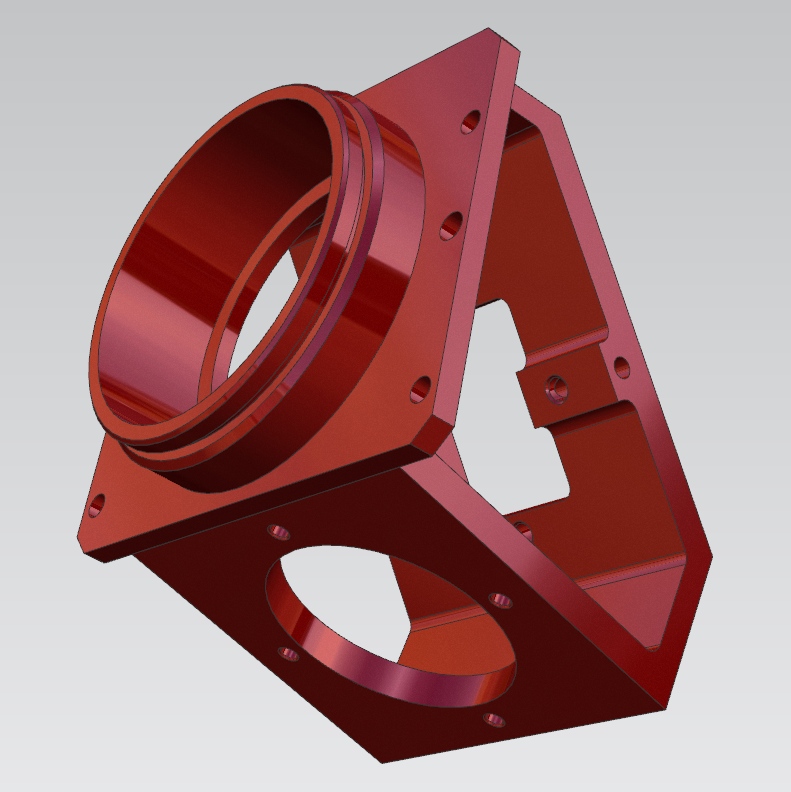
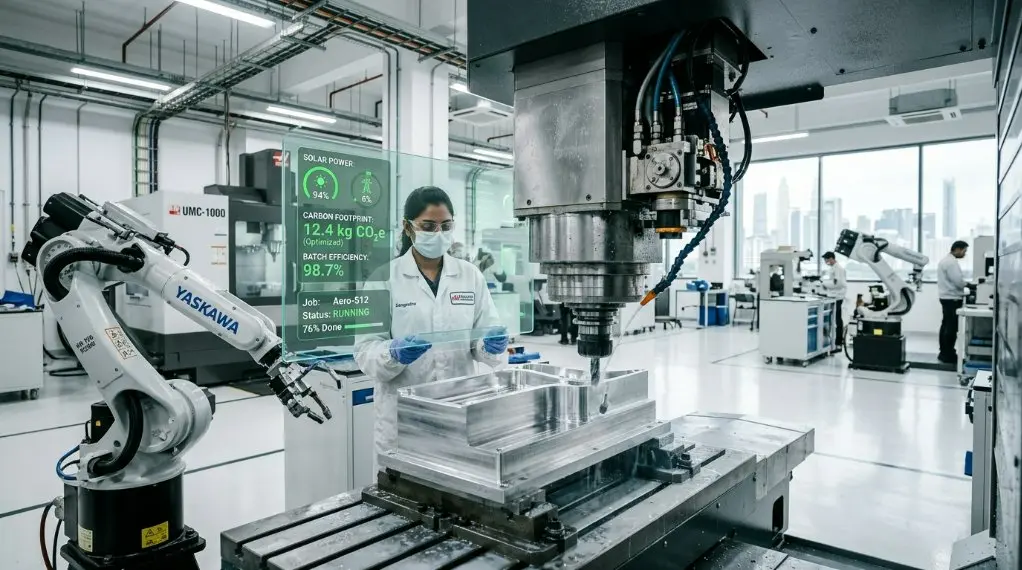
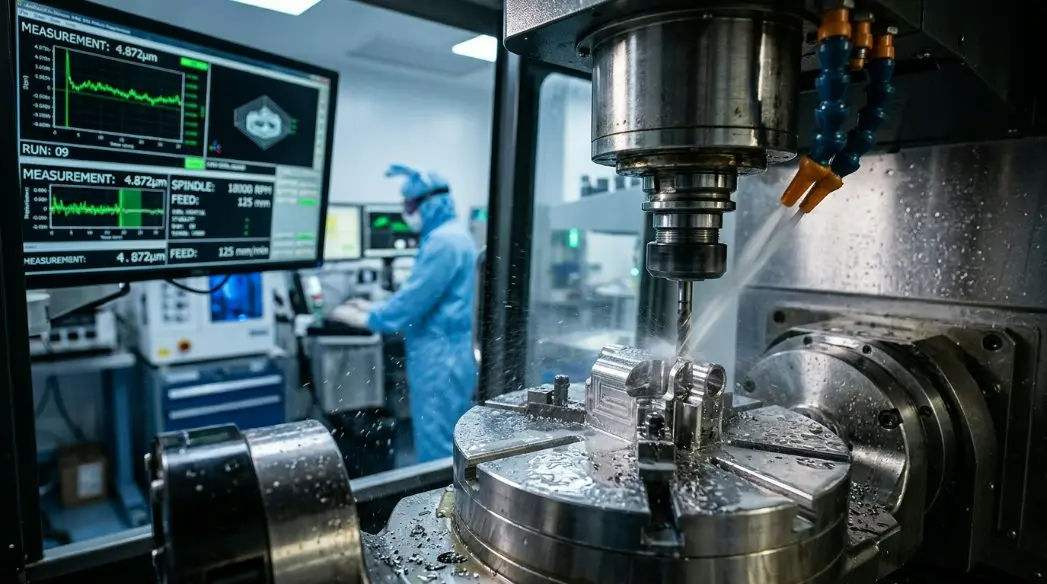
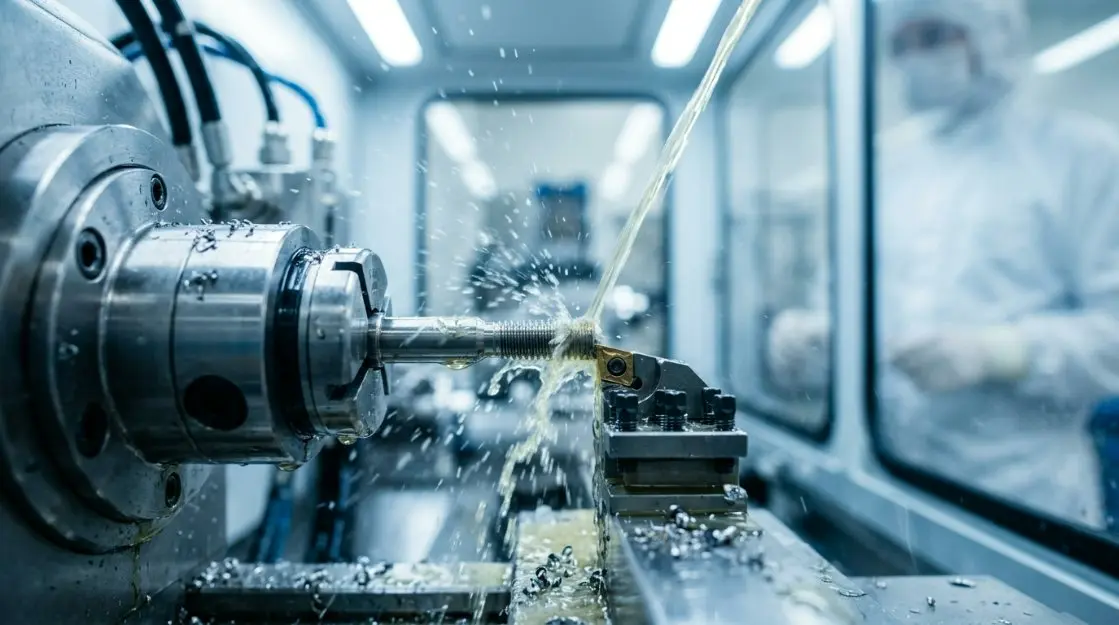
Machining is a method of using machine tools and tools to cut a metal blank into a part of the required shape and size. Machining technologies include milling, turning, drilling, planing, etc., which can process various metal and non-metallic materials. With high machining accuracy and good surface quality, it is applicable to small and medium-sized batch production and processing of complex parts. The specific forms of machining include work-piece rotation machining (such as turning), tool rotation machining (such as milling and drilling), work-piece and tool rotation machining (such as internal and external circular grinding) and work-piece and tool non-rotation machining (such as planing and slotting).
4. Welding and welding
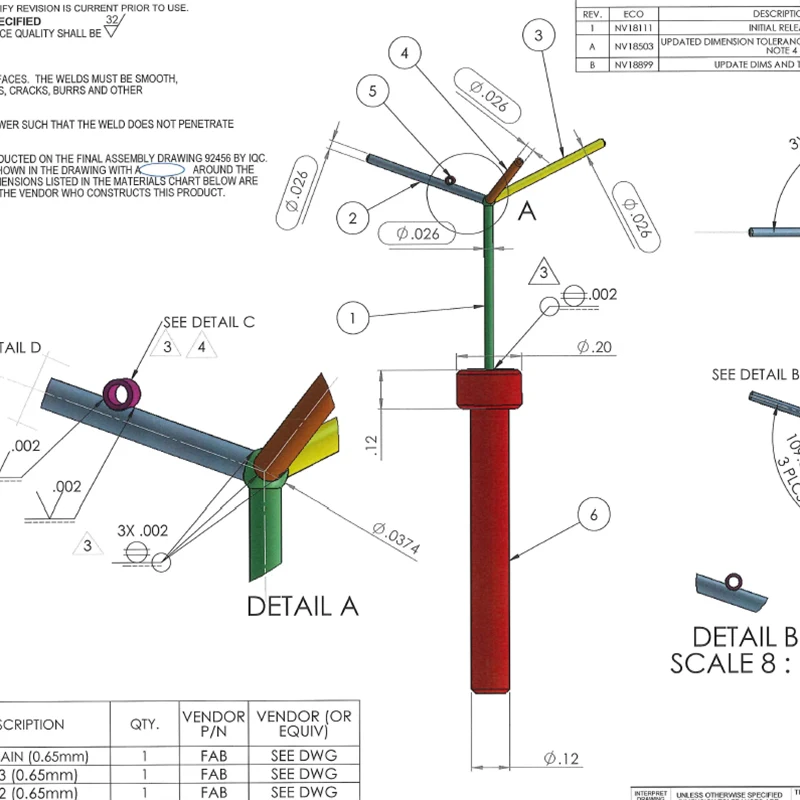
Welding is the method of joining two or more metal parts together to form a complete part. Welding procedures can be divided into fusion welding, pressure welding and brazing. Melt welding is to melt and solidify the metal together by arc or flame, such as shielded metal arc welding and submerged arc welding. Pressure welding is to connect metals by applying pressure, such as resistance welding and friction welding. Brazing is to use solder with a melting point lower than the base metal as the connecting material, and the base metal is connected together by melting the solder, such as flame brazing, induction brazing, etc. Welding is suitable for the manufacture of large parts and structures such as bridges, building structures, etc.
5. Heat Treatment
Heat treatment is a processing method to change the internal structure and properties of metal materials through heating, insulation and cooling. The heat treatment process can be divided into annealing, normalizing, quenching, tempering, etc. Heat treatment can improve material performance, strength and durability of parts, and is an indispensable link in mechanical manufacturing. Heat treatment is applicable to manufacturing of high strength and hardness parts, such as shafts and gears.
6. Other processing methods
In addition to the above common processing methods, there are some other processing methods, such as electroplating, spraying, laser processing, etc. Plating is the deposition of a layer of metal or non-metallic material on a metal surface to change the surface characteristics and appearance of the part. Spraying is to spray the paint on the surface of the part through the spray gun to form a protective film. Laser processing is to use laser beam to cut, weld and punch materials.
7. Summary of Summary
There are various machining methods for mechanical parts, and each method has its application scope, advantages and disadvantages. When selecting the processing method, comprehensive consideration shall be taken according to the material, shape, size, performance requirements and production batch of the parts. At the same time, processing cost, processing cycle and processing equipment shall be considered. Through reasonable selection and application of various processing methods, high-quality and high-performance mechanical parts can be manufactured to meet the needs of various industrial applications.
We use cookies to offer you a better browsing experience, analyze site traffic and personalize content. By using this site, you agree to our use of cookies. Privacy Policy