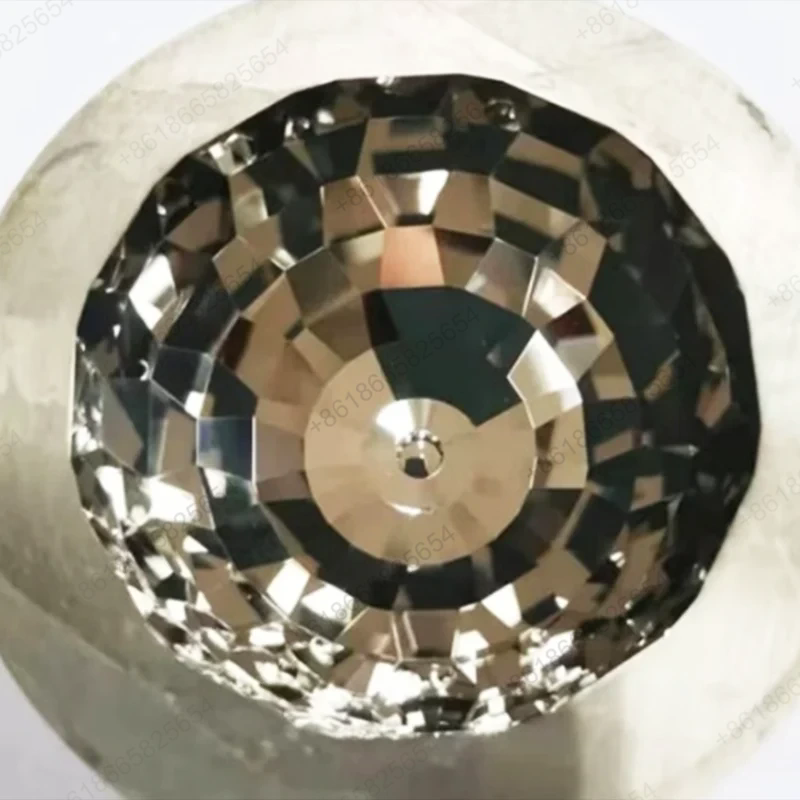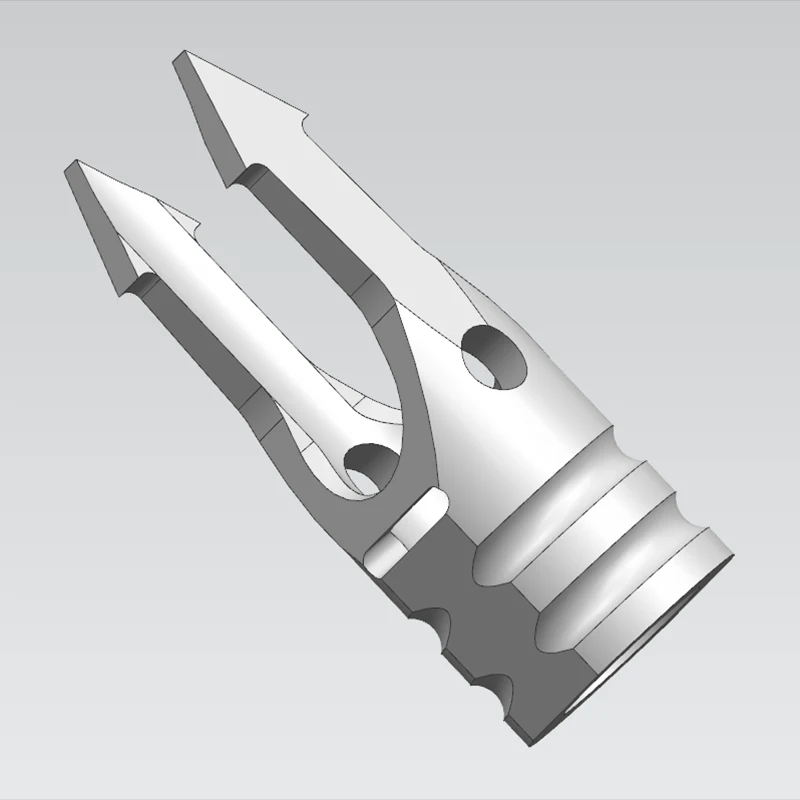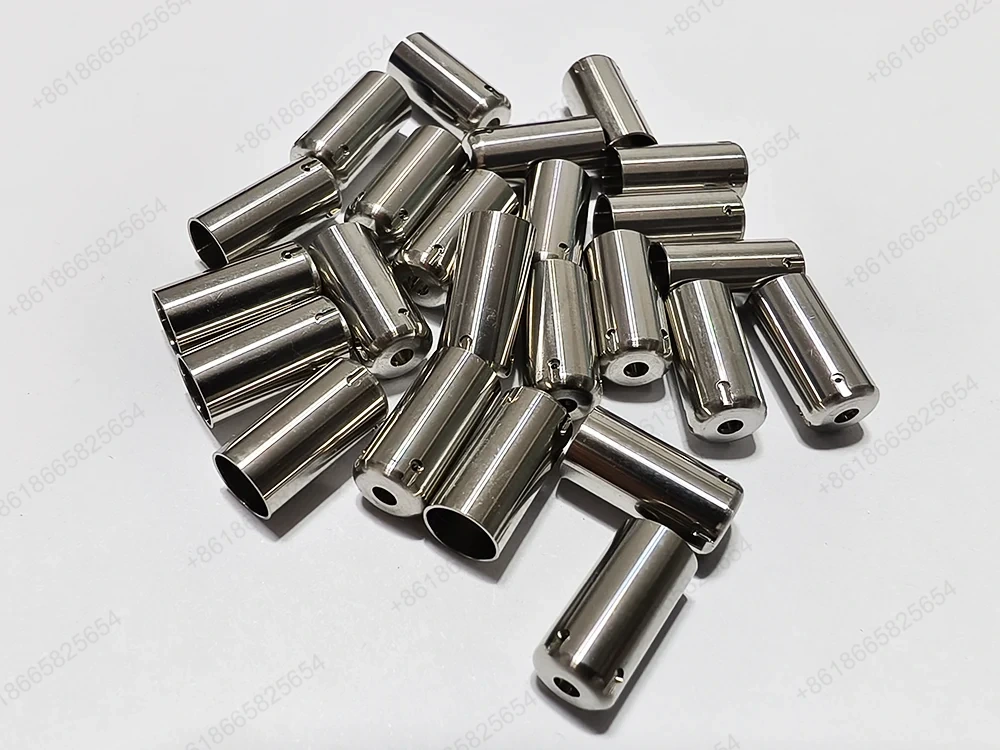

Micro CNC machining is a highly specialized manufacturing technique that allows for the production of extremely small and precise components with exceptional accuracy. This article explores how micro CNC machining works, its applications, key benefits, and how to select the right equipment and services. Readers will gain insights into cost optimization, production efficiency, and technical considerations for implementing micro CNC machining in various industries.
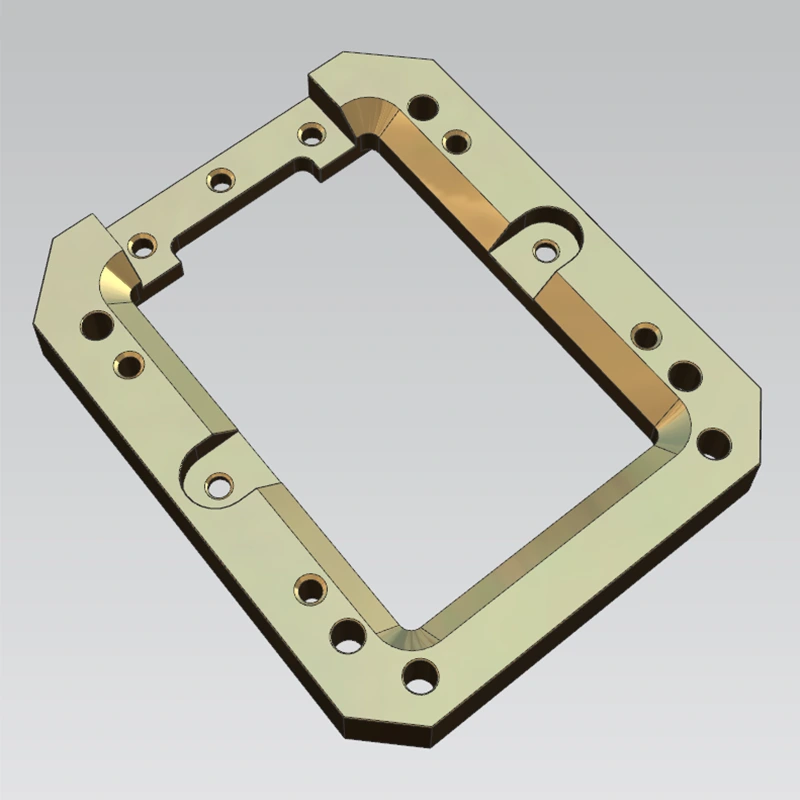
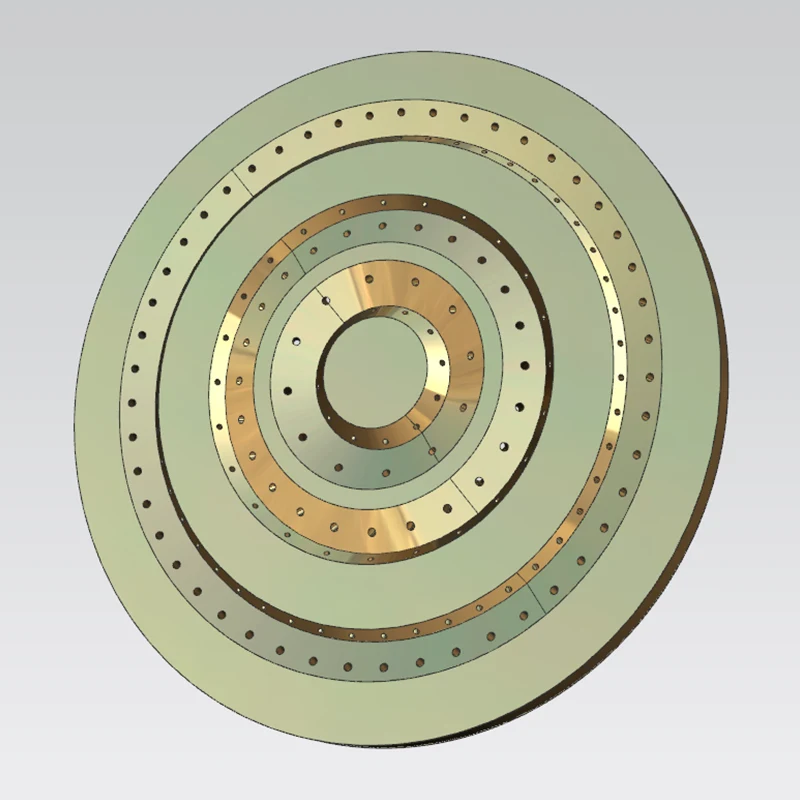
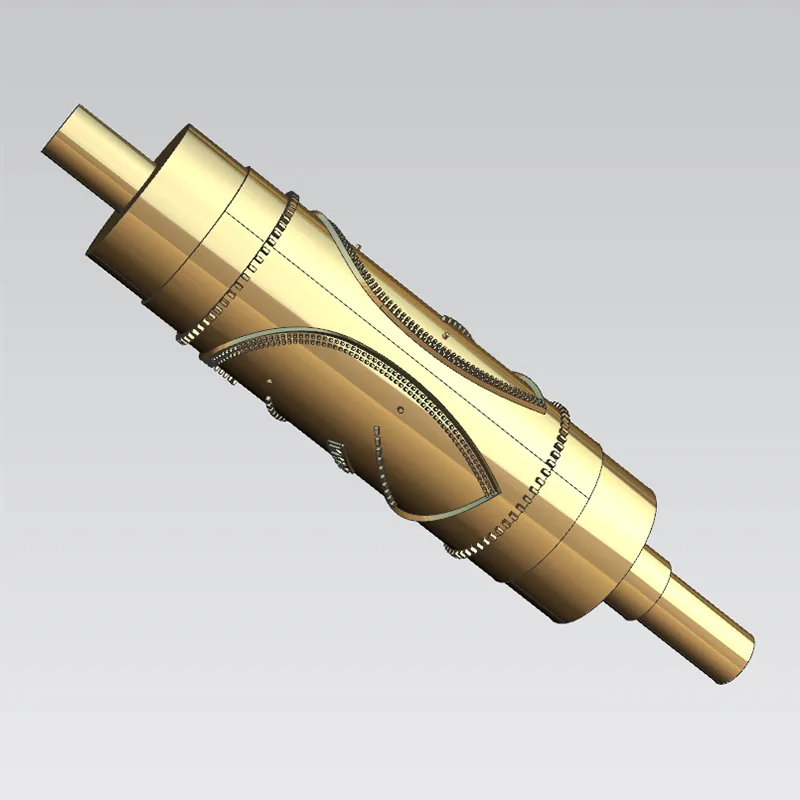
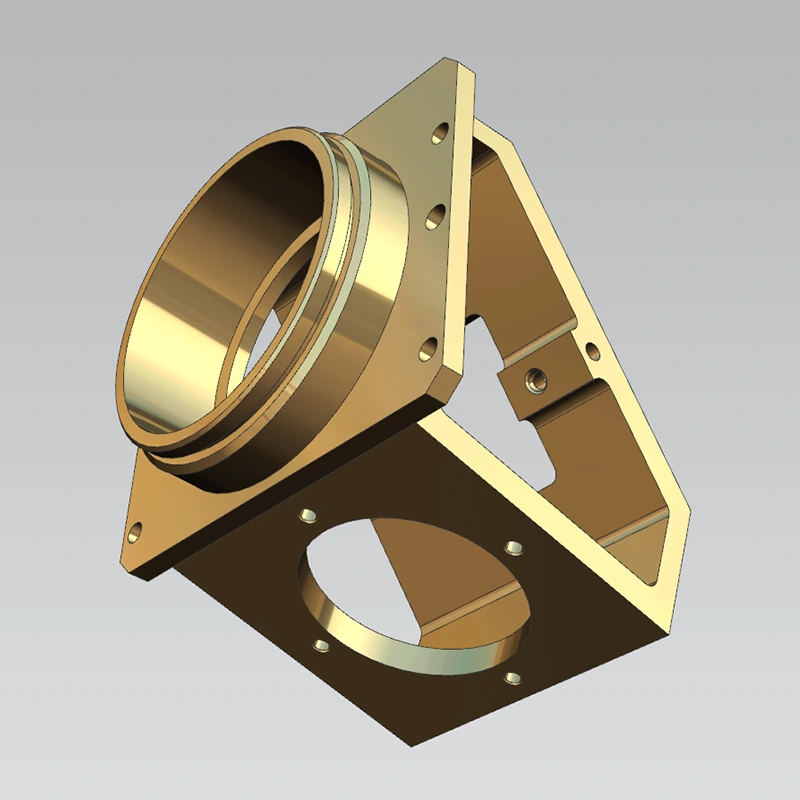
Micro CNC machining refers to computer numerical control (CNC) processes designed for producing very small parts with extremely tight tolerances. Unlike traditional machining, micro CNC uses advanced high-precision tools and specialized equipment to work on components often smaller than a few millimeters.
This technique is widely used in industries such as medical devices, electronics, aerospace, and precision engineering, where the performance of tiny components is critical.
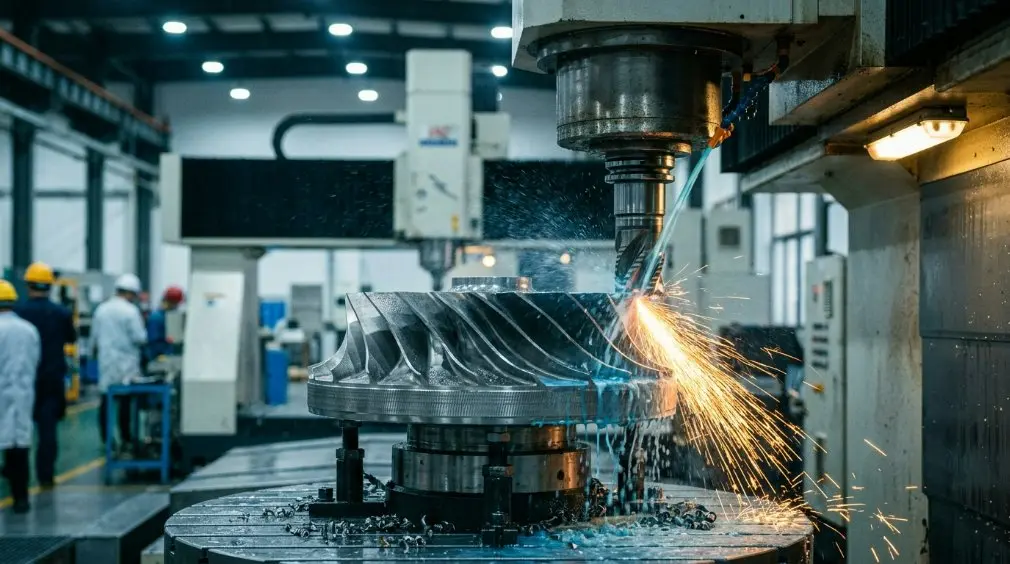
Micro CNC machining uses precision-controlled cutting tools to remove material from a workpiece. The process is guided by pre-programmed computer instructions to ensure accuracy and repeatability.
Advanced micro CNC machines also incorporate vibration reduction, thermal compensation, and high-resolution encoders to maintain precision at the micron level.
Micro CNC machining addresses several challenges in modern manufacturing:
Businesses that adopt micro CNC machining gain a competitive advantage in producing highly reliable, miniature components.
| Feature | Description |
| Maximum Workpiece Size | Typically up to 200mm x 200mm x 50mm |
| Spindle Speed | Up to 80,000 RPM for micro cutting |
| Tool Diameter | 0.01mm – 3mm |
| Accuracy | ±2 to ±5 microns |
| Materials Supported | Metals, plastics, ceramics, composites |
| Control System | CNC with high-resolution encoder feedback |
| Software | CAD/CAM integration with micro toolpath optimization |
Sanluo provides micro CNC machining solutions engineered for durability, precision, and high repeatability in specialized manufacturing environments.
Selecting a reliable micro CNC machining partner is essential for quality and timely delivery. Consider the following:
Q1: What materials can be used in micro CNC machining?
Most metals, plastics, ceramics, and composite materials are compatible, depending on tool selection and machine capability.
Q2: How small can a micro CNC component be?
Components can be manufactured with dimensions of just a few millimeters or even smaller, with tolerances in the micron range.
Q3: Is micro CNC machining expensive?
While precision equipment and tooling have higher costs, the efficiency, reduced waste, and accuracy make it cost-effective for high-value or complex components.
Q4: How long does it take to produce micro parts?
Production time varies by complexity, material, and batch size. Small prototypes may be completed in hours, while larger precision batches may require days.
Micro CNC machining is essential for industries requiring extreme precision and complex small-scale components. It enhances productivity, ensures high-quality output, and allows for advanced manufacturing possibilities.
Sanluo offers comprehensive micro CNC machining services that meet exacting standards for precision and reliability.
For more information or to discuss your micro machining project, contact us today to explore professional solutions that meet your unique manufacturing needs.