
Laser Beam Machining (LBM) has emerged as a highly precise and efficient non-contact manufacturing technology widely used across industries such as aerospace, electronics, automotive, and medical devices. This article provides a comprehensive explanation of how laser beam machining works, its advantages, key technical parameters, and how businesses can leverage it to solve common production challenges such as material deformation, tool wear, and low precision. By understanding this process, manufacturers can make informed decisions to enhance productivity and product quality.
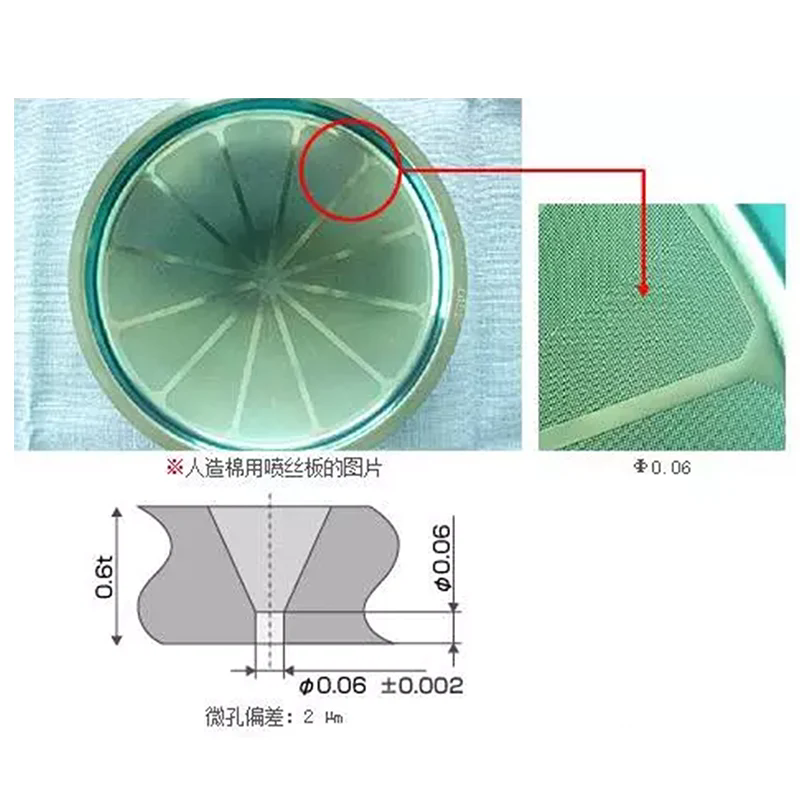
Laser Beam Machining (LBM) is a thermal material removal process that uses a focused high-energy laser beam to cut, drill, engrave, or shape materials. Unlike traditional machining methods, it does not require physical contact between the tool and the workpiece, making it ideal for delicate or hard-to-machine materials.
The process works by concentrating laser energy onto a small surface area, generating intense heat that melts, vaporizes, or ablates the material. This results in clean edges, minimal distortion, and high repeatability.
Laser Beam Machining operates through a sequence of controlled steps to ensure precision and consistency.
Modern systems provided by companies like Sanluo integrate advanced CNC control, ensuring stable and highly accurate machining performance.
Manufacturers often face challenges with conventional machining methods, especially when dealing with complex geometries or sensitive materials. Laser Beam Machining addresses these pain points effectively.
These advantages make LBM particularly valuable for high-precision industries where quality and consistency are critical.
| Parameter | Description |
| Laser Power | Determines cutting depth and speed |
| Wavelength | Affects material absorption characteristics |
| Pulse Duration | Controls heat input and precision |
| Spot Size | Defines resolution and cutting accuracy |
| Cutting Speed | Impacts productivity and edge quality |
| Assist Gas Type | Improves cut quality and removes molten material |
| Focus Position | Ensures optimal energy concentration |
Careful adjustment of these parameters is essential for achieving optimal results across different materials and applications.
Laser Beam Machining offers several advantages over traditional manufacturing processes, making it a preferred choice for modern industries.
These benefits contribute to improved production efficiency and lower operational costs.
Laser Beam Machining is widely used across multiple sectors due to its flexibility and precision.
Its adaptability makes it a key technology in both mass production and custom manufacturing environments.
Selecting the appropriate Laser Beam Machining system requires careful evaluation of production needs and material characteristics.
Partnering with experienced manufacturers such as Sanluo ensures access to reliable equipment and tailored solutions for diverse industrial applications.
Q1: Is laser beam machining suitable for all materials?
Laser machining is highly versatile and can process metals, plastics, ceramics, and composites. However, material properties such as reflectivity and thermal conductivity may influence performance.
Q2: What is the main advantage of laser machining over traditional methods?
The key advantage is its non-contact nature, which eliminates tool wear and allows for high precision without damaging the material.
Q3: Does laser machining produce heat damage?
While it is a thermal process, modern systems minimize the heat-affected zone, ensuring clean and precise results.
Q4: How cost-effective is laser beam machining?
Although initial investment may be higher, reduced maintenance, faster processing, and improved quality lead to long-term cost savings.
Laser Beam Machining represents a transformative approach to modern manufacturing, offering unmatched precision, efficiency, and versatility. By eliminating the limitations of traditional machining, it enables manufacturers to achieve higher quality standards while reducing operational costs.
Sanluo continues to deliver advanced laser machining solutions that meet the evolving demands of global industries, ensuring reliability, performance, and innovation.
If you are seeking to enhance your manufacturing capabilities with high-precision laser technology, contact us today to discover customized solutions and professional support tailored to your specific production needs.