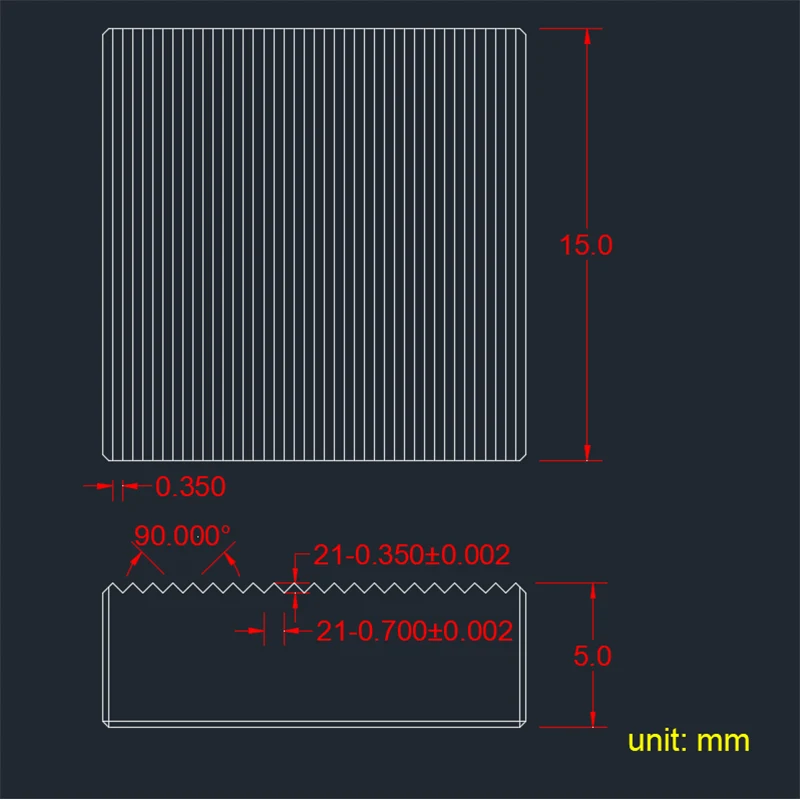

Ultra-precision machining is justified when a medical component’s function depends on very small features, controlled surface condition, delicate geometry, or a material that is difficult to machine without damage. It is not the right answer for every part. For straightforward brackets, housings, or noncritical turned features, conventional precision machining may be the more sensible route.
The difference matters when a burr, chipped edge, altered micro-hole, or inconsistent polished surface can affect assembly, fluid movement, optical performance, or instrument handling. In those cases, medical device ultra machining adds process control where ordinary machining often runs out of margin.
When Ultra-Precision Machining Is Justified for a Medical Component
Buyers usually reach this decision after a prototype exposes a problem: a tiny feature does not repeat, a brittle part chips during finishing, or a surface looks acceptable but creates friction or traps residue in use. The question is not whether a part is “small.” It is whether its critical features can survive manufacturing, handling, and inspection without changing what the device is meant to do.
Ultra machining deserves consideration when your drawing includes fine internal details, miniature passages, thin or delicate sections, demanding edge conditions, or a specified finish that cannot be treated as cosmetic. It can also be appropriate for one-off development parts and complex custom geometries, where changing tools or processes after a build can cost more than planning the right approach early.
Sanluo Precision supports custom medical device precision machining from one-piece quantities, including components in implant- and intervention-grade stainless steel, titanium alloys, PEEK, PEI, PAI, and UPE. That material range matters because the machining method should follow the part’s material behavior, not just its CAD geometry.
Where Feature Integrity and Surface Condition Drive the Manufacturing Decision
Miniature Features, Micro Holes, and Delicate Geometries
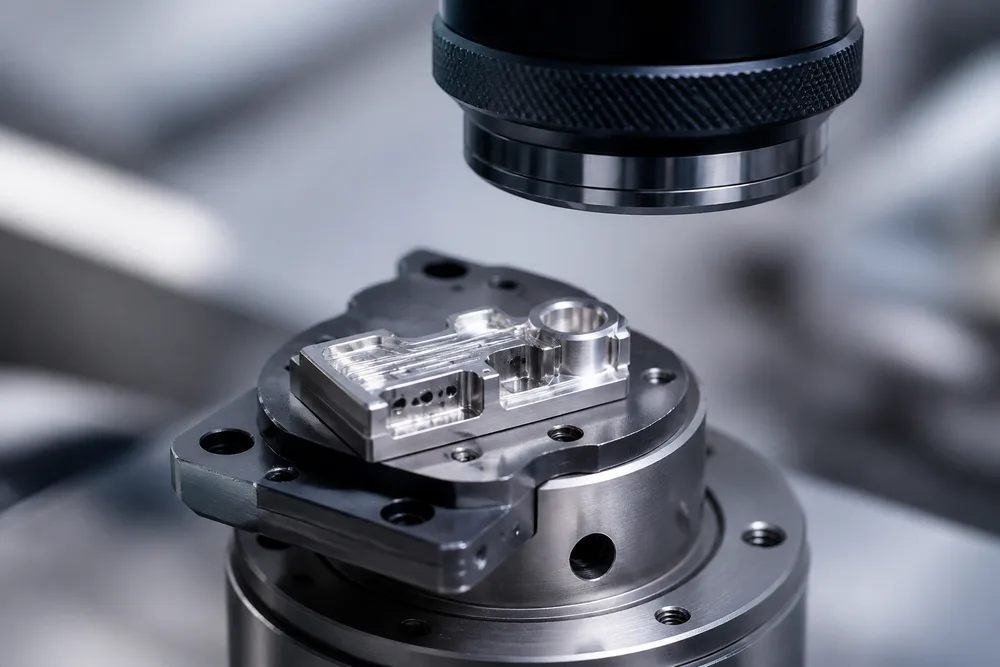
Medical device micro component machining is often constrained by what happens at the edge of a feature. A narrow slot can deform. A micro hole can close up, leave a burr, or deviate from its intended path. A thin wall can move under cutting load. Those are production problems, not drawing problems.
For miniature medical instrument parts, the process plan may combine micro machining, micro EDM, femtosecond laser microprocessing, precision grinding, or finishing rather than forcing every feature through one machine. The practical benefit is better control over how material is removed. The trade-off is more planning and, in some cases, a longer route through production.
Ophthalmic, Cardiovascular, and Neurosurgical Component Requirements
Ophthalmic surgical instruments, cardiovascular components, and neurosurgical micro-instruments each put pressure on different aspects of the part. Ophthalmic components can call for careful surface and edge treatment around fine working features. Cardiovascular parts may depend on small passages, repeatable geometry, and surfaces appropriate to the component’s intended contact or flow path. Neurosurgical instruments frequently combine miniature scale with complex access geometry, leaving little room for burrs or unintended edge damage.
These categories are not interchangeable. A supplier should review the actual functional surfaces, assembly interfaces, and inspection requirements instead of treating “medical” as a single manufacturing specification. See Sanluo’s medical device ultra machining capabilities for the process families it applies to these types of parts.
How Ultra Machining Controls Cutting, Grinding, Laser, and Finishing Results
Medical device ultra machining uses the removal method that best fits the material and feature. Ultra-precision cutting can produce fine geometry in machinable metals and engineering plastics. Ultrasonic vibration processing may be considered where controlled material removal is needed in difficult or brittle workpieces. Femtosecond laser microprocessing is suited to localized micro features where a conventional cutting tool may be impractical.
Grinding and polishing are equally important. ELID grinding, or electrolytic in-process dressing grinding, maintains the grinding wheel’s cutting condition during the process. That can help manage grinding behavior on materials where wheel loading or surface damage becomes a concern. Magnetic flow polishing uses an abrasive media flow to reach internal passages or complex surfaces that are difficult to finish with a rigid tool.
None of these methods automatically creates a better part. A process can only be selected against a defined feature, material, surface requirement, and inspection method. “Fine finish” without a functional reason is a common source of unnecessary cost.
Selecting a Process for Metals, Brittle Materials, and Engineering Plastics
- Stainless steel and titanium alloys: Review cutting access, heat input, burr control, and the condition required at edges and interfaces.
- Brittle materials: Focus on chip risk, crack prevention, and how the material will be held during machining and finishing.
- PEEK, PEI, PAI, and UPE: Account for heat sensitivity, workholding, and the possibility that machining forces can affect thin or flexible areas.
The material callout alone is not enough. State the grade, condition, critical feature locations, and any post-machining treatment or cleaning requirements at the quoting stage.
Using In-Process Measurement to Protect Critical Features
Online measurement gives the machining team a way to check critical characteristics during production rather than discovering a trend only at final inspection. This is especially useful where several processes affect the same feature: machining may establish the form, grinding may refine it, and polishing may change the final surface condition.
For buyers, the useful discussion is specific: Which features are checked in process? Which are confirmed at final inspection? What datum scheme controls the measurement? That conversation is more valuable than a general promise of tight tolerances.
How Better Surface and Feature Control Can Reduce Secondary Operations
A capable process route can reduce avoidable rework. If the machined edge is controlled at the source, you may avoid a separate manual deburring step that is hard to repeat on miniature parts. If internal surfaces can be reached through magnetic flow polishing, you may avoid trying to hand-finish passages that cannot be visually accessed.
There is a limit. Secondary operations should not be removed merely to shorten the traveler. Some parts still need cleaning, passivation, coating, assembly, or validation steps outside the machining process. The gain is not “fewer steps” by itself; it is fewer uncontrolled steps that can alter a critical feature.
What Buyers Should Ask a Medical Micro Machining Supplier to Demonstrate
Before selecting a medical micro machining manufacturer, ask for a review of the production risks, not just a price and lead time.
- Which process will form each critical feature, and why?
- How will the supplier prevent burrs, chipping, deformation, or tool-access damage?
- What inspection approach applies to micro holes, delicate edges, internal passages, and finished surfaces?
- Can the supplier explain where ultra-precision cutting, EDM, laser processing, grinding, or polishing is preferable—and where it is not?
- How will the part be handled and cleaned between operations, particularly if it moves through an ultra-clean workshop?
- Can prototype feedback be incorporated before the production route is fixed?
A useful supplier response names constraints early. Be wary of a blanket assurance that every feature can be machined the same way or that polishing will correct geometry created by an unsuitable earlier operation.
Request an Ultra-Machining Manufacturability Review From Sanluo Precision
Send the drawing, material requirement, critical feature callouts, expected quantity, and any known surface or inspection requirements. Sanluo Precision can review whether its combination of ultra-precision cutting, micro machining, micro EDM, laser processing, grinding, polishing, and online measurement is appropriate for your component.
For a focused discussion of your part, request a medical device ultra-machining manufacturability review from Sanluo Precision.