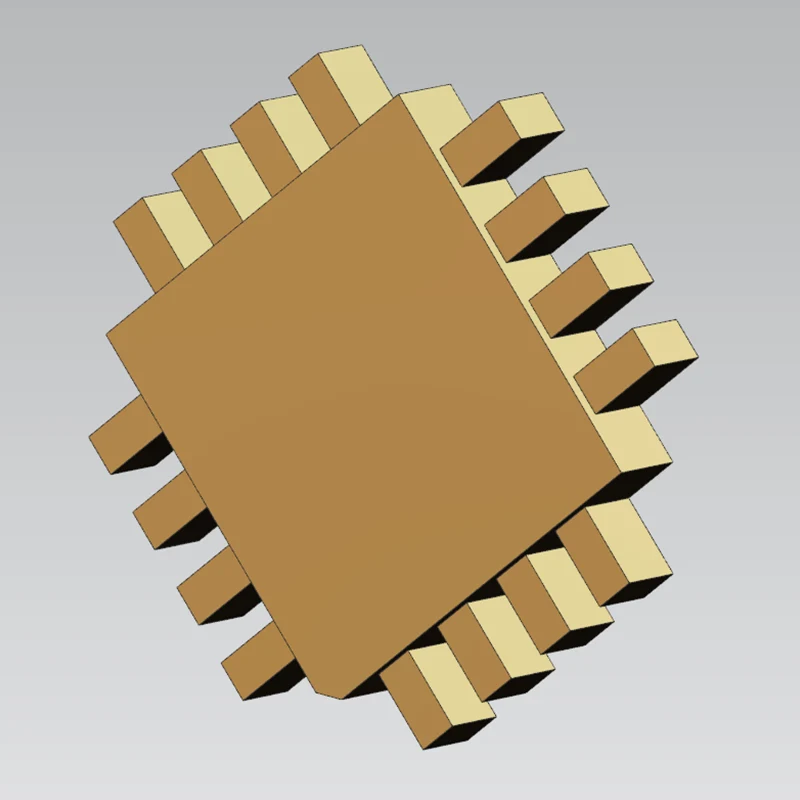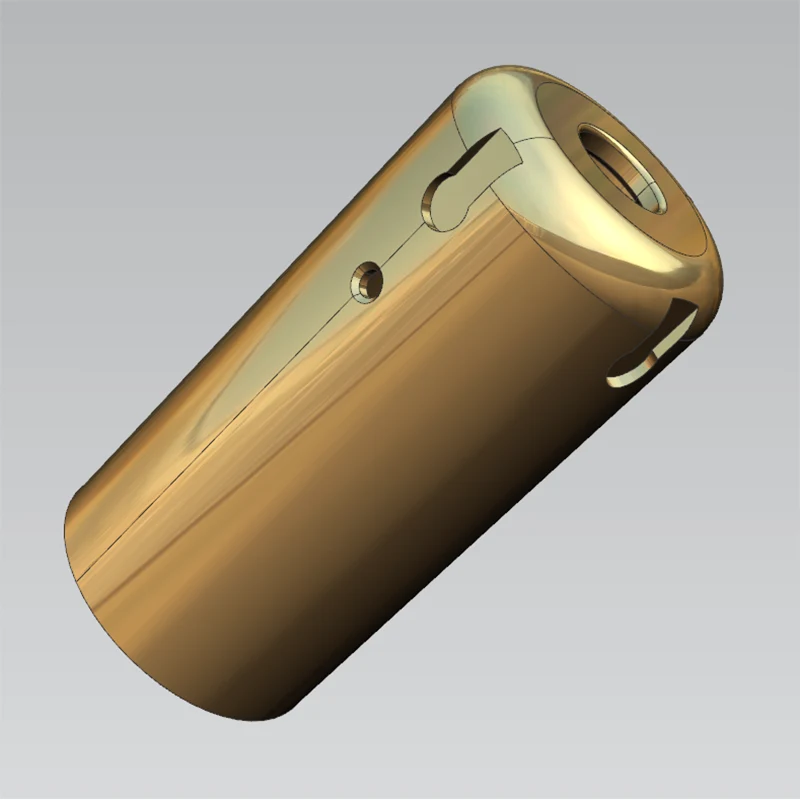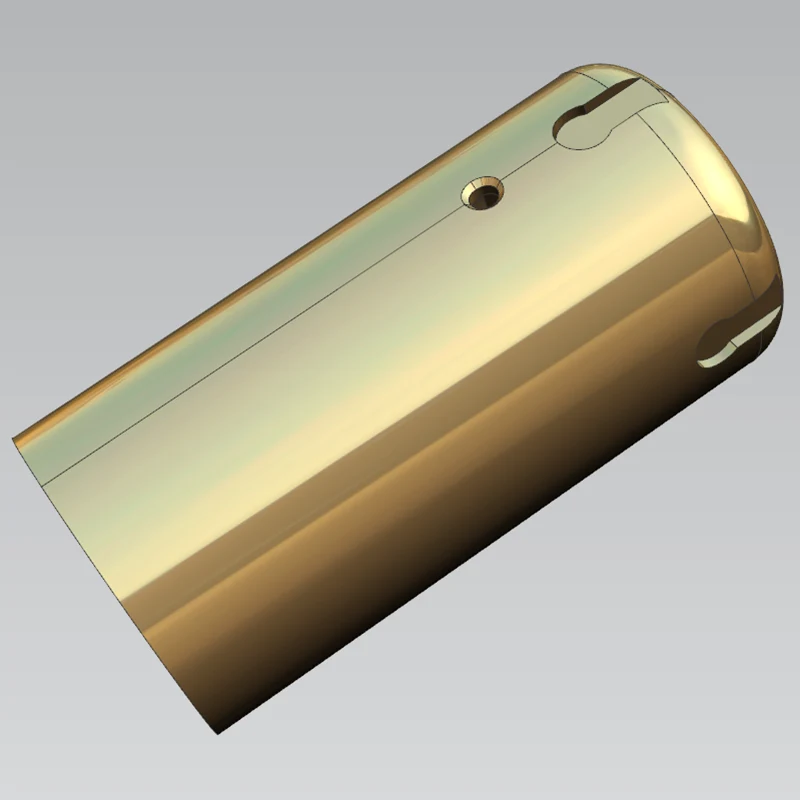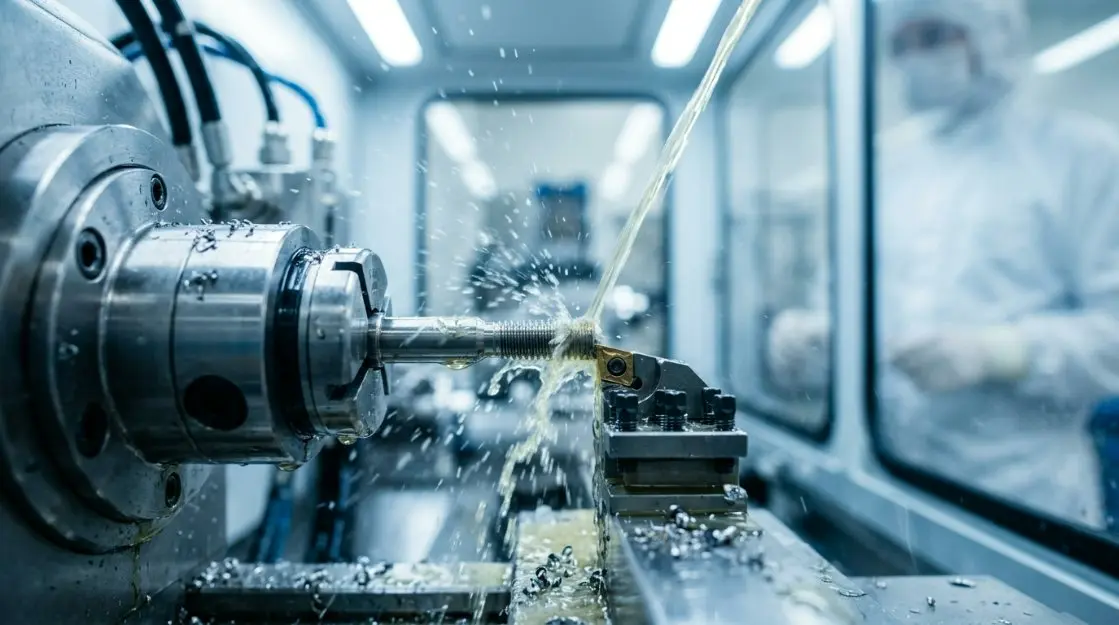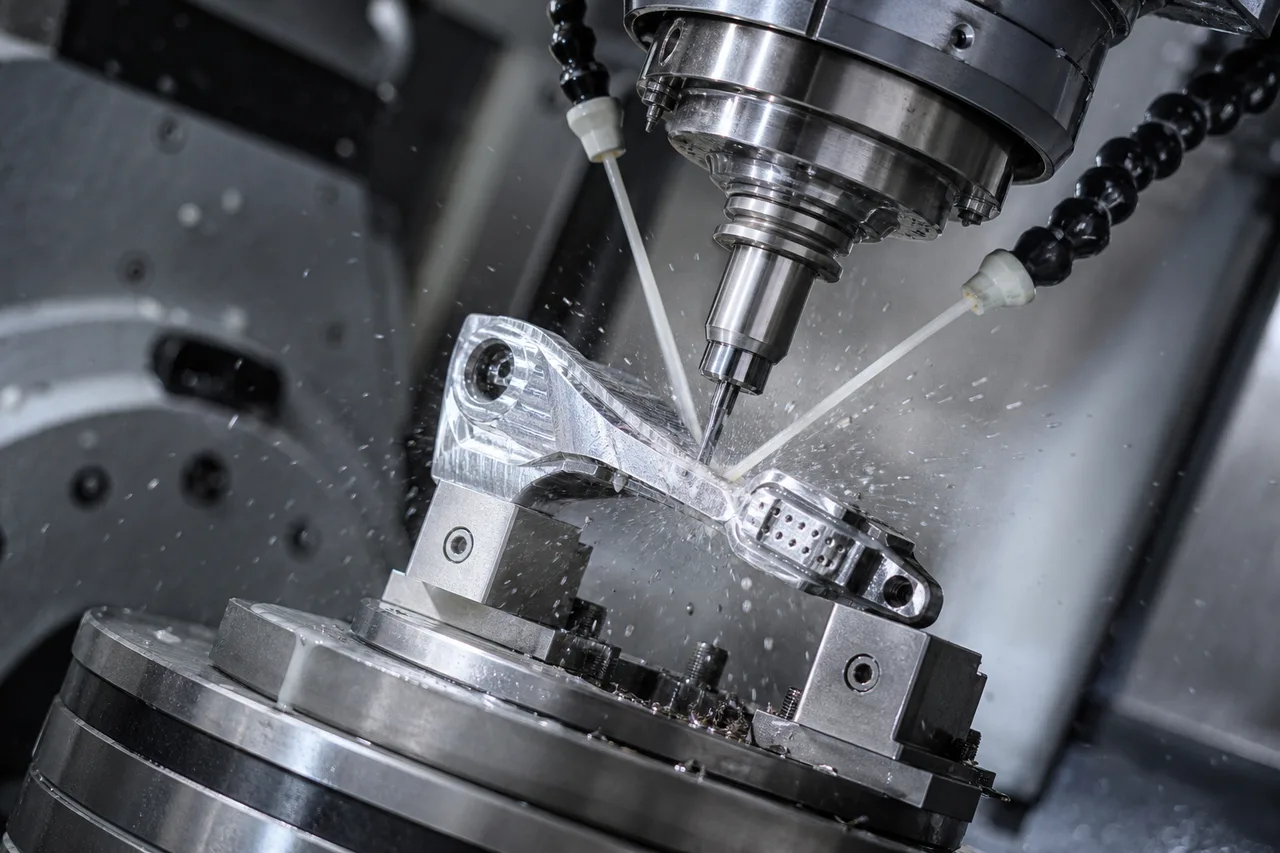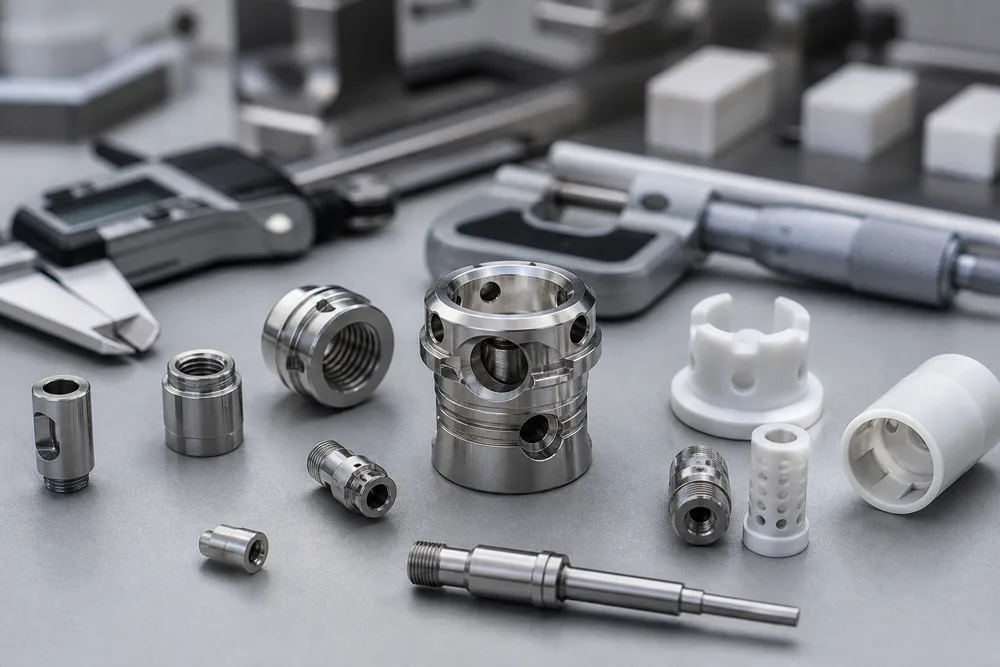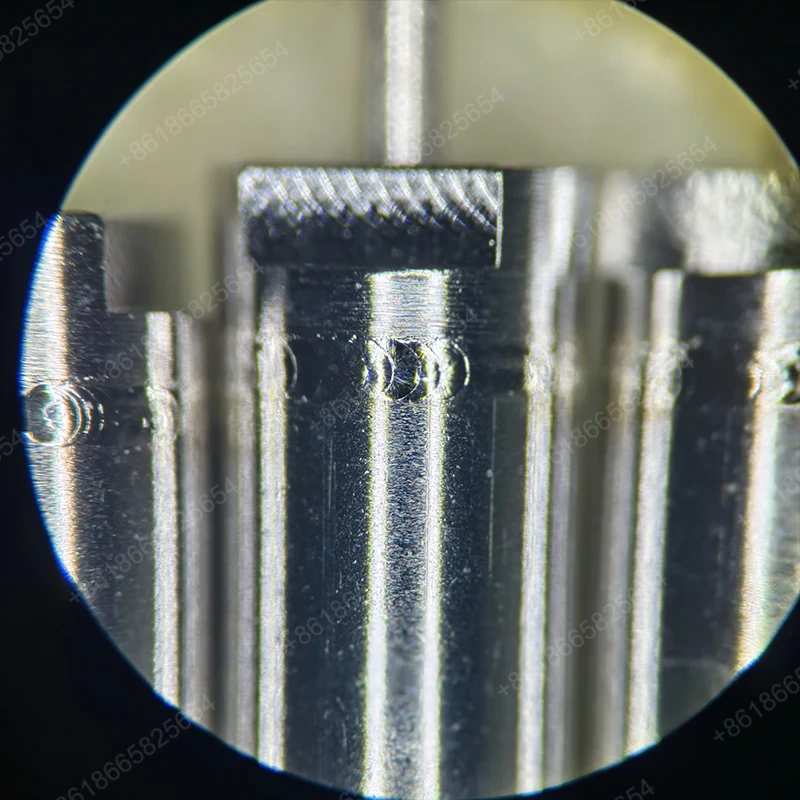
Our specialized knowledge in micro component manufacturing sets us apart in the precision machining industry. We have dedicated equipment, processes, and personnel focused entirely on the unique challenges of producing parts at microscopic scales.
We excel at producing components with features so small they are barely visible to the unaided eye, yet must meet exacting precision standards.
1. Minimum structure size: 0.005mm — features smaller than the diameter of a human hair.
2. Minimum part size: 0.08 × 0.08mm — complete components smaller than a grain of table salt.
3. Minimum micro-rod diameter: 0.01mm — ultra-fine shafts for medical and electronic applications.
4. Minimum micro-hole: 0.003mm — precision micro-drilling at the edge of possibility.
Beyond micro-scale size, we also produce larger parts that require the same level of extreme precision in their critical features.
1. Maximum precision: 0.001mm on the highest accuracy parts we produce.
2. Fine surface finishes: Surface roughness as low as Ra0.05μm on precision-ground components.
3. Tight geometric tolerances: Flatness to 0.0003mm and roundness to 0.0005mm on critical features.
Manufacturing micro components with ultra precision requires a carefully orchestrated process that accounts for every variable that could affect dimensional accuracy at microscopic scales.
Every micro component project begins with thorough process planning to ensure manufacturability and quality from the outset.
1. Design review: Our engineering team reviews part designs for micro-machining feasibility and suggests optimizations.
2. Process selection: Choosing the optimal combination of machining technologies for each feature.
3. Tooling strategy: Selecting and preparing specialized micro-tools appropriate for the material and feature size.
Our micro component machining process follows a carefully sequenced workflow designed to maintain accuracy at every stage.
1. Material preparation: Careful selection and preparation of raw material stock appropriate for micro-scale processing.
2. Rough machining: Initial material removal with larger tools, leaving minimal stock for finishing.
3. Semi-finishing: Intermediate passes to bring features close to final dimensions while managing cutting forces.
4. Finish machining: Final precision passes using specialized micro-tools to achieve target dimensions and surface quality.
5. Post-processing: Surface treatments, deburring, and cleaning appropriate for micro-scale components.
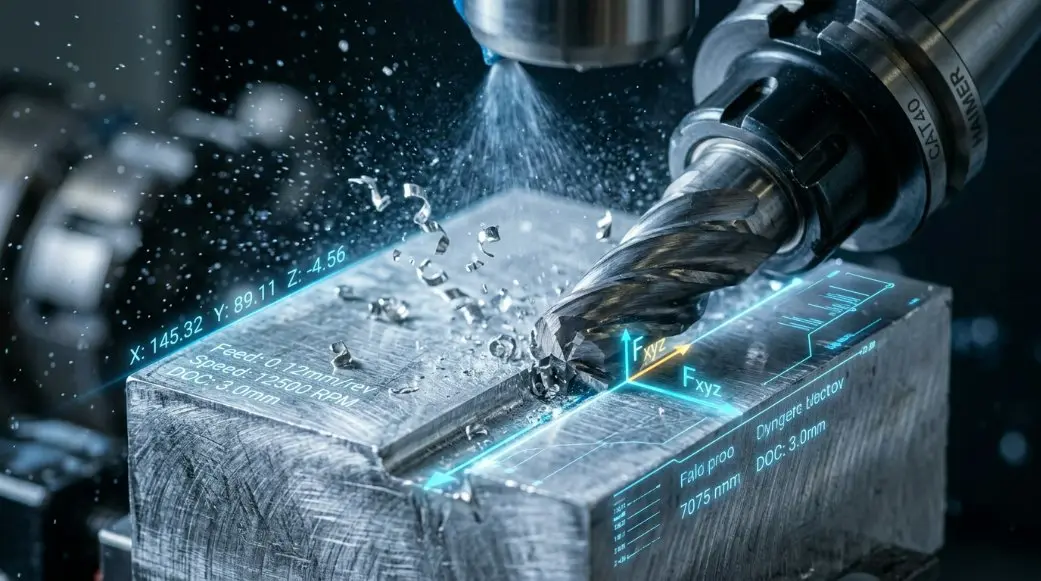
At micro scales, even tiny cutting forces can cause significant part deformation. We have developed specialized techniques to manage this challenge.
1. Material science: Deep understanding of how different materials behave at micro scales under cutting forces.
2. Stress management: Strategic processing sequences and intermediate stress relief steps.
3. Custom fixturing: Innovative workholding solutions designed specifically for micro components.
4. Cutting parameters: Optimized feed rates, spindle speeds, and depth of cut to minimize forces.
Our micro component manufacturing is supported by a comprehensive equipment platform encompassing multiple machining technologies, each selected for its ability to produce specific micro-features with maximum precision.
We operate specialized CNC equipment configured for micro-scale manufacturing, sourced from top Japanese and Taiwanese builders.
1. Micro electronic parts machines: Japanese-origin equipment with ±0.002mm accuracy and 350 × 250 × 350mm travel.
2. Swiss-type lathes: Taiwan-built core walking machines achieving ±0.003mm accuracy for 20 × 230mm parts.
3. Precision grinders: Hand-cranked, internal/external circular, and centerless grinders with ±0.001mm accuracy.
For features beyond the reach of conventional cutting tools, we deploy advanced non-contact and specialized processing methods.
1. Laser processing: Laser cutting and drilling for micro-holes and fine features in difficult materials.
2. Wire EDM: Slow wire cutting and EDM for complex shapes in hardened materials at ±0.002mm precision.
3. Precision grinding: Surface and profile grinding for ultra-fine finishes and tight dimensional control.
We process an exceptionally wide range of materials for micro component applications, each requiring specialized knowledge and processing strategies to achieve optimal results at micro scales.
Our metal micro-machining capabilities cover everything from common structural alloys to exotic high-performance metals.
1. Medical grades: Implant and interventional stainless steel for surgical and implantable micro-components.
2. Tool steels: High-temperature steel, mold steel, and powder high-speed steel for micro-tooling applications.
3. Light alloys: Aluminum and copper alloys for electronic and thermal management micro-parts.
4. Refractory metals: Titanium alloy, high-temperature alloy, molybdenum, and tungsten for extreme environments.
We also specialize in micro-machining of non-metallic materials that present unique challenges at small scales.
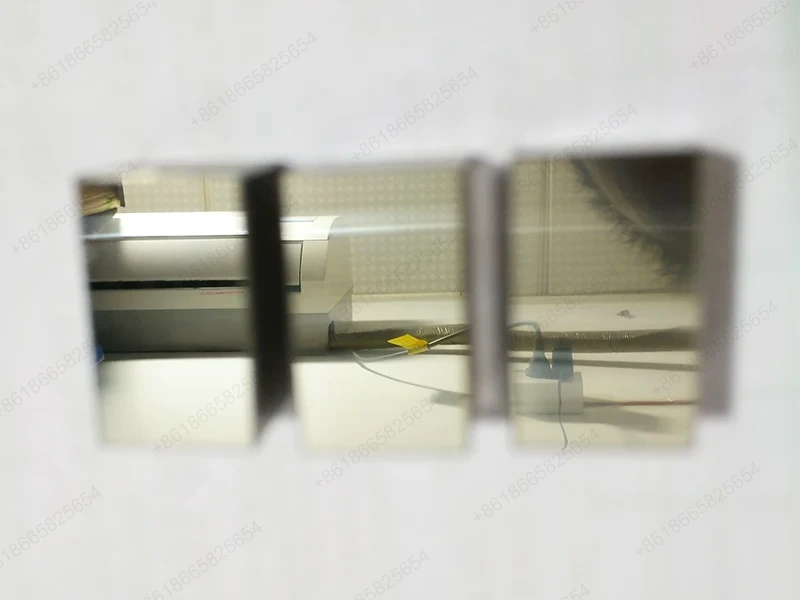
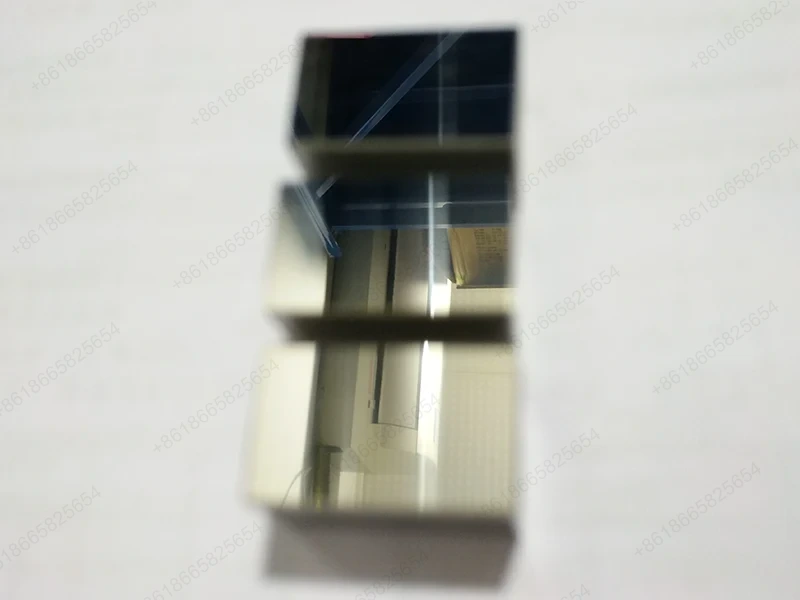
1. Brittle materials: Diamond, quartz stone, optical glass, ceramics, and tungsten steel require careful processing to prevent chipping and cracking.
2. Engineering plastics: PEEK, PEI, PAI, and UPE for medical, semiconductor, and electrical micro-components.
Verifying the quality of micro components presents its own set of challenges. We have invested heavily in inspection technology capable of measuring features at the same scale as the parts themselves.
Our quality verification arsenal includes specialized equipment designed specifically for micro-scale measurement.
1. High-power microscopy: High-power microscopes and stereoscopic microscopes for detailed visual inspection of micro-features.
2. Image analysis: Advanced image analyzer systems for non-contact dimensional measurement of small parts.
3. Tool microscopes: Precision optical measurement systems for detailed feature verification.
4. Projectors: Optical projectors for profile comparison and dimensional verification.
Our 16-person quality management team ensures that every micro component meets the highest standards before shipment.
1. QE (Quality Engineer): Develops inspection plans and resolves technical quality issues specific to micro parts.
2. IQC (Incoming Quality Control): Verifies raw material quality before it enters micro-machining processes.
3. IPQC (In-Process Quality Control): Monitors quality throughout each stage of micro component production.
4. OQC (Outgoing Quality Control): Performs final inspection of finished micro components before shipment.
The micro component ultra precision machining process we have developed over 18 years of continuous refinement represents a mature, reliable solution for manufacturers seeking the highest levels of miniaturization and precision.
Our micro component machining capabilities serve industries where miniaturization and precision go hand in hand, enabling technologies that were once the stuff of science fiction.
The medical device industry is one of the largest consumers of precision micro components, where size reduction directly improves patient outcomes.
1. Minimally invasive surgery: Micro-components for glaucoma surgical instruments and other minimally invasive tools.
2. Cardiovascular devices: Vascular stent parts and ventricular assist system components.
3. Dental and surgical tools: Gallbladder stone grinding heads and vascular calcification block grinding heads.
The relentless drive toward miniaturization in semiconductor and electronics industries creates constant demand for ever-smaller precision components.
1. Semiconductor manufacturing: Micro-fixtures, vacuum handling components, and diamond grinding knives.
2. Micro-electronics: Tiny structural and functional components for electronic assemblies.
Optical communication systems depend on micro-precision components for alignment and connection of optical fibers and elements.
1. Fiber optic components: Micro-precision ferrules, sleeves, and alignment structures.
2. Coating fixtures: Miniature fixtures for optical coating processes.
A: We excel in producing micro structures with the smallest feature size reaching 0.005mm. We can also produce complete parts as small as 0.08 × 0.08mm, micro-diameter rods as thin as 0.01mm, and micro-holes as small as 0.003mm.
A: We are particularly skilled in the production and processing of tiny structures, miniature parts, and tiny holes, as well as high-precision parts. Our expertise spans medical micro-components, semiconductor fixtures, optical alignment parts, and electronic micro-assemblies.
A: We have over 320 units of inspection equipment including high-power microscopes, stereoscopic microscopes, image analyzers, tool microscopes, projectors, and precision measurement tools. Our 16-person quality team including QE, IQC, IPQC, and OQC specialists ensures thorough verification at every stage.
A: Yes, we have extensive experience processing brittle materials including diamond, quartz stone, optical glass, ceramics, and tungsten steel. We use specialized processing strategies to prevent chipping, cracking, and other damage common in micro-machining brittle materials.
A: We support minimum order quantities of just 1 piece, making us ideal for prototype development as well as production quantities up to 999,999+ pieces. We scale seamlessly from R&D prototypes to full manufacturing.
A: Production cycles range from 3 days to 180 days depending on complexity, quantity, and material. Standard micro components typically ship within 3 to 20 days. We provide specific timeline estimates with each quotation based on your project requirements.
Process Excellence
Sanluo Precision delivers exceptional micro component ultra precision machining process capabilities that have been refined over 18+ years of specialized manufacturing experience. Our ability to produce features as small as 0.005mm with 0.001mm accuracy, combined with our comprehensive material expertise and rigorous quality control, makes us the ideal partner for your most challenging micro component requirements. Whether you need medical micro-instruments, semiconductor fixtures, or electronic micro-assemblies, we have the technology, the team, and the track record to deliver results at scales that others cannot match.
Address
Building A1, Yufeng Industrial Park, Guangming District, Shenzhen, China
Tel