
Choose a China CNC machining supplier by starting with the released drawing, then checking whether its stated processes, material experience, inspection evidence, and quotation questions match the features that can make your part fail. A long machine list is not enough. The right supplier can explain how it will hold the critical features on your part, what must be clarified before machining, and where the design creates cost or inspection risk.
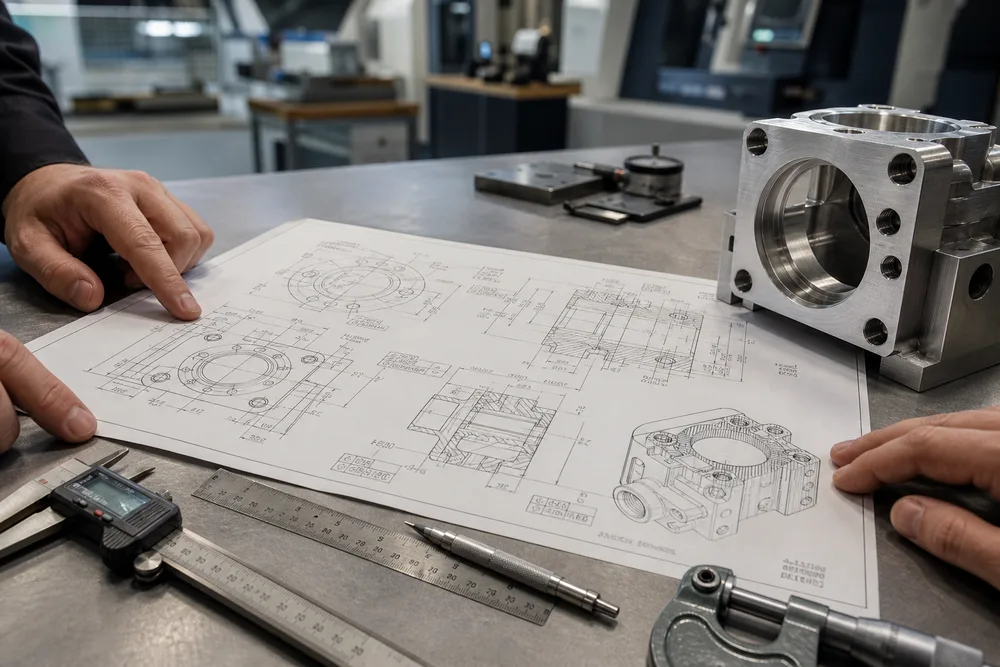
For custom CNC machining parts, the drawing is the decision document. It reveals far more than a supplier's broad claim to offer turning, milling, or precision work.
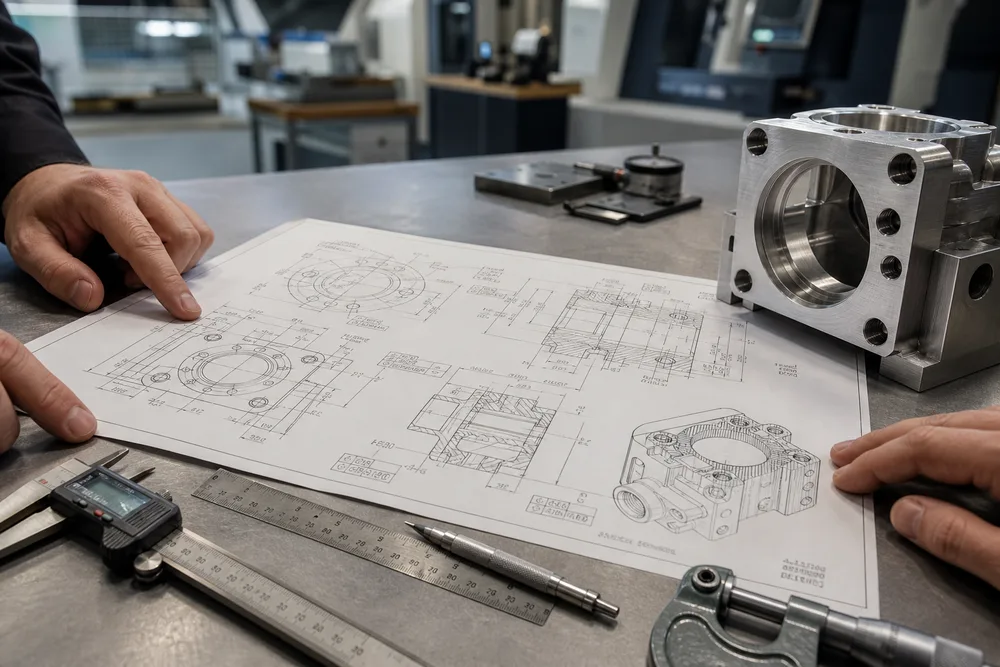
Start With the Drawing, Not a General Capability List
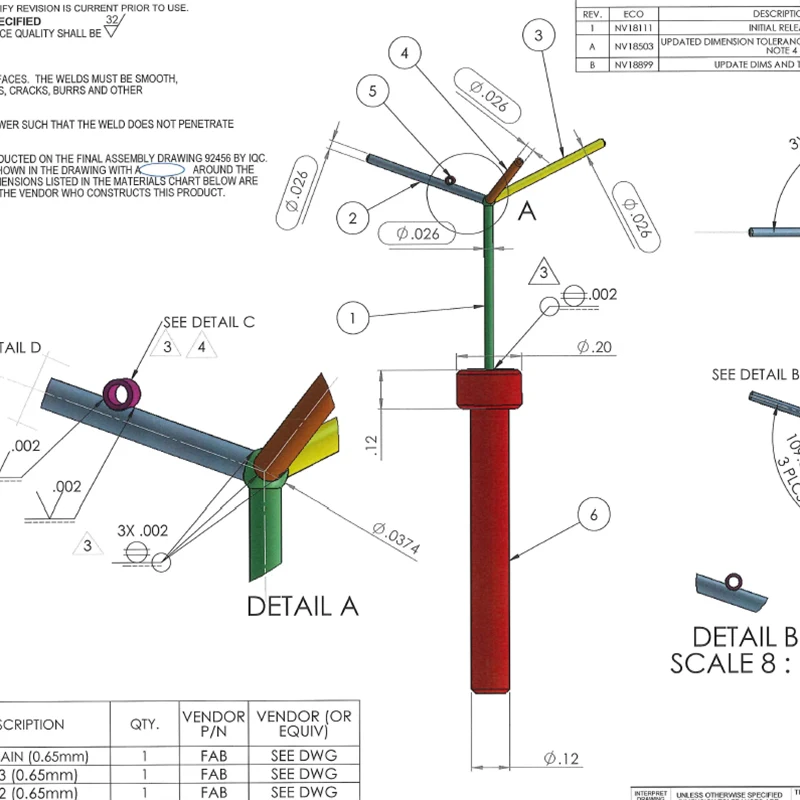
A capable China CNC machining manufacturer should review the current drawing revision before promising a lead time or unit price. Send the 2D drawing, the native or neutral 3D model where available, and any inspection or cosmetic requirements. A supplier cannot assess a tight bore, a thin wall, an inaccessible internal corner, or a datum scheme from a product photo.
Ask how the part would be located and held during machining. That question exposes real process thinking. A feature may be straightforward to cut but difficult to inspect after the part is unclamped. Another may require a second setup, custom workholding, or a process change that affects cost and repeatability.
Which Part Features Determine Whether a Supplier Is a Fit?
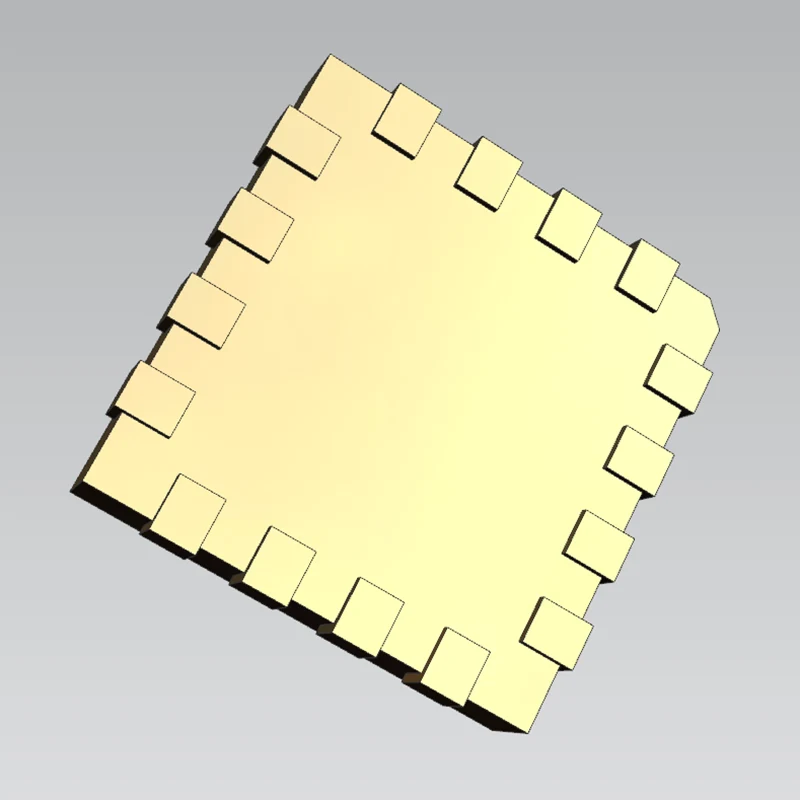
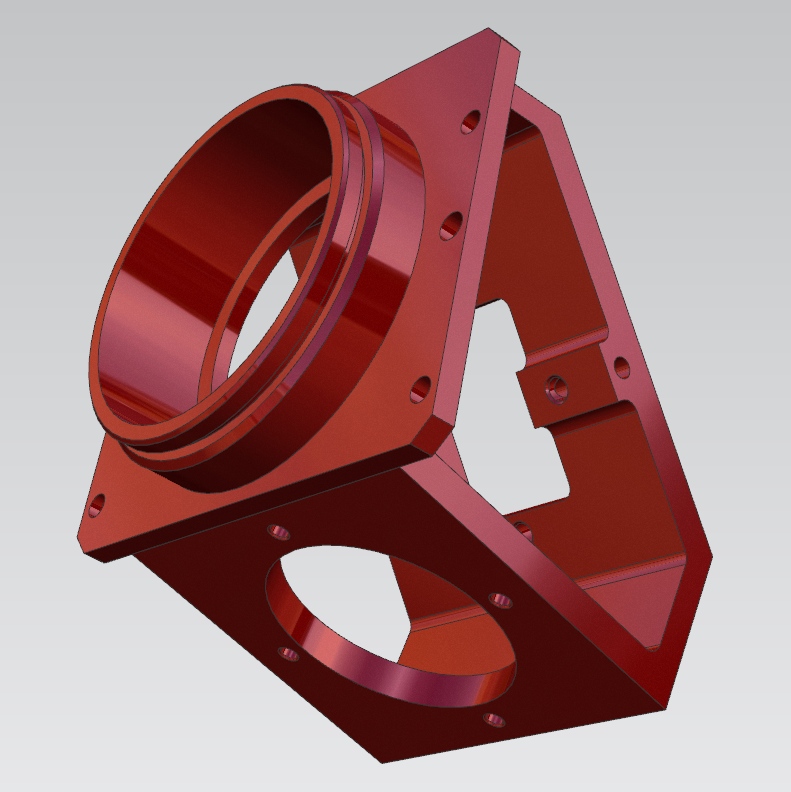
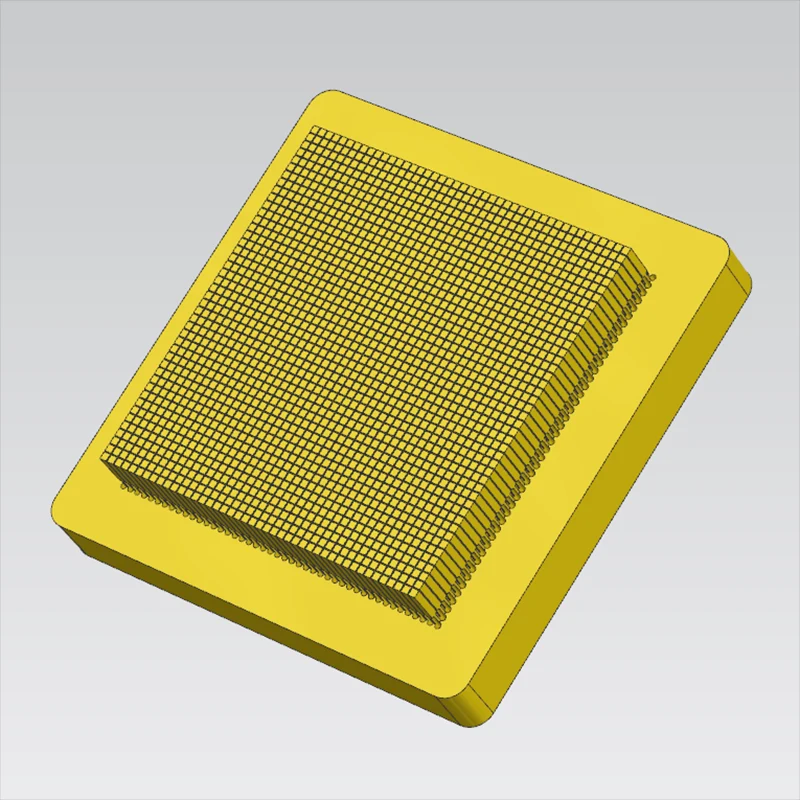
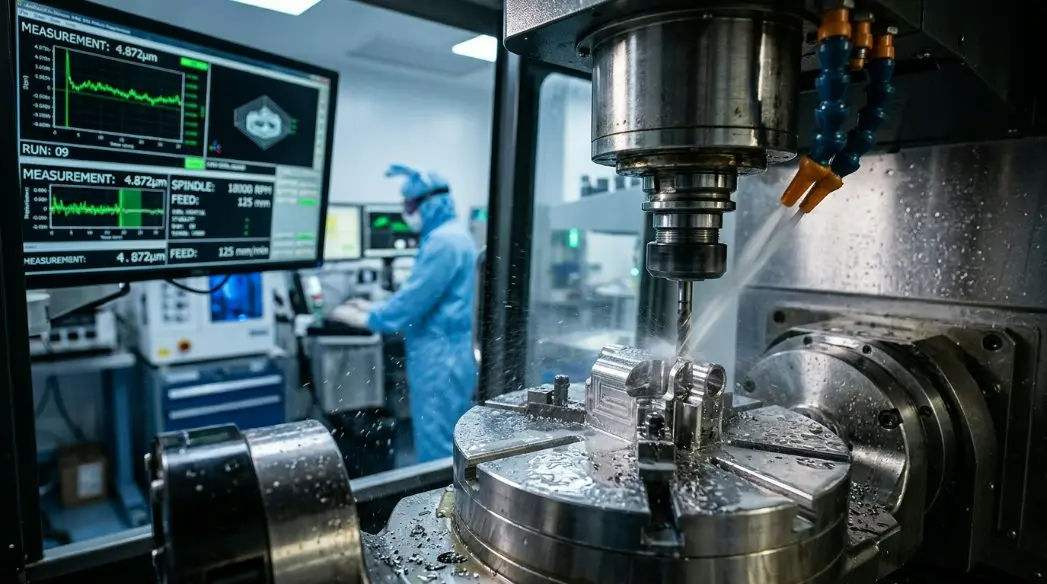
The deciding features are usually not the overall length and width. Look at the details: deep cavities, narrow slots, intersecting holes, fine threads, small radii, thin sections, eccentric turned features, delicate edges, and surfaces that need to relate accurately to one another. Parts with very small features may need micro machining rather than ordinary milling practices.
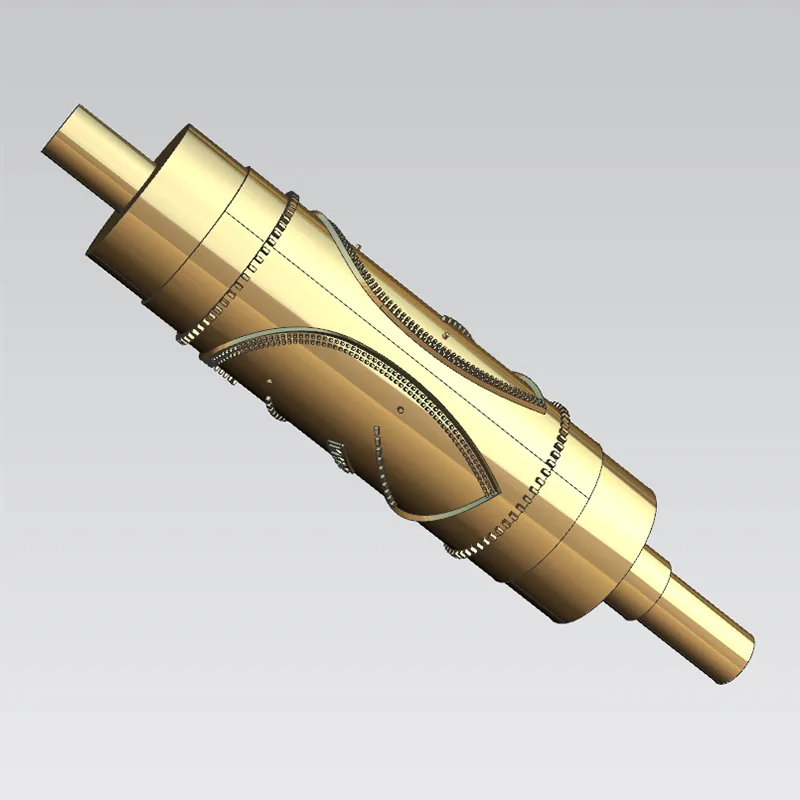
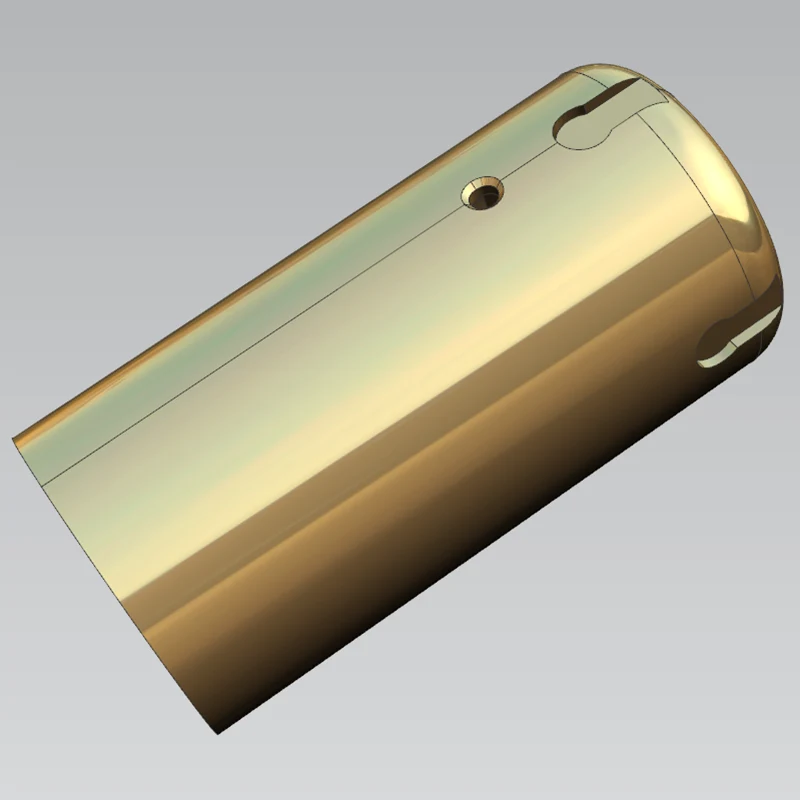
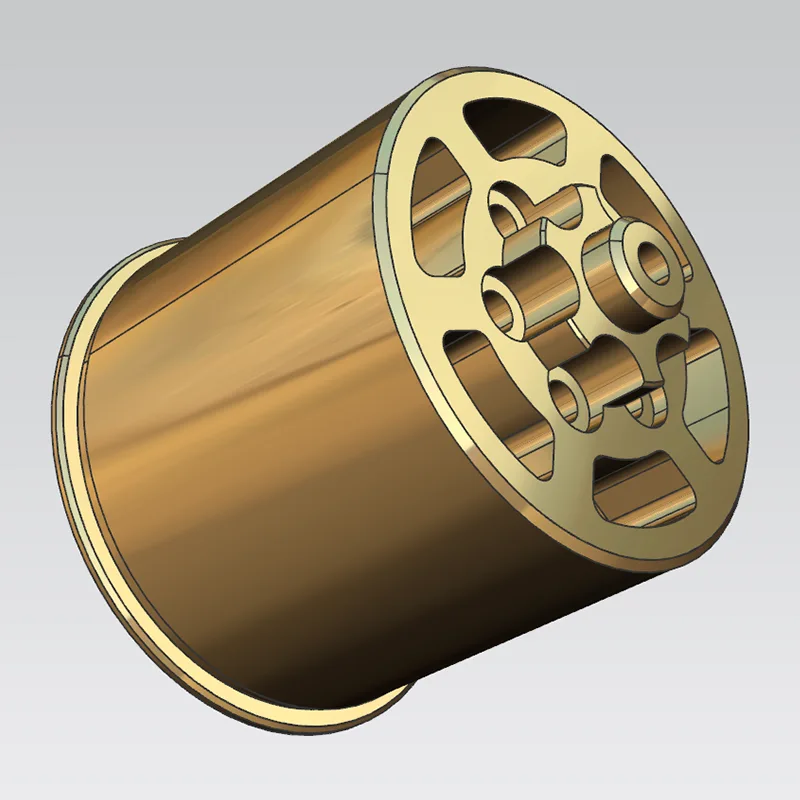
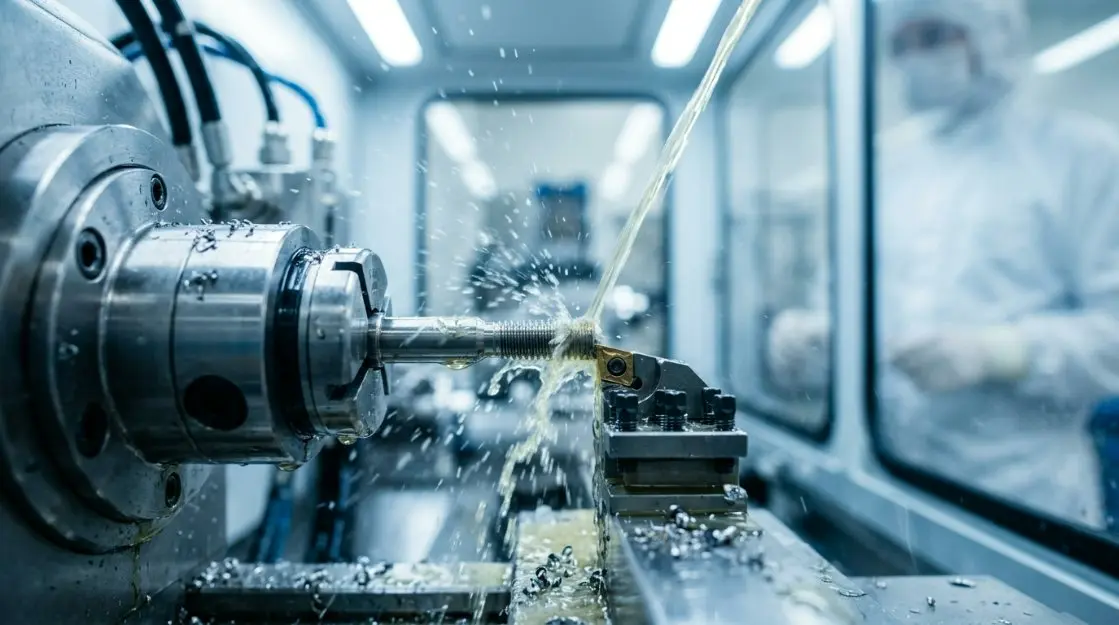
Rotational parts deserve separate scrutiny. A shaft with stepped diameters, cross holes, threads, and a long unsupported section may suit turning followed by secondary milling. A small pin-like component with many features around its circumference may be better suited to Swiss-type work. Do not assume that a supplier offering CNC turning and milling services will use the same route for both part families.
What Material, Tolerance, Surface, and Inspection Requirements Must Be Clear?
State the exact material grade or approved alternative, not only “stainless steel” or “plastic.” Material condition, supplied stock form, corrosion concerns, and post-machining treatment can change the process plan. If appearance matters, identify which faces are cosmetic and whether machining marks, tool witness lines, or edge breaks are acceptable.
Mark critical dimensions and geometric requirements clearly, with datums that reflect how the part functions in assembly. A tolerance without a measurement method can become an argument later. Tell the supplier which dimensions require recorded results, what reference surfaces matter, and whether you need first-piece, in-process, or final inspection documentation. This is especially relevant for semiconductor, optical communication, laboratory, and medical applications, where a minor burr, particle trap, or damaged edge can be more consequential than the nominal dimension.
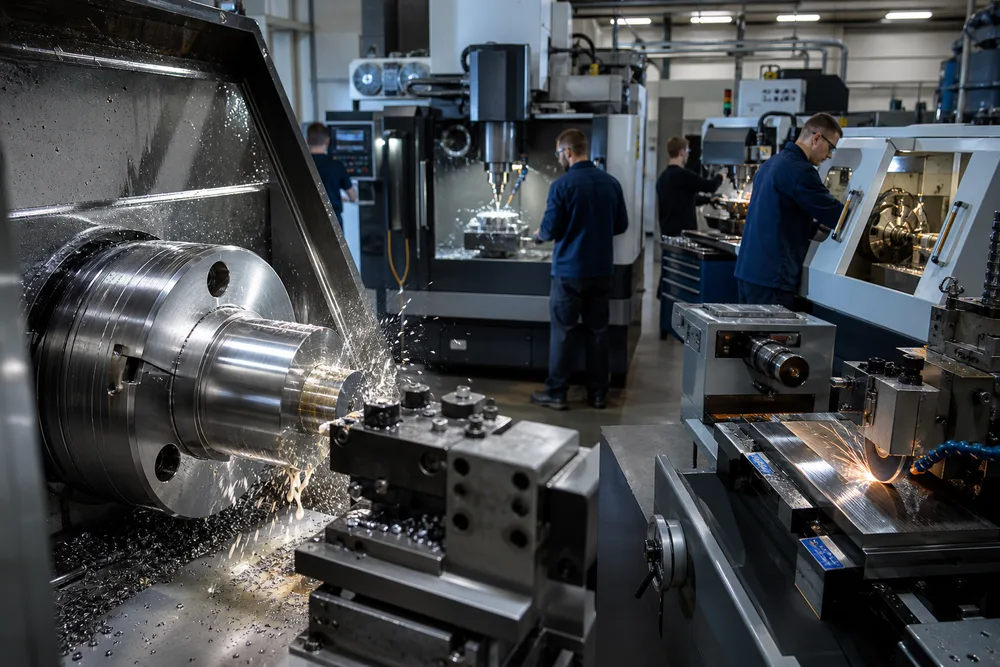
Match Your Part to the Right CNC Machining Process
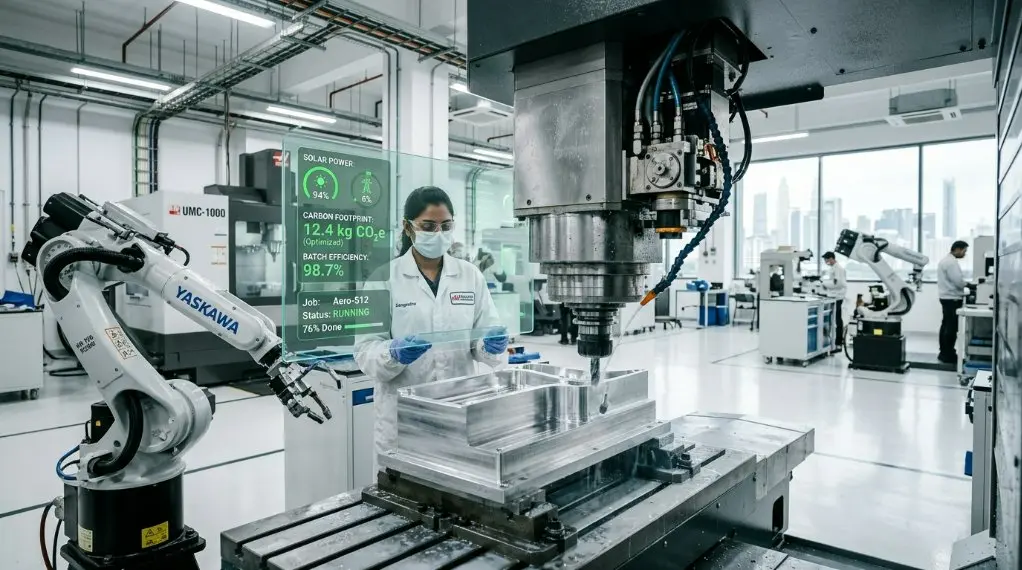
Process fit matters because it determines access, stability, achievable feature quality, and the number of setups. Sanluo Precision lists CNC machining, CNC lathe and Swiss machining, micro machining, EDM and wire EDM, laser micro processing, and precision grinding among its services. That breadth can be useful only if the proposed route is tied to your drawing rather than offered as a menu.
When Are CNC Turning, Milling, and Swiss Machining the Better Choice?
CNC turning is generally the natural starting point for parts centered on diameters, bores, grooves, and threads. Milling is better suited to prismatic geometry: pockets, faces, drilled patterns, profiles, and non-round external forms. Many custom parts require both. The question is where the part can be transferred without losing the relationship between critical features.
Swiss machining is worth discussing for small, slender, turned parts where support near the cutting zone is central to controlling deflection. It is not automatically the lowest-cost option for every small component. If the part has a simple form or a geometry that demands extensive secondary operations, another route may make more sense. Ask the supplier to explain its choice, not merely name a machine type.
When Do Micro Machining, EDM, Wire EDM, Grinding, or Laser Processing Matter?
Micro machining becomes relevant where tools, holes, slots, or part features are too small or too fragile for a standard process plan. Tool breakage, burr formation, heat, and workholding become practical constraints. The drawing should make feature scale and allowable edge condition unambiguous.
EDM and wire EDM can matter for conductive materials with hard-to-reach internal forms, narrow profiles, or shapes that should not be forced through a conventional cutter. Precision grinding is often considered where a functional surface needs a controlled finish or close relationship after prior machining. Laser micro processing may suit specific small-feature work. These are not upgrades to request by default; they are process choices driven by geometry, material, and the function of the finished feature.
For parts that combine several of these demands, review the supplier's stated custom CNC machining capabilities against the actual drawing and ask which operations will be performed in-house or managed as secondary work.
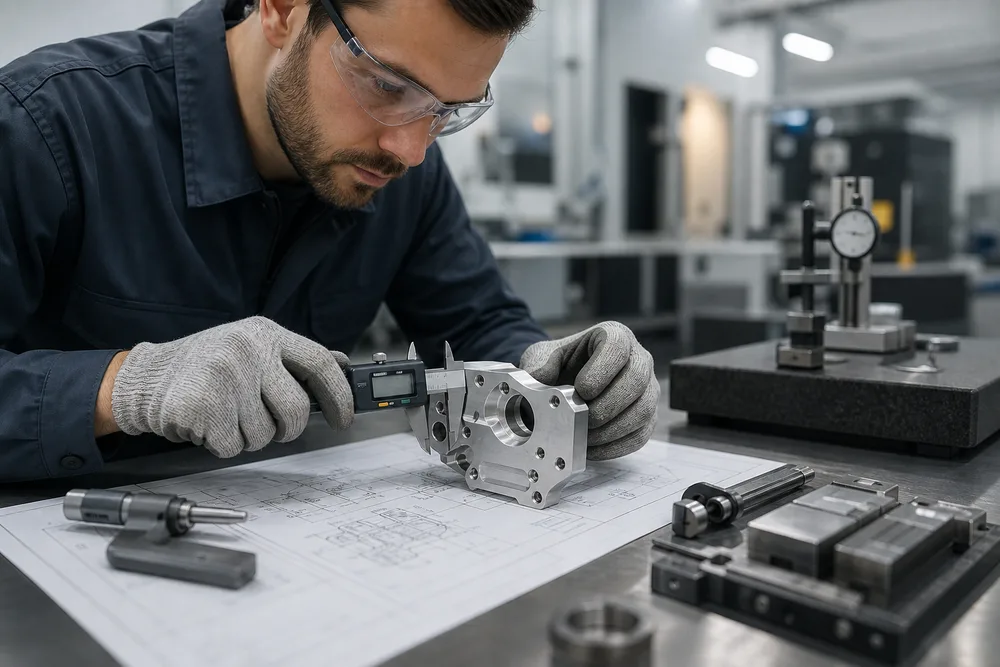
Ask for Evidence That Supports Quality and Process Control
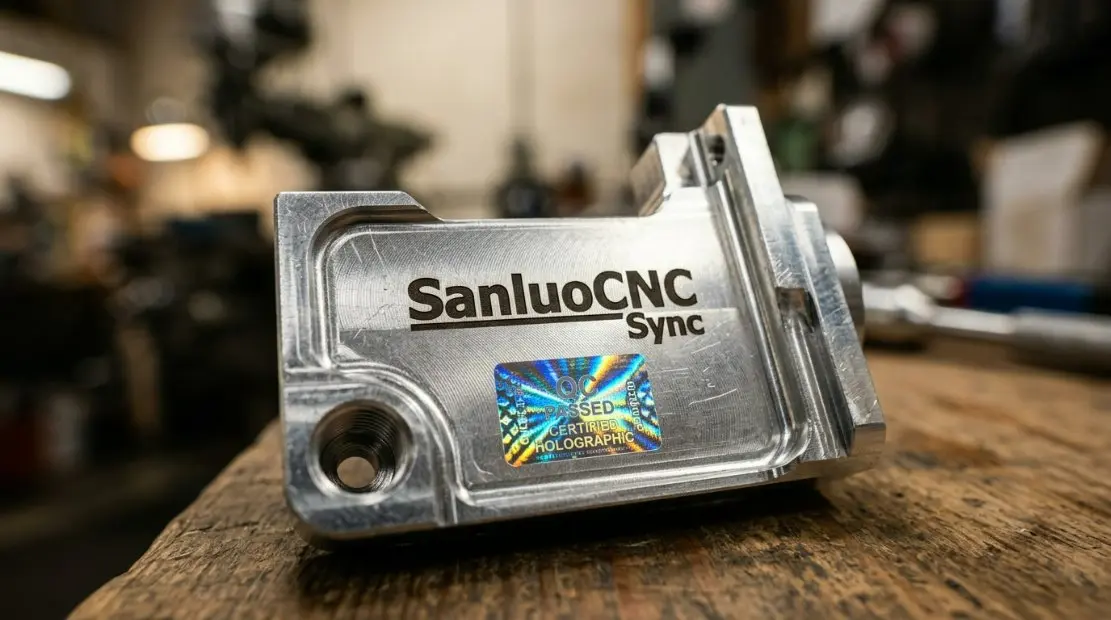
Ask for evidence connected to your requirements, not a vague assurance that quality is checked. A useful response identifies the critical features, proposed inspection points, measuring approach, and records that can be supplied. If a bore location is essential to assembly, ask how it will be referenced. If a surface finish or edge condition matters, ask how acceptability will be judged.
For a prototype, a concise first-article measurement record may be the practical starting point. For repeat production, clarify sampling expectations, change control for material or process, part traceability if required, and how nonconforming parts are identified and handled. Do not presume that these controls are included in a basic quote; place them in the RFQ.
Sanluo Precision states that it supports part or tooling design, processing, assembly, and debugging. If you need design feedback or assembly support, define the boundary: are you asking for manufacturability comments, a drawing revision proposal, fixture work, assembly verification, or troubleshooting of a supplied mechanism? Each is a different deliverable.
Prepare an RFQ That Produces a Useful CNC Machining Quote
A useful CNC machining quotation China buyers can compare is based on the same inputs for every supplier. Include:
- 2D drawing with revision level, tolerances, datums, notes, and critical characteristics;
- 3D model in a usable format, if available;
- material grade, approved substitutions, and any certificates or traceability you require;
- surface treatment, marking, cleanliness, cosmetic, and packaging requirements;
- prototype, low-volume, or repeat-production quantity expectations;
- required inspection documents and acceptance criteria; and
- delivery destination and any requested commercial terms.
Ask the supplier to identify assumptions and exclusions in writing. The lowest quote can omit finishing, inspection records, tooling, packaging, or a difficult tolerance that was not recognized during review. A quote that asks several drawing-specific questions is often more useful than one returned immediately with a single price.
If you are sourcing a prototype followed by low-volume production, say so early. The cheapest prototype process can create problems if it cannot be repeated economically or if it does not represent the intended production route.
Recognize Common Sourcing Risks Before Prototype or Production Release
The common mistake is approving a prototype because it looks correct without checking the dimensions, finish, material, and assembly interfaces that matter. A part can fit once yet still be poorly controlled across future batches.
Watch for these warning signs:
- Generic process claims: no explanation of setup, access, or inspection for critical geometry.
- Unresolved drawing notes: ambiguous threads, missing tolerances, unclear edge requirements, or conflicting dimensions accepted without questions.
- Material ambiguity: a broad material name used where a specific grade is needed.
- Quote gaps: finishing, inspection reporting, packing, or secondary operations missing from the stated scope.
- Inspection after the fact: measurement requested only after parts are already made, with no agreed acceptance plan.
- Prototype-to-production drift: no discussion of what changes when quantity, workholding, or process route changes.
Communication is a technical control, not administrative overhead. Keep the drawing revision, approved deviations, material substitution decisions, and inspection expectations in the purchase record. Verbal agreements are easy to lose when a part moves between engineering, purchasing, and production teams.
Send Sanluo Precision Your Drawing for a Process and Quote Review
Sanluo Precision is a Shenzhen, China-based manufacturer that has operated since 2007 and states that it processes metals, brittle materials, and engineering plastics for precision components and non-standard equipment applications. Its listed work includes CNC milling and turning, Swiss machining, micro machining, EDM, wire EDM, laser micro processing, and machining grinding.
Send the drawing package, quantity, material requirement, critical features, and inspection expectations for a drawing-led review. You can start through Sanluo Precision's CNC machining contact page. The useful first response is not just a price; it is a clear proposed process, the questions still open, and a quote scope you can approve with confidence.