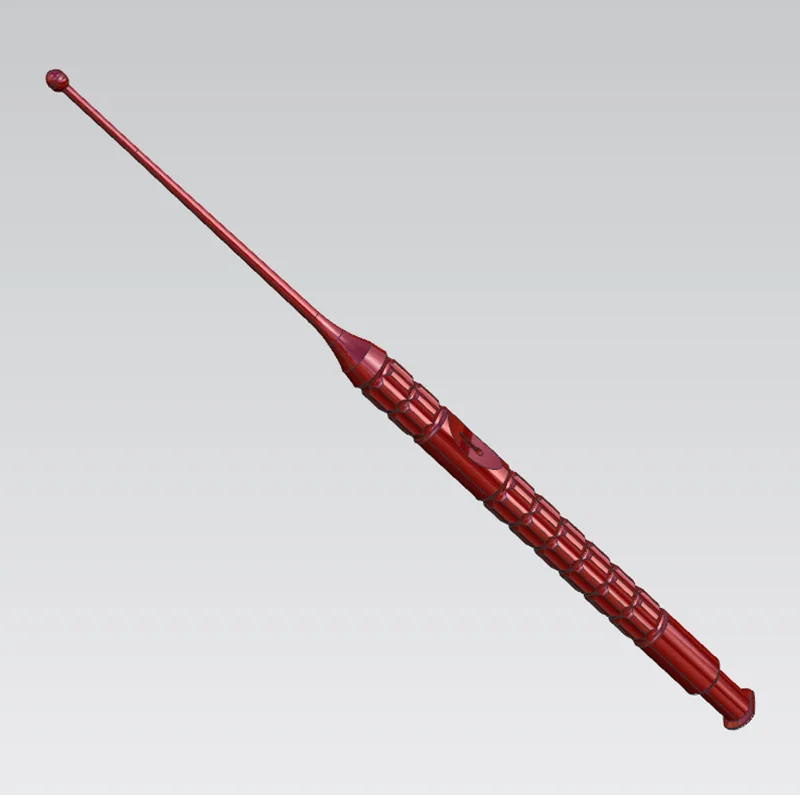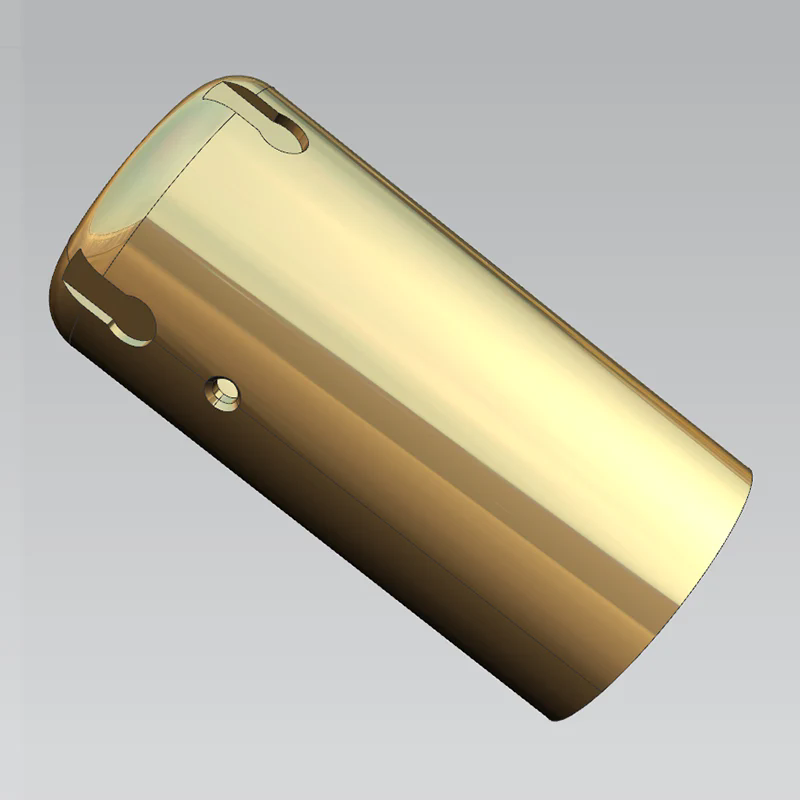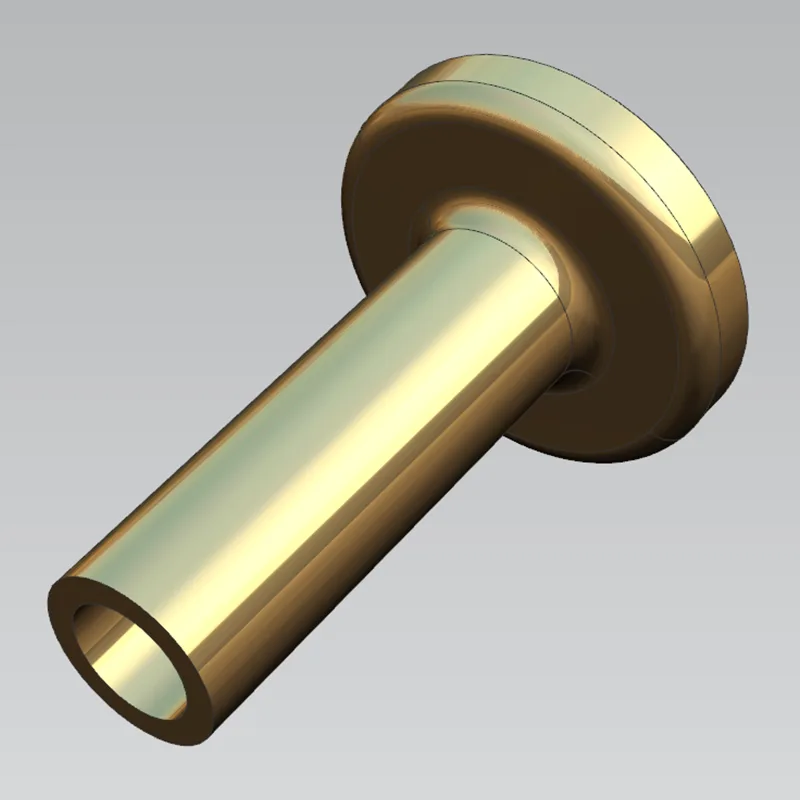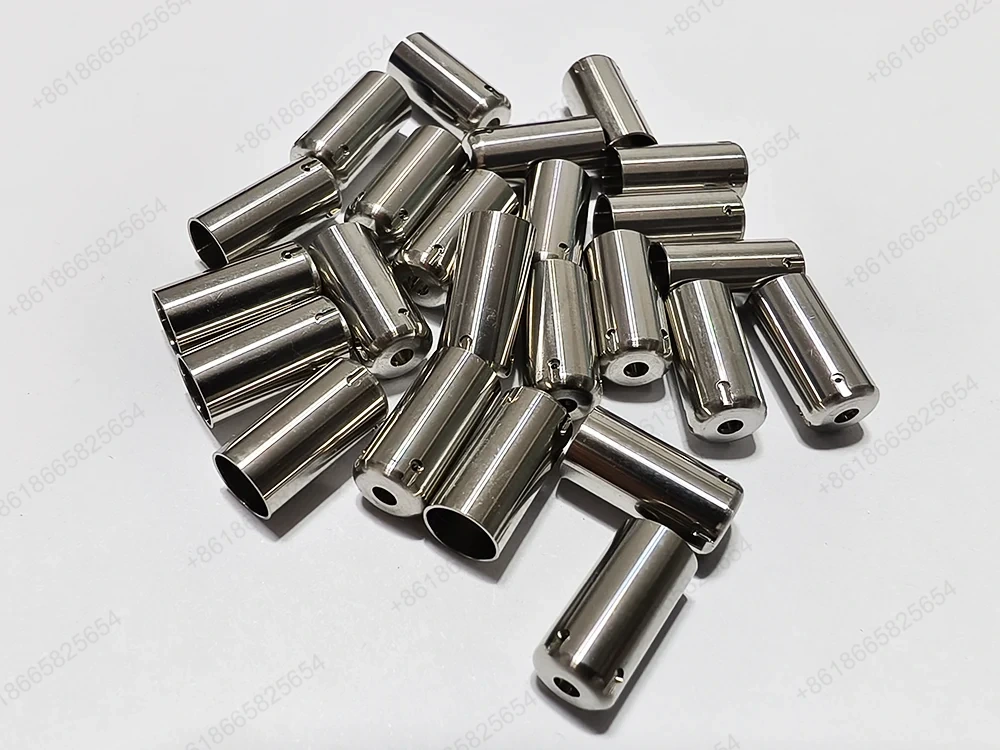

A tiny burr on a catheter component, an uncontrolled edge break on a surgical shaft, or an inspection plan that ignores a functional bore can stop a medical-device build far from the machine shop. Medical parts machining is not simply a matter of holding a drawing dimension. The work begins with how the component functions, how it will be assembled, what material condition matters, and which features cannot be compromised during finishing or handling.
Sanluo Precision is a China-based custom machining manufacturer serving medical product R&D and production customers. Its stated scope includes CNC machining, micro machining, laser beam machining, EDM, Swiss-type lathe machining, turning, and precision grinding, with support for individual parts and complex component work. For buyers sourcing small, difficult parts, the useful question is not “Which machine do you have?” It is “Which process sequence protects the features that matter?”
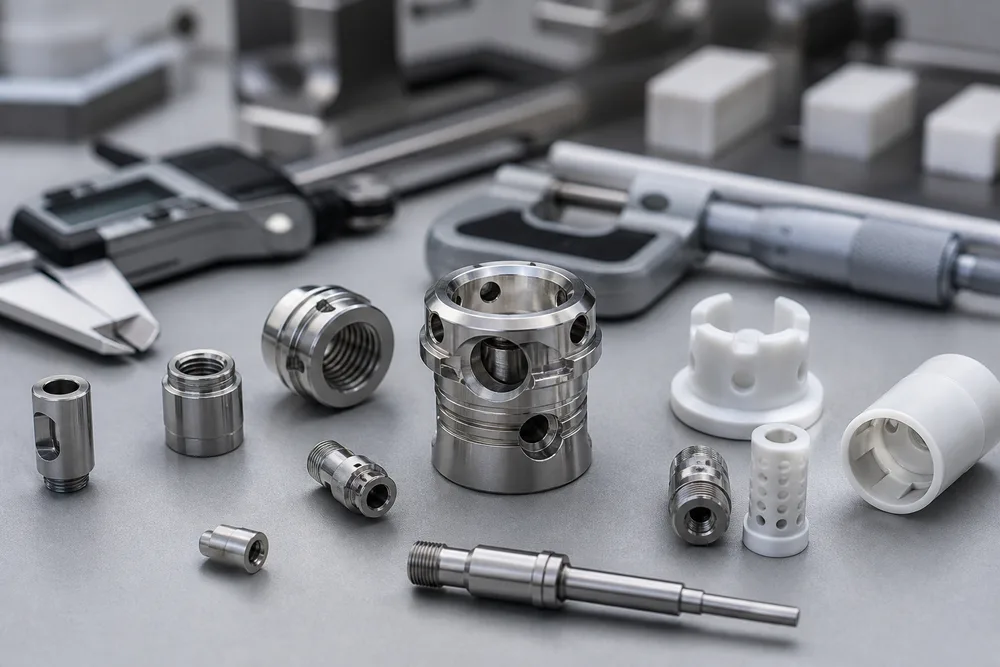
Key Takeaways: Custom Machining for Small, Complex Medical Components
- Sanluo Precision states support for medical components in stainless steel, titanium alloy, PEEK, PPSU, zirconia, and alumina.
- Its listed processes cover CNC, micro machining, laser beam machining, EDM, Swiss-type turning, conventional turning, and precision grinding.
- Early drawing review should identify datums, critical interfaces, finishing constraints, and assembly risks before a process route is fixed.
- Buyers should request the inspection records, traceability documents, packaging method, and certification evidence required for their own quality system.
Small medical components regularly require more than one machining discipline. A screw, shaft, catheter-related part, or pump-related component may need a turned reference diameter, a milled flat or pocket, a laser-produced feature, a ground functional surface, and final inspection against the drawing’s datums. Treating those operations as separate quotations often creates avoidable stack-up and handoff risk.
Sanluo Precision’s multi-process machining approach refers to coordinating these stated capabilities—rather than forcing a complex part through one process—across material selection, process design, manufacturing, assembly, testing, surface treatment, polishing, and batch production. That matters because each operation leaves a condition for the next one: workholding can distort thin geometry, EDM can be appropriate where tool access is poor, and polishing can alter a sharp functional edge if it is not controlled. Review the supplier’s medical parts machining capabilities against the part’s actual interfaces, not just its overall size.
Medical Applications and Sanluo Precision’s Multi-Process Machining Approach
Sanluo Precision identifies surgical instrument components, medical catheter components, ophthalmic surgery equipment, and ventricular assist pump-related parts among its medical applications. It also describes support for small complex parts, medical screws, shafts, and heterogeneous material connections. These categories have very different risks. A surgical instrument feature may be governed by tactile fit and repeated assembly; a catheter component can be limited by burr control and internal passage cleanliness; an ophthalmic component can place unusual importance on cosmetic and functional surface condition.
Process selection should follow geometry and function. Swiss-type lathe machining and turning suit rotational features such as shafts and screws. CNC machining addresses non-round geometry, pockets, flats, and interface features. Micro machining is relevant where tools and workholding must be scaled to a small feature set. Laser beam machining and EDM can be considered where conventional cutting access is restricted or where the feature geometry calls for them. Precision grinding is often the operation buyers should discuss when a surface is a running, locating, or mating interface rather than a merely visible one.
Ask how the part will be transferred between operations. That practical detail exposes whether datums are being preserved, where soft jaws or dedicated fixtures may be needed, and whether a late-stage surface treatment could affect a critical area. For complex assemblies or dissimilar-material joints, Sanluo Precision states that it can support assembly simulation. Provide mating-part information early; a perfect single component can still fail if its assembled relationship was never reviewed.
Medical Components, Materials, and Suitable Processes: A Buyer Comparison Table
Material is not a purchasing afterthought. Stainless steel and titanium alloy machine differently and respond differently to heat, tool wear, and finishing. PEEK and PPSU require attention to heat management and workholding so that part geometry is not affected during cutting. Zirconia and alumina bring ceramic-specific brittleness and finishing considerations. The correct route depends on the supplied drawing, the material grade or condition you specify, feature geometry, surface requirements, and the component’s intended use.
The table below is a sourcing discussion aid, not a process prescription. A named process may be suitable for a feature without being the complete manufacturing route. Buyers get better quotations when they identify which surfaces locate, seal, slide, connect, or remain exposed after assembly. Those notes help the machinist distinguish an ordinary external face from a surface that needs a tighter inspection focus or a protected finishing sequence.
| Component or feature type | Materials named by Sanluo Precision | Suitable stated processes to discuss | Buyer focus |
|---|---|---|---|
| Medical screws and shafts | Stainless steel, titanium alloy | Swiss-type lathe machining, turning, CNC machining, precision grinding | Thread definition, concentric functional features, end condition, mating fit |
| Small catheter-related components | Stainless steel, PEEK, PPSU | Micro machining, CNC machining, laser beam machining, turning | Burr direction, internal passages, thin sections, handling protection |
| Ophthalmic equipment parts | Titanium alloy, stainless steel, zirconia, alumina | CNC machining, micro machining, EDM, precision grinding, polishing | Surface condition, delicate geometry, cosmetic zones, inspection datums |
| Pump-related and assembled components | Stainless steel, titanium alloy, engineering polymers | CNC machining, turning, EDM, grinding, assembly simulation | Mating interfaces, runout-sensitive features, assembly sequence, material connections |
For a closer process conversation, share the drawing and intended application through Sanluo’s custom medical machining page rather than requesting a price from a part name alone.
From Drawing Review to Production: A Practical Medical Parts Machining RFQ Process
The fastest RFQs are not the shortest emails. They are the packages that remove ambiguity before material is cut. A PDF drawing may establish nominal geometry, but a production-ready package usually needs the native model where available, revision control, material callout, applicable standards, finish requirements, inspection expectations, forecast quantity, and delivery destination. If the component mates with another part, include the relevant interface geometry or assembly context.
- Submit controlled design data. Send the current drawing revision, 3D file if available, material requirements, finish notes, and any critical-to-function characteristics.
- Identify functional priorities. Mark sealing, sliding, locating, threaded, optical, fluid-path, or assembly surfaces. State what must be protected from scratches, burrs, or finishing changes.
- Review the proposed route. Confirm which stated machining and finishing operations are planned, how datums will be carried, and where inspection occurs.
- Agree the documentation package. Define material traceability, inspection records, lot identification, packaging, and any customer-specific quality documents before production release.
- Move from prototype to batch with change control. Keep revision, inspection, packaging, and process expectations aligned as quantities increase.
One recurring mistake is specifying every dimension as equally critical. That can obscure the few relationships that actually control fit or performance. Another is leaving edge condition undefined, then discovering during incoming inspection that “deburr” meant different things to different teams. Describe unacceptable conditions plainly. If a feature must remain sharp, protected, smooth, or free from loose material, say so in the RFQ.
Inspection Records, Material Traceability, Packaging, and Stated Certification Scope
For medical components, inspection is only useful if it follows the drawing’s functional logic. Ask which dimensions will be checked, which datum scheme will be used, how results are recorded, and how nonconforming material is identified. Sanluo Precision states support for inspection and testing as part of its medical machining offering. The appropriate record format, sample plan, and release criteria should be agreed for the specific programme rather than assumed from a general capability statement.
Material traceability should be defined at the purchase-order stage. State the material designation and documentation you require, how lots must be identified, and whether traceability needs to continue through shipment packaging. This is especially relevant where several components look similar after machining or where a part moves into a controlled assembly process. Packaging deserves the same attention: fine threads, polished surfaces, slender shafts, and ceramic parts can be damaged by contact during transit even if they left inspection in good condition.
No specific quality-system or regulatory certifications have been supplied in the provided Sanluo Precision description. Buyers should therefore request current certification copies, scope statements, inspection examples, material-document examples, and any supplier-quality evidence required by their organization before approval. Do not infer medical-device compliance from the component category alone. Your own device classification, market, quality system, and validation responsibilities determine what documentation and controls are needed.
Medical Parts Machining FAQ and B2B RFQ Request
A useful B2B request gives the supplier enough context to decide if the work fits its process range and to quote the right control plan. Sanluo Precision’s stated medical offering spans material selection, process design, manufacturing, assembly, testing, surface treatment, polishing, and batch production, but the required combination varies sharply by part. Start with the part’s job in the device, then provide the controlled technical package and documentation requirements.
What types of medical-device components can Sanluo Precision machine?
Sanluo Precision states that it machines surgical instrument components, medical catheter components, ophthalmic surgery equipment components, ventricular assist pump-related parts, small complex parts, medical screws, shafts, and heterogeneous material connections. Its listed material range includes stainless steel, titanium alloy, PEEK, PPSU, zirconia, and alumina. Suitability still depends on the individual drawing, feature geometry, material requirement, finishing requirement, and requested inspection or assembly scope.
What information should buyers provide in a medical machining RFQ?
Provide the latest revision-controlled drawing, a 3D model where available, material callout, required surface treatment or polishing, quantity and delivery schedule, critical dimensions and datums, assembly interfaces, inspection-record expectations, material traceability requirements, packaging instructions, and destination market requirements. Include clear notes on burrs, cosmetic surfaces, fluid paths, threads, or other features that affect function. This lets the supplier assess the appropriate route for medical parts machining before committing to price and lead time.
Send a Controlled Drawing Package for Review
Submit your part drawing, material requirement, critical interfaces, quantity, and documentation needs so Sanluo Precision can review the appropriate machining route and production scope.
Visit Official Website →