
Key Takeaways: Medical CNC Machining Capabilities, Verification Scope and Buyer Responsibilities
- Sanluo Precision machines custom medical components through turning, milling, grinding, micro machining, laser beam machining, EDM and wire EDM.
- Its stated key dimensional tolerance capability is ±0.002 mm to ±0.005 mm; final acceptance limits must be agreed part by part.
- Material, finish, critical dimensions, inspection records and packaging requirements should be fixed before production starts.
- Machining capability is not medical-device approval, biocompatibility certification or sterilization validation.
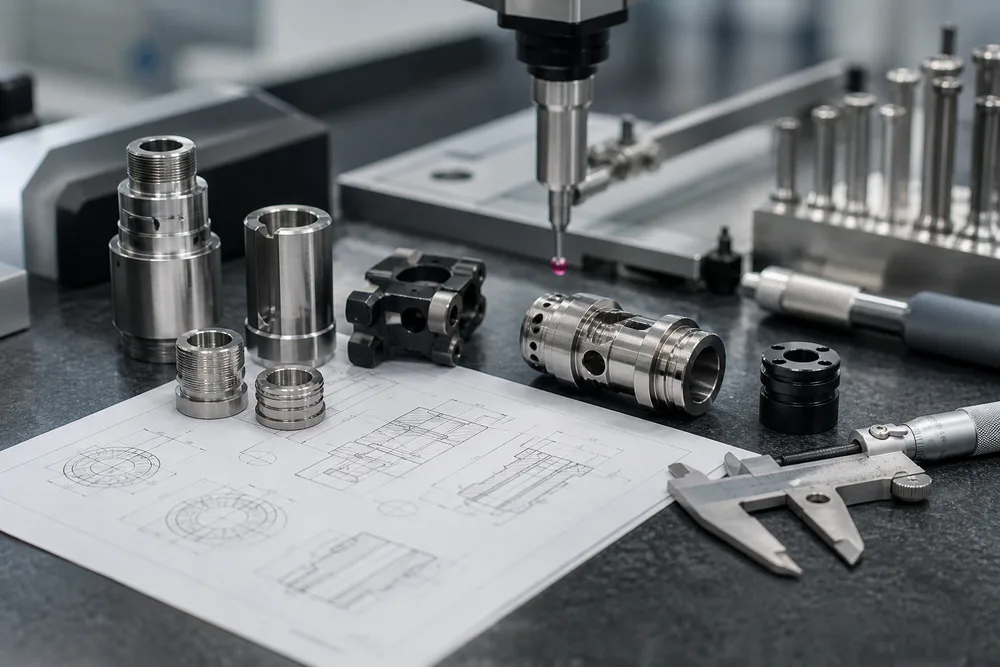
Medical precision machining is not simply CNC work with a tighter tolerance line on the drawing. The hard part is holding critical relationships—coaxial bores, thin-wall features, sealing faces, threads, microstructures and surface condition—through every operation without damaging the part during clamping, deburring or inspection.
Sanluo Precision is a Shenzhen-based custom manufacturer serving medical research institutions, device companies, third-party testing laboratories and global industrial purchasers. Its medical precision machining services cover complex and miniature component programs, from early samples through planned production. Buyers should bring more than a nominal CAD model. A usable package identifies the material grade, controlled characteristics, datum scheme, drawing revision, finish callouts, required documentation and the inspection evidence needed at receipt.
The tolerance range stated by Sanluo—±0.002 mm to ±0.005 mm for key dimensions—should be treated as a capability discussion, not a blanket promise for every feature on every geometry. Feature depth, material movement, tool access and measuring method all change what is practical.
Medical Applications, Materials and Processes: A Component-to-Manufacturing Capability Map
Medical component work spans surgical instrument parts, orthopedic implant-related components, intervention parts, laboratory fixtures, diagnostic equipment elements and research hardware. The manufacturing route should follow the feature that controls function. A long, slender shaft with multiple diameters usually points toward turning; a housing with intersecting ports and pockets needs milling; a precision bearing or sealing surface may require grinding after prior machining.
Sanluo lists implant and intervention grade stainless steel, titanium alloys, aluminum and copper alloys, plus engineering plastics including PEEK, PEI and PAI. These materials do not behave alike. Titanium can retain heat at the cutting edge and develop burrs around small cross holes. PEEK needs careful fixturing because local clamp force can distort thin sections. Stainless grades may work-harden if the process is poorly matched to the feature. Material traceability, condition, stock form and any post-machining heat treatment requirements belong in the RFQ.
| Component need | Relevant process | Buyer checkpoint |
|---|---|---|
| Small stepped shafts and threaded parts | Swiss-type/CNC lathe machining | Concentricity, burr control and thread inspection |
| Prismatic housings and complex pockets | CNC milling | Datum access and internal-corner limits |
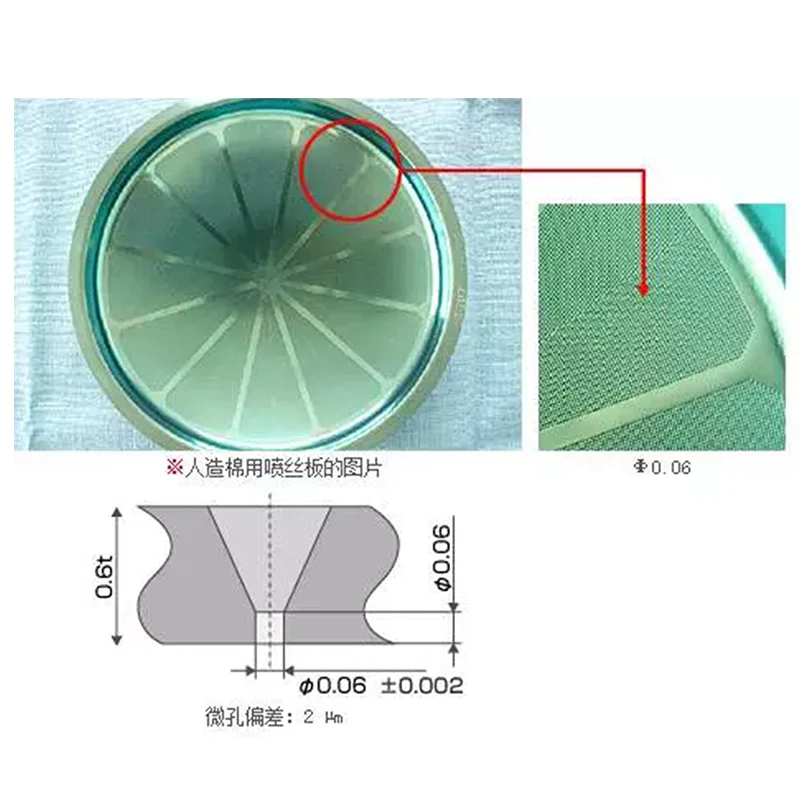
| Fine bores, slots and microstructures | Micro machining or micro EDM | Feature inspection method and edge condition |
| Hard or brittle material features | EDM, wire EDM or laser beam machining | Recast-layer and surface requirements |
| Critical cylindrical or bearing surfaces | Precision grinding | Roundness, cylindricity and Ra target |
How Sanluo Precision Manufactures Complex Medical Components: Turning, Milling, Grinding, Micro Machining and EDM
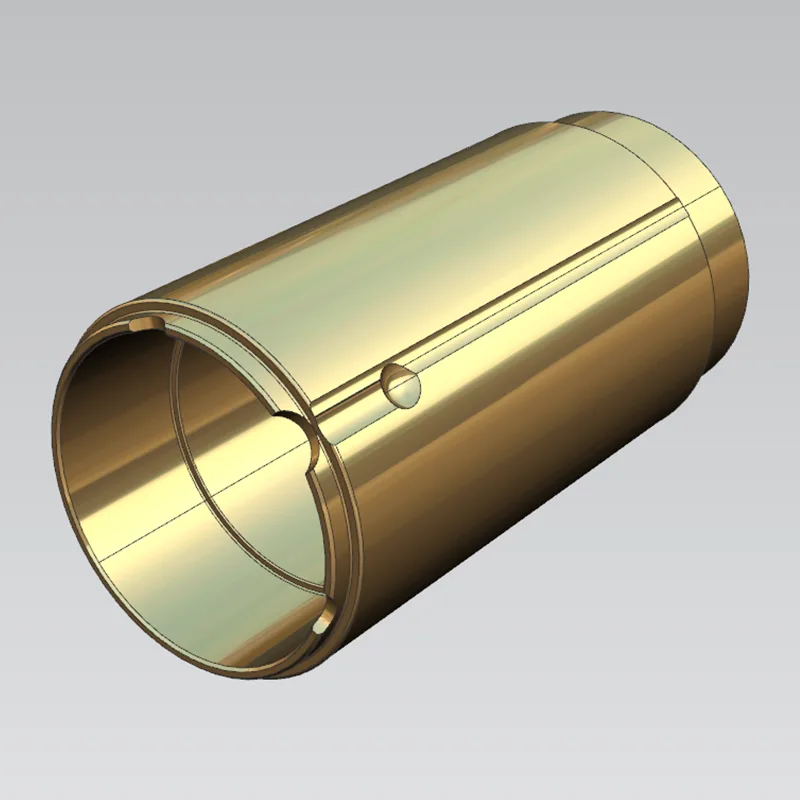
Swiss-type/CNC lathe machining is a production method in which slender bar stock is supported close to the cutting zone while tools work the part, helping control deflection on small-diameter, length-sensitive components. It is especially relevant for miniature shafts, pins, sleeves and other turned medical parts where runout and concentric relationships matter as much as diameter.
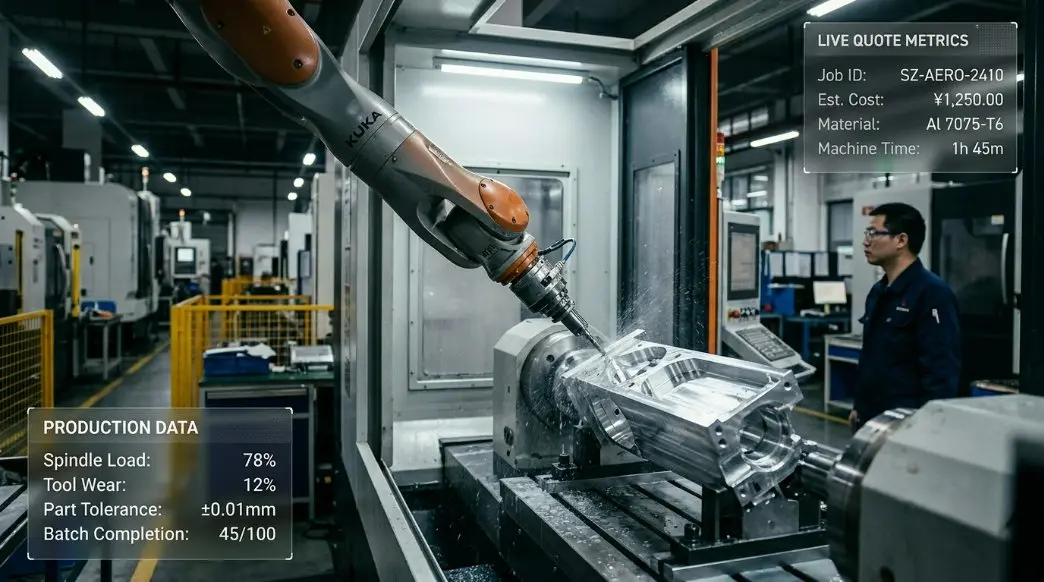
Sanluo combines precision turning, milling and grinding with micro machining, laser beam machining, micro EDM and EDM wire machining. That process range matters because no single method is ideal for every feature. Milling can create accessible pockets and flats efficiently, but it cannot produce perfectly sharp internal corners. Wire EDM can form intricate profiles in conductive material, though it brings different surface and edge considerations. Grinding is often chosen where roundness, cylindricity or a controlled Ra finish is functionally important.
Sanluo states surface roughness capability from Ra 0.1 μm to Ra 0.8 μm, alongside roundness and cylindricity targets. Do not specify the lowest roughness by habit. Fine finishes cost time and can alter feature edges. State the surface that affects sliding, sealing, tissue contact or optical performance, then leave non-critical faces appropriately practical. Supporting heat treatment, non-destructive testing and surface treatments should be discussed against the part's actual material and validation plan.
From Drawing Review to Shipment: A Practical RFQ and Prototype-to-Production Workflow
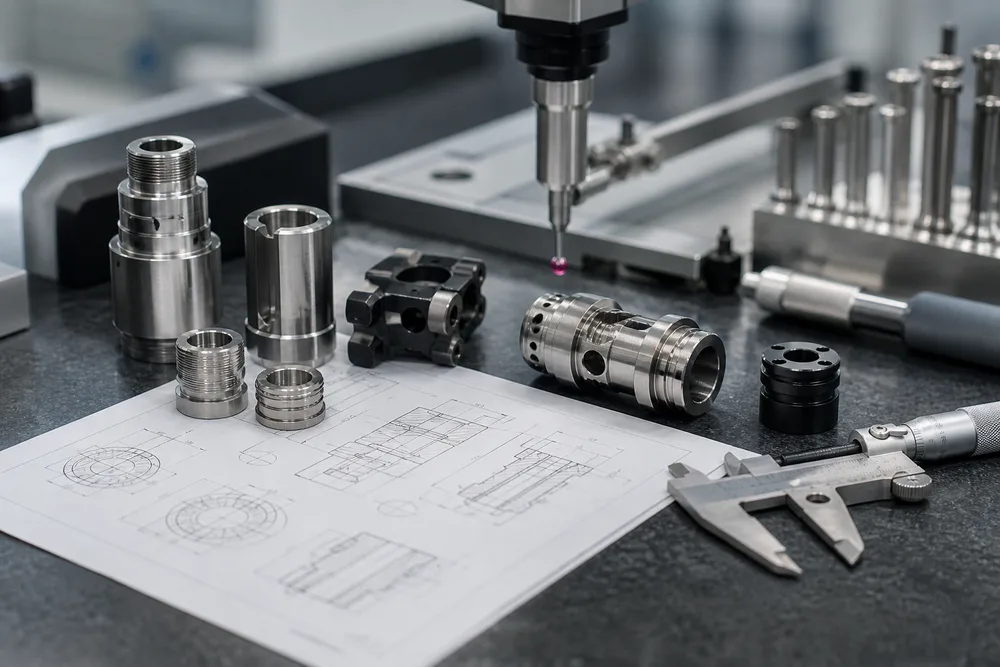
The best RFQs identify what can fail. A note such as “high precision” cannot replace a clear datum structure, critical-to-function dimensions, material condition or approved inspection approach. If a bore must align with a sealing face, identify both requirements and how you expect them to be referenced. If a tiny burr is unacceptable, define the edge-break expectation rather than leaving it to interpretation.
- Submit the technical package. Include the current 2D drawing, 3D model where available, material, quantity breaks, finish needs and delivery destination.
- Review manufacturability. Confirm process selection, fixturing concerns, inaccessible features, tolerance risks and inspection strategy before releasing work.
- Approve prototype expectations. Agree the revision, sample quantity, required measurement records and any first-article requirements.
- Control production changes. Keep drawing revisions, material substitutions, finish changes and packaging instructions under documented buyer approval.
- Define shipment acceptance. Specify labeling, lot separation, protection of critical surfaces and documents required with the shipment.
This is where experienced purchasers save time. They ask for an inspection plan early, especially for features that cannot be measured with a basic caliper or are altered by post-processing. For a closer fit with your component type, review Sanluo's custom medical CNC machining capability before issuing the final RFQ.
FAQ: Can Sanluo Machine Medical-Grade Materials, Support Prototype Orders and Provide Registration-Related Documents?
Yes, Sanluo states that it machines medical-use material categories including implant and intervention grade stainless steel, titanium alloys and engineering plastics such as PEEK, PEI and PAI. It also serves custom programs, making prototype requests appropriate for discussion. Registration-related documents are different: tell Sanluo exactly which material records, inspection reports, process records or supplier declarations your market and device file require, then confirm availability before placing an order.
A component supplier can support your technical file with agreed manufacturing and inspection documentation. The device manufacturer remains responsible for defining what its regulatory pathway requires and for confirming that supplied evidence is suitable for that pathway. Avoid assuming that a material name alone proves a particular implant, patient-contact or regional registration claim.
What tolerances, geometric controls and surface-finish requirements can be evaluated?
Sanluo states key dimensional tolerances of ±0.002 mm to ±0.005 mm, with roundness, cylindricity and surface roughness targets from Ra 0.1 μm to Ra 0.8 μm. Evaluation depends on the actual feature, material, geometry, batch quantity and measurement access. Send the drawing with GD&T, datum references and the surfaces requiring an Ra value. Ask how each critical feature will be held and verified; that question exposes unrealistic callouts before parts are made.
Does CNC machining by Sanluo constitute medical-device approval, biocompatibility certification or sterilization validation?
No. Medical CNC machining produces the component to an agreed technical specification; it does not itself grant medical-device approval, biocompatibility certification, sterilization validation or regulatory clearance. Those activities depend on the finished device, its intended use, material condition, surface state, cleaning method, packaging and the rules of the destination market. You should assign regulatory and validation responsibilities clearly in your supplier quality plan.
Request a Medical Precision Machining Quote from Sanluo Precision: https://www.sanluocnc.com/contact.html
Send a quote request with the information that lets an engineer make a real process decision: controlled drawings, 3D data where available, material designation, annual and prototype quantities, critical dimensions, surface requirements, inspection needs and destination country. If the part interfaces with another component, include the relevant mating geometry or functional description. A “match existing sample” request without a controlled reference is a common source of delay and disagreement.
Flag special handling needs early. That includes contamination-sensitive parts, cosmetic surfaces, loose-component packaging, traceability expectations, non-destructive testing and post-machining treatments. If your program has a target launch date, separate the date you need prototype evidence from the date you need production inventory. Those are usually different milestones, with different risks. Sanluo can review whether turning, milling, grinding, micro machining or EDM is the sensible route for the geometry you provide.
Discuss Your Medical Component Drawing
Share your drawing, material, critical features and documentation requirements with Sanluo Precision for a manufacturing review and quote discussion.
Visit Official Website →