
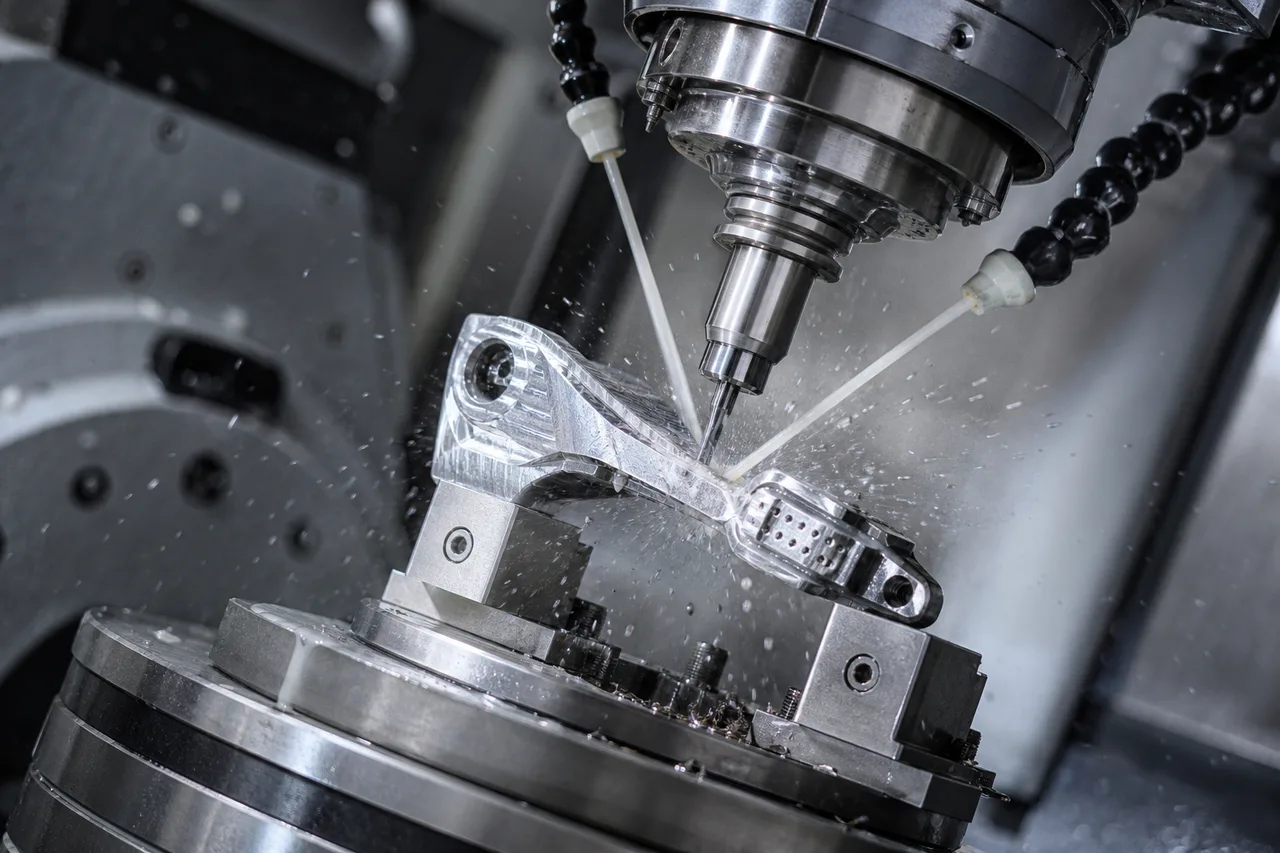
A medical machining supplier is not selected on machine count alone. US device teams need evidence that the supplier can hold the required geometry, preserve material identity, document inspection results, protect controlled CAD data, and communicate quickly when a drawing cannot be manufactured as released.
Sanluo Precision is a Shenzhen, China-based manufacturer and supplier of precision CNC medical machining. Its stated capabilities include five-axis machining, turning-milling, Swiss-type and centering-lathe work, CNC turning, precision grinding, EDM, wire EDM, laser machining, and micro machining. The company supports custom parts from one-piece development work through higher-volume production and lists medical applications such as artificial joint ball heads, spinal fusion components, medical screws, surgical tools, vascular parts, artificial-heart components, diagnostic-equipment parts, and ultrasound-probe-related parts.
The practical question is not simply, “Can this shop make the part?” It is whether the shop can make the part repeatedly, prove what it made, and react correctly when production exposes a weakness in the design or process.

Sanluo Precision describes its medical machining service as a full-process technical service, beginning with product development and extending through mass production. Its stated workflow uses CAD/CAM/CAE tools, CATIA modeling, Mastercam programming, ANSYS analysis, and production control through MES. That combination is relevant when a part is difficult to fixture, has deep internal features, includes thin walls, or requires several operations to preserve concentricity.
For a drawing review, provide the native CAD file when permitted, the released drawing, revision history, material specification, expected annual volume, and any known critical-to-function features. Ask the supplier to identify tool-access problems, unsupported walls, sharp internal corners, difficult datums, burr risks, and features that may require EDM, grinding, or a secondary operation. A useful DFM review should result in specific proposed changes, not a general statement that the part is “machinable.”
Prototype support should also be discussed in commercial terms. Confirm whether the first article will use the same material grade, machines, tooling approach, inspection equipment, and finishing route intended for production. A prototype made with a different process may prove the design but tell you little about repeatability at volume. Sanluo states that it supports one-piece orders as well as high-volume programs, so buyers should ask how the manufacturing plan changes between those stages.
Your RFQ should identify the exact material grade and condition, not just “stainless steel” or “titanium.” Sanluo lists implant and intervention-grade stainless steels, titanium alloys, high-temperature alloys, ceramics, tungsten steel, PEEK, PEI, PAI, and UPE among its supported materials. The applicable grade, heat treatment, hardness condition, lot traceability, and certificate requirements still need to come from your design and quality documents.
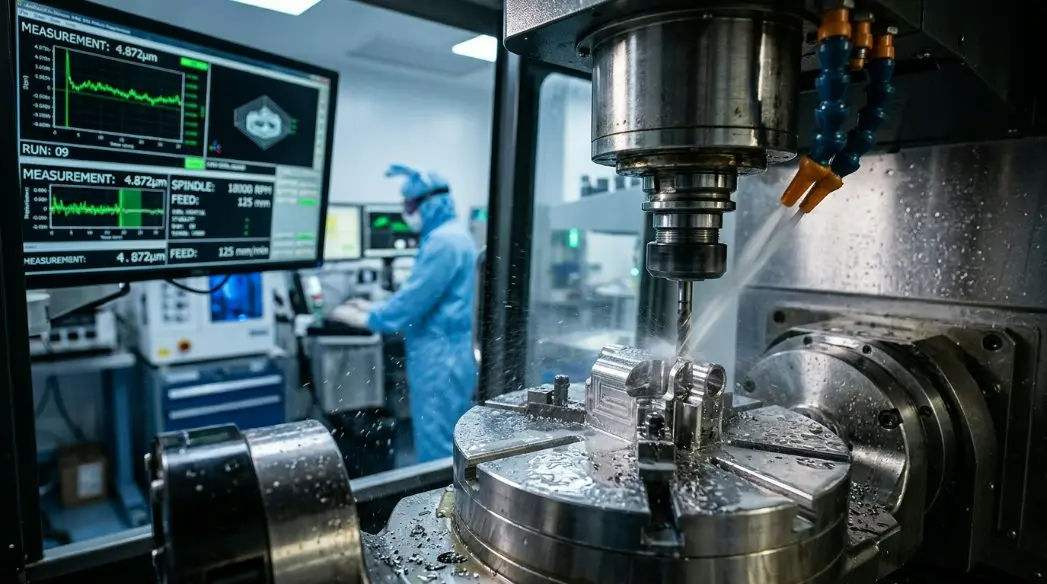
Tolerances should be tied to function. Mark true critical dimensions, datum relationships, runout, flatness, cylindricity, thread requirements, and surface-finish limits rather than applying a tight tolerance to every feature. Ask how each critical characteristic will be inspected. A supplier may use a CMM for positional accuracy, an optical system for small profiles, calibrated gauges for threads, and surface-finish equipment for sealing or bearing surfaces. The inspection method matters because a result is only meaningful when the measurement uncertainty and setup are appropriate.
Surface treatment must be stated as part of the part definition. Anodizing, passivation, electropolishing, coating, heat treatment, cleaning, marking, and sterilization compatibility can change dimensions or surface chemistry. Packaging deserves the same attention. Define whether parts need individual bags, clean handling, protective caps, moisture control, lot labels, or separated packaging for different revisions. These details often become urgent after the first shipment, when a good machined part arrives scratched, mixed by lot, or impossible to identify.
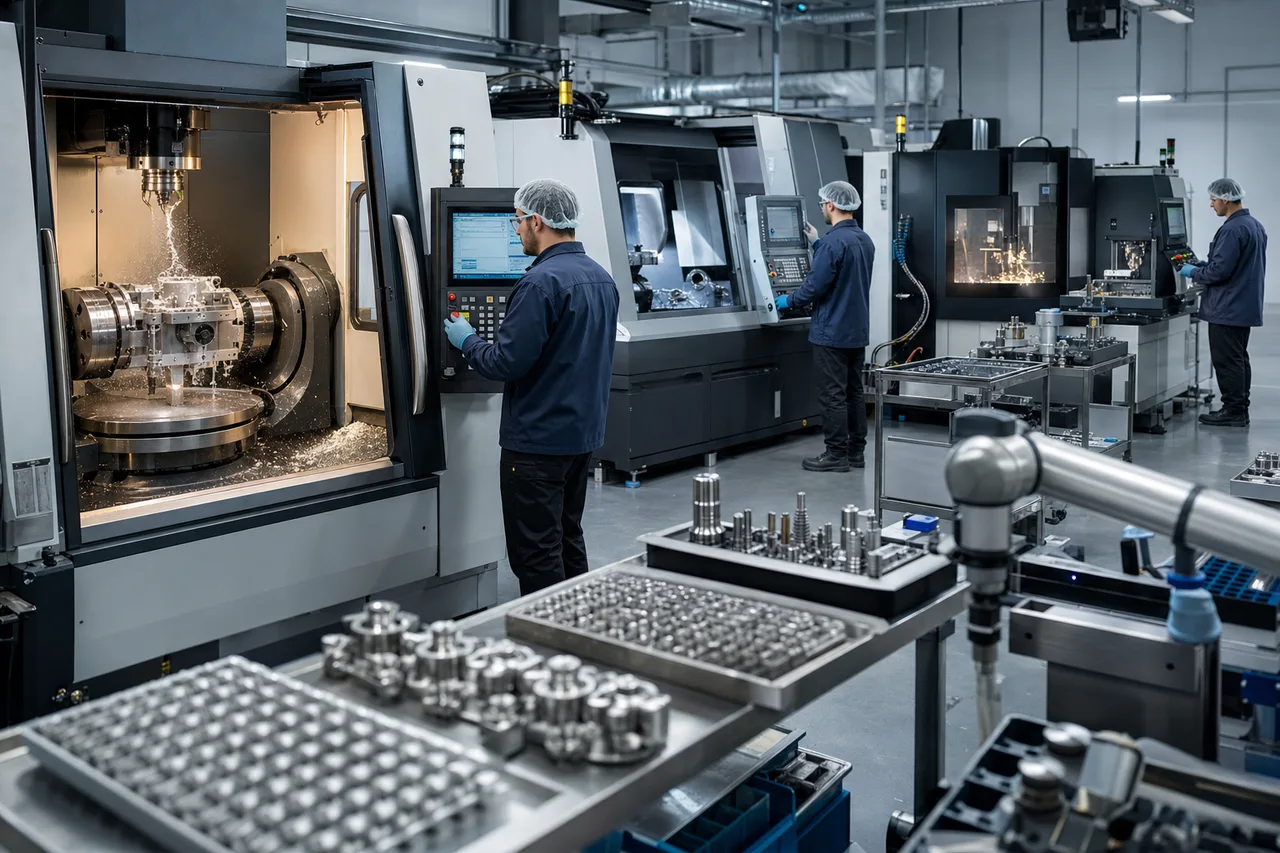
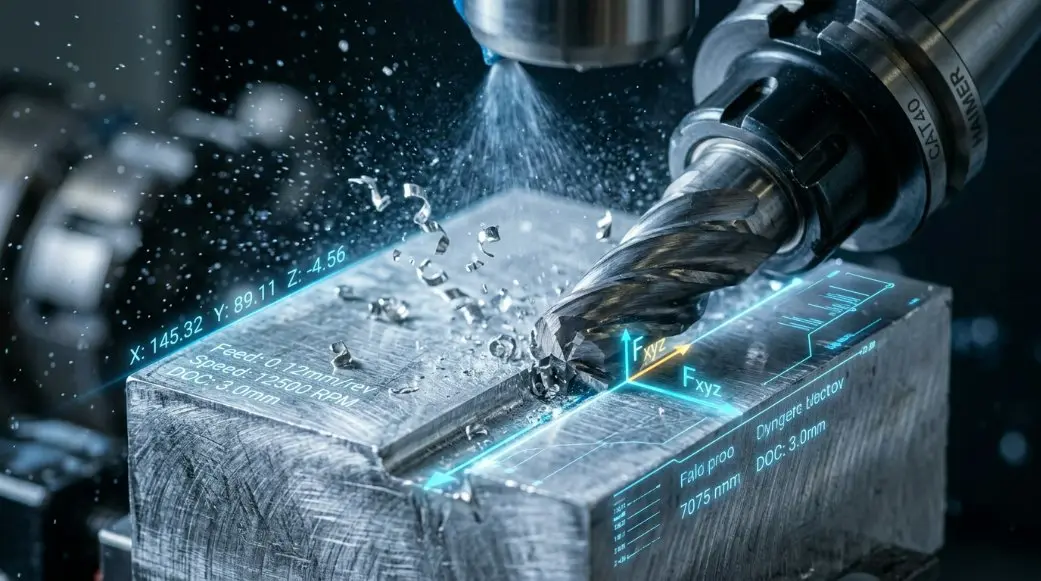
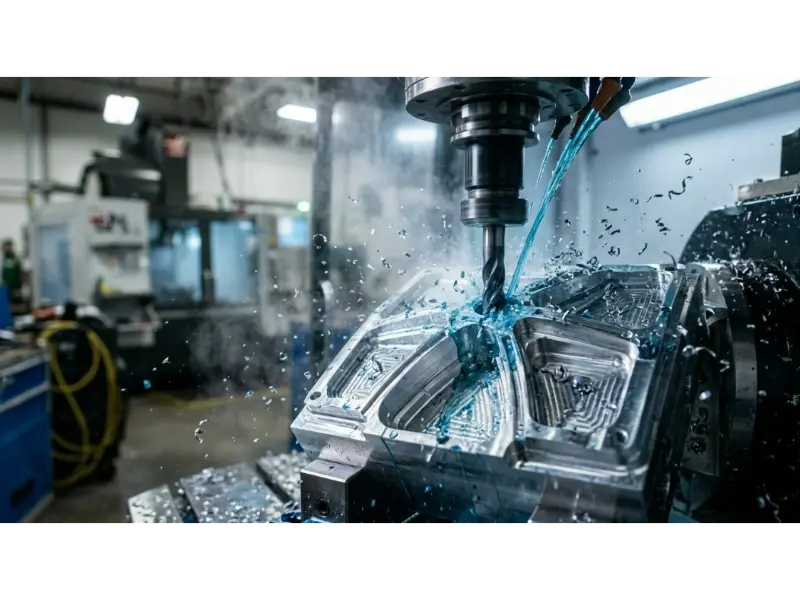
Process selection should follow the part's geometry, material, tolerance stack, and quantity. Five-axis machining is useful when several faces must be reached in fewer setups, when compound surfaces need controlled tool orientation, or when repeated re-fixturing would threaten positional accuracy. It can reduce setup count, but it does not remove the need for sound datum planning and inspection. A poorly defined datum structure remains a problem on a five-axis machine.
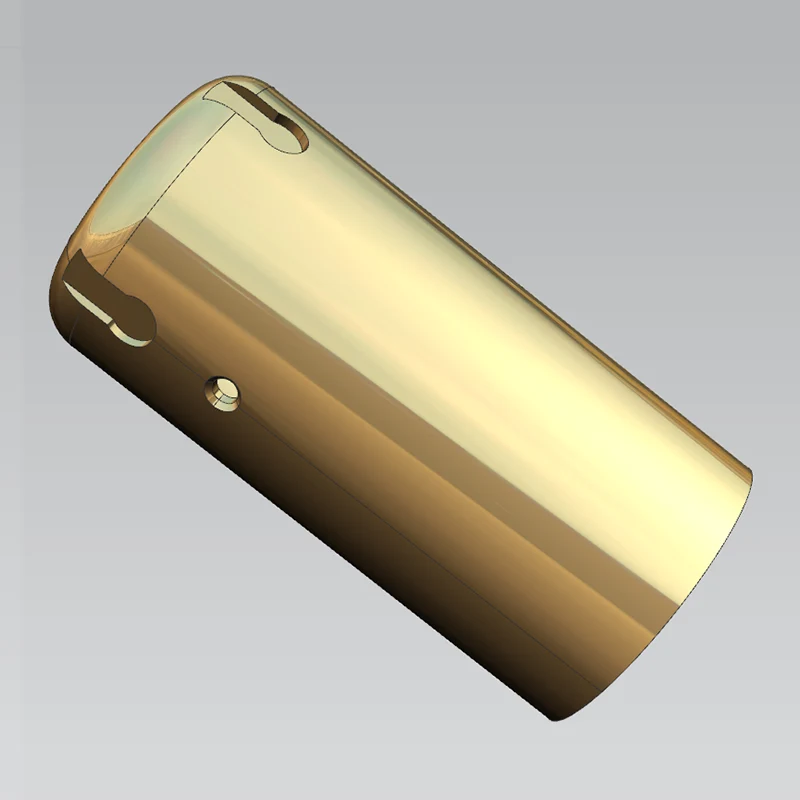
Swiss-type machining is usually a strong fit for small, long, slender parts with turned features, cross-holes, threads, and repeated production demand. Guide-bushing support helps control deflection near the cutting zone. Turning-milling suits parts that combine rotational features with milled flats, slots, holes, or off-axis details. It can reduce transfers between machines, which may help preserve concentricity and shorten handling time.
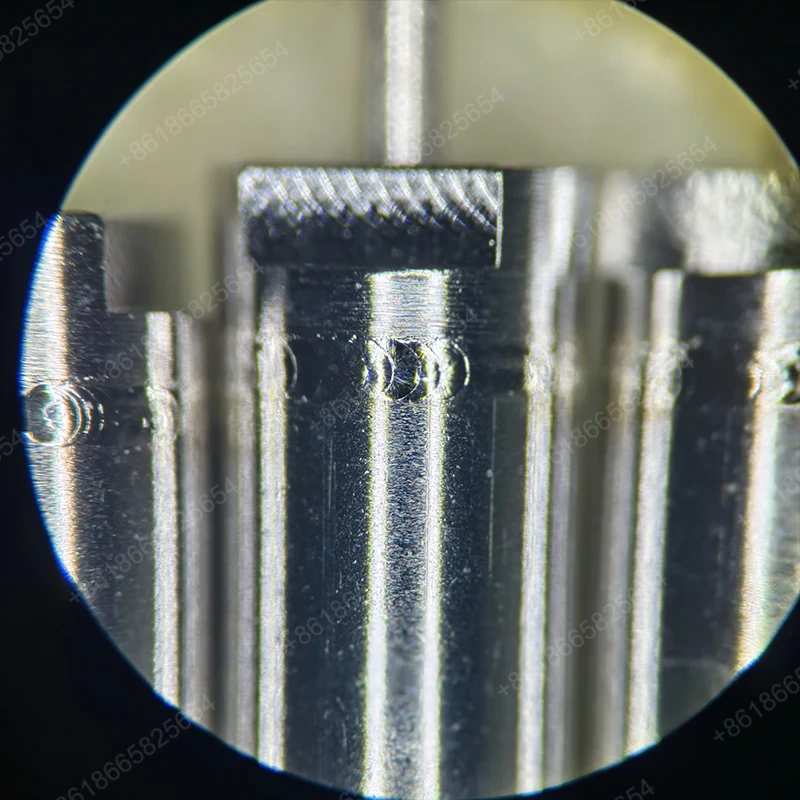
EDM and wire EDM have a place when conventional cutting cannot reach a narrow slot, sharp internal profile, hard material, or intricate contour. The trade-off is process time and the need to control recast layers, heat-affected areas, and post-process cleaning where applicable. Precision grinding is often chosen for bearing surfaces, tight cylindrical relationships, or controlled finishes after heat treatment. Micro machining brings its own risks: tool breakage, burr formation, material variation, and inspection limits become more significant as features shrink.
| Process | Common fit | Buyer trade-off to confirm |
|---|---|---|
| Five-axis CNC | Complex contoured parts and multi-face features | Fixture strategy, tool access, and verification of difficult surfaces |
| Swiss-type | Small, slender turned parts and repeat production | Bar-stock control, guide-bushing setup, and cutoff or end-feature requirements |
| Turning-milling | Rotational parts with milled or off-axis features | Datum transfer and concentricity across combined operations |
| EDM or wire EDM | Hard materials, narrow slots, and inaccessible profiles | Surface condition, flushing, cleanup, and cycle time |
| Grinding or micro machining | Fine finishes, small features, and close geometric control | Burr control, inspection capability, and sensitivity to material variation |
Sanluo's broader service offering includes CNC turning, Swiss-type machining, turning-milling, grinding, EDM, wire EDM, laser machining, and micro machining. A sound sourcing conversation should ask which route is proposed, why it fits the part, and which characteristics will be checked after each major operation.
A complete RFQ reduces two common problems: quotes that cannot be compared and prices that change after technical review. Send enough information for the supplier to understand the part's risk, not just its outer shape. The following sequence works well for new components and design transfers.
For a China-based supplier, add a document-control discussion before files are exchanged. Decide which file types are necessary, who may access them, how revisions are named, and how obsolete data is withdrawn. If the part is regulated or commercially sensitive, your purchasing agreement should address confidentiality, permitted subcontracting, ownership of tooling, and approval of process changes.
Sanluo Precision presents its medical machining work as more than standalone cutting. The company describes a connected workflow that uses CAD/CAM/CAE, CATIA for modeling, Mastercam for programming, ANSYS analysis, MES-controlled production, and digital-twin verification. In practical terms, these tools can support different parts of the manufacturing chain: design review and model integrity, toolpath creation, engineering analysis, production status control, and virtual checking before a program reaches the machine.
Digital-twin verification refers to using a digital representation of the machine, tooling, fixtures, stock, and programmed motion to check the planned operation before cutting. Its value is greatest on complex five-axis work, where collisions, excessive tool tilt, inaccessible surfaces, and unexpected material conditions can be expensive to discover at the machine. It does not replace first-article inspection. Simulation can confirm that a toolpath is plausible; measurement confirms that the finished part meets the drawing.
MES-controlled production means the manufacturing execution system is used to manage production information such as work orders, routing, status, and process records. For a medical-device buyer, the useful question is what information can be linked to the finished lot. Ask whether the supplier can connect material certificates, machine or operation records, inspection results, nonconformance actions, and shipment documents to a part number and revision.
The company also states support for five-axis machining, turning-milling, and centering-lathe processing. Those capabilities are relevant to difficult components, but buyers should still request a proposed route for the specific drawing. The right technical partner explains where the process is stable, where it is sensitive, and what evidence will be generated at each stage. You can review Sanluo’s precision CNC medical machining services alongside your RFQ package before starting that discussion.
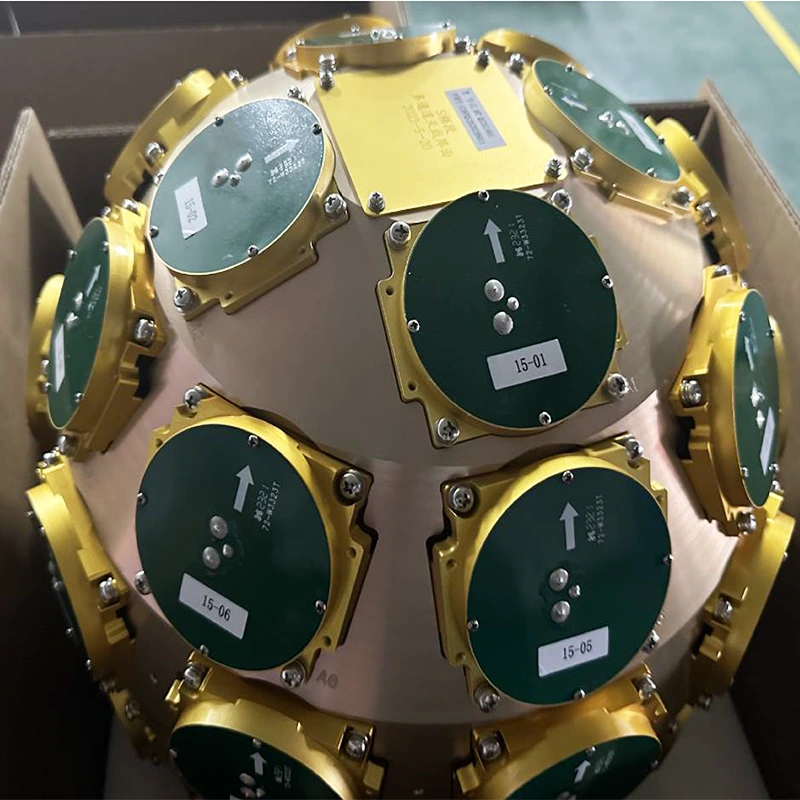
The application list supplied by Sanluo covers both implant-related components and equipment parts. It includes artificial joint ball heads, spinal fusion devices, medical screws, surgical instruments, glaucoma tools, artificial-heart parts, vascular components, diagnostic-equipment parts, and ultrasound-probe-related components. These applications do not all carry the same manufacturing risk. A polished bearing surface, a small surgical tool, and an enclosure component may require completely different machining, inspection, cleaning, and packaging controls.
For metallic parts, Sanluo lists implant and intervention-grade stainless steel, titanium alloys, high-temperature alloys, and tungsten steel. Titanium can be difficult because it generates heat at the cutting interface and reacts poorly to careless tool selection or chip control. Stainless steels vary widely in work-hardening behavior and machinability. High-temperature alloys demand careful control of cutting conditions and tool wear. Tungsten steel brings hardness and edge-wear concerns that may favor EDM or grinding for certain features.
The listed nonmetallic materials include ceramics, PEEK, PEI, PAI, and UPE. Engineering polymers are not simply softer versions of metal. They can creep, absorb moisture, deform under clamping, or show different dimensional behavior after machining. Ceramic parts may require specialized tooling and handling because edge chipping can occur even when the nominal geometry is correct. Your RFQ should state whether the material is used in an implant, instrument, diagnostic device, or non-patient-contact assembly, because the cleaning, surface, and documentation expectations may differ.
Material selection remains the device designer’s responsibility. The supplier can flag machining concerns, suggest a manufacturing-friendly grade, and identify likely failure modes, but it should not silently substitute a material because it is easier to cut. Confirm the approved material list, certificate format, lot identification, and any restrictions on recycled content, coatings, or outside heat treatment before production begins.
A machining supplier contributes manufacturing evidence; the device manufacturer remains responsible for the finished device’s regulatory strategy, design controls, risk management, verification, validation, and market submission. That distinction matters. A certificate of conformance does not by itself demonstrate that a complete medical device is safe, effective, or compliant with every applicable US requirement.
Sanluo’s website lists ISO 9001:2008 and ISO 14001:2004 certifications. Buyers should request current certificates, scope statements, issuing-body details, and expiration status during qualification. Because the listed standards are older editions, do not assume they answer every requirement in your supplier-quality procedure. Ask how the supplier manages document control, calibration, nonconforming product, corrective action, training, supplier controls, process changes, and record retention.
Traceability should be defined at the lot level. Depending on the component, you may need to connect incoming material heat or lot information to the work order, machine operations, inspection results, outside processing, packaging labels, and shipment. If the part is serialized or laser marked, confirm how marking affects the surface and how the mark is verified. If a deviation occurs, agree on containment and disposition before the first production issue appears.
The device manufacturer must also control the approved drawing, specifications, acceptance criteria, and change process. A machining supplier should not revise a dimension, material, finish, or process route without written authorization when that change could affect the device. Treat supplier records as controlled inputs to your quality file, not as a substitute for your own design and production documentation.
Lead time starts before the first chip is cut. Drawing review, quotation, material procurement, programming, fixtures, outside finishing, first-article inspection, corrections, approval, and international transport can each affect the schedule. Ask for these stages separately rather than accepting one broad delivery estimate. A prototype may move quickly if material is available, but production timing can change when a special alloy, ceramic grade, coating, or qualified outside process is required.
Inspection communication should be agreed before inspection begins. Confirm the report format, units, ballooned drawing convention, sampling plan, treatment of missing characteristics, and method for reporting out-of-tolerance results. For complex parts, ask whether the supplier will provide inspection data by feature or only a pass/fail certificate. A short video call around the first-article report often resolves datum and interpretation issues faster than a long email chain.
Secure CAD handling deserves a written process. Use a controlled transfer channel where possible, limit access to personnel who need the files, and identify the current revision in the file name and purchase documentation. Clarify whether subcontractors receive CAD data for heat treatment, coating, grinding, cleaning, or inspection. Your agreement should state that subcontracting does not authorize uncontrolled design changes or reuse of proprietary models.
Delivery readiness includes more than a tracking number. Confirm export documents, commercial invoice details, packing lists, lot labels, certificates, inspection reports, and the receiving inspection plan. If the parts are sensitive to contamination or cosmetic damage, define how they will be protected in transit. Sanluo’s custom medical CNC machining support should be evaluated against these operational requirements, not only against the quoted unit price.
Send Sanluo Precision the released drawing, 3D model, material and finish requirements, expected quantities, target timing, and inspection expectations. Include the features that are most difficult to manufacture or most costly to get wrong. If you are still in development, say so. A supplier can give better advice when it knows whether the immediate goal is design feedback, a functional prototype, a first article, or repeat production.
Ask for a process recommendation, DFM comments, outside-process assumptions, inspection plan, traceability documents, and a staged lead-time estimate. For complex or miniature components, request confirmation of fixturing, tool access, burr control, surface treatment, cleaning, and packaging before approving the quote. That is the point at which technical clarity is cheapest.
Share your drawing package and production requirements with Sanluo Precision to discuss process selection, manufacturability, inspection records, and a practical path from prototype to production.
Visit Official Website →