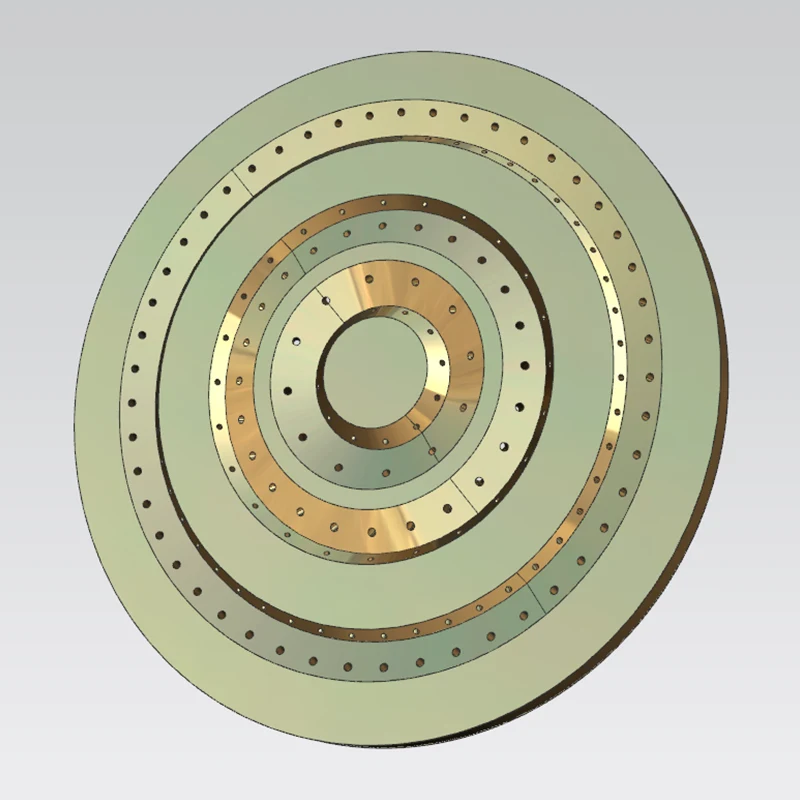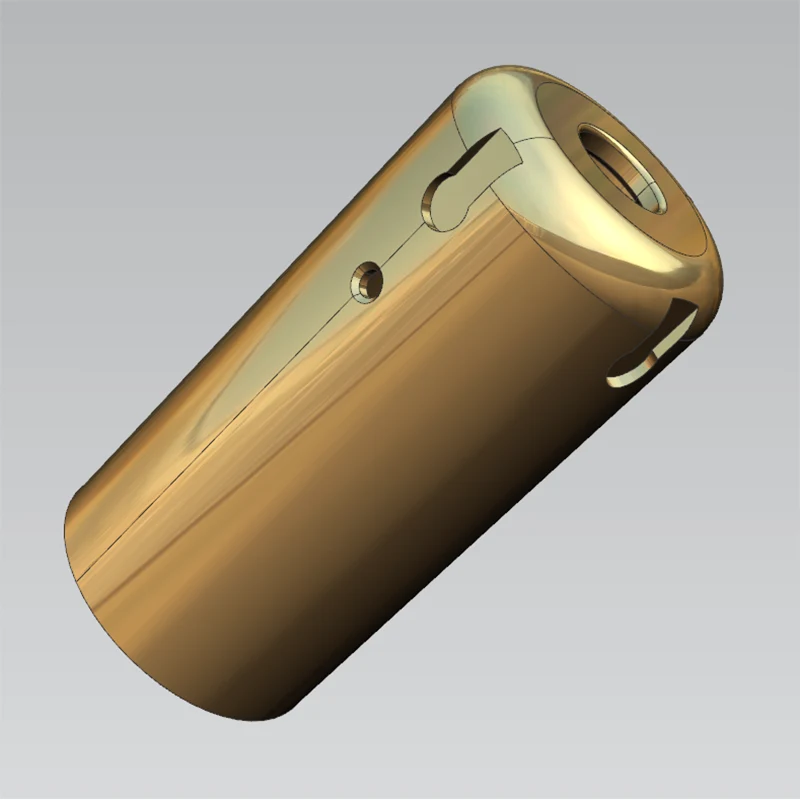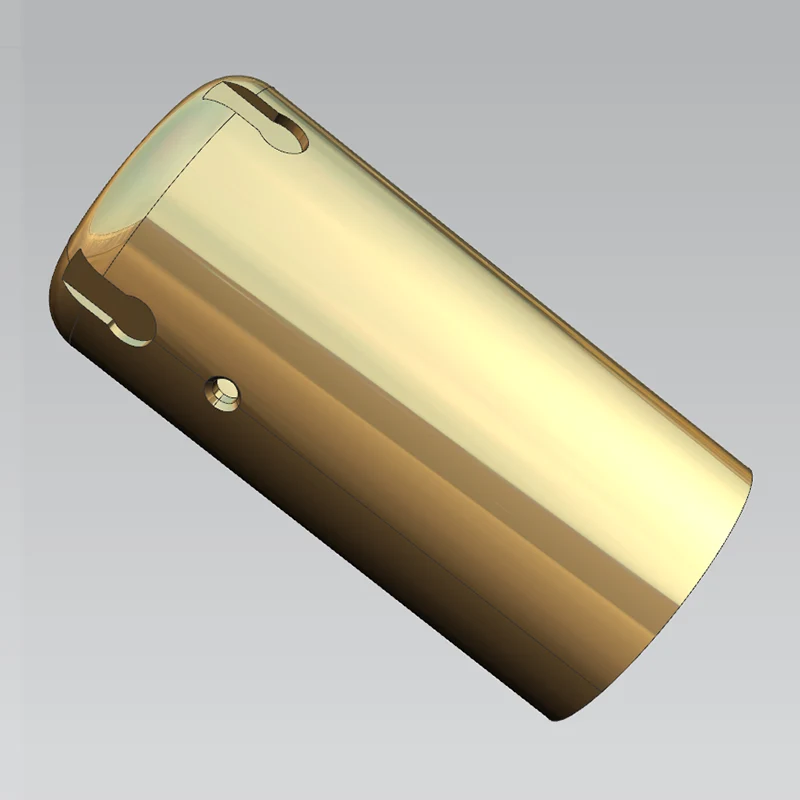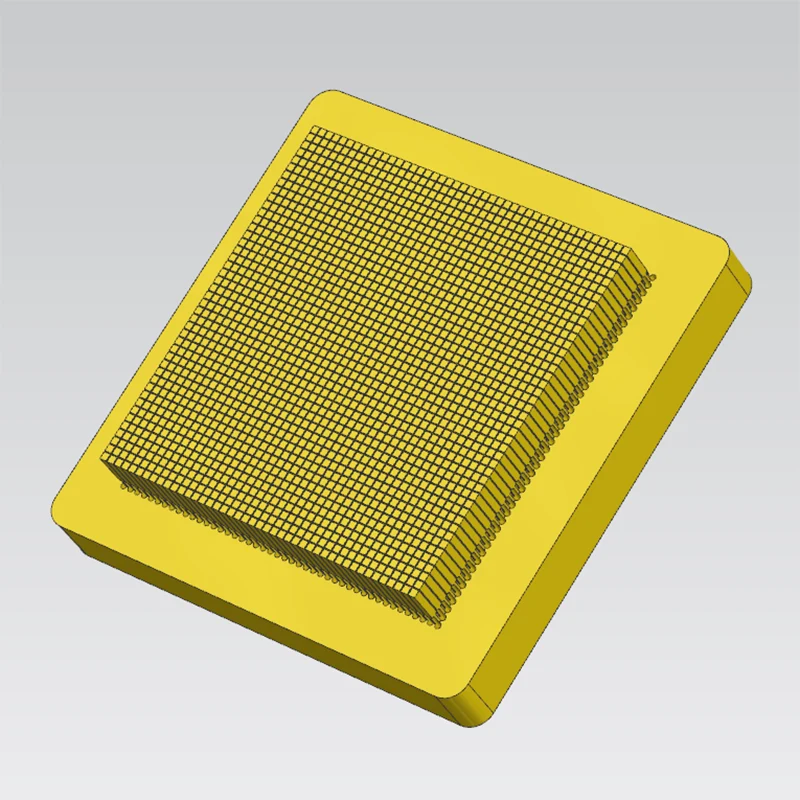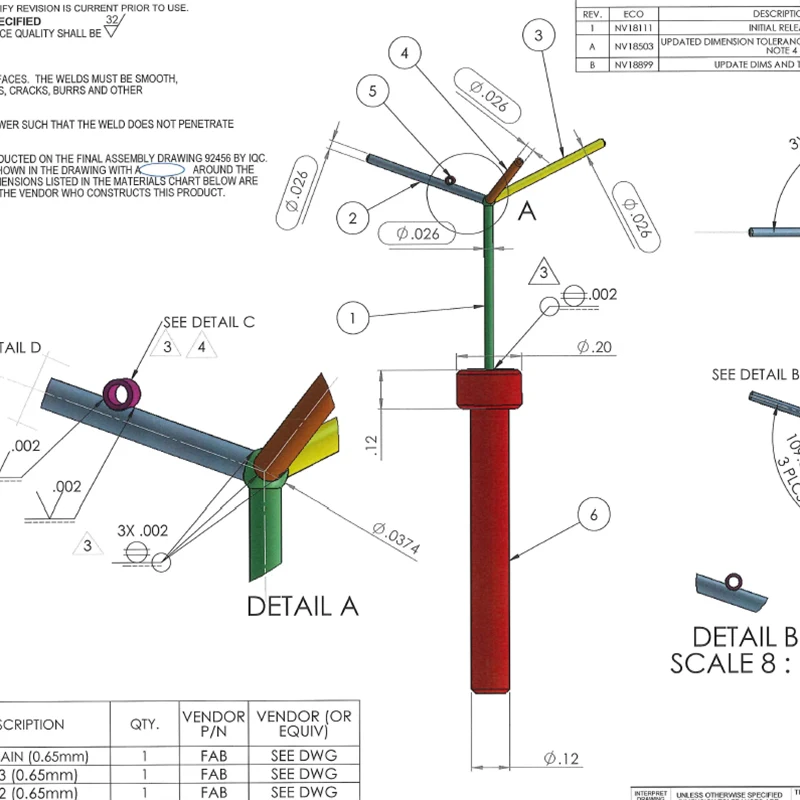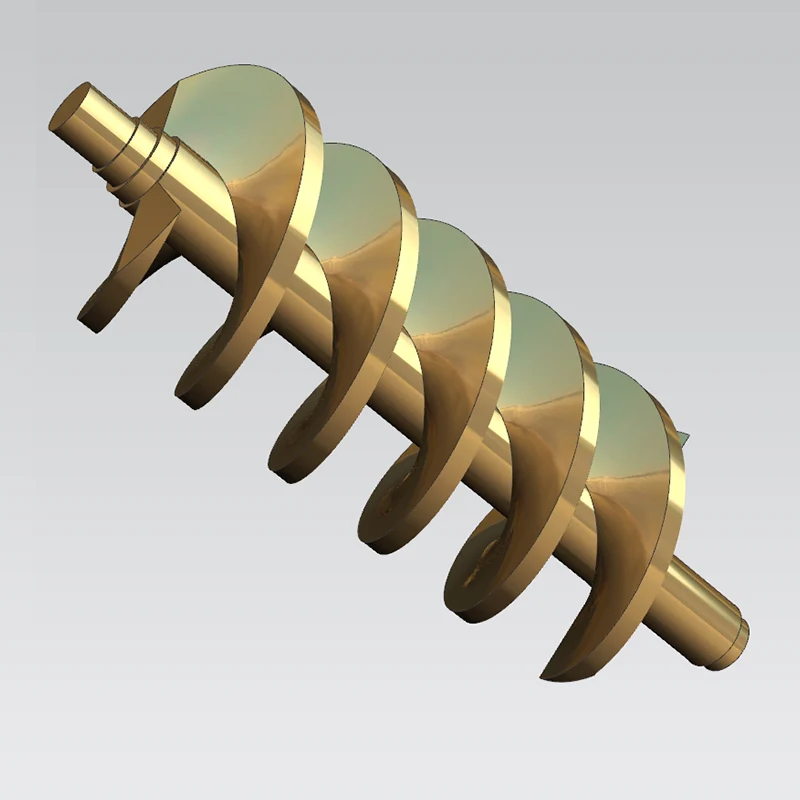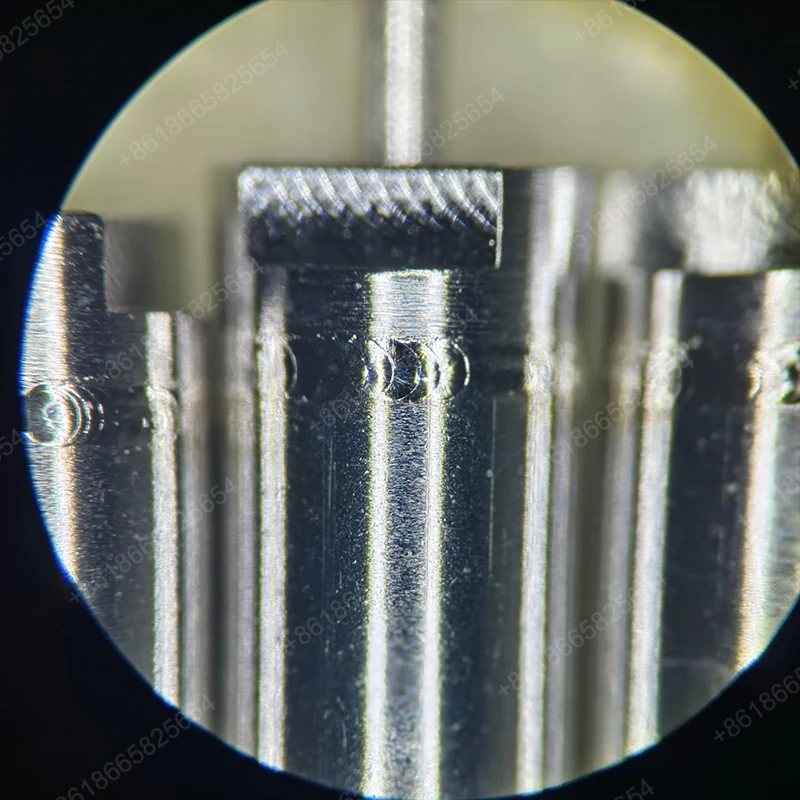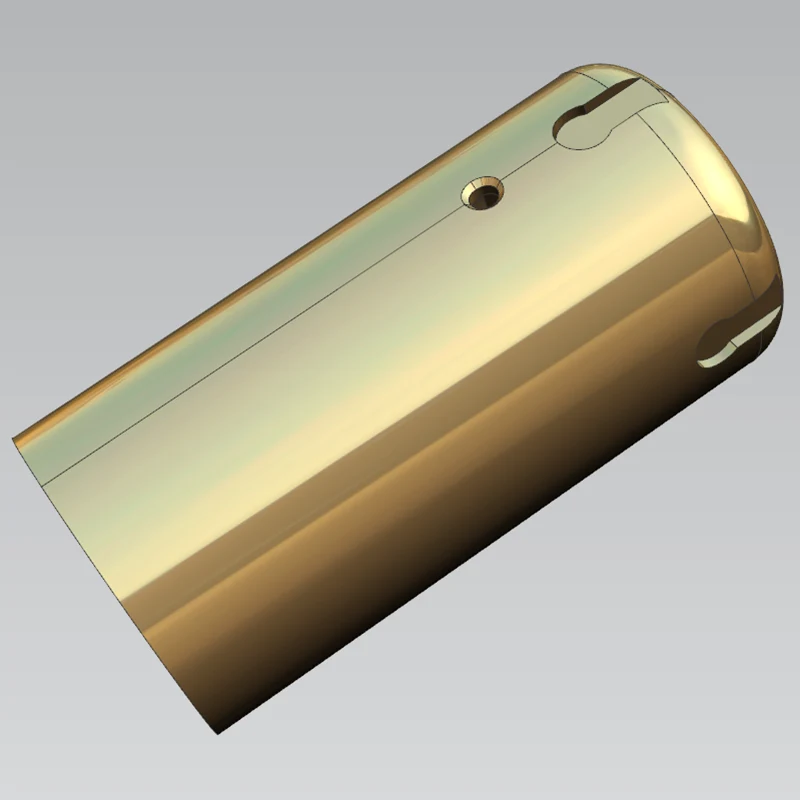
Sanluo Precision, a research-focused China factory and supplier of advanced ultra precision machining for research components, has been a trusted partner to universities, research laboratories, and R&D departments for over 18 years. Established in 2007, our nearly 8,000 square meter facility in Shenzhen employs more than 230 skilled professionals and operates over 130 production machines, many configured specifically for prototype and low-volume research component manufacturing. We hold ISO9001:2008 and ISO14001:2004 certifications and serve scientific research customers from universities alongside industry leaders like Huawei, BYD, and Mindray Medical. Our research component capabilities bridge the gap between laboratory concepts and manufacturable precision parts.
We understand that research components have unique requirements that differ from production manufacturing. Research projects often involve novel designs, tight deadlines, and evolving specifications — all of which we are equipped to handle.
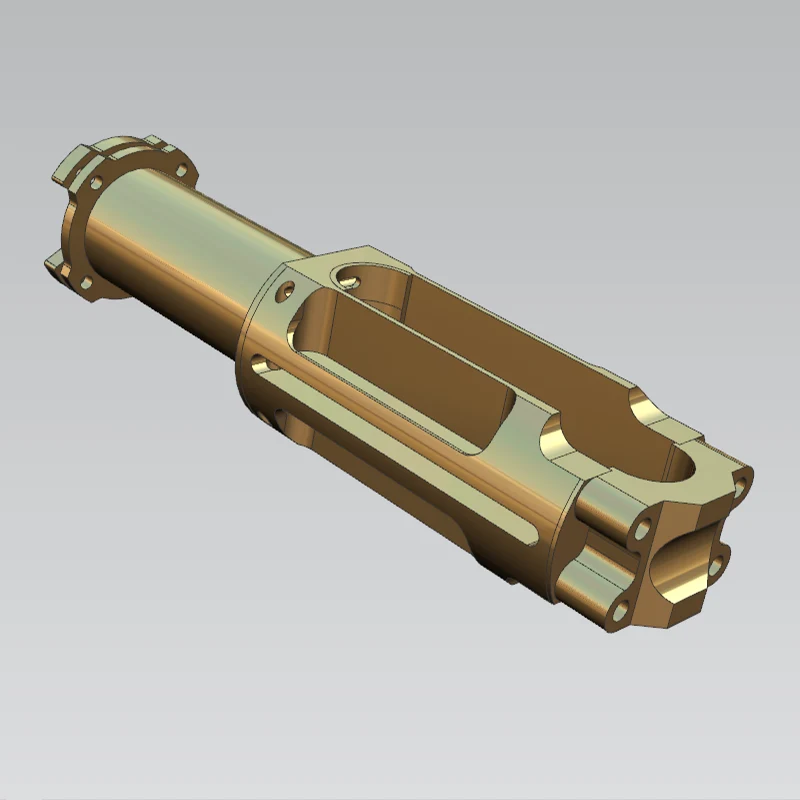
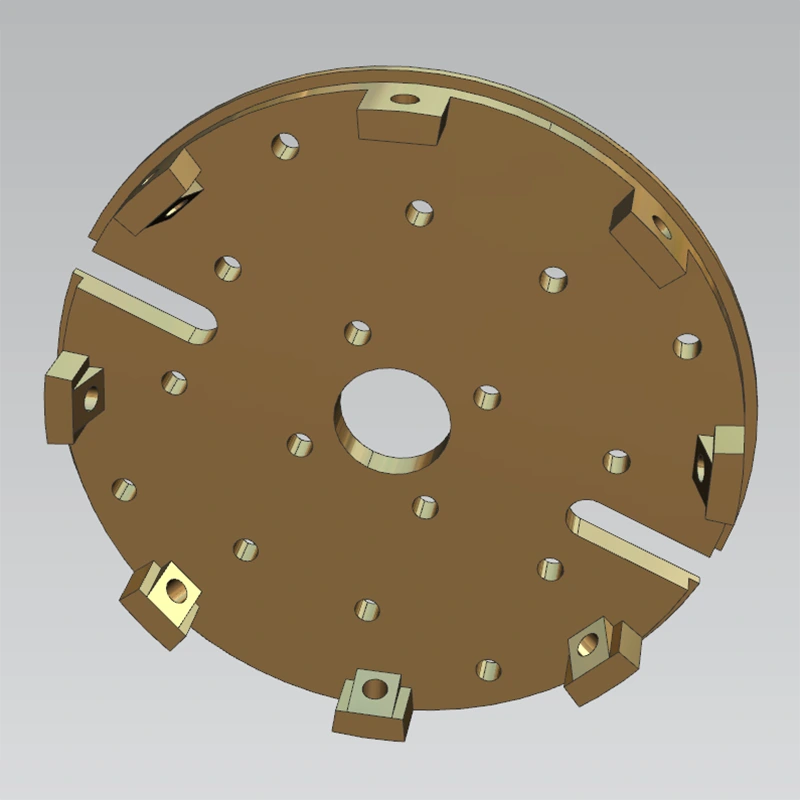
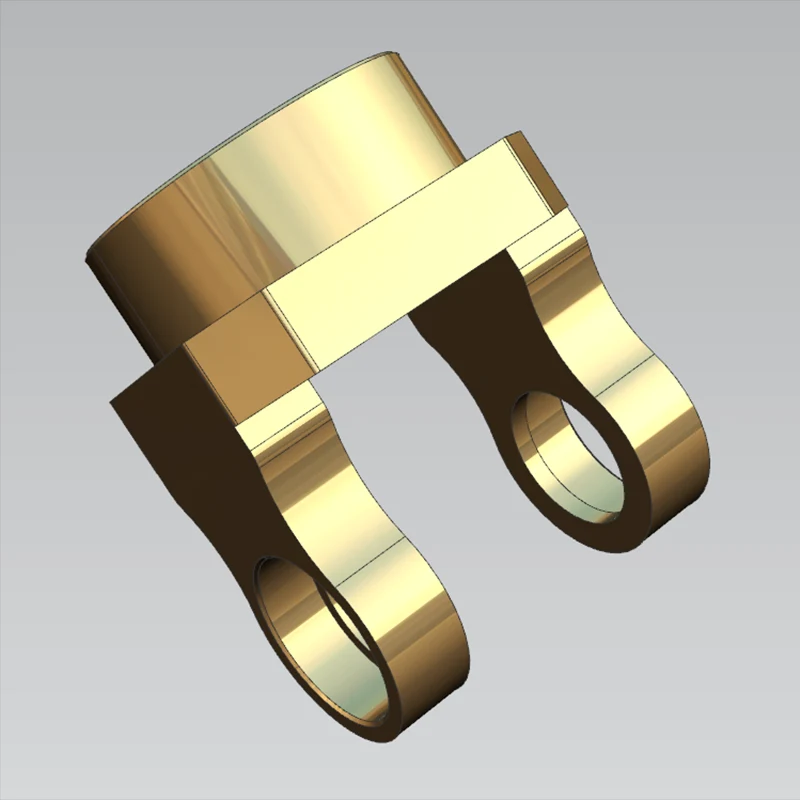
We manufacture a wide variety of precision components for research applications across multiple scientific and engineering disciplines.
1. Experimental apparatus: Custom components for laboratory experimental setups and test rigs.
2. Prototype devices: First-of-their-kind components for proof-of-concept and feasibility studies.
3. Precision instruments: Components for research-grade measurement and analysis instruments.
4. Custom tooling: Specialized tools and fixtures for unique research processes.
We provide services tailored specifically to the needs of research customers, beyond just manufacturing parts.
1. Design collaboration: Working with researchers to optimize designs for manufacturability and performance.
2. Material consultation: Advising on material selection based on research requirements and constraints.
3. Rapid prototyping: Quick turnaround on prototype components to support research timelines.
4. Iterative development: Supporting multiple design iterations as research progresses.
Research and development machining requires flexibility, technical expertise, and the ability to work with evolving requirements. Our R&D machining services are designed specifically for this environment.
We maintain the flexibility to accommodate the changing needs of research projects, from initial concept through final validation.
1. Low minimum order: MOQ of just 1 piece, perfect for single research prototypes.
2. Rapid turnaround: Standard research components typically completed within 3 to 20 days.
3. Design changes: Ability to accommodate design modifications between iterations.
4. Small batch runs: Support for small batch sizes for experimental testing and validation.
Our engineering team brings deep technical expertise to every research component project, helping researchers achieve their goals.
1. Process engineering: Developing custom machining processes for unique research component requirements.
2. Material knowledge: Extensive experience with a wide range of materials from common metals to exotic ceramics and polymers.
3. Problem solving: Creative solutions to the unique manufacturing challenges that research components often present.
Prototype development is a critical stage in research, where theoretical concepts are transformed into physical testable components. Our prototype development services are designed to support this crucial phase.
Our prototype development process is streamlined to get research components from drawing to physical part as quickly as possible without compromising quality.
1. Design review: Engineering review of prototype drawings for manufacturability and accuracy assessment.
2. Process planning: Development of optimized machining strategy for the specific prototype requirements.
3. Rapid manufacturing: Prioritized production scheduling for research prototype components.
4. Quality verification: Thorough inspection to ensure prototype meets all specified requirements.
5. Feedback integration: Incorporating learnings from prototype testing into design improvements.
We help researchers optimize their designs for manufacturability while preserving the critical functional requirements of the research.
1. Tolerance optimization: Helping identify which dimensions truly require tight tolerances and which can be relaxed.
2. Material selection: Recommending materials that balance performance requirements with cost and availability.
3. Geometry simplification: Suggesting design modifications that simplify manufacturing without affecting function.
4. Surface finish guidance: Advising on realistic and appropriate surface finish requirements.
Our research component machining capabilities support a wide range of scientific and engineering applications across multiple disciplines.
We manufacture components for research-grade precision instruments where accuracy is paramount to experimental results.
1. Microscopy components: Precision elements for advanced microscopy systems, including atomic force microscope probe tips with 5-10nm radius.
2. Measurement instruments: Components for precision measurement and analysis equipment used in research laboratories.
3. Positioning systems: Precision stages and alignment components for research instrumentation.
We support materials science research with precision components for testing and characterization equipment.
1. Test fixtures: Custom fixtures for materials testing and characterization.
2. Sample holders: Precision sample holders for various analytical instruments.
3. Custom tooling: Specialized tools for sample preparation and processing.
We support optics and photonics research with precision optical components and alignment structures.
1. Optical mounts: Precision mounting structures for optical elements and systems.
2. Prototype optics: Custom optical components for experimental optical setups.
3. Alignment structures: Precision alignment components for optical research systems.
We believe that advanced ultra precision machining for research components is a critical enabler of scientific progress, and we are committed to supporting the research community with our expertise and capabilities.
We view our research customers as long-term partners, not just one-time clients. We are committed to supporting research projects from initial concept through final publication and commercialization.
Working with us as your research component manufacturing partner offers numerous advantages.
1. Technical collaboration: Access to our engineering expertise throughout your research project.
2. Consistent quality: ISO9001:2008 certified quality systems ensure reliable, repeatable results.
3. Scalability: Seamless transition from research prototype to production volume if your technology commercializes.
4. Confidentiality: Strong culture of keeping client information confidential, protecting your intellectual property.
We have supported numerous research projects and customers across multiple industries and disciplines.
1. University research: Scientific research-oriented customers from universities across China and internationally.
2. Corporate R&D: Research and development teams at leading companies like Huawei, BYD, and Mindray Medical.
3. Startup support: Helping technology startups develop their first physical prototypes.
Our research component manufacturing is backed by comprehensive capabilities that enable us to tackle even the most challenging research component requirements.
We maintain an extensive equipment base and modern facilities to support research component manufacturing.
1. Production equipment: Over 130 professional production machines including CNC machines, lathes, grinders, Swiss-type lathes, laser systems, and EDM equipment.
2. Inspection equipment: Over 320 units of inspection equipment including coordinate measuring machines, image analyzers, microscopes, and precision measurement tools.
3. Facility size: Nearly 8,000 square meters of manufacturing space in Shenzhen, China.
|
dimensional accuracy |
L(X) |
W(Y) |
H(Z) |
SH |
SW |
|
unit:±/mm |
0.001 |
0.0005 |
0.0001 |
0.001 |
0.001 |
|
Geometric accuracy |
flatness |
parallelism |
perpendicularity |
roughness |
symmetry |
|
unit:±/mm |
0.0003 |
0.001 |
0.001 |
Ra0.05 |
0.001 |
|
production capacity |
1~999999 pcs |
1~999999 pcs |
1~999999 pcs |
1~999999 pcs |
1~999999 pcs |
|
production cycle |
3-20 days |
3-20 days |
3-20 days |
3-20 days |
3-20 days |
A: Yes, we support minimum order quantities of just 1 piece, making us ideal for research prototype development. We can also handle small batch runs for experimental testing and validation, with the ability to scale up if your technology moves toward commercialization.
A: Production cycles range from 3 days to 180 days depending on complexity, quantity, and material. Standard research prototype components typically ship within 3 to 20 days. We can often accommodate expedited schedules for time-sensitive research projects when possible.
A: Yes, we have mechanical design engineers and process engineers who can collaborate with researchers on design optimization. We can help identify opportunities to improve manufacturability, reduce costs, and maintain or improve performance of your research components.
A: We can process almost all materials available in the domestic market including implant and interventional grade stainless steel, high-temperature steel, mold steel, titanium alloy, aluminum alloy, copper alloy, high-temperature alloy, molybdenum, tungsten, diamond, quartz stone, optical glass, ceramics, tungsten steel, and engineering plastics such as PEEK, PEI, PAI, and UPE.
A: We maintain ISO9001:2008 and ISO14001:2004 quality system certifications. Our 16-person quality management team including QE, IQC, IPQC, and OQC specialists, along with over 320 units of inspection equipment, ensures thorough verification of every research component we produce.
A: Yes, we maintain a strong culture of keeping client information confidential. This is one of our core corporate cultural values. We understand the importance of protecting research intellectual property and are committed to maintaining the confidentiality of all customer projects and information.
Research Collaboration
Sanluo Precision is your ideal partner for advanced ultra precision machining for research components, combining 18+ years of manufacturing experience with a deep commitment to supporting scientific and engineering innovation. Our ability to produce 1-piece prototype orders with 0.001mm accuracy, combined with our comprehensive material expertise and design support capabilities, makes us the perfect manufacturing partner for university laboratories, research institutions, and corporate R&D departments. With ISO-certified quality systems, 130+ production machines, and a team of 230+ skilled professionals, we have the capabilities and scale to support your research from initial concept through commercialization. We take pride in our role as a trusted partner to the research community, helping turn scientific ideas into precision-manufactured reality.