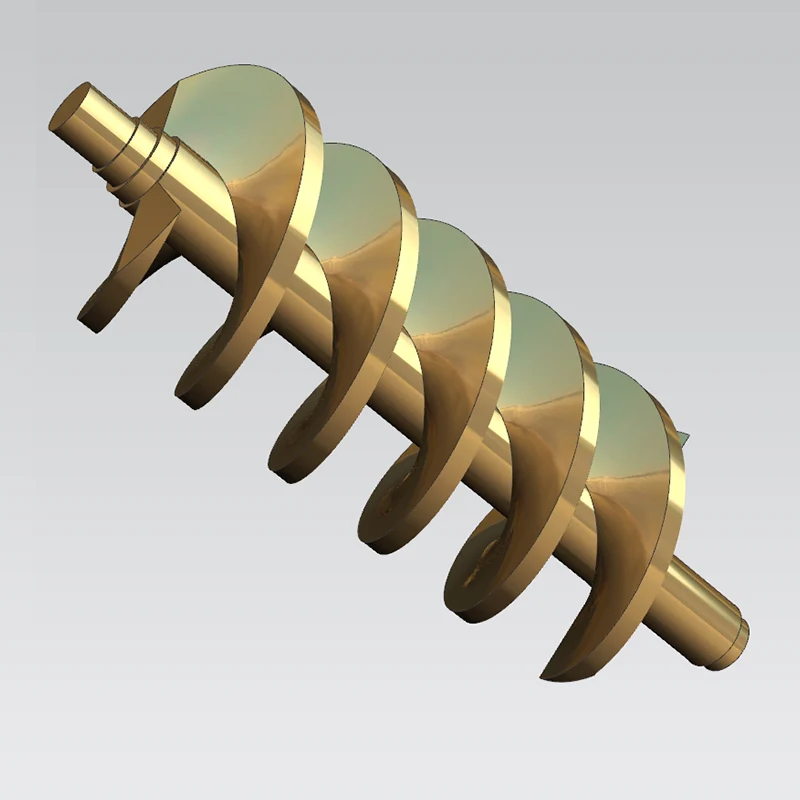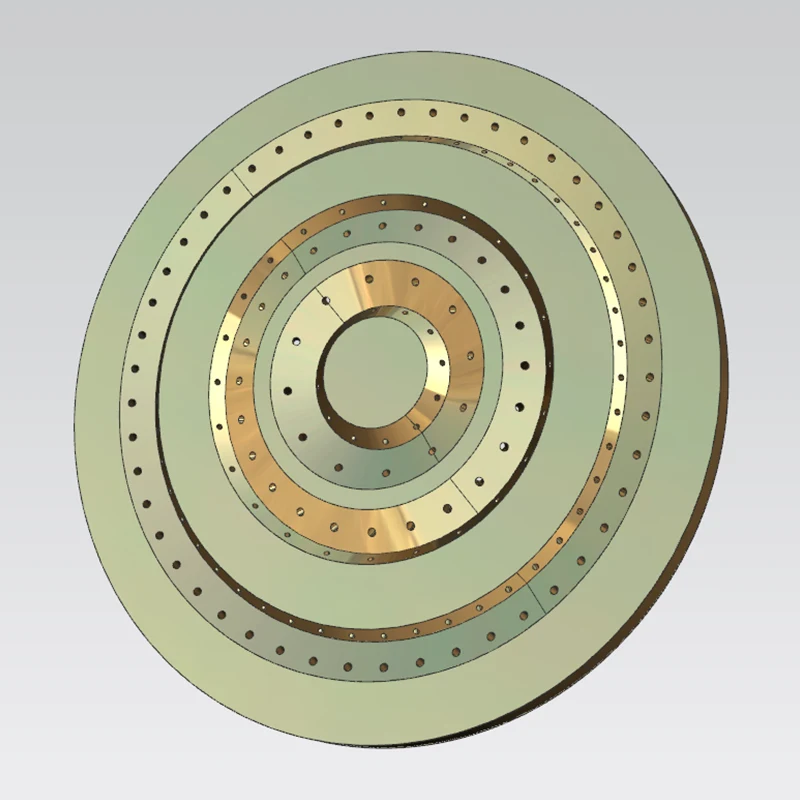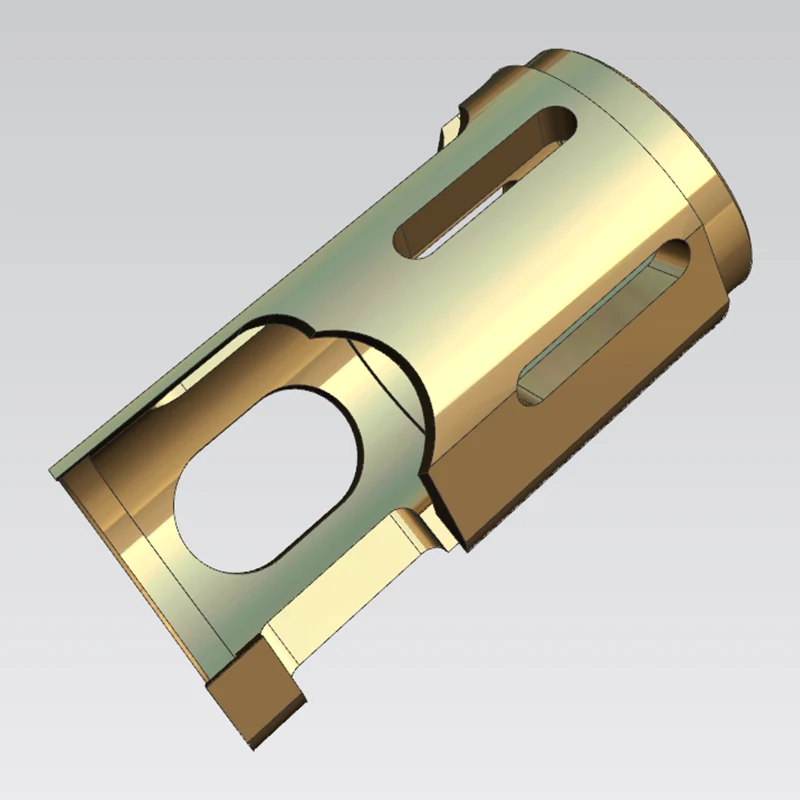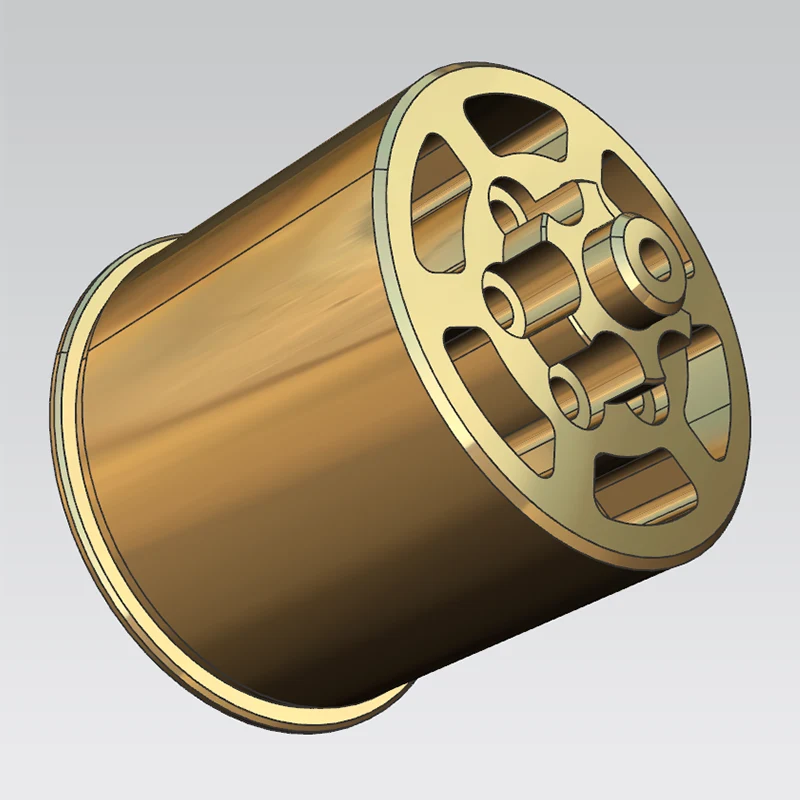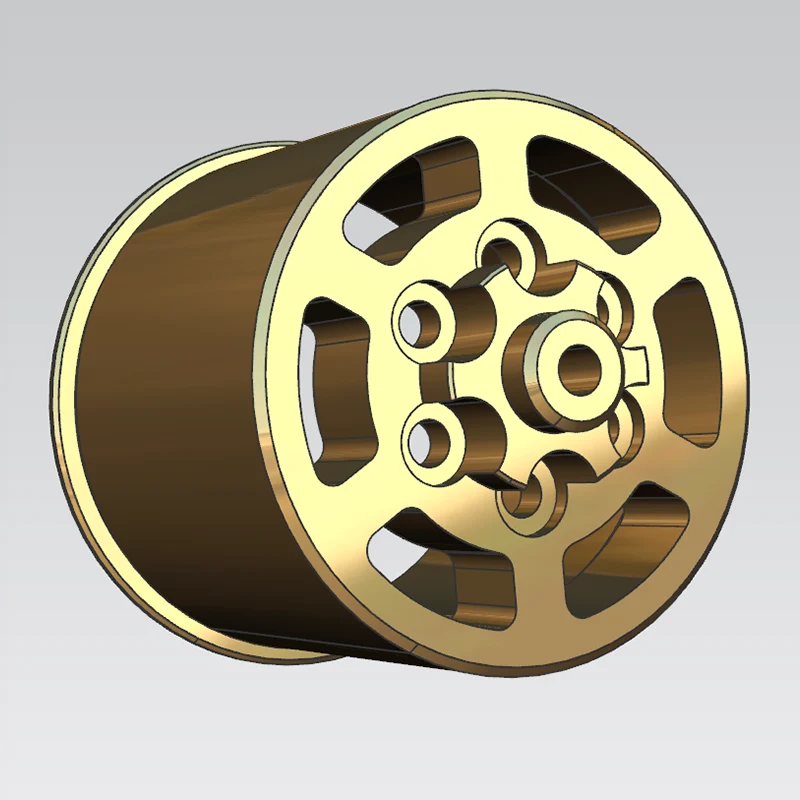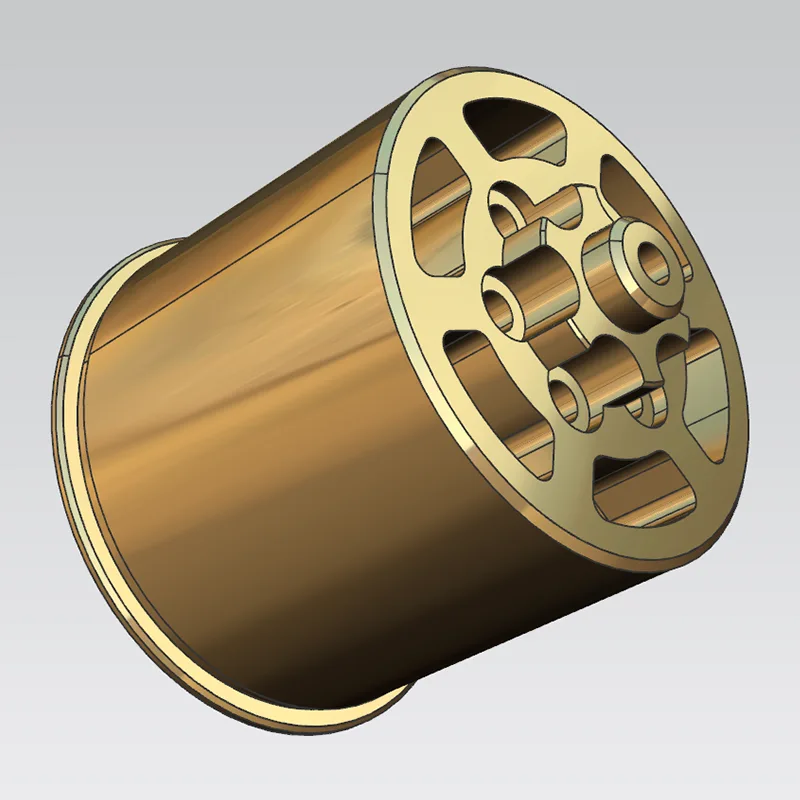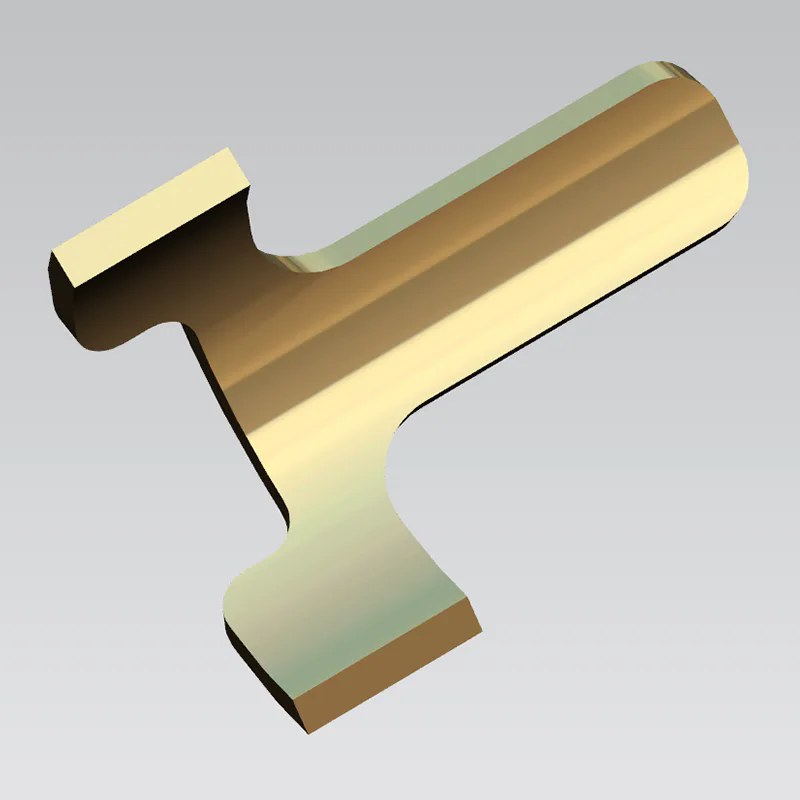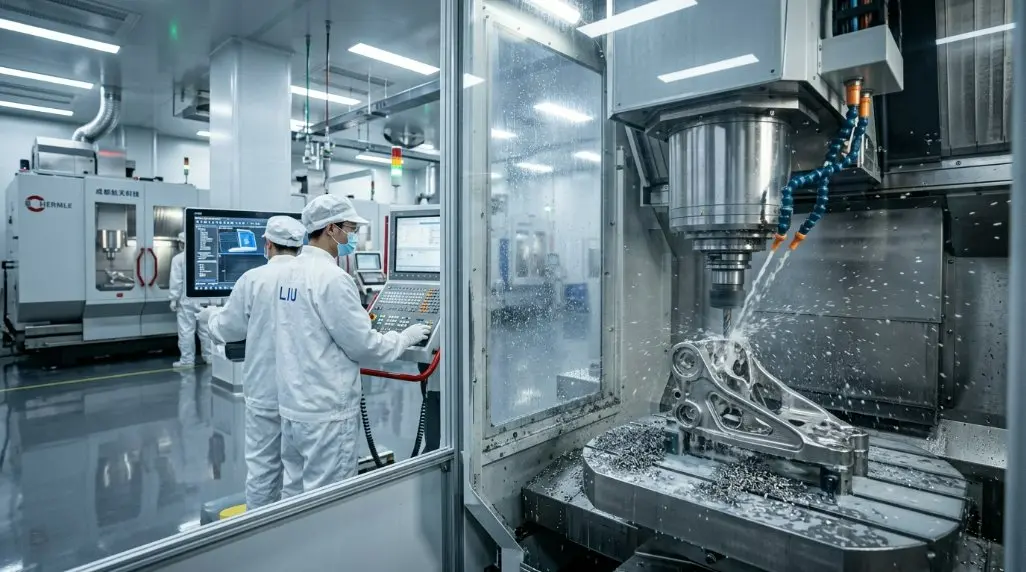
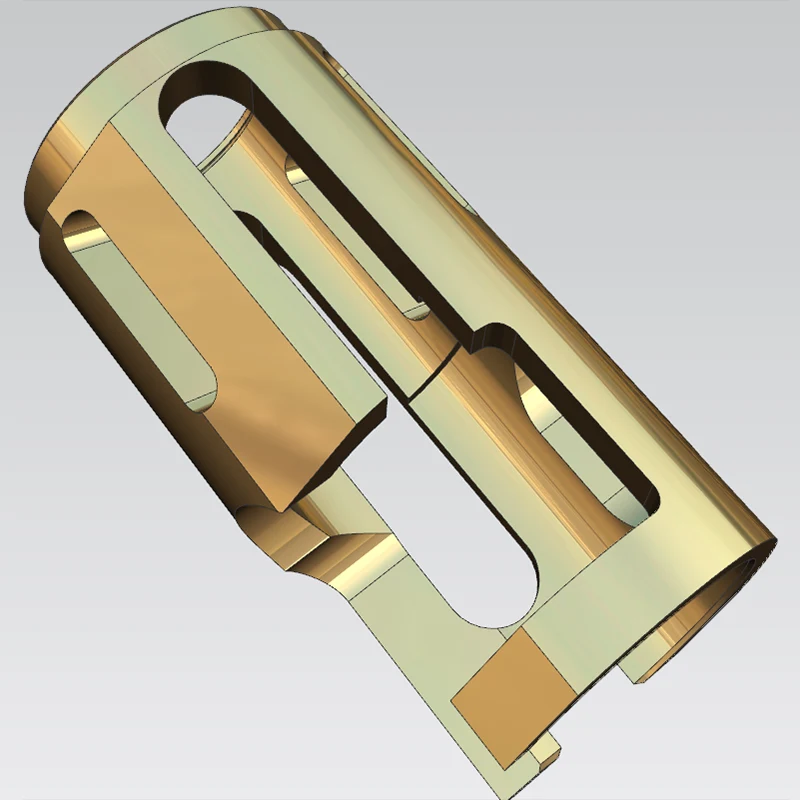
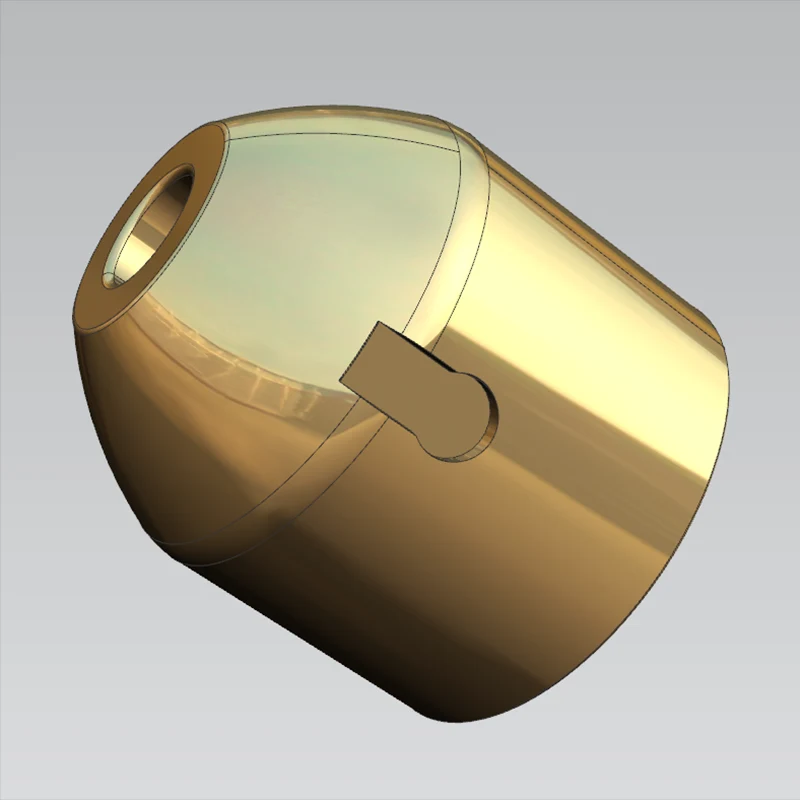
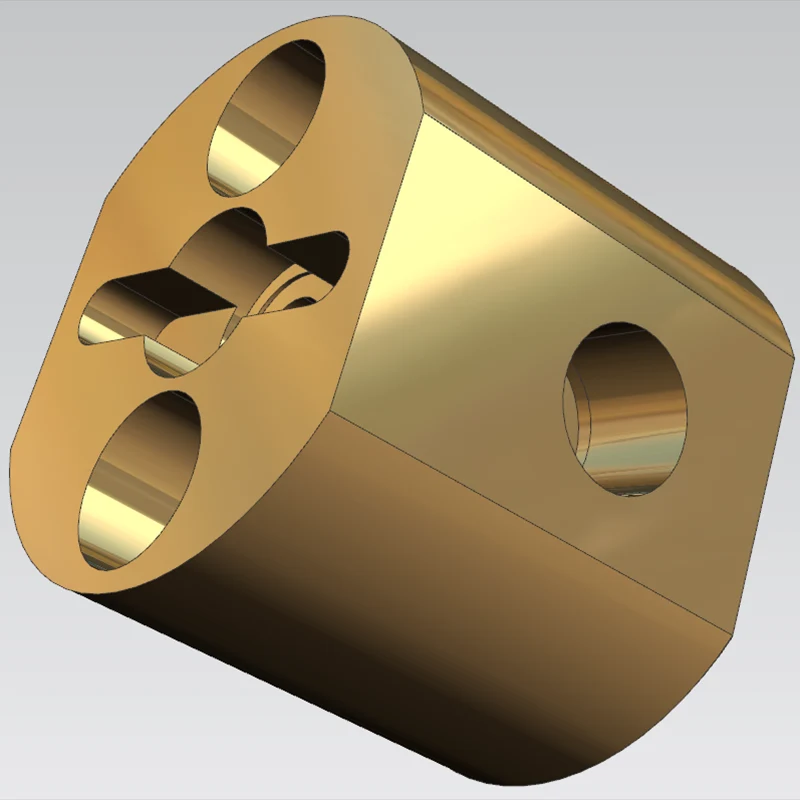
Our CNC mill turn capabilities integrate turning, milling, drilling, tapping, and boring functions into a single machine. The spindle supports both rotary turning and stationary milling, while coordinated C-axis and Y-axis movement allows for the complete machining of complex parts in one setup. Equipment specifications include: spindle speeds of 50–5,000 rpm; C-axis 360° indexing accuracy of ±5″; 8–16 live tools with speeds of 6,000–12,000 rpm; and Y-axis travel of ±50–150 mm for machining eccentric cross-holes. Machining capabilities cover turning diameters of φ10–500 mm, milling widths of 100–400 mm, drilling diameters of φ1–50 mm, and tapping sizes from M3 to M48. Machining precision includes ±0.01 mm for turning, ±0.02 mm for milling, ±10″ for C-axis indexing, and surface roughness of Ra 0.8–3.2 μm.
|
dimensional accuracy |
OD |
ID |
T(C) |
DP |
GD |
|
unit:±/mm |
0.002 |
0.002 |
0.002 |
0.002 |
0.001 |
|
Geometric accuracy |
roundness |
coaxiality |
straightness |
cylindricity |
Position tolerance |
|
unit:±/mm |
0.002 |
0.004 |
0.002 |
0.004 |
0.004 |
|
production capacity |
1~999999 pcs |
1~999999 pcs |
1~999999 pcs |
1~999999 pcs |
1~999999 pcs |
|
production cycle |
3-20 days |
3-20 days |
3-20 days |
3-20 days |
3-20 days |
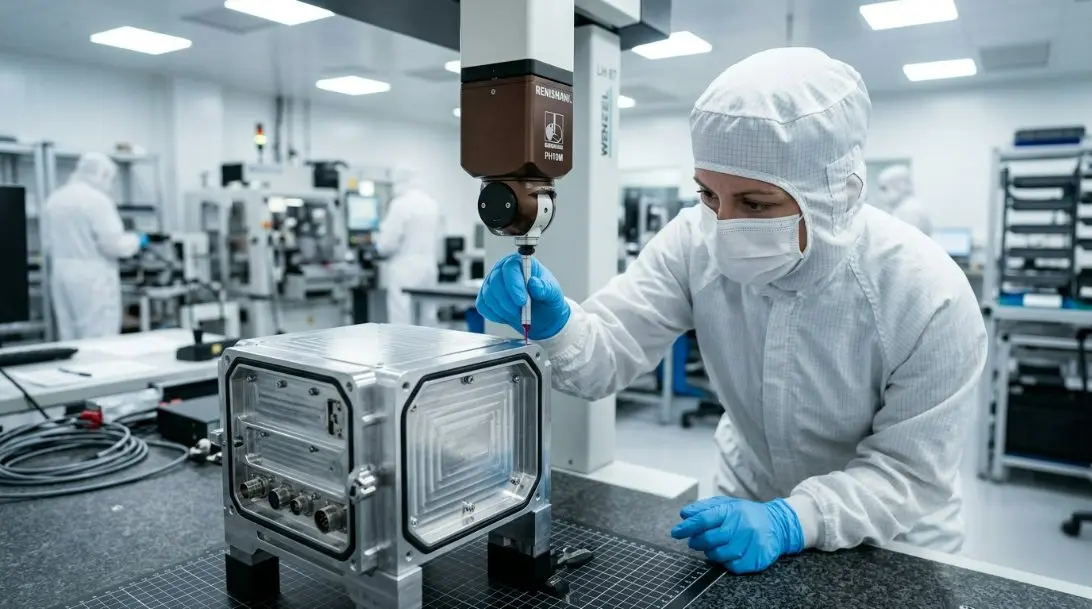
Equipped with a comprehensive range of inspection instruments and measuring tools, including: CMMs, vision measuring systems, profile projectors, laser diameter gauges, laser interferometers, surface roughness testers, roundness testers, toolmaker's microscopes, stereo microscopes, micrometers, pin gauges, dial indicators, high-precision micrometers, electronic height gauges, calipers, gauge blocks, hardness testers, and thread gauges.
Sanluo Precision offers significant advantages in CNC mill turn: Single-setup processing (completes turning, milling, drilling, tapping, and boring in one go; eliminates clamping errors; achieves concentricity of 0.01mm and perpendicularity of 0.02mm); Increased efficiency (one machine replaces multiple units; efficiency boosted by 50%–70%); Guaranteed precision (unified datum from a single setup ensures high geometric tolerance accuracy; concentricity, perpendicularity, and positional accuracy improved by 30%); Compact footprint (one machine replaces 3–5 units; saves 60% floor space; reduces investment); Shortened lead times (eliminates inter-process transfer and waiting times; production cycle reduced by 40%–60%); Reduced labor (one operator per machine; labor costs cut by 60%).
As a professional CNC mill turn manufacturer, Sanluo Precision leads the industry in technology. Equipment brands: Imported 5-axis simultaneous machining centers from Japan and Germany (MAZAK Integrex, DMG MORI CTX, OKUMA Multus); Spindle system (built-in spindle with 5000 rpm speed, 30–50 kW power, high torque, and heavy-duty cutting capability); Live tooling turret (12 stations, 12,000 rpm speed, 7.5 kW power); CNC systems (FANUC 31i / SIEMENS 840D with 5-axis simultaneous control and RTCP/TCP control); Renishaw probes (in-process inspection and automatic compensation for ±0.005mm accuracy); UG/Mastercam software (automatic programming, toolpath optimization, and simulation verification). The company provides professional, customized turn-mill machining services to global clients.
|
Parameter Category |
Parameter Details |
|
Equipment Model |
INDEX G220 |
|
Core Positioning |
Flexible and Efficient Machining |
|
Configuration Flexibility |
Configurable with 3 turrets, tool magazine with up to 169 tool positions |
|
Number of Motion Axes |
Up to 16 motion axes |
|
Machining Features |
Features a spacious machining area, allowing simultaneous machining with three tools without collision risk |
|
Typical Applications |
CNC mill turn of small and medium-sized complex shaft workpieces in mechanical engineering, semiconductor and aerospace fields |
|
Parameter Category |
Parameter Details |
|
Equipment Model |
M30 |
|
Core Positioning |
Complete machining of large and complex parts in one clamping |
|
Number of Axes and Functions |
Capable of 4-axis turning and 5-axis milling, completing full 6-sided machining of workpieces |
|
Machining Capacity |
Capable of machining complex shaft and disc parts with a turning diameter of Φ320mm, maximum machining length 1000mm |
|
Extended Processes |
Can also realize gear cutting or deep hole drilling processing as required |
|
Core Advantages |
Can complete almost all cold working processes including turning, milling, boring, deep hole drilling, grinding and gear machining in one clamping |
|
Typical Applications |
CNC mill turn of impellers, blades, marine propellers, heavy-duty generator rotors, large diesel engine crankshafts, etc. |
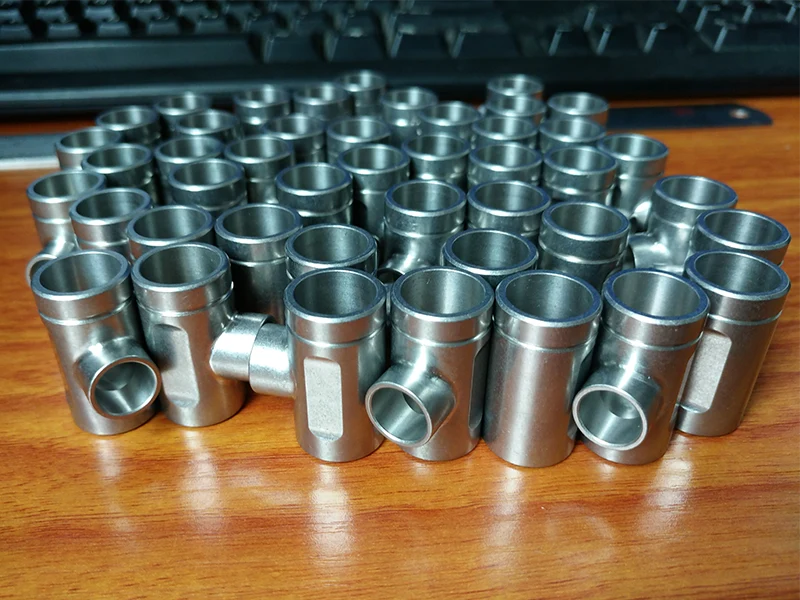
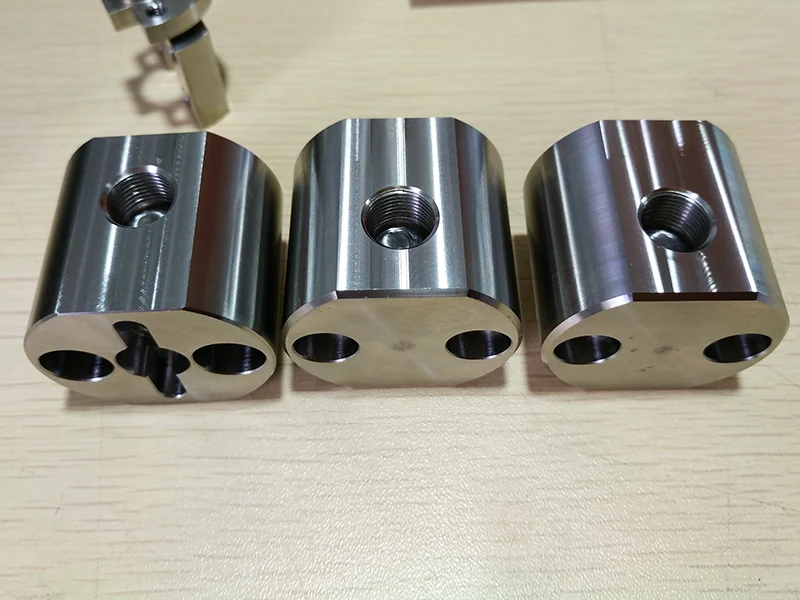
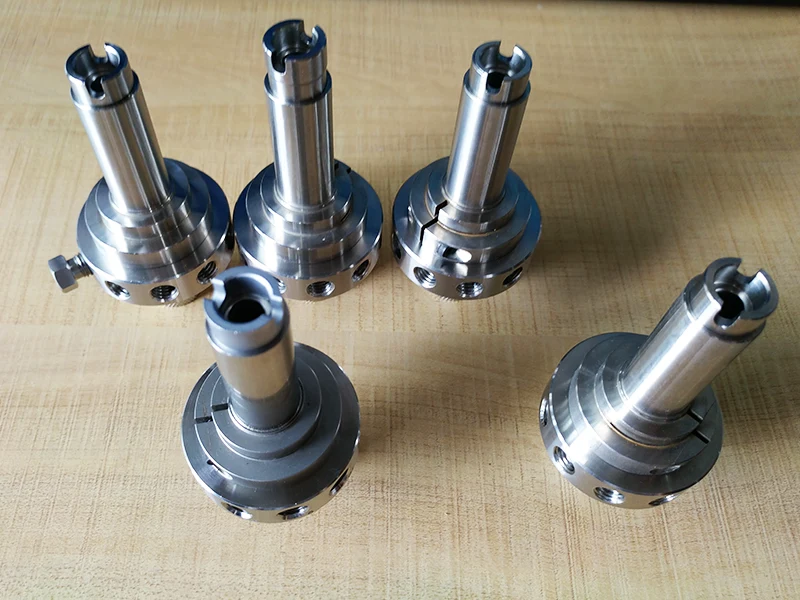
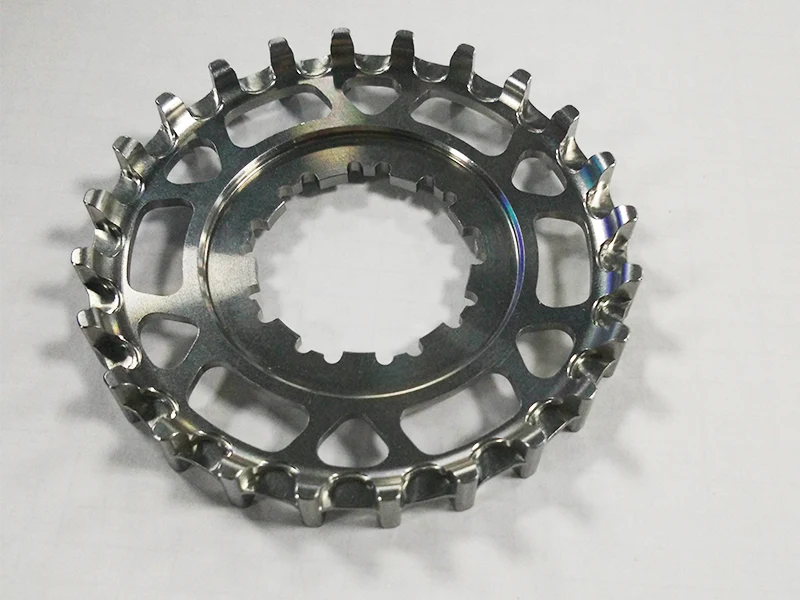
Leveraging mature machining technologies, a comprehensive production control system, and years of precision manufacturing experience, Sanluo Precision specializes in CNC mill turn operations. We utilize a "single-setup" forming process to completely eliminate cumulative errors associated with multi-stage processing and repeated clamping. For difficult-to-machine materials—such as high-hardness aluminum alloys and various stainless steels—we optimize cutting strategies and parameters to effectively resolve industry-wide challenges like built-up edge (BGE), tool deflection, and thermal deformation. Below is a real-world production case study:
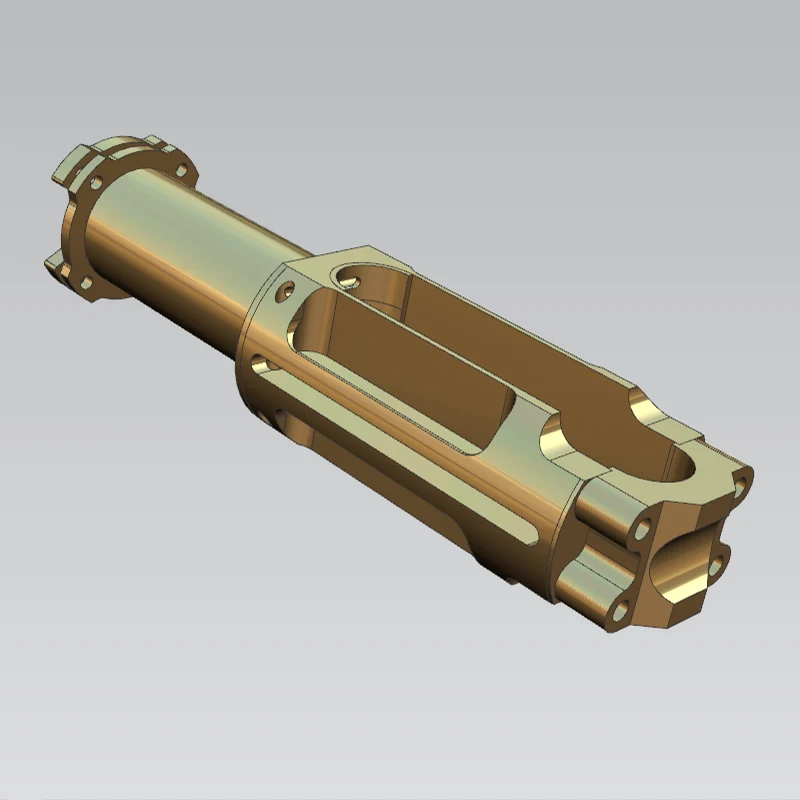
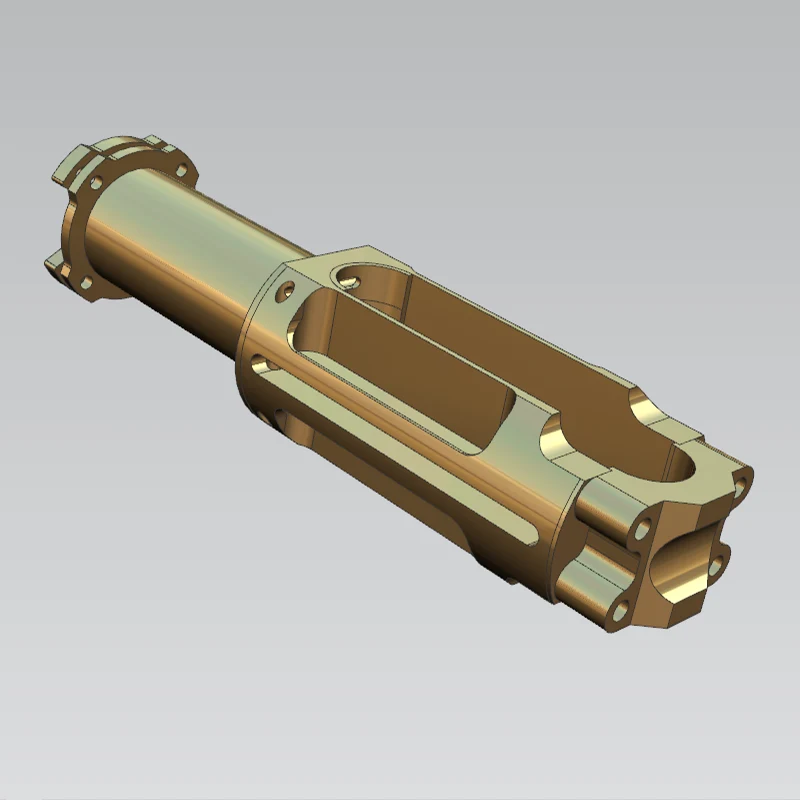
This product is a core reciprocating component for a new engine developed by a domestic automotive R&D firm, manufactured from 7075-T6 aluminum alloy. This material is relatively hard and prone to issues such as built-up edge and thermal deformation during machining; furthermore, the product demands rigorous standards for overall machining precision and operational stability.
The client required strict control over several key dimensions and geometric tolerances: the Φ50 outer diameter tolerance, Φ77/Φ78 coaxiality, a 23±0.01mm tolerance for the pin hole, and multiple positional tolerance requirements of 0.02mm. Traditional separate turning and milling processes could not effectively control errors caused by multiple setups; consequently, the client specified the use of a mill-turn (turn-mill) process.
To address these machining challenges, we utilized a mill-turn machine tool to complete all operations—including the outer diameter, end face, flange holes, pin hole, and side slots—in a single setup. During rough machining, we maintained a 0.3mm machining allowance on critical surfaces and employed continuous high-pressure emulsion coolant circulation to prevent thermal deformation. For finishing, we used specialized tooling with optimized low-speed and feed parameters to completely eliminate built-up edge issues associated with 7075 aluminum, ensuring superior surface quality.
Upon completion, we conducted comprehensive inspections of all key dimensions and geometric tolerances using a Coordinate Measuring Machine (CMM). Actual measurements showed coaxiality controlled within 0.01mm and pin hole tolerances consistently maintained at ±0.005mm, with all metrics meeting blueprint specifications 100%. The samples submitted by the client passed the bench test on the first attempt; assembly and operation were smooth, with no instances of binding or sticking.
The client had previously used a sequential machining approach, but clamping errors caused persistent deviations in coaxiality and positional accuracy that could not be resolved despite repeated rework. The turn-mill composite process eliminated multiple clamping errors at the source, thoroughly resolving these long-standing quality issues. This batch of samples is currently operating stably in engine equipment. The client highly values the machining precision and delivery efficiency, subsequently awarding us small-batch orders—a strong validation of the outstanding advantages of turn-mill composite machining for high-precision aluminum alloy components.
This pump head is a core component for a domestic fluid equipment manufacturer, used in high-pressure pump assemblies. Made of 1Cr18Ni9 stainless steel, the product demands extremely high standards for sealing integrity and geometric tolerances.
Key technical specifications required by the client included: coaxiality of 0.03 mm for the Φ12 inner bore, roundness of 0.015 mm for the Φ9 inner bore, and specific positional accuracy requirements for two M12 threaded holes. Due to the high stickiness of the stainless steel material—which often leads to built-up edge (BGE) and tool deflection—traditional sequential machining struggled to meet the strict tolerances; the client explicitly required the use of turn-mill composite machining.
We utilized an integrated turn-mill machining center to complete the machining of the outer diameter, end face, inner bores, and threaded holes in a single setup. During rough machining, a 0.2 mm allowance was reserved for critical inner bores, and high-pressure coolant was used throughout to flush away chips and effectively prevent built-up edge issues. For finishing, we selected specialized stainless steel tooling, reduced cutting parameters, and strictly controlled tool deflection. Threaded holes were machined in-process to eliminate errors associated with secondary clamping.
Full-dimensional inspection using a Coordinate Measuring Machine (CMM) confirmed the results: coaxiality remained stable within 0.02 mm, inner bore roundness was controlled within 0.01 mm, and positional accuracy for threaded holes met all specifications. The product passed acceptance inspection on the first attempt, and sealing performance fully met operational standards. Previously, the client used products manufactured via sequential processing steps; clamping deviations caused coaxiality to exceed limits, leading to persistent leakage issues in the pump body after assembly. The adoption of the turn-mill composite process completely resolved clamping errors and eliminated the risk of leakage. This batch of pump heads has since operated continuously and stably in the field for years, and the partnership remains solid—further validating the value of turn-mill composite machining for high-precision stainless steel fluid components.
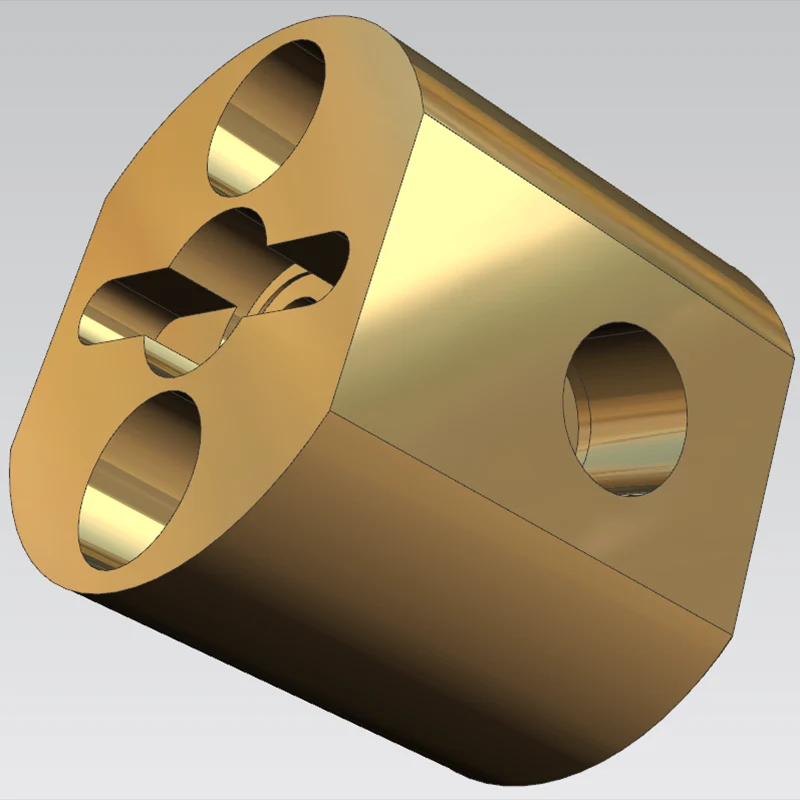
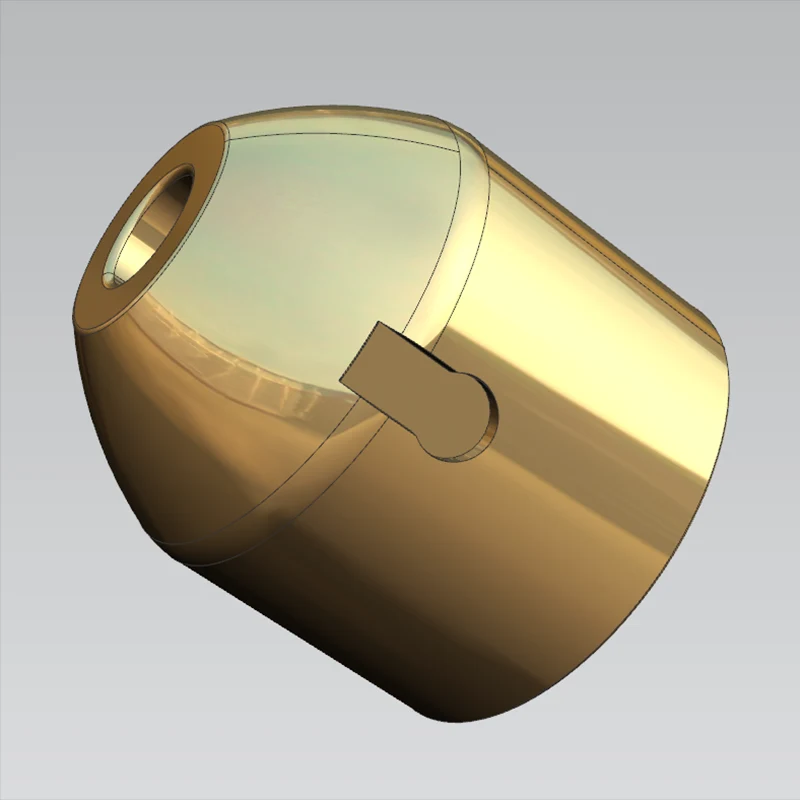
This component is a core part of a brushless motor manufactured by a domestic industrial equipment company. Made from 304 stainless steel, it demands strict adherence to geometric tolerances and surface roughness specifications.
The client's key inspection criteria included coaxiality between inner and outer diameters, axial runout of the end face, and positional accuracy of the side keyway. Blueprints specified that coaxiality for critical mating surfaces must be controlled within 0.01 mm, outer surface roughness had to reach Ra 0.1, and the surface had to be free of burrs and scratches. Due to the high ductility and "stickiness" of 304 stainless steel—which often causes built-up edge (BTE) and tool deflection—traditional sequential processing could not meet the tolerance requirements; therefore, the turn-mill composite process was selected.
Using a turn-mill composite machine, we completed the machining of the outer diameter, end face, inner bore, and side keyway in a single setup. During rough machining, a 0.2 mm allowance was left on critical surfaces, and high-pressure coolant was used throughout to prevent material adhesion to the tool. For finishing, we employed specialized tooling and optimized cutting parameters to precisely control tool deflection; the keyway was formed synchronously as part of the integrated process, thereby avoiding errors associated with re-clamping.
Post-machining, we conducted comprehensive inspections using a Coordinate Measuring Machine (CMM) and a surface roughness tester. Measured results showed coaxiality ≤ 0.008 mm, axial runout ≤ 0.005 mm, and surface roughness of Ra 0.1, with all metrics meeting specifications. The product passed acceptance inspection on the first attempt; motor assembly proceeded smoothly, and vibration and noise levels during operation remained within ideal ranges.
In contrast, products previously procured via sequential processing had failed to meet design standards due to clamping errors that caused excessive coaxiality deviations and resulted in high vibration levels during motor operation. By adopting turn-milling composite machining, clamping errors are eliminated at the source, effectively resolving equipment malfunctions. Mass production of the housing's front section is currently proceeding steadily; the customer has expressed satisfaction with both product precision and surface quality, and a long-term partnership has been maintained—fully demonstrating the advantages of CNC mill turn composite machining in the production of precision stainless steel motor components.
Address
Building A1, Yufeng Industrial Park, Guangming District, Shenzhen, China
Tel