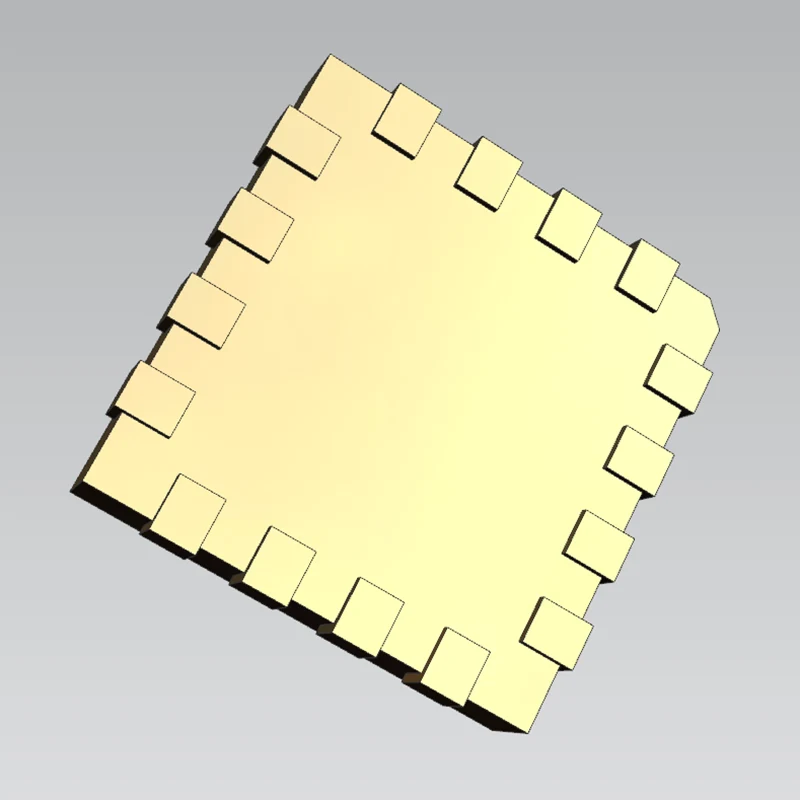
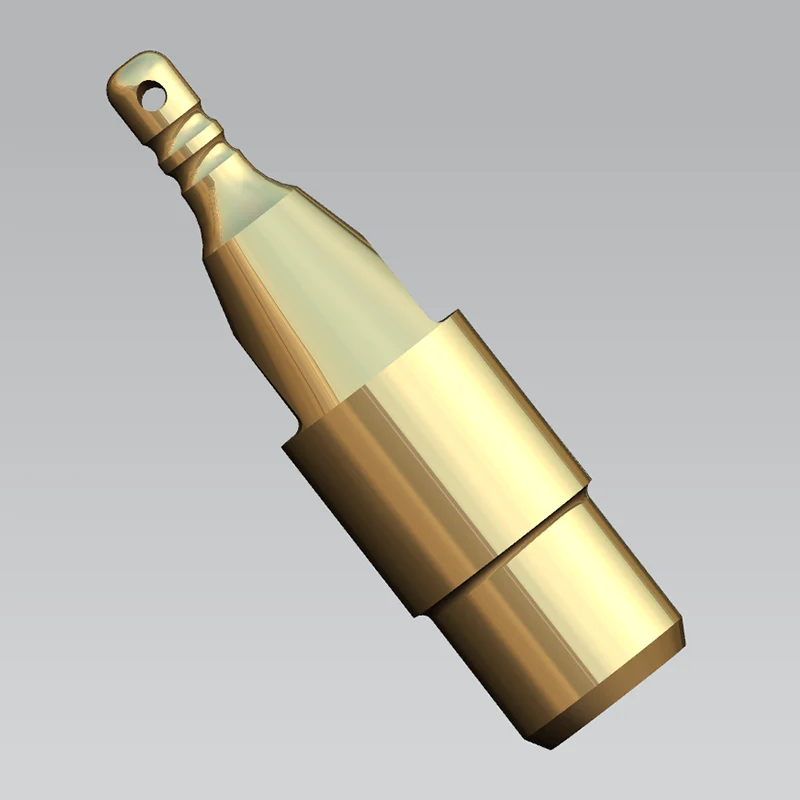
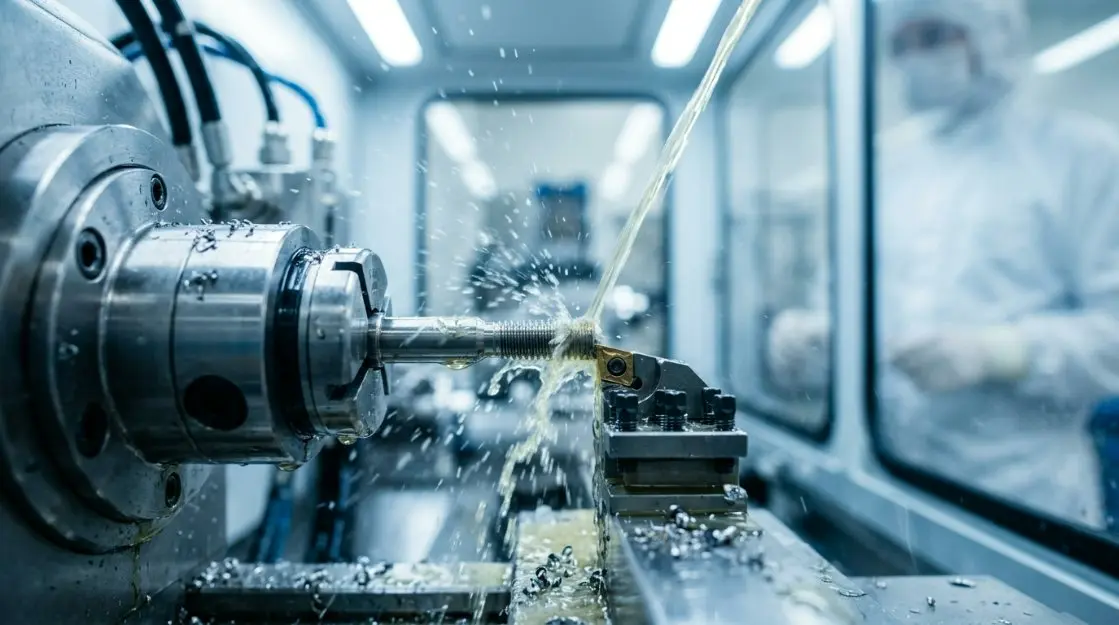
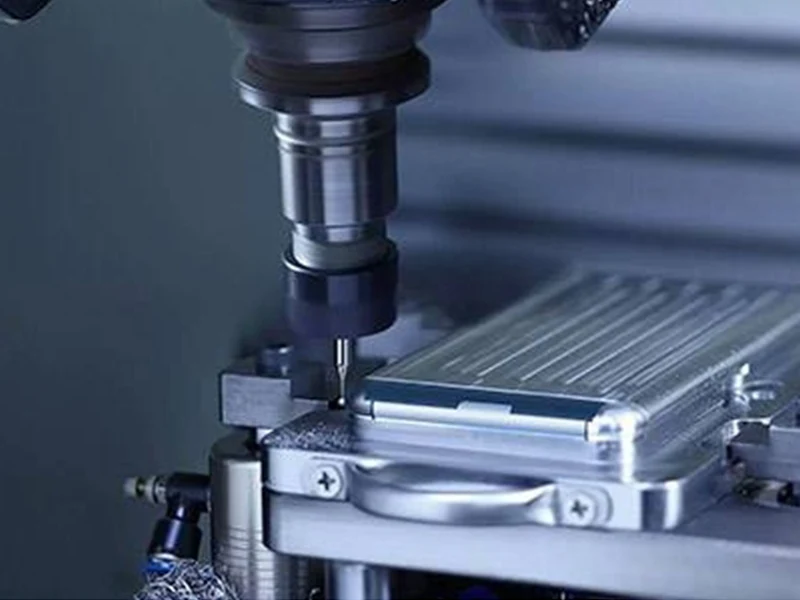
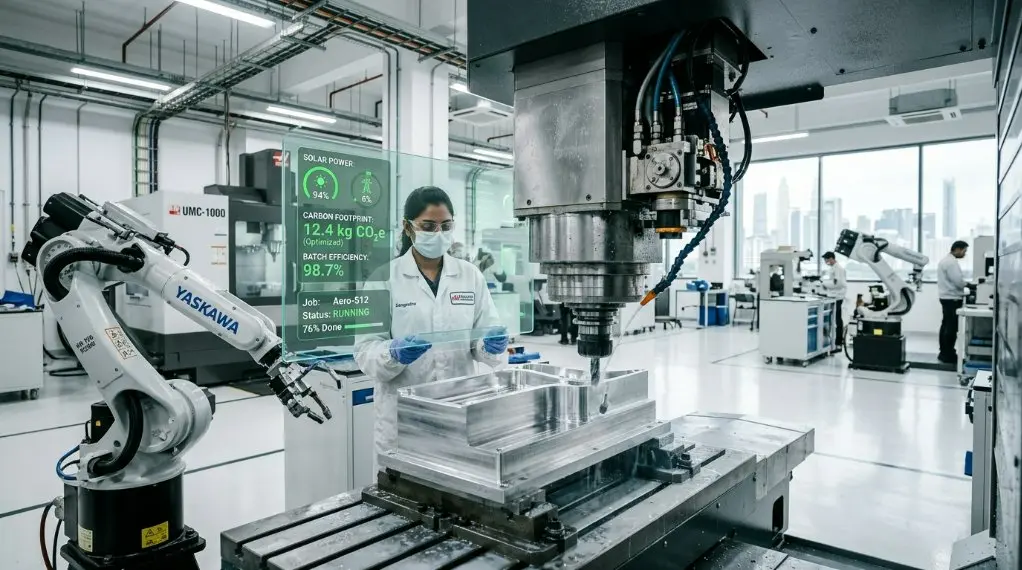
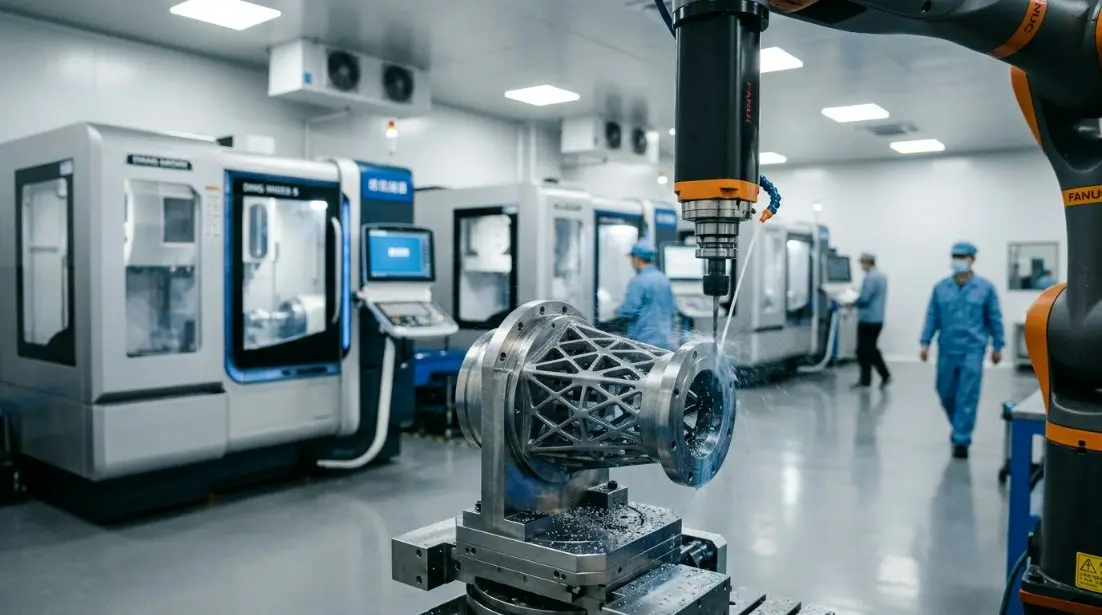
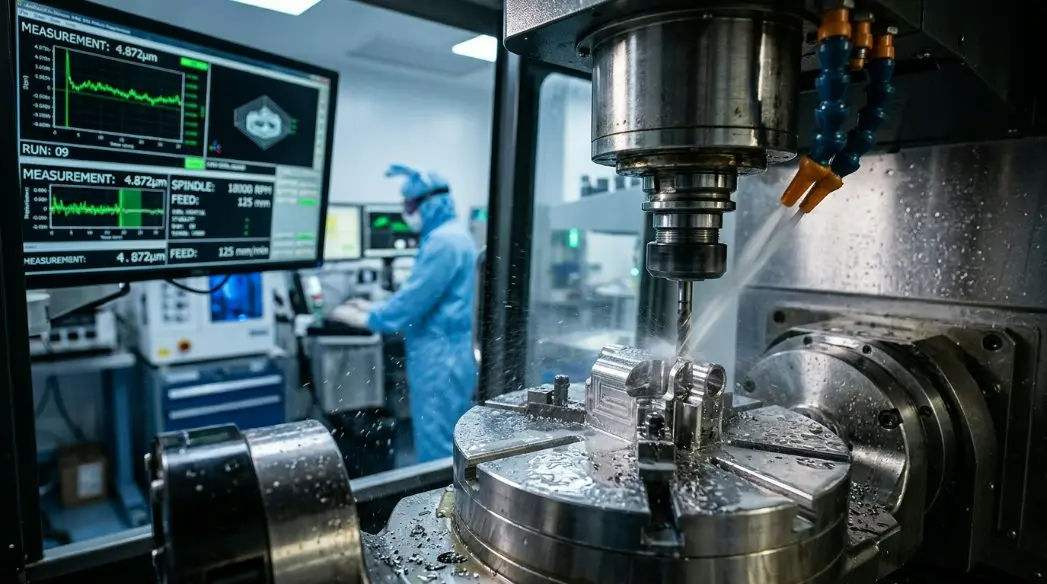
In the manufacturing industry, mechanical processing technology is a key link in part processing, which directly determines the quality, accuracy, and performance of the parts. Mechanical processing technology involves multiple aspects, including material selection, cutting process, tool selection, mechanical equipment selection, process parameter adjustment, as well as processing sequence and process arrangement. These factors will have a significant impact on the machining accuracy, efficiency, and cost of the parts. This article will analyze the impact of mechanical processing technology on part machining from multiple perspectives.
1 The impact of material selection
The selection of materials in the machining process is the first and crucial step. Different materials have different mechanical and cutting properties, which directly affect the machining accuracy and difficulty of parts. For example, aluminum alloy is suitable for precision machining due to its excellent cutting performance; However, materials such as stainless steel require appropriate cutting processes and tools due to their high hardness and toughness. Otherwise, it can easily lead to increased cutting force, intensified tool wear, and ultimately affect machining accuracy and efficiency.
2 The influence of cutting technology and tool selection
Cutting process and tool selection are key links in mechanical machining technology. The choice of cutting process directly determines cutting force, cutting heat, and cutting residual area, thereby affecting machining accuracy and surface quality. For precision machining, it is necessary to choose high-precision cutting processes and tools to ensure that the machining accuracy and surface roughness meet the requirements. Meanwhile, tool wear is also an important factor affecting machining accuracy. Tool wear can lead to changes in cutting force, cutting heat, and cutting residual area, thereby affecting machining efficiency and accuracy. Therefore, it is necessary to regularly inspect and replace cutting tools during the machining process to ensure machining accuracy and tool life.
3 The influence of mechanical equipment selection
Mechanical equipment is the carrier of mechanical processing technology, and its accuracy and stability have a direct impact on the machining accuracy of parts. High precision machining requires the selection of high-precision machine tools and equipment to ensure machining stability and accuracy. The rigidity of the machine tool and the stability of the worktable are also key factors affecting machining accuracy. If the rigidity of the machine tool is insufficient or the stability of the worktable is poor, it will cause vibration and deformation during the machining process, thereby affecting the machining accuracy. Therefore, when selecting machine tool equipment, it is necessary to comprehensively consider factors such as accuracy, rigidity, and stability.
4 The impact of adjusting process parameters
The adjustment of process parameters has a significant impact on machining accuracy and efficiency during mechanical processing. The selection of process parameters such as cutting speed, feed rate, and cutting depth directly affects cutting force, cutting heat, and cutting residual area, thereby affecting machining accuracy and surface quality. Reasonable selection and adjustment of process parameters can reduce cutting force and thermal deformation, improve machining accuracy and efficiency. Therefore, during the processing, it is necessary to continuously adjust the process parameters according to the actual situation to obtain the best processing effect.
5 The influence of processing sequence and process arrangement
The processing sequence and process arrangement also have a significant impact on the machining accuracy of parts. A reasonable machining sequence can reduce cutting residue and deformation, and improve machining accuracy. For parts with multiple processes, a reasonable process arrangement can avoid cumulative errors and improve overall machining accuracy. At the same time, the connection and conversion between processes also need to consider their impact on machining accuracy. For example, processing performed after the heat treatment process requires waiting for the workpiece to cool sufficiently before proceeding to avoid deformation and errors caused by temperature changes.
6 The impact of environmental factors
Environmental factors are also one of the important factors affecting the accuracy of mechanical processing. Environmental temperature, humidity, vibration, etc. can all have an impact on the accuracy and stability of machine tools. For example, in high-temperature environments, the components of machine tools are prone to deformation due to thermal expansion and contraction, which in turn affects machining accuracy. In addition, vibration can also cause instability in the machine tool, leading to a decrease in machining accuracy. Therefore, it is necessary to control environmental factors during the machining process to ensure that the machine tool operates under stable environmental conditions.
Conclusion
In summary, mechanical processing technology has multiple impacts on the machining accuracy, efficiency, and cost of parts. By comprehensively considering and optimizing the mechanical processing technology from the aspects of material selection, cutting process and tool selection, mechanical equipment selection, process parameter adjustment, machining sequence and process arrangement, as well as environmental factors, the machining accuracy and efficiency of parts can be effectively improved, and production costs can be reduced. With the continuous development and technological progress of the manufacturing industry, it is believed that there will be more innovative methods and technologies applied to mechanical processing technology, bringing more opportunities and challenges to the development of the manufacturing industry.
We use cookies to offer you a better browsing experience, analyze site traffic and personalize content. By using this site, you agree to our use of cookies. Privacy Policy