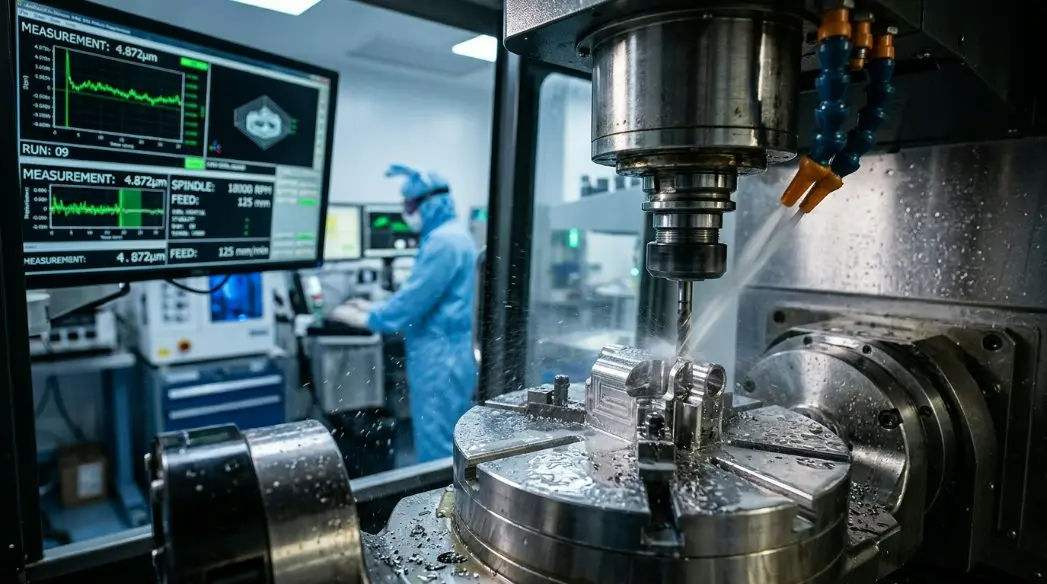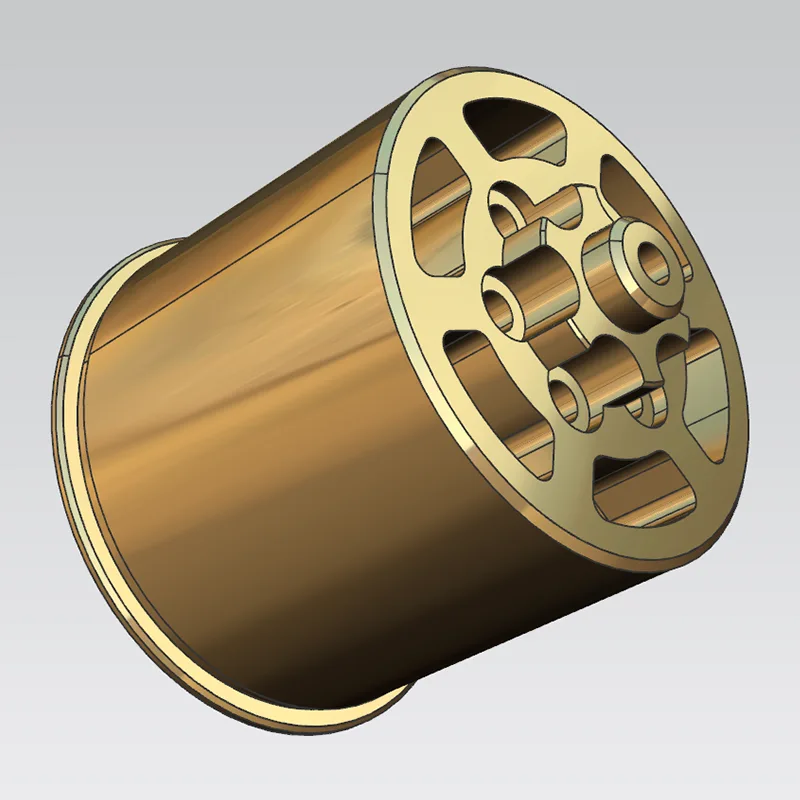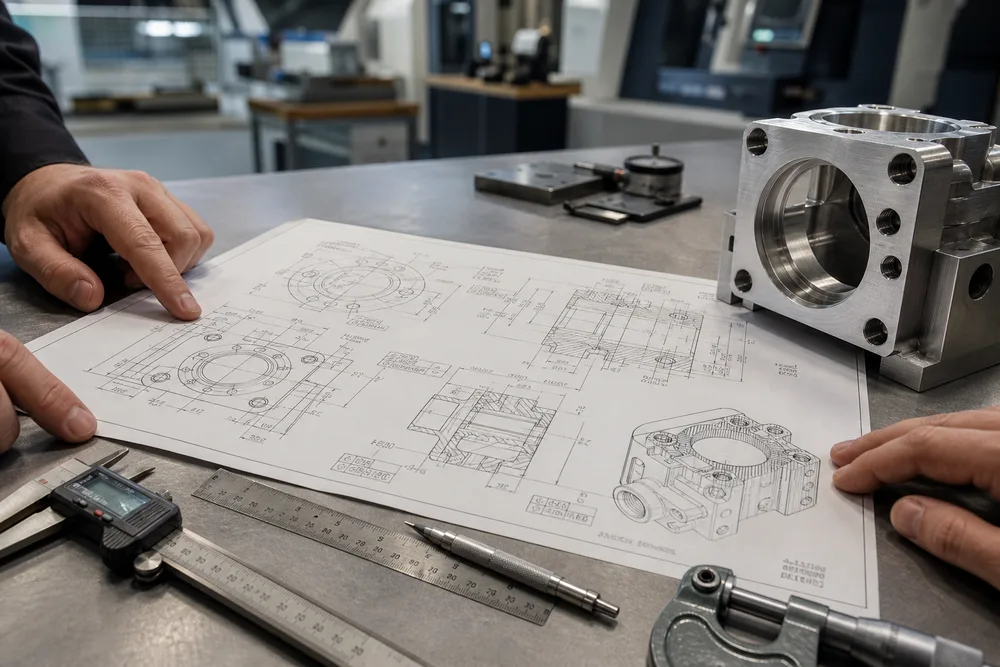

Swiss machining has become a cornerstone manufacturing process for industries that demand extreme precision, tight tolerances, and high-volume consistency. This article explores how Swiss machining works, why it outperforms conventional CNC turning in specific applications, and how it addresses common customer pain points such as dimensional instability, production inefficiency, and material waste. Whether you are sourcing parts for medical, aerospace, or electronics applications, understanding this process can help you make more informed decisions.
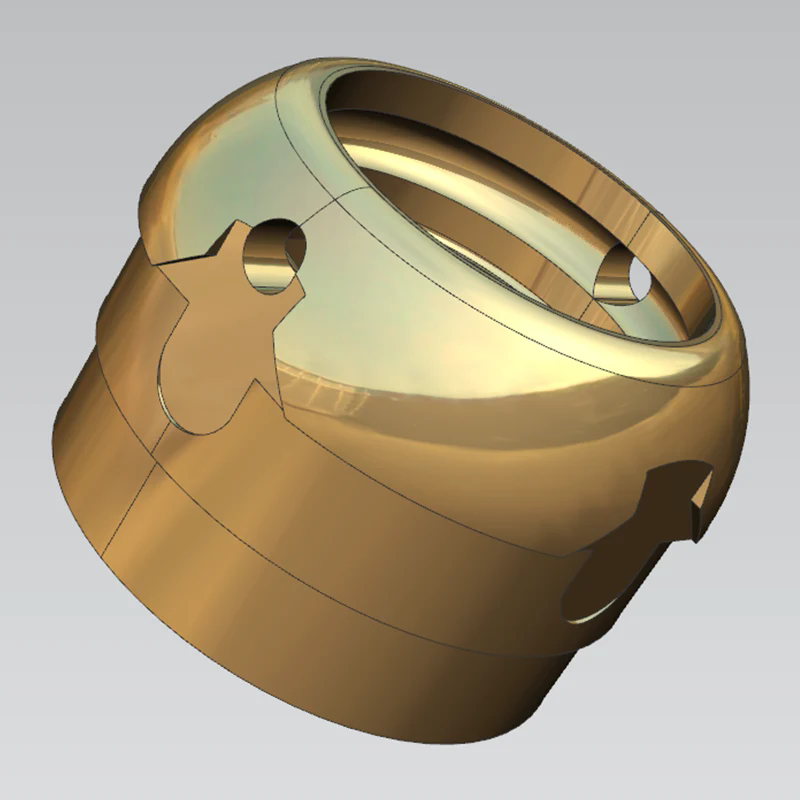
Swiss machining, also known as Swiss screw machining or Swiss turning, is a specialized CNC machining process designed for producing small, high-precision parts. Originally developed for watchmaking in Switzerland, this method has evolved into a highly advanced manufacturing solution used across multiple industries.
Customers often struggle with inconsistent tolerances, especially when machining long, slender components. Swiss machining directly addresses this issue by providing superior support and stability during the cutting process.
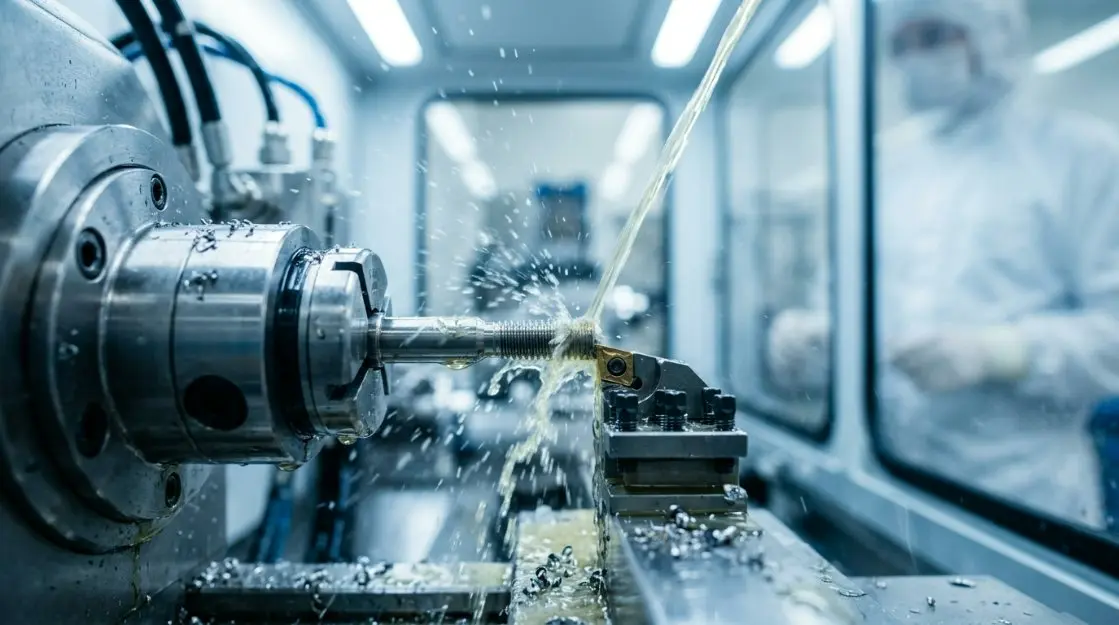
Unlike conventional CNC lathes where the workpiece is stationary, Swiss machines use a sliding headstock mechanism. The bar stock moves along the Z-axis while the cutting tools remain stationary. A guide bushing supports the material very close to the cutting tool, significantly reducing deflection.
This unique configuration ensures exceptional dimensional accuracy, even for parts with high length-to-diameter ratios.
| Advantage | Description |
|---|---|
| High Precision | Achieves tight tolerances often within ±0.0002 inches |
| Efficiency | Simultaneous operations reduce cycle time |
| Stability | Guide bushing minimizes vibration and deflection |
| Automation | Ideal for long production runs with minimal supervision |
| Material Savings | Optimized cutting reduces waste |
For customers facing quality inconsistencies or production delays, these advantages translate directly into improved reliability and lower overall costs.
Swiss machining is widely used in industries where precision is critical:
These applications demand not only precision but also repeatability—something Swiss machining excels at.
| Feature | Swiss Machining | Traditional CNC Turning |
|---|---|---|
| Workpiece Support | Guide bushing support | Chuck-based support |
| Best for | Small, long, complex parts | Larger, simpler parts |
| Precision | Extremely high | Moderate to high |
| Production Speed | High for volume runs | Moderate |
If your project involves micro-components or intricate geometries, Swiss machining is typically the more effective solution.
Swiss machines can handle a wide range of materials, including:
Material selection plays a crucial role in both cost and performance. Choosing the right material ensures durability while maintaining machinability.
While Swiss machining may have higher setup costs compared to traditional methods, it offers significant savings in high-volume production due to:
For customers concerned about budget, the key is to evaluate total production cost rather than just initial setup expenses.
Selecting the right manufacturing partner is critical. Consider the following factors:
Working with an experienced provider ensures consistent quality and faster turnaround times. Sanluo has extensive expertise in precision machining solutions and is committed to delivering high-quality components tailored to your needs—contact us today to discuss your project requirements.
Q1: What is the tolerance capability of Swiss machining?
Swiss machining can achieve extremely tight tolerances, often within ±0.0002 inches depending on material and geometry.
Q2: Is Swiss machining suitable for prototypes?
Yes, but it is most cost-effective for medium to high-volume production runs.
Q3: What part sizes are ideal for Swiss machining?
Typically small-diameter parts with high length-to-diameter ratios benefit the most.
Q4: Can Swiss machines perform multiple operations?
Yes, they can handle turning, drilling, milling, and threading in a single setup.
Q5: How does Swiss machining improve product quality?
By minimizing vibration and ensuring consistent tool engagement, it delivers superior surface finish and dimensional accuracy.
Understanding how Swiss machining works allows you to optimize both design and production strategies. If you are looking for a reliable partner to bring your precision components to life, Sanluo provides advanced Swiss machining capabilities with consistent quality and fast delivery—contact us now to get started.