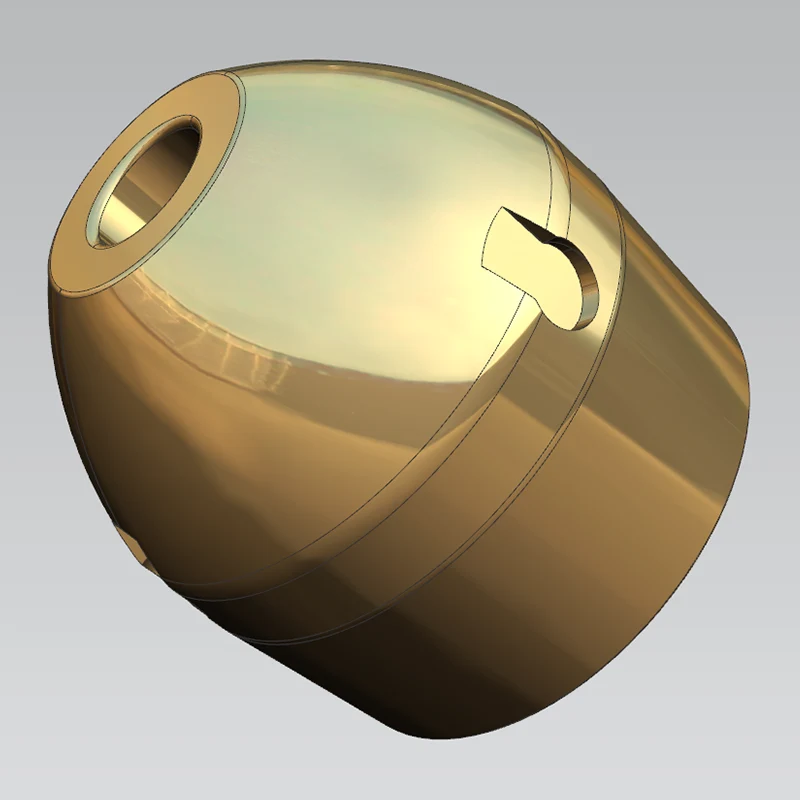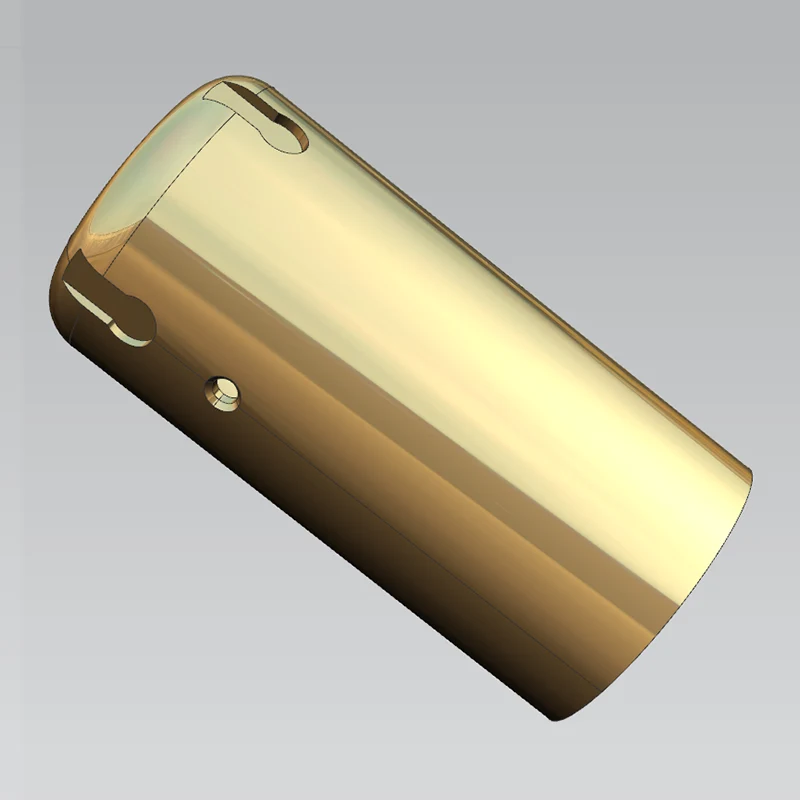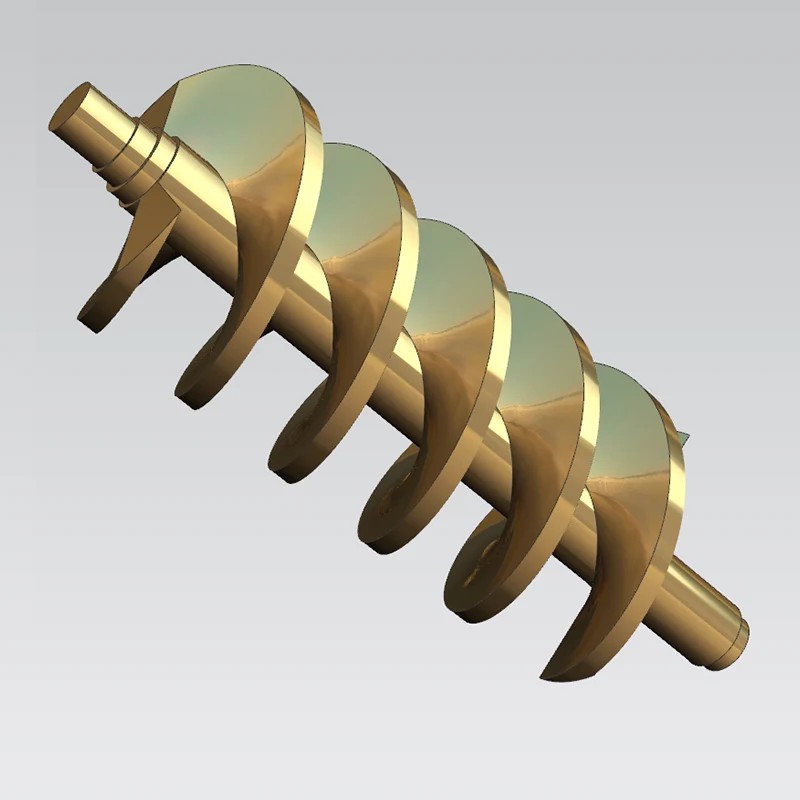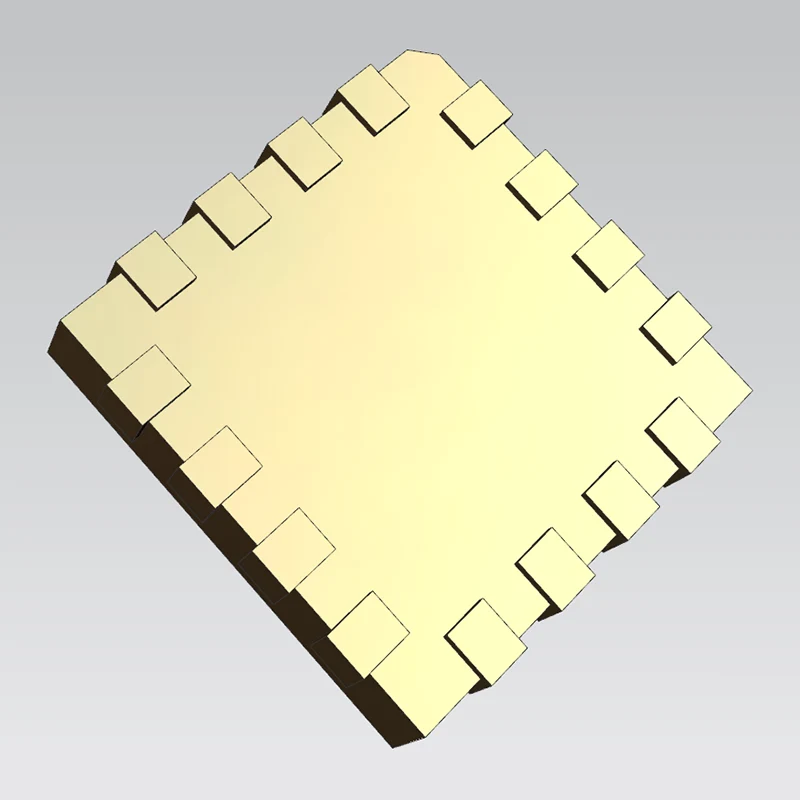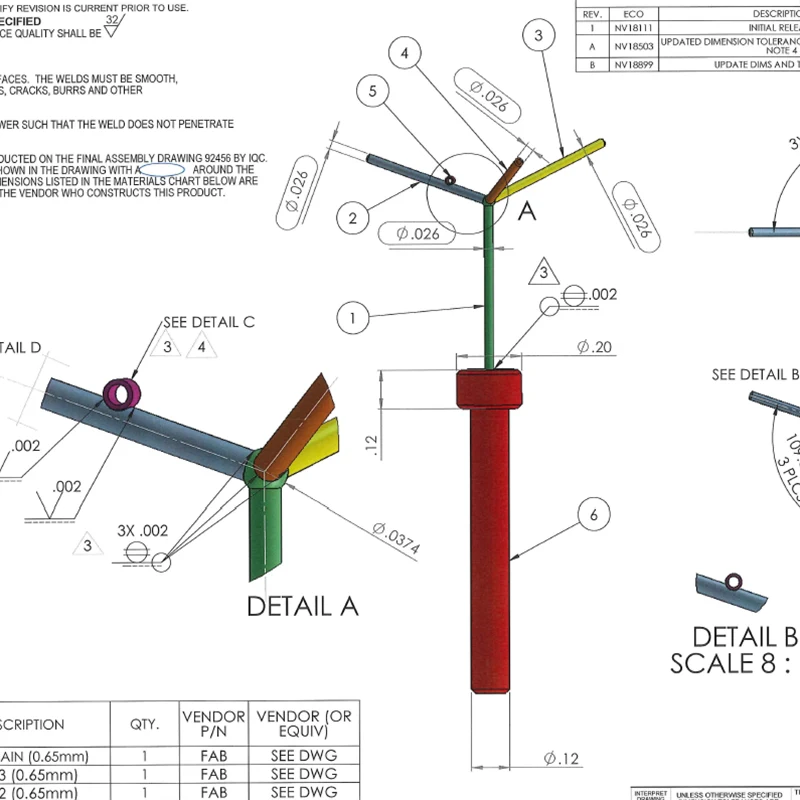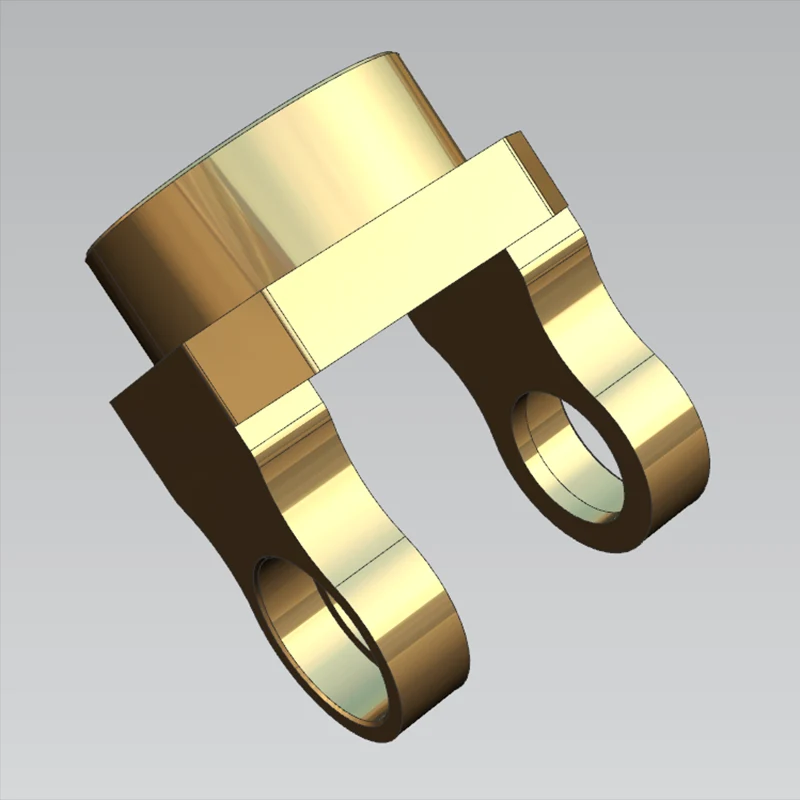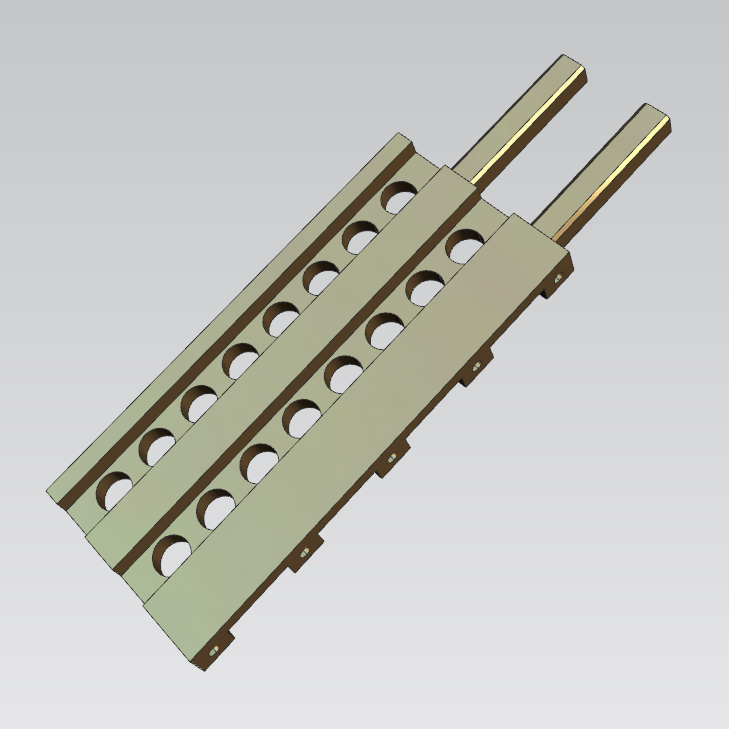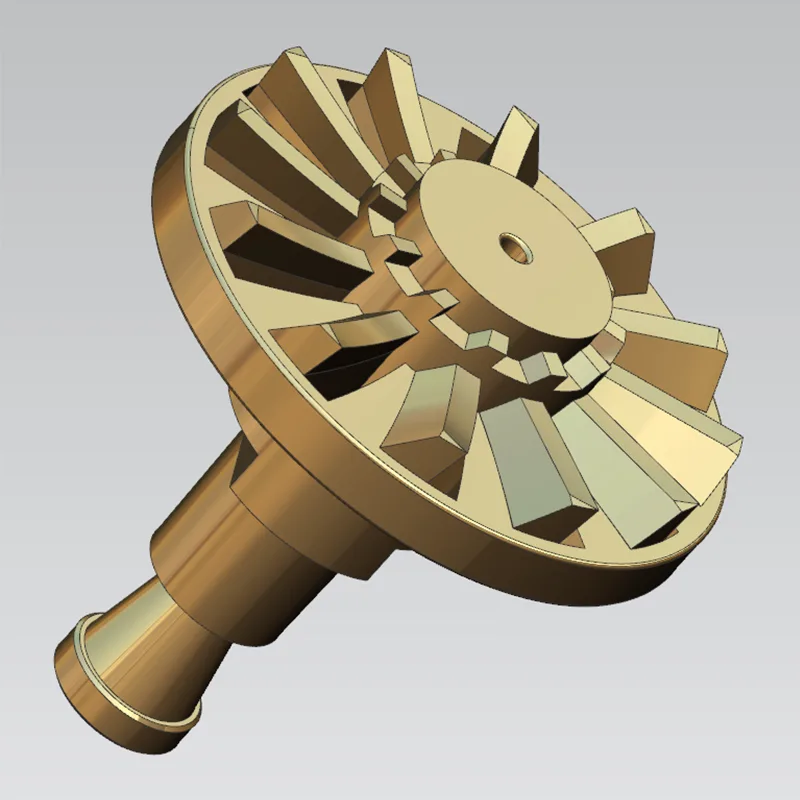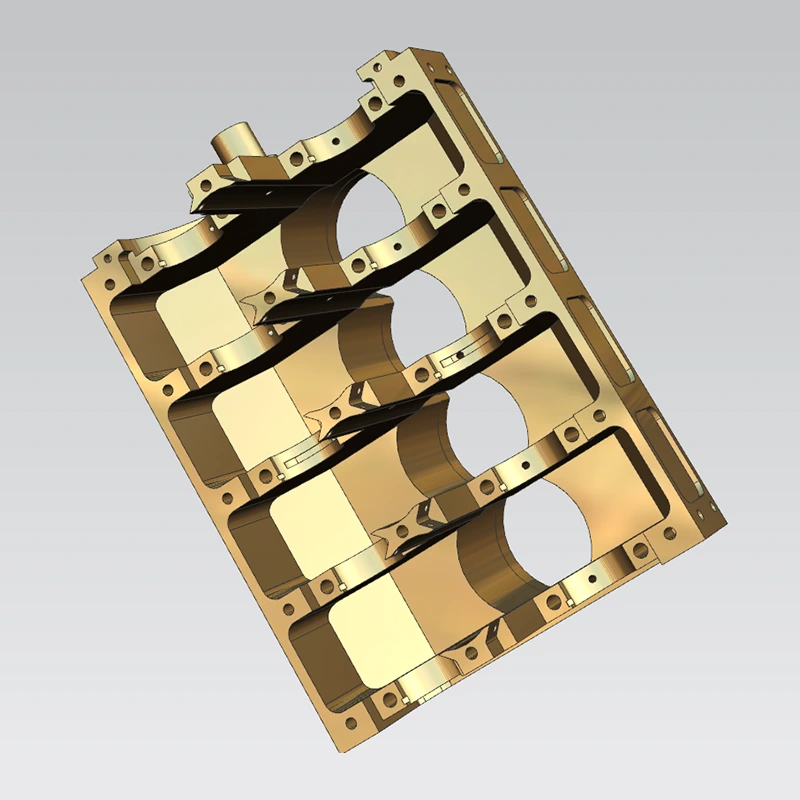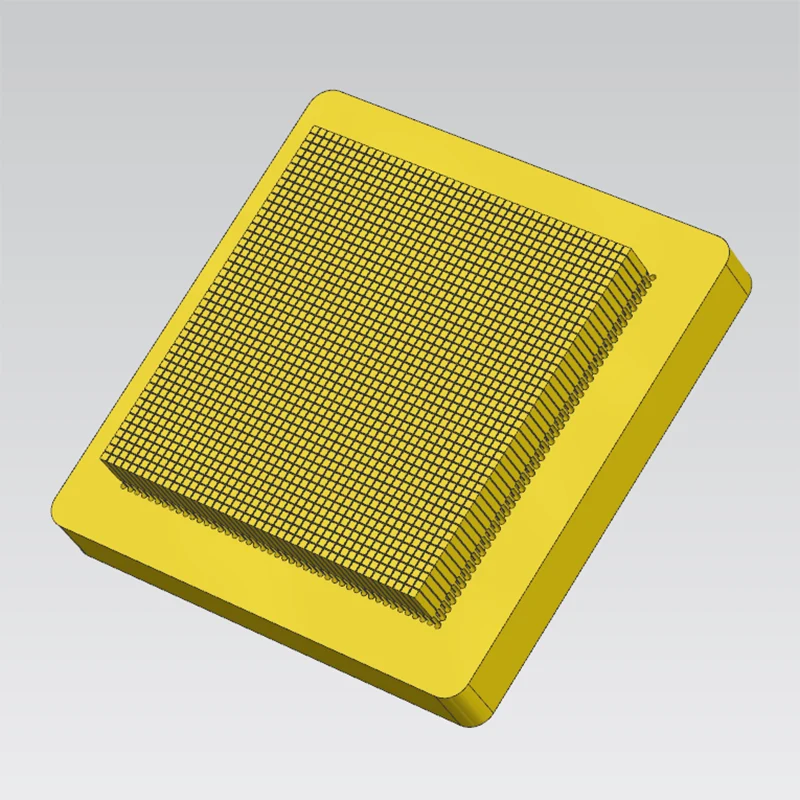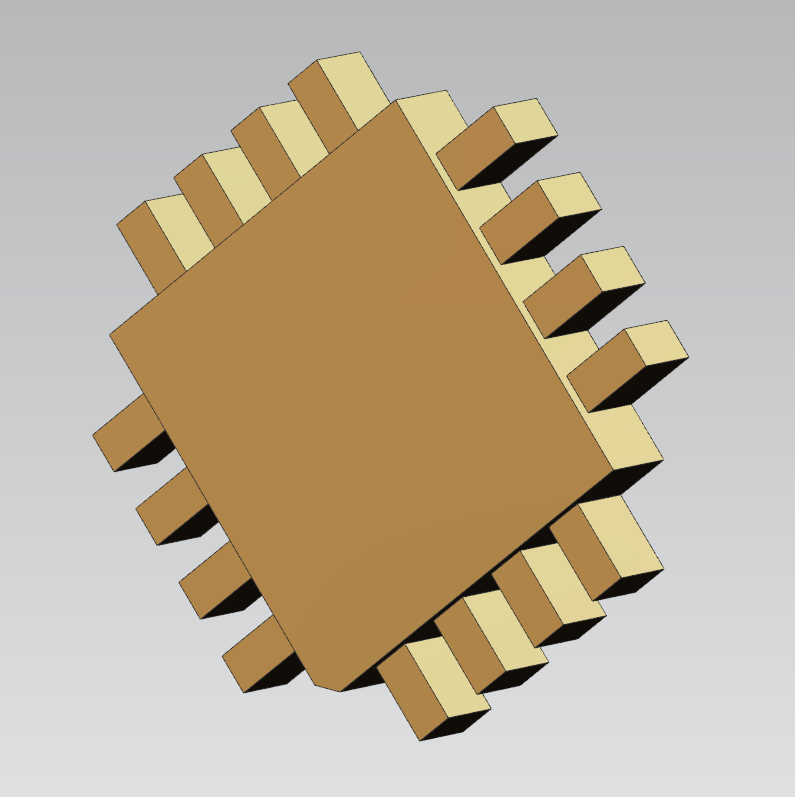
Complex structural parts often integrate multiple independent features on a single workpiece. Separate machining and repeated re-clamping easily trigger inconsistent positioning, resulting in mismatched hole positions, profile distortion and failed assembly. Many suppliers can achieve tight tolerance on simple blocks or rotary shafts yet lack mature solutions for high tolerance control on complex contoured components. Sanluo Precision builds dedicated manufacturing workflows for High Tolerance CNC Machining For Complex Parts. Multi-axis simultaneous cutting minimises fixture transfers, while layered stock removal gradually releases internal residual stress. This approach lowers scrap rates and ensures every geometric feature meets specified tolerance requirements for finished complex assemblies.
Complex geometry brings unique accuracy risks that do not exist for basic machined parts. Successful high tolerance production relies on targeted solutions for these inherent difficulties.
1. Cumulative error across distributed features: Multiple holes, curved profiles and angled planes share mutual positional relationships; minor positioning deviation will break overall assembly coordination.
2. Uneven material stress release: Irregular workpiece shapes lead to asymmetric stress distribution during cutting, causing slow deformation after machining and dimensional drift.
3. Restricted tool access: Deep cavities, narrow slots and undercut structures require specialised tool selection, easily generating vibration that damages surface precision.
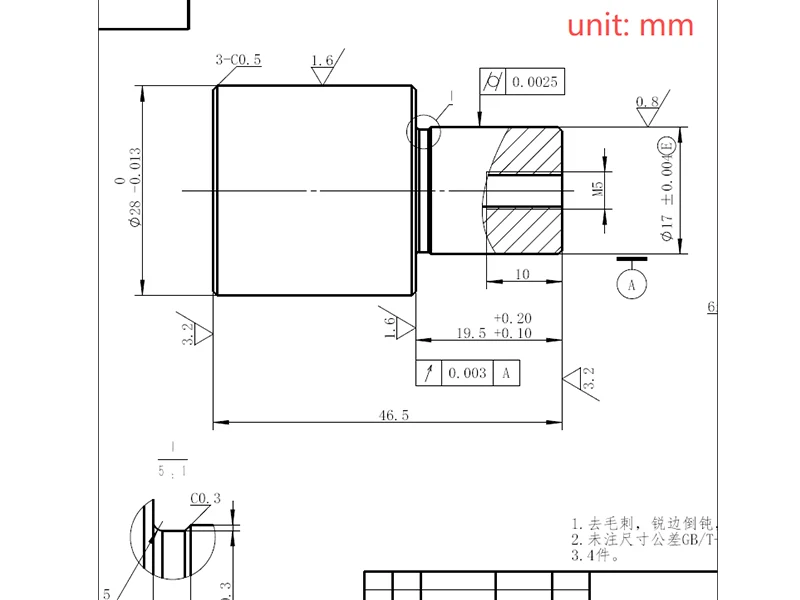
4. Balanced control of dimensional and geometric tolerances: Qualified size alone cannot guarantee usability; flatness, position tolerance and parallelism must be synchronously controlled for complex parts.
High Tolerance CNC Machining For Complex Parts adopts systematic multi-axis process design rather than simple precision cutting. Every link is adjusted to fit intricate geometric characteristics.
1. Multi-axis one-setup forming: Complete multiple surfaces and contour features within unified fixture positioning to eliminate repeated clamping errors, the most effective method to stabilise positional tolerance of complex parts.
2. Staged roughing and stress-relief strategy: Long intervals between roughing and finishing allow internal stress to release naturally, reducing post-machining deformation of thin-wall and intricate structures.
3. Vibration-suppression cutting parameters: Customised feed rate, spindle speed and tool path prevent chatter marks inside deep cavities and narrow slots, preserving profile accuracy and surface quality.
4. Iterative tool compensation management: Real-time tracking of tool micro-wear during continuous production, dynamically adjusting offset values to maintain consistent precision for long-run batches.
All technical indicators of High Tolerance CNC Machining follow strict precision manufacturing standards. Process parameters will be adjusted according to part geometry, material characteristics and tolerance targets to avoid universal rigid parameter settings.
| Dimensional Accuracy | L (X-axis) | W (Y-axis) | H (Z-axis) | Hole Position | Contour Profile |
| Unit: ± mm | 0.001 | 0.0005 | 0.0001 | 0.002 | 0.002 |
| Geometric Accuracy | Flatness | Parallelism | Perpendicularity | Symmetry | Position Tolerance |
| Unit: ± mm | 0.0003 | 0.001 | 0.001 | 0.002 | 0.002 |
| Production Capacity | 1~999999 pcs | 1~999999 pcs | 1~999999 pcs | 1~999999 pcs | 1~999999 pcs |
| Production Lead Time | 3-20 working days | 3-20 working days | 3-20 working days | 3-20 working days | 3-20 working days |
Standard machining allowance allocation: rough machining 0.02–0.05mm, semi-finishing 0.005–0.01mm, precision finishing 0.001–0.003mm. For thin-wall complex parts, slower cutting speed and smaller depth of cut are deployed to minimise cutting force deformation.
High Tolerance CNC Machining targets workpieces with multi-contour, multi-hole, deep cavity or thin-wall composite structures that cannot be efficiently completed by 3-axis single-direction machining.
1. Medical Precision Components: Complex surgical tool bases, instrument housings and custom implant fixtures requiring stable biocompatible material machining and tight positional accuracy.
2. Aerospace & UAV Structural Parts: Lightweight thin-wall brackets, multi-angle connection frames and composite positioning components with strict weight and precision requirements.
3. Robotic & Automation Hardware: Joint housing assemblies, multi-axis connecting frames and internal transmission structural parts with coordinated multi-feature matching demands.
4. New Energy Equipment Components: Battery test fixtures, fluid channel blocks and precision conductive structural parts with intricate internal flow paths and mounting hole arrays.
Quality control workflows for High Tolerance CNC Machining For Complex Parts are designed around multi-feature coordinate inspection requirements, operated under ISO9001 and ISO14001 management systems.
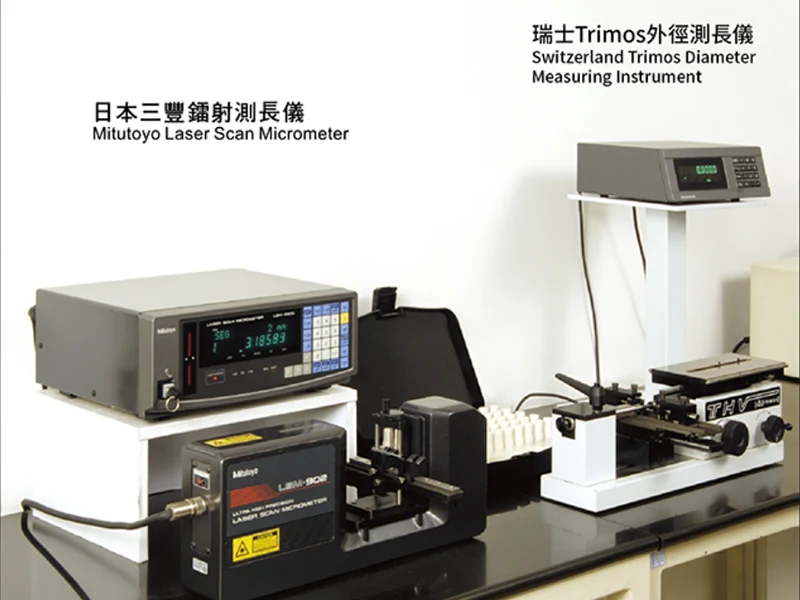
1. Multi-coordinate measurement for complex profiles: CMM performs full scanning of curved surfaces, hole arrays and angled features to verify mutual positional relationships that basic micrometers cannot detect.
2. First article validation before mass production: Complete dimensional report confirmation for prototype samples to lock process parameters and avoid batch deviation risks.
3. Continuous SPC process monitoring: Key feature dimensions are tracked via X-R control charts, maintaining process capability CPK≥1.33 to stabilise batch precision performance.
4. Traceable complete inspection documentation: Measurement data of critical complex geometry can be archived and exported to support customer incoming audits and project quality review.
| Evaluation Dimension | Traditional Separated Machining for Complex Parts | High Tolerance CNC Machining For Complex Parts |
| Clamping Setup Frequency | 3–5 times frequent re-fixturing | Minimal clamping transfers, often single-setup |
| Feature Position Deviation Risk | High cumulative positioning error | Low unified datum control |
| Capacity for Deep Cavity & Undercut | Limited, many features require secondary operations | Adaptable to intricate internal geometry |
| Batch Qualification Rate | 92%–96% | Stable 99.5% |
| Lead Time Performance | Long, multiple production transfers | Shorter streamlined workflow |
| Inter-Feature Matching Consistency | Fluctuating, selective assembly often needed | High, random interchangeability achievable |
Sanluo Precision focuses on High Tolerance CNC Machining. Many buyers encounter obstacles when sourcing intricate components: ordinary suppliers can process simple shapes but fail to guarantee coordinated precision across dozens of interrelated features.
1. Rich experience solving deformation risks: Mature solutions for thin-wall structures, deep cavity parts and asymmetric complex geometry to control post-processing dimensional rebound.
2. Drawing manufacturability assessment service: Engineering team reviews complex drawings upfront, optimises unreasonable tolerance settings and reduces unnecessary manufacturing difficulty.
3. Flexible order scaling: Support prototype trial runs, small-batch verification and continuous mass production to match different product development cycles.
A1: Workpieces combining curved contours, deep cavities, multiple distributed hole arrays, angled surfaces, thin walls or undercut features. Components requiring precise positional coordination among dozens of independent features are ideal for High Tolerance CNC Machining For Complex Parts.
A2: Aluminum alloy, stainless steel, titanium alloy, alloy steel and engineering plastics. Process adjustments are made according to material rigidity, thermal expansion and cutting characteristics to stabilise final precision.
A3: Primary causes include repeated clamping errors, uneven release of internal material stress, cutting vibration inside narrow structures and continuous tool abrasion. Our layered machining and multi-axis setup design effectively mitigate these risks.
A4: Yes. We can deliver comprehensive CMM scanning reports, dimensional data and geometric tolerance records covering key profiles and hole positions to support your quality inspection procedures.
A5: Highly recommended. Multi-axis equipment avoids repeated workpiece flipping and re-clamping. While certain simple complex shapes can use 3-axis processing, consistent high tolerance on compound geometry relies heavily on multi-axis unified datum control.