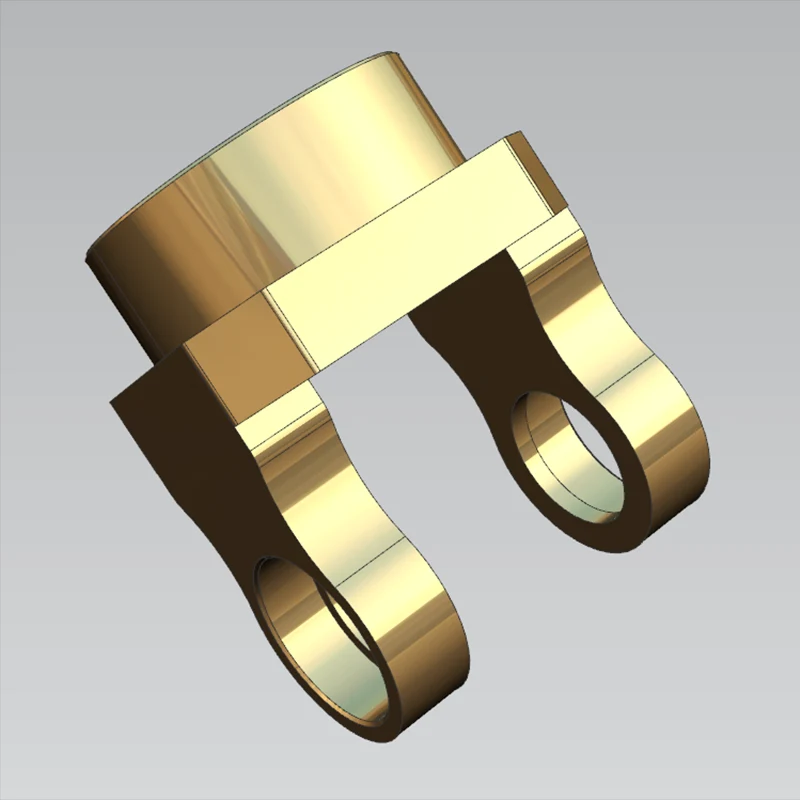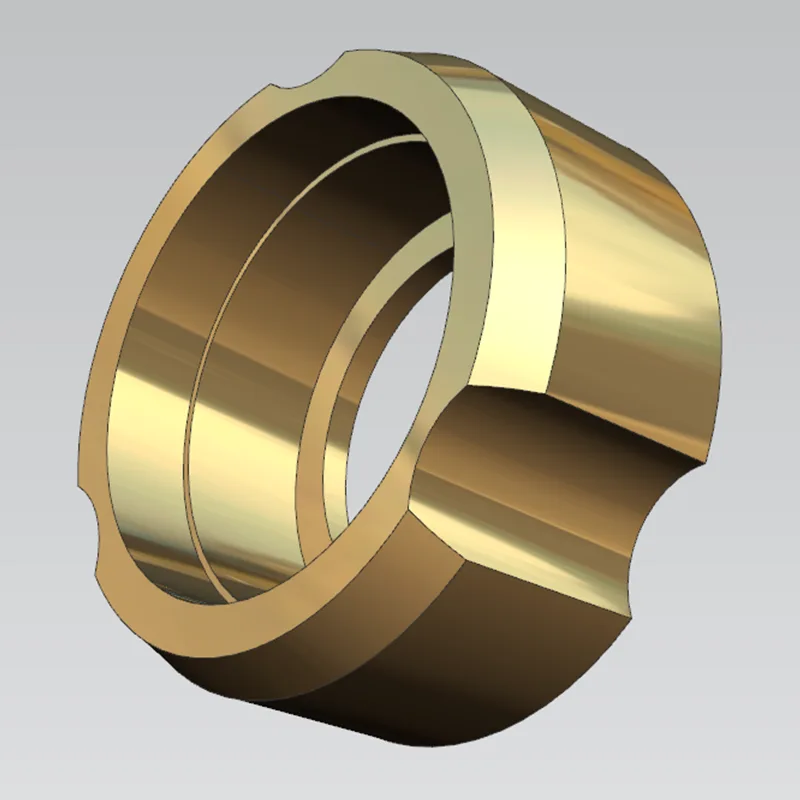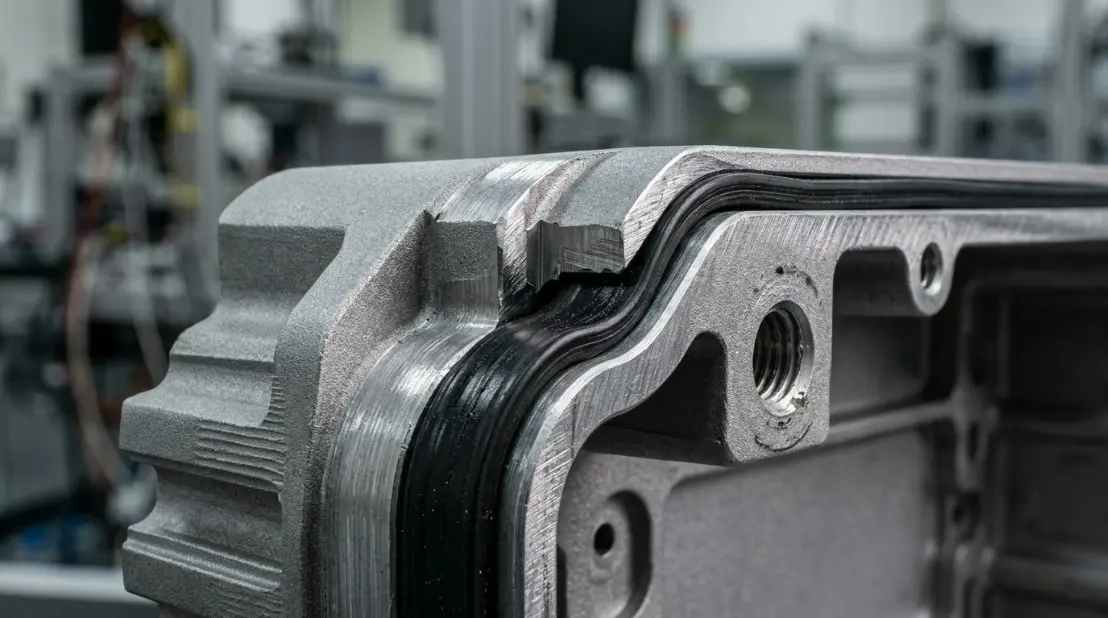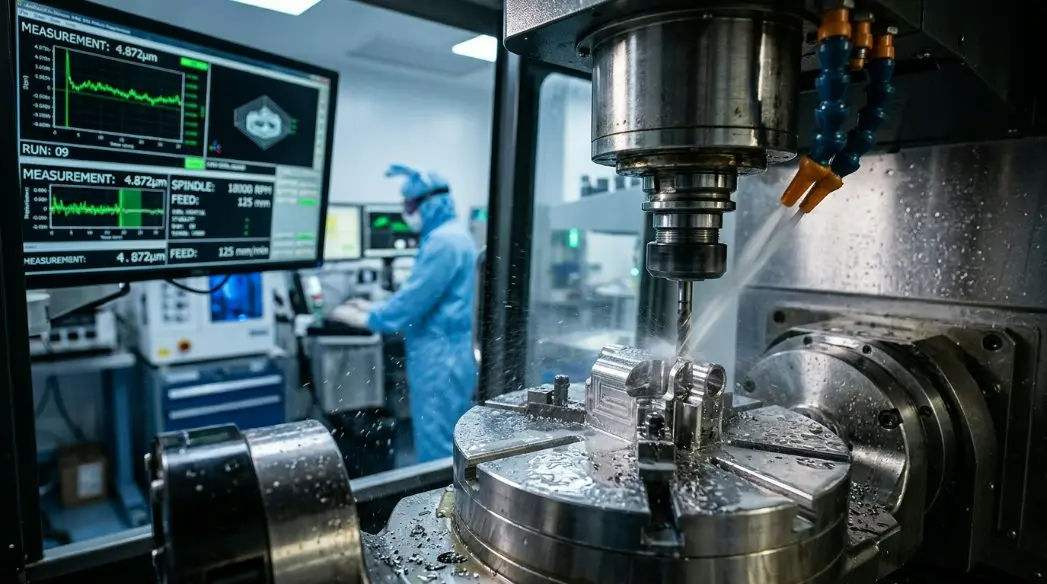

Precision NC Machining stands at the forefront of advanced manufacturing, enabling the production of components with tolerances measured in microns and surface finishes that rival optical quality. This comprehensive analysis explores the fundamental principles, technological capabilities, and transformative impact of precision NC machining across critical industries. The discussion covers the evolution from conventional machining to computer-controlled precision, the key elements that define precision machining capability, and the extensive applications in aerospace, medical, automotive, and electronics sectors. Through detailed examination of tolerance standards, quality control methodologies, and emerging trends such as AI-driven machining and multi-axis technologies, the article demonstrates why precision NC machining has become indispensable for producing the high-performance components that power modern innovation.
1. Defining Precision NC Machining in the Modern Era
Precision NC Machining represents the convergence of computer numerical control technology with ultra-high-accuracy manufacturing processes. Unlike conventional machining that relies heavily on operator skill and manual intervention, precision NC machining leverages advanced computer algorithms, high-resolution servo systems, and rigid machine tool structures to achieve dimensional accuracies that were unimaginable just decades ago.
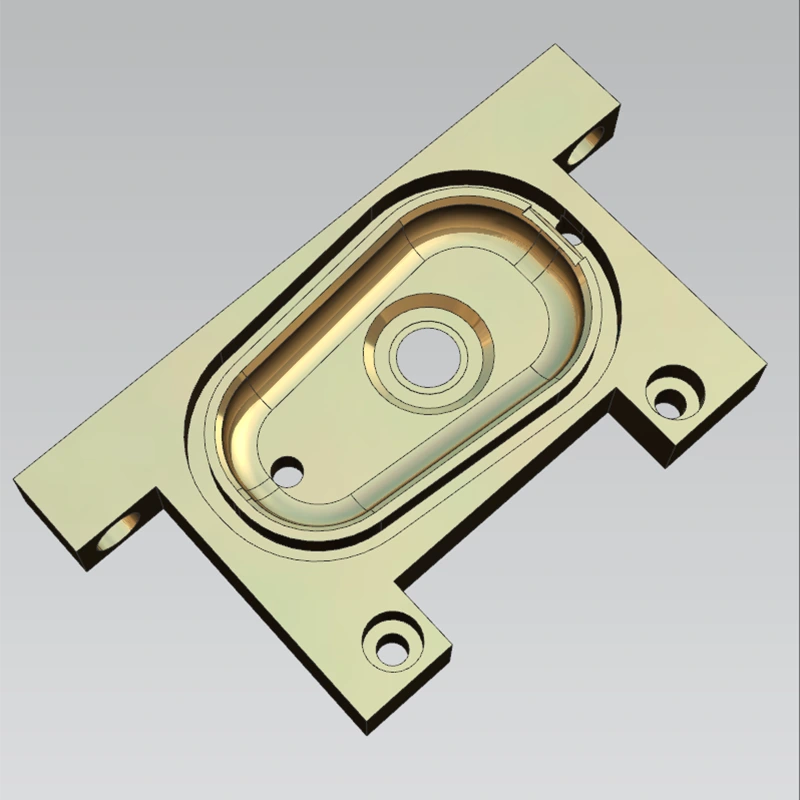
Precision NC machining is defined by its ability to consistently hold tolerances of 0.01 millimeters or tighter, with advanced systems capable of achieving sub-micron precision. This level of accuracy is achieved through a combination of factors: ultra-rigid machine structures that resist thermal and mechanical deformation, high-resolution feedback systems that continuously monitor and correct tool position, and sophisticated control algorithms that optimize tool paths in real time.
The scope of precision NC machining extends far beyond simple metal removal. It encompasses a comprehensive ecosystem of technologies including CAD/CAM software for part programming, advanced cutting tools with engineered geometries and coatings, precision workholding systems that maintain part position within microns, and rigorous inspection protocols using coordinate measuring machines (CMM) and optical measurement systems. Together, these elements form an integrated manufacturing system capable of producing components that meet the most demanding specifications.
2. The Technological Evolution from Conventional to Precision NC
The journey from conventional machining to precision NC machining represents one of the most significant technological transformations in manufacturing history. Understanding this evolution provides essential context for appreciating the capabilities of modern precision NC machining systems.
2.1 The Era of Manual Machining
Traditional machining relied entirely on the skill and experience of the machine operator. Manual lathes, milling machines, and grinders required operators to interpret engineering drawings, calculate cutting parameters, and manually control tool movements through handwheels and levers. While skilled machinists could achieve impressive results, the process was inherently limited by human factors—fatigue, inconsistency, and the inability to maintain extreme precision over long production runs.
2.2 The Introduction of Numerical Control
The development of numerical control (NC) in the 1950s marked the first step toward automation. Early NC systems used punched paper tape to store machining instructions, allowing machines to execute pre-programmed sequences of operations. This eliminated the need for continuous manual intervention and enabled consistent reproduction of parts. However, early NC systems were limited by the computational power available at the time and could only execute relatively simple tool paths.
2.3 The Computer Numerical Control Revolution
The integration of computers into NC systems—giving rise to computer numerical control (CNC)—represented a quantum leap forward. CNC machines could store multiple programs, perform complex calculations for tool path optimization, and incorporate feedback from sensors to compensate for variations in the machining process. This enabled the development of multi-axis machining capabilities and the ability to produce parts with complex 3D geometries.
2.4 The Emergence of Precision NC Machining
As CNC technology matured, a new class of machines emerged specifically designed for ultra-high-precision applications. Precision NC machining systems incorporate features such as:
- Hydrostatic or aerostatic bearings that eliminate metal-to-metal contact and friction
- Thermal stabilization systems that maintain constant temperature throughout the machine structure
- High-resolution linear and rotary encoders with sub-micron resolution
- Advanced servo control algorithms that anticipate and compensate for dynamic errors
These technological advances have pushed the boundaries of what is achievable in machining, enabling the production of components with surface finishes measured in nanometers and geometric tolerances that approach the physical limits of the materials being machined.
3. Core Elements of Precision NC Machining Capability
Precision NC Machining capability is built upon several interconnected technological pillars. Each element must perform at an exceptionally high level for the system as a whole to achieve the required precision.
3.1 Machine Tool Structure and Rigidity
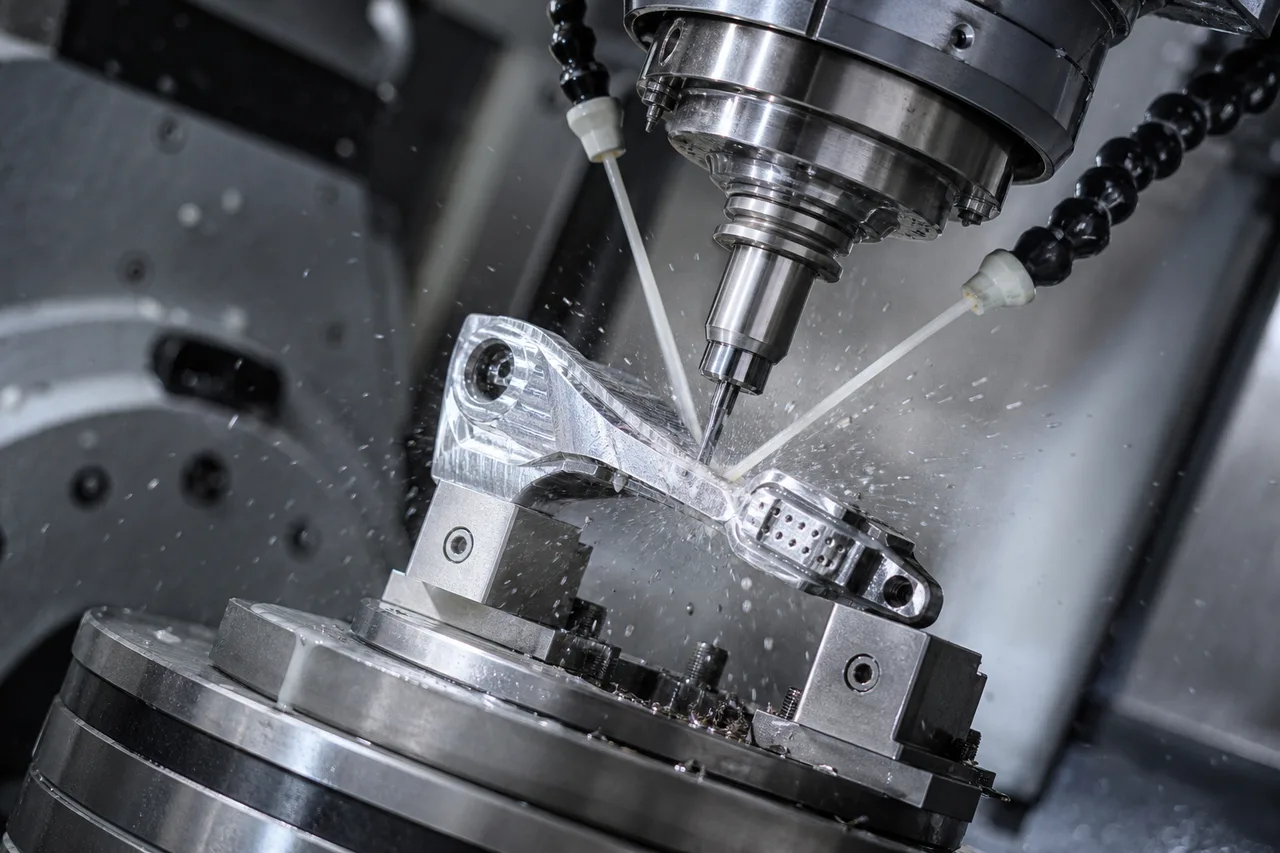
The foundation of precision NC machining is the machine tool structure itself. Precision machining centers are constructed from materials with high stiffness-to-weight ratios, such as polymer concrete or cast iron with optimized ribbed designs. The machine structure must resist deflection under cutting forces and maintain geometric stability across temperature variations. Many precision machines incorporate active damping systems that detect and cancel vibrations in real time.
3.2 Motion Control and Feedback Systems
Precision NC machining relies on closed-loop motion control systems that continuously monitor and adjust tool position. High-resolution encoders—often with resolutions of 0.1 micron or better—provide real-time position feedback to the control system. Advanced servo drives respond to this feedback with rapid, precise corrections, ensuring that the tool follows the programmed path with minimal deviation.
3.3 Tooling and Cutting Technology
Cutting tools for precision NC machining are engineered with extreme care. Tool geometries are optimized for specific material-tool combinations, and advanced coatings such as diamond-like carbon (DLC) or titanium aluminum nitride (TiAlN) reduce friction and extend tool life. Tool holders must maintain concentricity within microns to prevent runout that would degrade surface finish and dimensional accuracy.
3.4 Environmental Control
Precision machining is highly sensitive to environmental factors. Temperature variations as small as 1°C can cause significant dimensional changes in large workpieces. Precision machining facilities therefore maintain strict environmental controls, including temperature regulation to ±0.5°C, vibration isolation foundations, and clean air filtration to prevent contamination.
3.5 Programming and Simulation
Modern precision NC machining relies on sophisticated CAM software that generates optimized tool paths based on the part geometry and material properties. Advanced simulation capabilities allow programmers to visualize the machining process before any metal is cut, identifying potential collisions, excessive tool loads, or surface finish issues. This virtual machining capability significantly reduces the risk of errors and enables the production of complex parts with high confidence.
| Capability Element | Key Technology | Impact on Precision |
|---|---|---|
| Machine Structure | Polymer concrete base, active damping | Minimizes vibration and thermal distortion |
| Motion Control | Linear motors, sub-micron encoders | Enables positioning accuracy below 1 micron |
| Tooling | PCD/CBN inserts, precision tool holders | Maintains dimensional stability and surface finish |
| Environmental | Temperature control, vibration isolation | Eliminates external influences on accuracy |
| Programming | 5-axis CAM, tool path simulation | Optimizes cutting conditions and prevents errors |
4. Critical Applications Across High-Stakes Industries
Precision NC Machining has become indispensable across a wide spectrum of industries where component performance, reliability, and safety are paramount.
4.1 Aerospace and Defense
The aerospace industry demands components that can withstand extreme conditions while maintaining exacting dimensional tolerances. Precision NC machining is used to produce turbine blades, structural airframe components, landing gear parts, and satellite components. Materials such as titanium alloys, Inconel, and advanced composites require specialized machining strategies to achieve the required precision without compromising material properties. The growing investment in next-generation aircraft and space exploration continues to drive demand for ultra-precision machining capabilities.
4.2 Medical Device Manufacturing
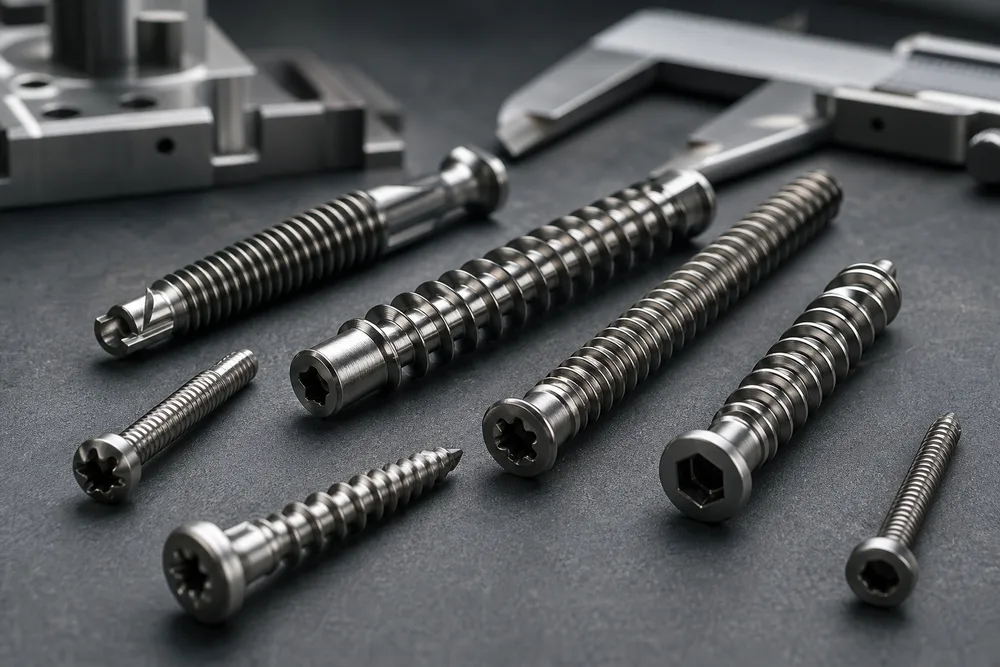
Medical devices represent one of the most demanding applications for precision NC machining. Orthopedic implants, surgical instruments, and dental components require tolerances measured in microns to ensure proper fit and function within the human body. The use of biocompatible materials such as titanium and stainless steel, combined with the need for complex 3D geometries, makes precision NC machining the preferred manufacturing method for many medical applications.
4.3 Automotive and Motorsport
Modern automotive engineering relies heavily on precision NC machining for critical powertrain components, fuel injection systems, and high-performance engine parts. The motorsport industry, in particular, pushes the boundaries of precision machining, with Formula 1 and endurance racing teams requiring components manufactured to tolerances that maximize performance while minimizing weight.
4.4 Electronics and Semiconductor
The electronics industry depends on precision NC machining for the production of semiconductor manufacturing equipment, connector housings, and heat sinks. As electronic devices continue to shrink in size while increasing in complexity, the demand for precision-machined components with ever-tighter tolerances continues to grow.
4.5 Optics and Photonics
Ultra-precision NC machining plays a critical role in the production of optical components, including lenses, mirrors, and waveguides. Single-point diamond turning, a specialized form of precision NC machining, can produce optical surfaces with surface roughness measured in nanometers, eliminating the need for post-processing polishing in many applications.
5. Precision NC Machining vs. Conventional Methods: A Comparative Analysis
Understanding the distinctions between precision NC machining and conventional machining approaches is essential for making informed manufacturing decisions.
| Characteristic | Precision NC Machining | Conventional Machining |
|---|---|---|
| Dimensional accuracy | ±0.005 mm to ±0.001 mm | ±0.05 mm to ±0.1 mm |
| Surface finish (Ra) | 0.1 to 0.4 microns | 0.8 to 3.2 microns |
| Process control | Closed-loop, computer-controlled | Operator-dependent, open-loop |
| Repeatability | Exceptional, part-to-part consistency | Variable, dependent on operator skill |
| Complex geometry capability | 5-axis, complex 3D contours | Limited to simpler geometries |
| Production volume suitability | Prototype to high-volume | Typically lower volume |
Precision NC machining achieves its superior accuracy through several key advantages:
- Automated precision: Computer-controlled systems eliminate the variability inherent in manual operations
- Real-time compensation: Feedback systems continuously correct for thermal expansion, tool wear, and other error sources
- Optimized tool paths: Advanced CAM software generates efficient cutting strategies that minimize deflection and tool wear
- Process monitoring: Sensors detect anomalies and enable proactive adjustments before part quality is compromised
While conventional machining may be sufficient for many general-purpose applications, precision NC machining is essential when component function depends on tight tolerances, superior surface finishes, or complex geometries that cannot be achieved through manual methods.
6. Tolerance Standards and Quality Assurance Frameworks
Precision NC machining operates within a comprehensive framework of international standards that define tolerance requirements and quality assurance procedures.
6.1 ISO 2768: General Tolerances
ISO 2768-1 specifies general tolerances for linear and angular dimensions of workpieces. The standard establishes four tolerance classes—fine (f), medium (m), coarse (c), and very coarse (v)—that provide a baseline for dimensional control. Precision NC machining typically operates at the fine tolerance level or beyond, with many applications requiring tolerances tighter than those specified in the standard.
6.2 ISO GPS and ASME Y14.5
Geometric dimensioning and tolerancing (GD&T) standards, including ISO GPS and ASME Y14.5, provide the language for specifying complex geometric requirements such as flatness, parallelism, and concentricity. These standards enable engineers to communicate precise functional requirements that go beyond simple dimensional limits.
6.3 Tolerance Capabilities in Precision NC Machining
Modern precision NC machining achieves tolerance levels that far exceed general standard requirements:
- Standard precision: ±0.01 mm for general features
- High precision: ±0.005 mm for critical features
- Aerospace/medical grade: ±0.002–0.003 mm for mission-critical components
- Ultra-precision: ±0.001 mm for specialized applications
6.4 Quality Assurance and Inspection
Quality assurance in precision NC machining employs a range of advanced inspection technologies:
- Coordinate measuring machines (CMM): Provide dimensional verification with sub-micron accuracy
- Optical measurement systems: Enable non-contact inspection of complex geometries
- Surface profilometers: Measure surface finish characteristics
- In-process monitoring: Sensors detect deviations during machining for real-time correction
7. Emerging Trends Shaping the Future of Precision NC Machining
The field of precision NC machining continues to evolve rapidly, driven by advances in digital technology, materials science, and automation.
7.1 AI-Driven Machining and Closed-Loop Control
Artificial intelligence is transforming precision NC machining through real-time process optimization. AI systems analyze sensor data from the machining process—including cutting forces, vibration, temperature, and acoustic emissions—to make instantaneous adjustments to feed rates, spindle speeds, and tool paths. This closed-loop approach bridges the gap between design intent, NC programming, and actual machining behavior, enabling levels of precision and efficiency that were previously unattainable.
7.2 Multi-Axis and Multi-Task Machining
The trend toward increasing numbers of axes and multi-task machining capabilities continues to advance. Simultaneous 5-axis machining enables the production of complex parts in a single setup, eliminating the cumulative errors that occur when parts are repositioned between operations. Multi-task machines that combine turning, milling, and grinding capabilities further reduce handling and improve accuracy.
7.3 Digital Twins and Process Simulation
Digital twin technology creates virtual replicas of the entire machining process, enabling comprehensive simulation and optimization before production begins. These simulations model not only the tool path but also the thermal and mechanical behavior of the machine tool, workpiece, and cutting tools. This capability significantly reduces setup time and eliminates the risk of costly errors during production.
7.4 Additive-Subtractive Hybrid Manufacturing
The integration of additive manufacturing (3D printing) with precision NC machining is opening new possibilities for producing complex, high-performance components. Additive processes can create near-net shapes that are then finished with precision NC machining to achieve the required tolerances and surface finishes. This hybrid approach combines the design freedom of additive manufacturing with the precision of subtractive machining.
8. Frequently Asked Questions
NC (Numerical Control) machining refers to the use of programmed instructions to control machine tools, typically using punched tape or similar media. CNC (Computer Numerical Control) machining incorporates a computer to generate and store programs, perform complex calculations, and provide real-time feedback and adjustments. Precision NC machining today is almost exclusively performed on CNC machines, but the term "NC" is often used historically.
Standard precision NC machining can achieve tolerances of ±0.01 mm. High-precision systems can hold ±0.005 mm, and ultra-precision machining can achieve ±0.001 mm or better. The achievable tolerance depends on the machine capability, material, tooling, and environmental conditions.
Precision NC machining is used on a wide range of materials, including aluminum alloys, stainless steels, titanium alloys, Inconel and other superalloys, brass, copper, plastics, and advanced composites. The selection of cutting parameters and tooling is critical for each material to achieve the required precision and surface quality.
Precision NC machining is a subtractive process that removes material from a solid block to create the final shape. Additive manufacturing builds parts layer by layer from powdered materials. While additive offers design freedom, precision NC machining provides superior dimensional accuracy, surface finish, and material properties, making it the preferred method for critical components.
Part geometry complexity, required tolerances, material hardness, number of setups, and the need for specialized tooling all influence machining effort. More complex parts with tighter tolerances generally require more advanced equipment and longer cycle times, but the result is superior component quality and reliability.
Shenzhen Sanluo Precision Technology Co., Ltd. is a leading provider of precision NC machining services, equipped with advanced 5-axis machining centers and a commitment to the highest quality standards. To learn more about how our precision NC machining capabilities can support your next project, contact us for expert consultation and technical support.
Get in Touch